The Chain 1984


Your life in their vans. Comedy featuring interweaving stories of seven households caught up in a property chain on moving day, each one dependent on the other.


Does The Chain have end credit scenes?
No!
The Chain does not have end credit scenes. You can leave when the credits roll.
Meet the Full Cast and Actors of The Chain
Explore the complete cast of The Chain, including both lead and supporting actors. Learn who plays each character, discover their past roles and achievements, and find out what makes this ensemble cast stand out in the world of film and television.
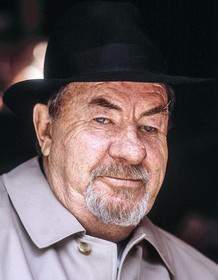
Leo McKern
Thomas

Anna Massey
Betty

Billie Whitelaw
Mrs. Andreos

Nigel Hawthorne
Mr Thorn

Denis Lawson
Keith

Judy Parfitt
Deidre

Carmen Munroe
Des's Mum
Bernard Hill
Nick
Phyllis Logan
Alison
Graham Jarvis
Foxx
Maurice Denham
Grandpa
Warren Mitchell
Bamber
Herbert Norville
Des
John Rowe
Alex
Bill Thomas
Postman
David Troughton
Dudley
Gary Waldhorn
Tornado
Christopher Ettridge
Removal Man
Steven Woodcock
Gary
George Rossi
3rd Removal Man
Ben Onwukwe
1st Removal Man
Jade Magri
Tasha
James Coyle
2nd Removal Man
Matthew Blakstad
Mark
Anne Tirard
Homeless Old Lady
Mark Dignam
Ambrose
Paddy Joyce
Carpet Layer
Tony Westrope
Paul
Rita Wolf
Carrie
Ron Pember
Stan
Charlotte Long
Rosemary
Patsy Smart
Old Lady
Alex Tetteh-Lartey
Edgar
Robin Summers
Policeman
Vicky Licorish
Myra
Darliah Wood
Bozo
Kim Clifford
Dingy
Michael Mulkerrin
Clampsman
Bob Holness
Newsreader (voice)
External Links and Streaming Options
Discover where to watch The Chain online, including streaming platforms, rental options, and official sources. Compare reviews, ratings, and in-depth movie information across sites like IMDb, TMDb, Wikipedia or Letterboxd.





Take the Ultimate The Chain Movie Quiz
Challenge your knowledge of The Chain with this fun and interactive movie quiz. Test yourself on key plot points, iconic characters, hidden details, and memorable moments to see how well you really know the film.
The Chain Quiz: Test your knowledge of the 1984 film *The Chain*, its characters, themes, and plot details.
Which character represents the sin of Sloth in the film?
Full Plot Summary and Ending Explained for The Chain
Read the complete plot summary of The Chain, including all major events, twists, and the full ending explained in detail. Explore key characters, themes, hidden meanings, and everything you need to understand the story from beginning to end.
The Chain follows seven households that form a circular property chain, stitched together by a crew of removal workers who are hired to help each family move. Each link in the chain reveals a slice of ordinary life, from the banal to the quietly profound, and every household paired with its mover is tied to one of the seven deadly sins. The film opens with Bamber Warren Mitchell and his Lasts Removal and Storage team as they start their rounds in Willesden, setting the tempo for a moving puzzle that will connect lives in unexpected ways.
Des Herbert Norville is the first link. In Hackney, he is packing up the room in his Mum’s house as he prepares to move in with his girlfriend. Des is waiting outside his new home while a police presence, represented by a Policeman Robin Summers, interrupts the moment, highlighting the tension between leaving home and stepping into a new stage of life. Des’s friend Stan Ron Pember helps by loading his things into an old Mini Traveller, a small, almost comical escape vehicle that becomes a moving symbol of transition. The scene mixes frustration, anticipation, and a hint of mischief as Des faces the practicalities of departure and the emotional tug of leaving his mother behind.
Keith Denis Lawson, moving from Tufnell Park to Willesden with his Indian wife Carrie, represents Sloth in the chain. On the road to pick up the flat keys, Keith encounters Des again as he’s just moving into the old rented space, and the exchange becomes a window into the couple’s hopes and fears about starting a family. The pair’s conversation about whether to have children is charged with a hesitation that mirrors Keith’s cautious approach to the move itself, illustrating how the logistics of relocation can foreground personal choices and long-term plans.
In Willesden, Dudley David Troughton and Alison Phyllis Logan face a different pressure: they need a bigger flat for their young daughter. The memory of their daughter’s conception lingers as a reminder of the life they are trying to build, while Paul Tony Westrope from Lasts accidentally goes to the wrong flat, creating a small, comical disruption for an elderly woman and a reminder of how easily confusion can derail a move. Bamber’s team is tasked with getting them to a new place in Hammersmith, a shift that carries its own emotional weight as Granddad Maurice Denham—the family’s stern, veteran presence—tries to keep orders in a military-like fashion and organize the moving process.
Granddad, who embodies the sin of Envy, moves into the granny flat in a new property, but trouble arises when some troublemakers squat in the new home and change the locks. The chain’s problems deepen when you realize that the moving day is compromised by deceit and misplacement, turning a standard relocation into a lesson in trust and adaptation.
The twist of the chain comes with Mrs Andreos Billie Whitelaw. Bamber persuades the widow to proceed with her planned move to Holland Park by lingering in her kitchen and letting her tell stories of her late husband and her homeland of Limassol. The persuading and the storytelling create an extra job—cash in hand—that sweetens the deal for Bamber but also deepens the sense of longing and memory that accompanies any move. Mrs Andreos accepts a lift in the removal van and joins a cheerful singalong of “Karma Chameleon” along the way, a moment that weds humor to the more sorrowful notes of memory and loss, and reinforces how the past travels with people as they relocate.
The Holland Park family—moving to Knightsbridge—embodies Pride. They watch their neighbor head to Belgrave Square with envy, and their own move is spurred by a sense that Holland Park is becoming “too shabby” for their status. Deidre Judy Parfitt has bought a new Daimler, and the entire scene underscores how social aspirations and appearances influence choices about where to live and how to present oneself.
In Knightsbridge, Thomas Leo McKern faces his own moral reckoning as he contemplates the end of life. Representing Wrath, he discusses with a friend the idea of auctioning his belongings at Sotheby’s while he is alive to witness the process. He clings to a single memento—a cheap souvenir plate from Southend-on-Sea—that may hold more meaning than its monetary value. A driver ferries him to Quilter Street in Whitechapel, the place where he once lived, now a rented room that had been vacated by Des, the film’s first departing figure. The journey through Thomas’s decisions and the home he returns to echoes the ring-fenced anxieties of aging and legacy.
As the story threads together the fates of these families, each move culminates in a final tableau: the new homes are shown, and yet a homeless Old Lady Patsy Smart appears in the final frame, wrapped in newspaper and preparing to spend the night in a doorway. Her image, subtle but persistent, suggests that the chain’s human costs are never fully resolved and that the city’s unseen corners carry the quiet aftermath of every move. The film closes with this final image threaded through the formerly linked stories, a somber reminder that the pursuit of a fresh start is always shadowed by memory, loss, and the reminder that people are always moving, both physically and emotionally.
Throughout the journey, the cast threads through the narrative as living components of the moving world: Thomas [Leo McKern] mirrors the tension of aging and acceptance; Des [Herbert Norville] and his Mum [Des’s Mum played by Carmen Munroe] anchor the opening, while Mrs Andreos [Billie Whitelaw] and Keith [Denis Lawson] bring human concerns of memory and choice to the forefront. The removal team—Bamber [Warren Mitchell], the various Removal Men [Christopher Ettridge; Ben Onwukwe; James Coyle; George Rossi], and Paul [Tony Westrope]—functions as a chorus that underscores the film’s meditation on why people move and what they leave behind. The Chain remains a quiet, humane meditation on family, obligation, ambition, and the imperfect but hopeful act of starting anew.

Coming soon on iOS and Android
The Plot Explained Mobile App
From blockbusters to hidden gems — dive into movie stories anytime, anywhere. Save your favorites, discover plots faster, and never miss a twist again.
Sign up to be the first to know when we launch. Your email stays private — always.
Explore the mobile appWatch Trailers, Clips & Behind-the-Scenes for The Chain
Watch official trailers, exclusive clips, cast interviews, and behind-the-scenes footage from The Chain. Dive deeper into the making of the film, its standout moments, and key production insights.
Cars Featured in The Chain
Explore all cars featured in The Chain, including their makes, models, scenes they appear in, and their significance to the plot. A must-read for car enthusiasts and movie buffs alike.
The Chain Themes and Keywords
Discover the central themes, ideas, and keywords that define the movie’s story, tone, and message. Analyze the film’s deeper meanings, genre influences, and recurring concepts.
The Chain Other Names and Titles
Explore the various alternative titles, translations, and other names used for The Chain across different regions and languages. Understand how the film is marketed and recognized worldwide.
Similar Movies To The Chain You Should Know About
Browse a curated list of movies similar in genre, tone, characters, or story structure. Discover new titles like the one you're watching, perfect for fans of related plots, vibes, or cinematic styles.




Quick Links: Summary, Cast, Ratings, More

What's After the Movie?
Not sure whether to stay after the credits? Find out!
Check out our other apps:

SAT Sphere
Build confidence for the Digital SAT.

Mori Atlas
Discover wild places worth protecting.

Luntero
Search smarter for a home in Amsterdam.

Plot Explained
Unravel movie endings and hidden clues.

Pokechamp
Dive into Pokémon data and battle logic.

Driving Theory
Get ready for your European theory test.

Movie Dust
Plan your next cinema trip with ease.

Musemap
Find art and culture as you travel.

Selkobase
Compare credentials before committing.

Local Manual
Turn an unfamiliar country into practical next steps.

Lernavi
Compare school systems before your next move.

GymRoam
Find a workout stop wherever your plans take you.
Explore Our Movie Platform
New Movie Releases (2026)
Famous Movie Actors
Top Film Production Studios
Movie Plot Summaries & Endings
Major Movie Awards & Winners
Best Concert Films & Music Documentaries
Movie Collections and Curated Lists
© 2026 What's After the Movie. All rights reserved.
Privacy Policy