The Young Savages 1961



Here is Raw Truth… Nailed to the Screen! A district attorney investigates the racially charged case of three teenagers accused of the murder of a blind Puerto Rican boy.


Does The Young Savages have end credit scenes?
No!
The Young Savages does not have end credit scenes. You can leave when the credits roll.
Where to Watch The Young Savages
See current US streaming, rental, and purchase options for The Young Savages (1961) via JustWatch.








Meet the Full Cast and Actors of The Young Savages
Explore the complete cast of The Young Savages, including both lead and supporting actors. Learn who plays each character, discover their past roles and achievements, and find out what makes this ensemble cast stand out in the world of film and television.

Milton Selzer
Dr. Walsh
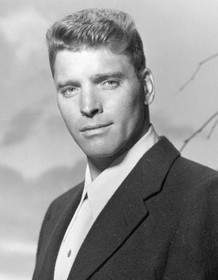
Burt Lancaster
Hank Bell
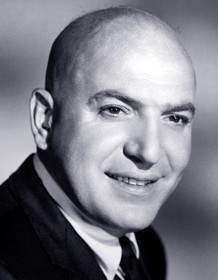
Telly Savalas
Detective Lt. Gunderson

Shelley Winters
Mary diPace

Vivian Nathan
Mrs. Escalante
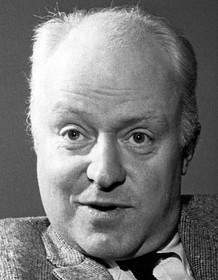
Larry Gates
Randolph

José Pérez
Roberto Escalante
Edward Andrews
R. Daniel Cole
Dina Merrill
Karin Bell
Roberta Shore
Jenny Bell
John Davis Chandler
Arthur Reardon
Robert Biheller
Turtleneck
Robert Burton
Judge
Elaine Martone
Minor Role
Clegg Hoyt
Whitey
Pilar Seurat
Louisa Escalante
Jody Fair
Angela Rugiello
David J. Stewart
Barton
Stanley Kristien
Danny diPace
Neil Burstyn
Anthony 'Batman' Aposto
Luis Arroyo
Zorro
Richard Velez
Gargantua
External Links and Streaming Options
Discover where to watch The Young Savages online, including streaming platforms, rental options, and official sources. Compare reviews, ratings, and in-depth movie information across sites like IMDb, TMDb, Wikipedia or Letterboxd.





Take the Ultimate The Young Savages Movie Quiz
Challenge your knowledge of The Young Savages with this fun and interactive movie quiz. Test yourself on key plot points, iconic characters, hidden details, and memorable moments to see how well you really know the film.
The Young Savages (1961) Quiz: Test your knowledge of the 1961 drama film The Young Savages, its characters, plot points, and themes.
Which gang do Danny diPace, Anthony Aposto, and Arthur Reardon lead?
Full Plot Summary and Ending Explained for The Young Savages
Read the complete plot summary of The Young Savages, including all major events, twists, and the full ending explained in detail. Explore key characters, themes, hidden meanings, and everything you need to understand the story from beginning to end.
Set in East Harlem, amid a tight-knit Italian-American community and the rough edges of urban life, the story follows three teenage gang members who lead the Thunderbirds: Danny diPace, Stanley Kristien, Anthony Aposto, Neil Burstyn, and Arthur Reardon, John Davis Chandler. The trio’s days are spent navigating a perilous turf war with the Horsemen, a Puerto Rican gang rooted in a different stretch of the same neighborhood. The opening burst of violence comes when the Thunderbirds fatally knife a member of the Horsemen, Roberto Escalante, José Pérez, who is blind, turning a quiet afternoon into a brutal claim of self-defense that will echo through the rest of the film.
As the investigation unfolds, the three boys are arrested and interrogated. They insist they acted in self-defense after Escalante allegedly attacked them with a knife, but the case quickly becomes more than a simple crime scene. Hank Bell, [Burt Lancaster], the assistant district attorney, begins to sense there is more beneath the surface when he learns that one of the youths is the son of Mary diPace, Shelley Winters, a former girlfriend of Bell’s. This revelation stirs up old neighborhood memories and raises questions about loyalties, history, and whether personal ties should influence the pursuit of justice. Bell shares his background with District Attorney Dan Cole, Edward Andrews, explaining how he changed his name from Bellini to protect his past and advance his career. He hopes to keep his personal history from clouding the case, while Cole, intent on a political win as he seeks higher office, pushes hard for a heavy-handed prosecution.
The funeral for Escalante becomes a turning point, a public stage where grief, anger, and political pressure collide. Escalante’s mother demands punishment for the boys, while Mary argues for their innocence and recalls her son’s promise not to join a gang. Bell resolves to uncover the truth, visiting the families and gang members involved one by one to understand the web of relationships, grievances, and loyalties that shape the events. This investigative journey reveals that the case is far more nuanced than a straightforward killing, challenging Bell’s initial assumptions and forcing him to weigh justice against vengeance.
Karin Bell, Dina Merrill, Bell’s wife, opposes the death penalty, offering a counterpoint to the political calculus driving the prosecution. Her stance highlights the moral complexity at the heart of the case: punishment might satisfy political aims, but it would not necessarily bring true closure to the families involved. Throughout the process, Bell’s inquiries expose facets of each boy’s life that add to the ambiguity surrounding the incident. He learns that Aposto, one of the Thunderbird trio, is mentally disadvantaged, and that Danny diPace had once intervened to save a Puerto Rican child from drowning during a gang confrontation. These revelations complicate the picture: the boys are not merely one-dimensional aggressors, but youths shaped by a rough environment and personal histories that could justify a more measured response than execution.
As Bell pieces together the truth, he moves through tense encounters—an elevator incident where the Thunderbirds threaten Karin with switchblade knives and a subway attack on Bell himself—carefully distinguishing fear from malice and noting how easily perceptions can be swayed in the heat of urban fear. Bell meets with Pretty Boy Savarese, the Thunderbirds’ warlord, who insists on the innocence of the boys and argues that Escalante was a Horsemen ally who helped conceal weapons used in gang assaults. Savarese’s defense reframes the murder as a chain of violence and misperception, challenging Bell to reconcile the facts with the community’s demand for accountability.
The investigation deepens as Bell discovers that Aposto’s mental handicap and diPace’s earlier act of bravery for a drowning Puerto Rican child reveal a pattern of behavior that complicates a clean, vindictive outcome. These discoveries do not automatically exonerate anyone, but they do illuminate the human cost behind every decision made in the heat of a crisis. The tension between justice and political expediency intensifies as Cole presses for maximum penalties, hoping to gain public approval and secure votes, while Bell seeks a more nuanced understanding of each boy’s background and the broader implications for youth in distress.
In the courtroom, the trial culminates in individualized sentences tailored to each boy’s nature and history, a resolution that underscores the film’s insistence on complexity over simple verdicts. Escalante’s mother asks whether justice has truly been served, and Bell’s response—tinged with regret—suggests that responsibility for the boy’s death lies with many hands: the immediate actors, the families, the peers, and a system that sometimes blurs the line between protection and punishment. The conclusion leaves the viewer with a somber meditation on how communities, politics, and personal histories intersect to shape outcomes in the wake of tragedy.
The film’s careful balance of empathy and realism invites the audience to consider the gray areas of violence, punishment, and moral responsibility. It paints a portrait of a neighborhood under pressure, where youths navigate loyalty and survival while adults wrestle with the consequences of political ambition and the pursuit of justice. In the end, the story resists easy answers, choosing instead to reflect on the heavy price of violence and the enduring question of who bears responsibility when a life is lost and a community is left to reckon with the aftermath.

Coming soon on iOS and Android
The Plot Explained Mobile App
From blockbusters to hidden gems — dive into movie stories anytime, anywhere. Save your favorites, discover plots faster, and never miss a twist again.
Sign up to be the first to know when we launch. Your email stays private — always.
Explore the mobile appWatch Trailers, Clips & Behind-the-Scenes for The Young Savages
Watch official trailers, exclusive clips, cast interviews, and behind-the-scenes footage from The Young Savages. Dive deeper into the making of the film, its standout moments, and key production insights.
Cars Featured in The Young Savages
Explore all cars featured in The Young Savages, including their makes, models, scenes they appear in, and their significance to the plot. A must-read for car enthusiasts and movie buffs alike.
The Young Savages Other Names and Titles
Explore the various alternative titles, translations, and other names used for The Young Savages across different regions and languages. Understand how the film is marketed and recognized worldwide.
Quick Links: Summary, Cast, Ratings, More

What's After the Movie?
Not sure whether to stay after the credits? Find out!
Check out our other apps:

SAT Sphere
Build confidence for the Digital SAT.

Mori Atlas
Discover wild places worth protecting.

Luntero
Search smarter for a home in Amsterdam.

Plot Explained
Unravel movie endings and hidden clues.

Pokechamp
Dive into Pokémon data and battle logic.

Driving Theory
Get ready for your European theory test.

Movie Dust
Plan your next cinema trip with ease.

Musemap
Find art and culture as you travel.

Selkobase
Compare credentials before committing.

Local Manual
Turn an unfamiliar country into practical next steps.

Lernavi
Compare school systems before your next move.

GymRoam
Find a workout stop wherever your plans take you.
Explore Our Movie Platform
New Movie Releases (2026)
Famous Movie Actors
Top Film Production Studios
Movie Plot Summaries & Endings
Major Movie Awards & Winners
Best Concert Films & Music Documentaries
Movie Collections and Curated Lists
© 2026 What's After the Movie. All rights reserved.
Privacy Policy