The Witching Hour 1934


Jack Brookfield, a gambler with clairvoyant and hypnotic abilities, uses his gift to win at cards. He unintentionally hypnotizes young Clay Thorne, who, while trance‑bound, kills an opponent of Brookfield. Dismissed as innocent, Thorne faces execution. Brookfield teams with retired lawyer Martin Prentice to prove his innocence and save him.

Does The Witching Hour have end credit scenes?
No!
The Witching Hour does not have end credit scenes. You can leave when the credits roll.
Meet the Full Cast and Actors of The Witching Hour
Explore the complete cast of The Witching Hour, including both lead and supporting actors. Learn who plays each character, discover their past roles and achievements, and find out what makes this ensemble cast stand out in the world of film and television.
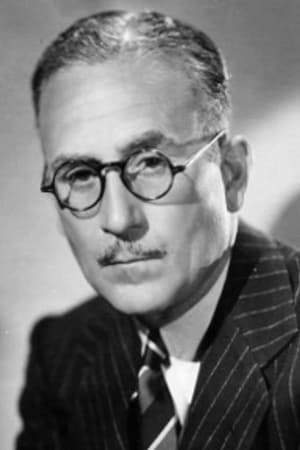
John Halliday
Jack Brookfield
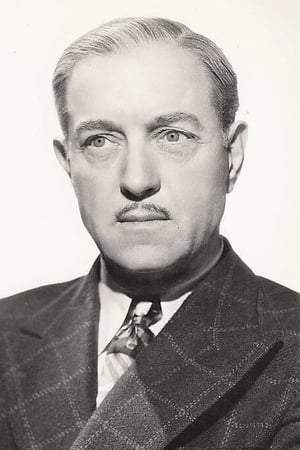
Purnell Pratt
District Attorney Robinson

Ralf Harolde
Frank Hardmuth
William Frawley
Jury Foreman
Ferdinand Gottschalk
Dr. von Strohn
Richard Carle
Lew Ellinger
Guy Standing
Judge Martin Prentice
Tom Brown
Clay Thorne
Olive Tell
Mrs. Helen Thorne
Frank Sheridan
Police Chief
Judith Allen
Nancy Brookfield
Gertrude Michael
Margaret Price
External Links and Streaming Options
Discover where to watch The Witching Hour online, including streaming platforms, rental options, and official sources. Compare reviews, ratings, and in-depth movie information across sites like IMDb, TMDb, Wikipedia or Letterboxd.




Take the Ultimate The Witching Hour Movie Quiz
Challenge your knowledge of The Witching Hour with this fun and interactive movie quiz. Test yourself on key plot points, iconic characters, hidden details, and memorable moments to see how well you really know the film.
The Witching Hour (1934) Quiz: Test your knowledge of the 1934 film The Witching Hour, covering characters, plot twists, and thematic elements.
Which character runs a late‑night gambling circle in the Brookfield house?
Full Plot Summary and Ending Explained for The Witching Hour
Read the complete plot summary of The Witching Hour, including all major events, twists, and the full ending explained in detail. Explore key characters, themes, hidden meanings, and everything you need to understand the story from beginning to end.
In a quiet Kentucky house, Jack Brookfield keeps a late-night gambling circle running, a secret ritual that sits at the edge of respectability. His daughter, Nancy Brookfield, has fallen for Clay Thorne, a young Northern architect whose future seems tied to the Brookfields’ world. Brookfield’s mother—an old Baltimore friend—arrives with the hope of steering her son away from vice. When she sees Brookfield in the garden with his daughter, she appears reassured, and Brookfield proclaims that the gambling for that evening is over, signaling a fragile peace for the moment.
After the guests depart, a spark of mystery flickers to life. Lew Ellinger, a familiar customer, bets on a poker hand and presses Brookfield to join regardless of his claim of not gambling. Brookfield nevertheless plays along, and in a startling moment, tells Ellinger exactly what cards he holds. When Ellinger insists on looking again, Brookfield reciprocates with an almost uncanny honesty about what Ellinger sees, though Brookfield himself cannot fully explain how he can divine the hand. The revelation unsettles Ellinger, who asks how this feat is possible. Brookfield admits he cannot truly explain it, and the gift—this odd, burdened ability—has kept him from gambling, which saddens Ellinger deeply.
Outside, the town’s police chief gathers his men to raid Brookfield’s house, but the raid yields nothing—no cards, no games, no proof of wrongdoing. Inside, Nancy heads to bed, and Clay grows uneasy when he notices a cats-eye ring— collateral once offered by Ellinger—on Brookfield’s finger. The small symbol becomes a test of Clay’s nerve and a reminder of the power Brookfield unknowingly holds.
Brookfield then receives a visit from Frank Hardmuth, a man with a grudge who wants to boss the town and dictate who is worthy of Nancy. The confrontation turns physical when Brookfield punches Hardmuth and warns that one day a man will come into his office and shoot him. Clay overhears, and Brookfield’s reassurance—that his fear is irrational—does little to ease the fear he secretly harbors. In a moment of unintended manipulation, Brookfield hypnotizes Clay, a talent he does not fully comprehend or intend to wield.
The last visitor of the night is Judge Martin Prentice, whose steady, compassionate nature offers Brookfield some relief about his gift. Prentice cautions Brookfield about the perils of using hypnotism, suggesting that hidden powers bring equally hidden risks.
Tragedy soon follows as Clay travels to Hardmuth’s office and shoots him dead, unaware of the full consequences of his actions. With Hardmuth dead, the family insists on a defense, but hypnosis is dismissed by others as a credible basis for a defense. The question of who should defend Clay becomes urgent, and the family turns to Prentice, hoping he will understand the case. Prentice, initially reluctant, is persuaded by the ghostly memory of Margaret Price—the late Mrs. Thorne’s mother and Prentice’s former love—to take on the defense.
The trial unfolds with difficult testimony and limited hope. Even Dr. von Strohn, a renowned expert on hypnosis, struggles to sway the jury. In a desperate gambit, Prentice has Brookfield hypnotize the openly skeptical jury foreman into firing a gun at the district attorney—though the weapon is loaded with blanks. The gambit pays off in a perverse sense, and the jurors render a not guilty verdict, allowing Clay Thorne to walk free.
The film closes on a note that blends the uncanny with the courtroom drama, leaving the audience to ponder the limits of mind over matter and the cost of a man’s hidden gifts. The town breathes a cautious sigh as the truth of hypnotism—whether a blessing or a burden—lingers in the shadows, long after the jury’s verdict.

Coming soon on iOS and Android
The Plot Explained Mobile App
From blockbusters to hidden gems — dive into movie stories anytime, anywhere. Save your favorites, discover plots faster, and never miss a twist again.
Sign up to be the first to know when we launch. Your email stays private — always.
Explore the mobile appDiscover Film Music Concerts Near You – Live Orchestras Performing Iconic Movie Soundtracks
Immerse yourself in the magic of cinema with live orchestral performances of your favorite film scores. From sweeping Hollywood blockbusters and animated classics to epic fantasy soundtracks, our curated listings connect you to upcoming film music events worldwide.
Explore concert film screenings paired with full orchestra concerts, read detailed event information, and secure your tickets for unforgettable evenings celebrating legendary composers like John Williams, Hans Zimmer, and more.


The Witching Hour Themes and Keywords
Discover the central themes, ideas, and keywords that define the movie’s story, tone, and message. Analyze the film’s deeper meanings, genre influences, and recurring concepts.
The Witching Hour Other Names and Titles
Explore the various alternative titles, translations, and other names used for The Witching Hour across different regions and languages. Understand how the film is marketed and recognized worldwide.
Similar Movies To The Witching Hour You Should Know About
Browse a curated list of movies similar in genre, tone, characters, or story structure. Discover new titles like the one you're watching, perfect for fans of related plots, vibes, or cinematic styles.





Quick Links: Summary, Cast, Ratings, More

What's After the Movie?
Not sure whether to stay after the credits? Find out!
Check out our other apps:

SAT Sphere
Build confidence for the Digital SAT.

Mori Atlas
Discover wild places worth protecting.

Luntero
Search smarter for a home in Amsterdam.

Plot Explained
Unravel movie endings and hidden clues.

Pokechamp
Dive into Pokémon data and battle logic.

Driving Theory
Get ready for your European theory test.

Movie Dust
Plan your next cinema trip with ease.

Musemap
Find art and culture as you travel.

Selkobase
Compare credentials before committing.

Local Manual
Turn an unfamiliar country into practical next steps.

Lernavi
Compare school systems before your next move.

GymRoam
Find a workout stop wherever your plans take you.
Explore Our Movie Platform
New Movie Releases (2026)
Famous Movie Actors
Top Film Production Studios
Movie Plot Summaries & Endings
Major Movie Awards & Winners
Best Concert Films & Music Documentaries
Movie Collections and Curated Lists
© 2026 What's After the Movie. All rights reserved.
Privacy Policy