
The Tale of Fedot, the Shooter (2002): Cast, Box Office & Plot
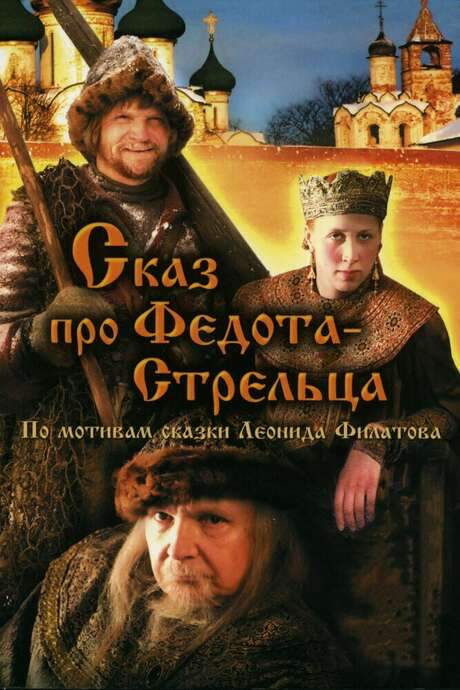
The Tale of Fedot, the Shooter is a 2002 fantasy comedy directed by Sergey Ovcharov, starring Konstantin Vorobyov as Fedot, Andrey Myagkov and Sergei Parshin. It runs 1 hour 42 minutes and earned $2.6 million worldwide.
- Released
- Runtime
- 1h 42m (102 min)
- Director
- Sergey Ovcharov
- Original language
-
 Russian
 - Studio
- CTB Film Company
- After the credits
- No No extra scene
What Is The Tale of Fedot, the Shooter About?
The premise of The Tale of Fedot, the Shooter without spoilers. The whole story is in the plot summary further down.
Sent by the Czar to procure a rare dish for a foreign ambassador, Fedot the Shooter encounters his love, Marusya—a magical bird‑woman, during the hunt. The Czar, aided by his scheming General and witch Yaga, sets increasingly difficult tasks to thwart Fedot and claim Marusya for the palace. With Marusya’s aid, Fedot overcomes each challenge.
The Tale of Fedot, the Shooter Themes & Keywords
· 1 tag- based on book
The Tale of Fedot, the Shooter Cast & Characters
Konstantin Vorobyov leads the cast as Fedot, with Andrey Myagkov as Czar and Sergei Parshin as Scotish ambassador. Directed by Sergey Ovcharov; 34 actors are credited in all.
- Director Sergey Ovcharov
- Konstantin Vorobyov as Fedot
- Andrey Myagkov as Czar
- Sergei Parshin as Scotish ambassador
- Erik Keniya as eastern ambassador
Also Starring in The Tale of Fedot, the Shooter
· 30 more- Vladimir Gostyukhin General
- Olga Volkova Yaga
- Kirill Ulyanov Tit Kuzmich
- Elena Gabets nanny
- Svetlana Gaytan Gamayun-Bird
- Galina Kuznetsova Sirin-Bird
- Yuriy Galtsev Spanish ambassador
- Gali Abaydulov Japanese ambassador
- Arkadiy Koval German ambassador
- Nadezhda Zharikova Firebird
- Viktor Sukhorukov The-Thing-That-Can-Not-Be
- Sergey Dreyden Victim
- Artur Vakha
- Yakov Petrov
- Dmitriy Sutyrin
- Valeriy Prokhorov shepherd
Show all 34 cast members Show fewer cast members
The Tale of Fedot, the Shooter Plot Summary
What happens in The Tale of Fedot, the Shooter from start to finish, spoilers included, with a timeline of 14 key events. The opening is below; the full summary is a 5-minute read.
Spoilers ahead
Based on the folk tale Go I Know Not Whither and Fetch I Know Not What, this film reimagines a classic Russian legend as a rich, magical tapestry of loyalty, cunning, and community resilience. Fedot, Fedot, a dutiful strelets at the Tsar’s court, earns his keep as the royal hunter, but a simple request from the Tsar—to supply game for a dinner with a visiting English envoy—turns into a test of wit and fate. When a dove turns from a mere bird into a beautiful woman—Marusya, though the world would call her a bride—Fedot’s life changes in an instant. Marusya, wielding hidden talents, refuses to let the Tsar cheat a loyal husband and uses her magic to safeguard their love.
Full summary
The whole story of The Tale of Fedot, the Shooter, scene by scene
The Tale of Fedot, the Shooter Box Office
The Tale of Fedot, the Shooter grossed $2.6 million worldwide.
Worldwide gross
$2.6M
- International
- $2.6M
How Well Do You Know The Tale of Fedot, the Shooter?
9 questions about the story, each with a hint if you get stuck. Pick an answer to see whether you were right.
Question 1 of 9
- Question 1: not answered
- Question 2: not answered
- Question 3: not answered
- Question 4: not answered
- Question 5: not answered
- Question 6: not answered
- Question 7: not answered
- Question 8: not answered
- Question 9: not answered
What is Fedot's official role at the Tsar's court?
The Tale of Fedot, the Shooter Also Known As
2 alternative titles: “Сказ про Федота-Стрельца” and “士兵非多特的故事”.
- Also known as
-
- Сказ про Федота-Стрельца
- 士兵非多特的故事
Seen The Tale of Fedot, the Shooter?
Movies Like The Tale of Fedot, the Shooter
Films with a similar story, tone or audience, including The Tale of Tsar Saltan, The Tale of Tsar Saltan and My Tender and Affectionate Beast.
-
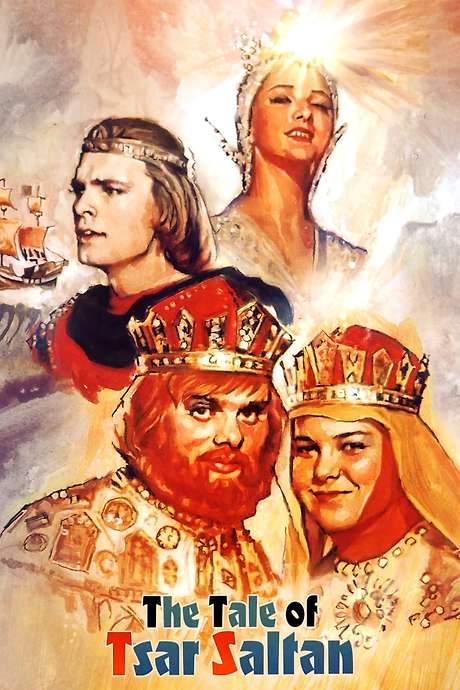 The Tale of Tsar Saltan 1967
 -
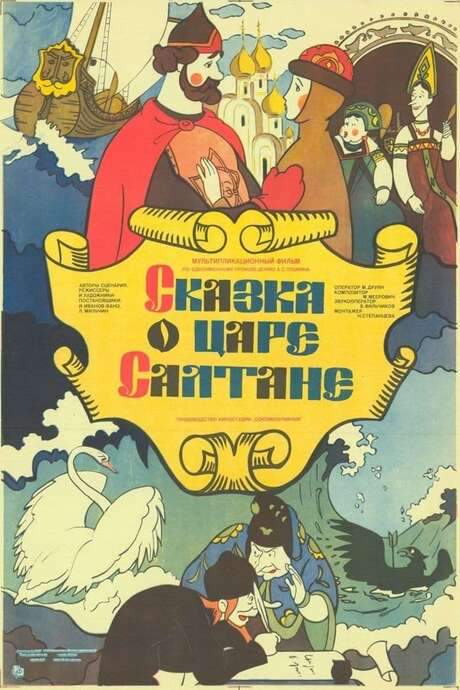 The Tale of Tsar Saltan 1984
 -
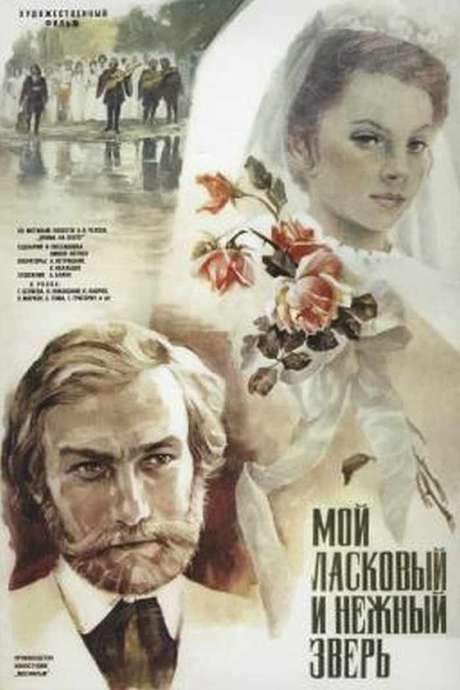 My Tender and Affectionate Beast 1978
 -
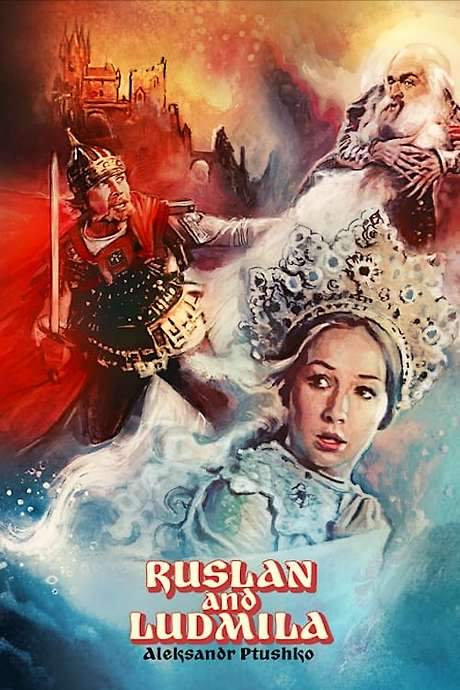 Ruslan and Ludmila 1972
 -
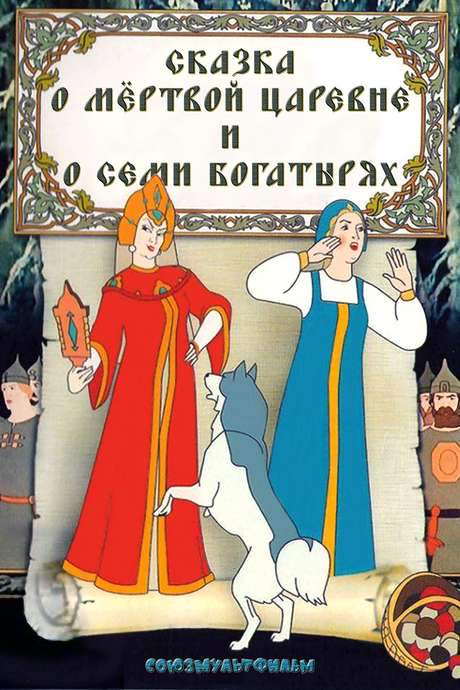 The Tale of the Dead Princess and the Seven Knights 1951
 -
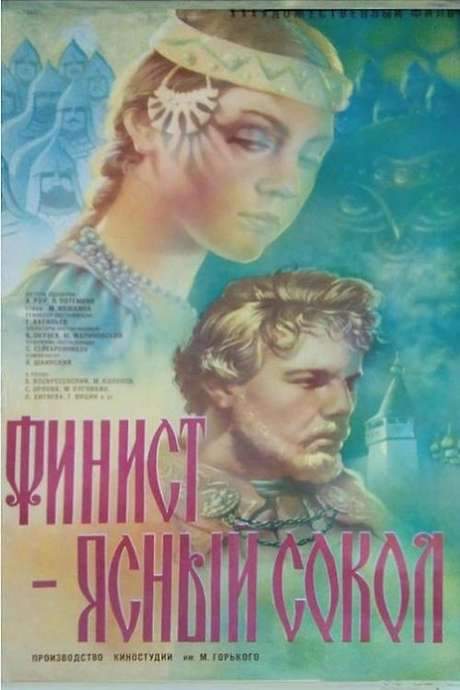 Finest, the Brave Falcon 1975
 -
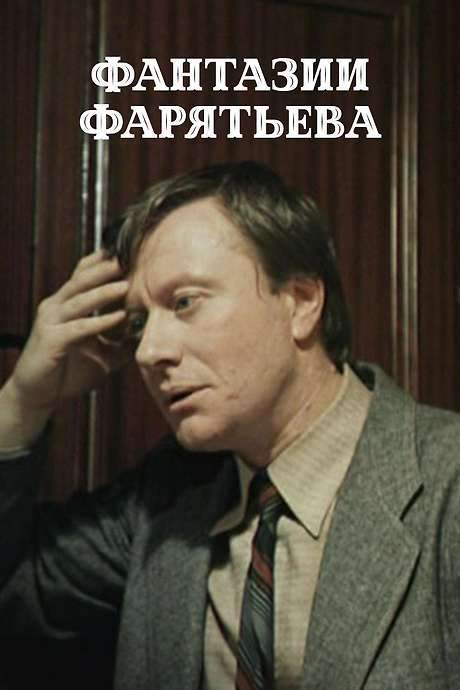 Faratyev’s Fantasies 1979
 -
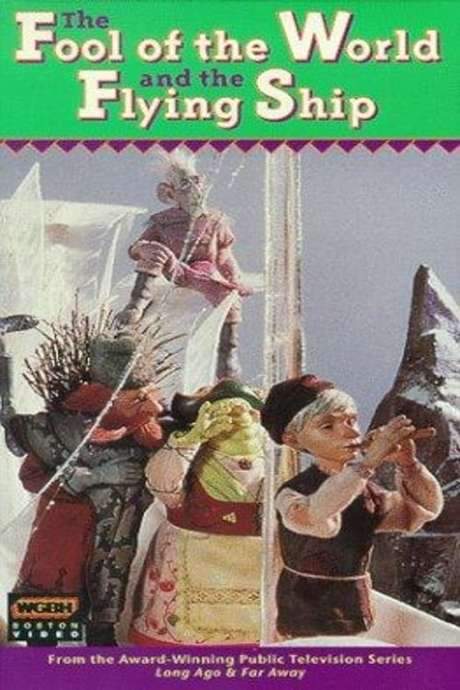 The Fool of the World and the Flying Ship 1990
 -
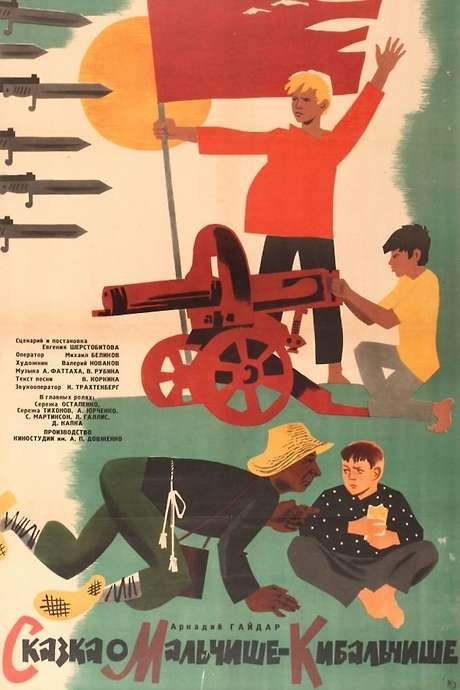 The Tale of Malchish-Kibalchish 1965
 -
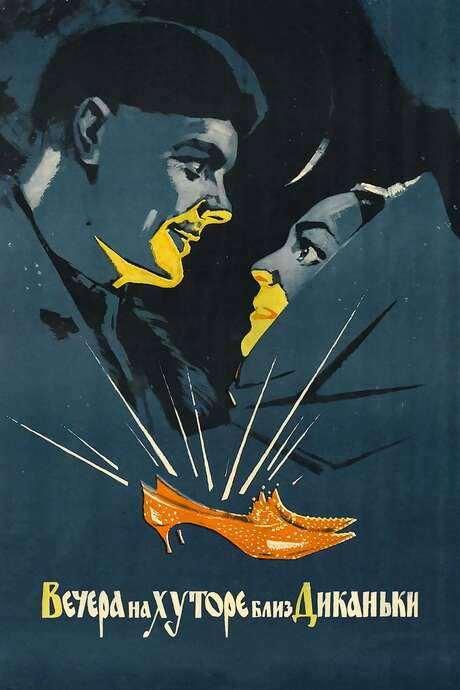 Evenings on a Farm near Dikanka 1961
 -
 Wish upon a Pike 1938
 -
 Tale for Natasha 1986
The Tale of Fedot, the Shooter FAQ: Cast & Box Office
Runtime, release date, director, cast, box office, post-credit scenes and language of The Tale of Fedot, the Shooter, each answered in a sentence.
How long is The Tale of Fedot, the Shooter?
The Tale of Fedot, the Shooter runs 1 hour 42 minutes (102 minutes).
When was The Tale of Fedot, the Shooter released?
The Tale of Fedot, the Shooter was released on June 6, 2002.
Who directed The Tale of Fedot, the Shooter?
The Tale of Fedot, the Shooter was directed by Sergey Ovcharov.
More films by Sergey Ovcharov Who is in the cast of The Tale of Fedot, the Shooter?
The Tale of Fedot, the Shooter stars Konstantin Vorobyov as Fedot, Andrey Myagkov as Czar and Sergei Parshin as Scotish ambassador, among 34 credited actors.
How much did The Tale of Fedot, the Shooter make at the box office?
The Tale of Fedot, the Shooter grossed $2.6 million worldwide.
Does The Tale of Fedot, the Shooter have a post-credit scene?
No. The Tale of Fedot, the Shooter has no extra scene during or after the credits.
What language is The Tale of Fedot, the Shooter in?
The original language of The Tale of Fedot, the Shooter is Russian.
Coming soon to your phone
The Plot Explained Movie Summary App
From blockbusters to hidden gems: plot summaries, endings explained and timelines on your phone. Save your favorites and never miss a twist again.
Be the first to know when it launches. Your email stays private, always. Learn more about the app
