The Scarlet and the Black 1983



Gregory Peck portrays Father Hugh O’Flaherty, a Vatican priest who during 1943‑45 shelters downed Allied pilots, escaped POWs and Italian resistance families. He builds a network that ferries thousands to safety, operating under the Gestapo’s gaze, prompting the Nazis to plot his assassination the moment he leaves the Vatican, risking his own life.


Does The Scarlet and the Black have end credit scenes?
No!
The Scarlet and the Black does not have end credit scenes. You can leave when the credits roll.
Where to Watch The Scarlet and the Black
See current US streaming, rental, and purchase options for The Scarlet and the Black (1983) via JustWatch.

Amazon Prime Video
HD
Amazon Prime Video with Ads
HD
fuboTV
HD
Philo
HD
Shout! Factory Amazon Channel
SD
Fawesome
HDProvider 1898
HD
Amazon Prime Video Free with Ads
HD
Plex
HD
Plex Channel
HD
Shout! Factory TV
HD
Tubi TV
SD
YouTube Free
HD
Amazon Video
SD Streaming availability powered by 
Meet the Full Cast and Actors of The Scarlet and the Black
Explore the complete cast of The Scarlet and the Black, including both lead and supporting actors. Learn who plays each character, discover their past roles and achievements, and find out what makes this ensemble cast stand out in the world of film and television.

John Gielgud
Pope Pius XII
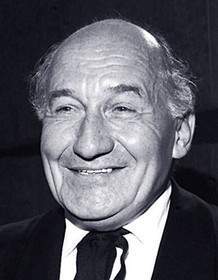
Walter Gotell
Gen. Max Helm

Gregory Peck
Monsignor Hugh O'Flaherty

Kenneth Colley
Capt. Hirsch

Christopher Plummer
Col. Herbert Kappler

Raf Vallone
Father Vittorio

Vernon Dobtcheff
Count Langenthal
Edmund Purdom
Michael Byrne
Reinhard Beck
John Terry
Lt. Jack Manning
Barbara Bouchet
Minna Kappler
Olga Karlatos
Francesca Lombardo
Fabiana Udenio
Guila Lombardo
Peter Burton
Sir D'Arcy Osborne
Mark Lewis
Billy Boyle
Paddy
Remo Remotti
Rabbi Leoni
T. P. McKenna
Himmler
Angelo Infanti
Father Morosini
William Berger
Julian Holloway
Alfred West
Marne Maitland
Papal Secretary
Cariddi Nardulli
Itaco Nardulli
Giovanni Crippa
Phillip Hatton
Lt. Harry Barnett
Gabriella D'Olive
External Links and Streaming Options
Discover where to watch The Scarlet and the Black online, including streaming platforms, rental options, and official sources. Compare reviews, ratings, and in-depth movie information across sites like IMDb, TMDb, Wikipedia or JustWatch.





Take the Ultimate The Scarlet and the Black Movie Quiz
Challenge your knowledge of The Scarlet and the Black with this fun and interactive movie quiz. Test yourself on key plot points, iconic characters, hidden details, and memorable moments to see how well you really know the film.
The Scarlet and the Black Quiz: Test your knowledge of the 1983 film *The Scarlet and the Black*, its characters, plot twists, and historical aftermath.
Which actor portrayed Monsignor Hugh O'Flaherty?
Full Plot Summary and Ending Explained for The Scarlet and the Black
Read the complete plot summary of The Scarlet and the Black, including all major events, twists, and the full ending explained in detail. Explore key characters, themes, hidden meanings, and everything you need to understand the story from beginning to end.
In September 1943, Rome lies under German occupation after Italy surrenders to the Allies, and the Vatican becomes a fragile buffer between conquerors and the city’s civilians. From the Vatican’s windows, the Pope John Gielgud watches as the occupiers flirt with sovereignty in a startling way: the suggestion of painting a white line across St. Peter’s Square to delineate Vatican limits. The Pope does not voice a protest, but the moment he notices the line has already begun, a quiet symbol of the Vatican’s precarious independence is etched into the city’s daily life.
Opposing the crumbling order is Monsignor Hugh O’Flaherty [Gregory Peck], an Irish-born priest who uses the moral authority of the Church to mount a discreet, life-saving network. He builds an underground operation that shelters escaped POWs, Jews, and refugees, guiding them toward safe havens and escape routes within and around Rome. O’Flaherty’s work is far from solo; he relies on a committed circle that includes Francesca Lombardo [Olga Karlatos], a widowed local who becomes a steady ally, and her daughter Guila Lombardo [Fabiana Udenio], whose youth and courage help camouflage the group’s activities. The Vatican’s own diplomats and clergy also provide cover, creating a web of protection that reaches into government buildings, monasteries, and family homes.
Yet the network faces relentless pressure from Colonel Herbert Kappler [Christopher Plummer], the SS Head of Police in Rome, who interprets neutrality as weakness and intelligence as a threat to his control. Kappler’s pursuit is methodical and brutal: he uses threats, intimidation, and coercive promises to try to force Rome’s Jews, POWs, and dissidents back into the hands of the Nazis. He pushes for drastic measures and grows increasingly frustrated as O’Flaherty’s clever disguises, careful planning, and audacious small wins chip away at his authority. Kappler’s wife, Minna Kappler [Barbara Bouchet], and others outside the immediate circle also become casualties of his aggressive campaign as the city’s tensions rise.
The Nazis set up a Jewish council in Rome to act as mediators, demanding sops in gold and currency in exchange for “protection.” O’Flaherty refuses to abandon principle and comes up with a bold counterproposal: he offers enough gold and money to fulfill the Nazis’ demands, but with strings attached that ultimately reveal the hollowness of the Nazis’ promises. The plan tests the limits of Vatican neutrality, and Kappler double-crosses the arrangement, deporting Jews to camps he claimed did not exist. The resulting momentum pushes O’Flaherty to improvise again and again, using courage, careful planning, and a deep faith that refuses to abandon those who have nothing left to lose.
The resistance is not without setbacks. Kappler’s efforts to crush the network intensify, and several of O’Flaherty’s friends are arrested or killed, including Father Morosini [Angelo Infanti], whose faith and sacrifice underscore the cost of this perilous mission. Kappler’s vendetta grows personal, especially after an assassination attempt on O’Flaherty nearly succeeds, a failed strike that is thwarted by the monsignor’s boxing skills and quick reflexes. The danger also touches the circle through a security breach: an American soldier named Jack, Lt. Jack Manning [John Terry], is captured by the Nazis and his code book is seized, threatening to unravel months of careful concealment and rescue work.
In a tense scramble to avert disaster, O’Flaherty engineers a daring ruse to free Jack. He convinces Kappler to autograph a release for the prisoner, then uses that signature to forge a release form that allows Jack to slip away. The rescue operation regroups, and the network adapts with renewed resolve, determined to protect as many lives as possible in a city under siege from both internal and external enemies. The team’s ingenuity—disguises, code words, safe houses, and rapid evacuations—continues to save lives even as the German grip tightens.
As the Allies land in Italy and begin to press north toward Rome, the city’s fortunes slowly swing in favor of liberation. Kappler, meanwhile, grows more anxious about his family’s safety and appeals to O’Flaherty for mercy, asking him to intervene on their behalf. The monsignor’s response is blunt and principled: mercy must be earned, not granted as a mere courtesy, and he refuses to offer forgiveness without repentance. He departs with a moral warning that Schmerz and guilt must be faced, a moment that crystallizes the film’s central conflict between mercy and justice.
When Rome finally enters a new chapter of freedom in June 1944, the people celebrate, and the lovers at the heart of the story—Jack and Guila—announce their engagement, a quiet symbol of renewed life amid years of peril. The victory is tempered by the knowledge that many did not survive, a truth acknowledged in the film’s somber end. Kappler is captured in 1945 and interrogated by the Allies, where he discovers that his wife and children were smuggled to Switzerland with the help of those he once tried to destroy. When pressed about who helped them, Kappler quietly concedes that he does not know.
The film closes with a reflective epilogue: O’Flaherty receives decorations from several Allied governments for his wartime bravery and humanitarian work. Kappler is sentenced to life imprisonment, and his monthly visits from O’Flaherty become a stark reminder of the man he once was and the mercy a single priest—standing at the intersection of faith and justice—chooses to extend. In a final, poignant turn, Kappler converts to Catholicism and is baptized in 1959, a gesture that offers a bittersweet coda to a story of risk, resilience, and restraint in the face of overwhelming cruelty.

Coming soon on iOS and Android
The Plot Explained Mobile App
From blockbusters to hidden gems — dive into movie stories anytime, anywhere. Save your favorites, discover plots faster, and never miss a twist again.
Sign up to be the first to know when we launch. Your email stays private — always.
Explore the mobile appDiscover Film Music Concerts Near You – Live Orchestras Performing Iconic Movie Soundtracks
Immerse yourself in the magic of cinema with live orchestral performances of your favorite film scores. From sweeping Hollywood blockbusters and animated classics to epic fantasy soundtracks, our curated listings connect you to upcoming film music events worldwide.
Explore concert film screenings paired with full orchestra concerts, read detailed event information, and secure your tickets for unforgettable evenings celebrating legendary composers like John Williams, Hans Zimmer, and more.


The Scarlet and the Black Themes and Keywords
Discover the central themes, ideas, and keywords that define the movie’s story, tone, and message. Analyze the film’s deeper meanings, genre influences, and recurring concepts.
The Scarlet and the Black Other Names and Titles
Explore the various alternative titles, translations, and other names used for The Scarlet and the Black across different regions and languages. Understand how the film is marketed and recognized worldwide.
Similar Movies To The Scarlet and the Black You Should Know About
Browse a curated list of movies similar in genre, tone, characters, or story structure. Discover new titles like the one you're watching, perfect for fans of related plots, vibes, or cinematic styles.



Quick Links: Summary, Cast, Ratings, More

What's After the Movie?
Not sure whether to stay after the credits? Find out!
Check out our other apps:

SAT Sphere
Build confidence for the Digital SAT.

Mori Atlas
Discover wild places worth protecting.

Luntero
Search smarter for a home in Amsterdam.

Plot Explained
Unravel movie endings and hidden clues.

Pokechamp
Dive into Pokémon data and battle logic.

Driving Theory
Get ready for your European theory test.

Movie Dust
Plan your next cinema trip with ease.

Musemap
Find art and culture as you travel.

Selkobase
Compare credentials before committing.

Local Manual
Turn an unfamiliar country into practical next steps.

Lernavi
Compare school systems before your next move.

GymRoam
Find a workout stop wherever your plans take you.
Explore Our Movie Platform
New Movie Releases (2026)
Famous Movie Actors
Top Film Production Studios
Movie Plot Summaries & Endings
Major Movie Awards & Winners
Best Concert Films & Music Documentaries
Movie Collections and Curated Lists
© 2026 What's After the Movie. All rights reserved.
Privacy Policy