The Most Assassinated Woman in the World 2018



Set against the atmospheric backdrop of the Theatre Grand Guignol, this film tells the story of Paula Maxa, a celebrated actress and the theatre's most prominent star. Known as "The Most Assassinated Woman," Maxa was famously portrayed as dying onstage repeatedly throughout the day, captivating audiences with her dramatic performances and enduring legacy in the world of theatre.


Does The Most Assassinated Woman in the World have end credit scenes?
No!
The Most Assassinated Woman in the World does not have end credit scenes. You can leave when the credits roll.
Where to Watch The Most Assassinated Woman in the World
See current US streaming, rental, and purchase options for The Most Assassinated Woman in the World (2018) via JustWatch.


Streaming availability powered by 
Meet the Full Cast and Actors of The Most Assassinated Woman in the World
Explore the complete cast of The Most Assassinated Woman in the World, including both lead and supporting actors. Learn who plays each character, discover their past roles and achievements, and find out what makes this ensemble cast stand out in the world of film and television.

Anna Mouglalis
Paula Maxa

Christian Crahay
Dupuis
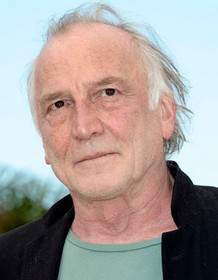
André Wilms
Eugène
Michel Fau
André
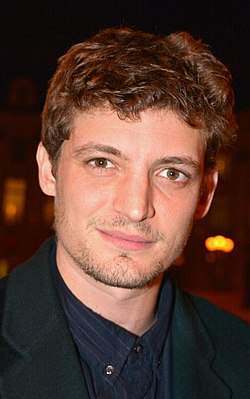
Niels Schneider
Jean
Renaud Rutten
Louis
Constance Dollé
Violette
Pierre Nisse
Le Guichetier
Éric Godon
Georges
Jean-Jacques Rausin
Alexandre
Sissi Duparc
Rose
Philippe Legros
Régisseur théâtre
Jean-Michel Balthazar
Paul
André Pasquasy
Homme de main
Julie Recoing
Julie
Maya Coline
Aimée
Vérane Frédiani
Sylviane
Keren Ann
Selma Alaoui
External Links and Streaming Options
Discover where to watch The Most Assassinated Woman in the World online, including streaming platforms, rental options, and official sources. Compare reviews, ratings, and in-depth movie information across sites like IMDb, TMDb, Wikipedia or Rotten Tomatoes.





Take the Ultimate The Most Assassinated Woman in the World Movie Quiz
Challenge your knowledge of The Most Assassinated Woman in the World with this fun and interactive movie quiz. Test yourself on key plot points, iconic characters, hidden details, and memorable moments to see how well you really know the film.
The Most Assassinated Woman in the World Quiz: Test your knowledge of the 2018 film "The Most Assassinated Woman in the World" with these ten questions ranging from easy to difficult.
What profession does Paula Maxa have?
Full Plot Summary and Ending Explained for The Most Assassinated Woman in the World
Read the complete plot summary of The Most Assassinated Woman in the World, including all major events, twists, and the full ending explained in detail. Explore key characters, themes, hidden meanings, and everything you need to understand the story from beginning to end.
In the early 1930s, Paula Maxa is one of the leading performers at the Grand Guignol Theatre in Paris, a place famous for its gruesome, highly realistic stage deaths. Paula, often described as the “most assassinated woman in the world,” has built a legendary persona around the onstage visions of death that have dazzled and unsettled audiences for years. The theatre itself is run by a theatrical director known for pushing the limits of gore and spectacle, a figure whose name becomes synonymous with the macabre world behind the curtain.
A reporter from Le Petit Journal, a man simply known as Jean in the story, is tasked with delivering a pointed critique of Maxa’s work. On a night like many others, he is approached by one of Paula’s costars with a bouquet meant for the star, allegedly sent by a devoted admirer. When he reaches Paula’s dressing room, she dismisses the flowers and the note tucked among them, which speaks of a fan who adores her stage deaths and longs to murder her in real life. The note, signed with a single initial, hints at a dangerous intimacy between fiction and reality that will blur as the night unfolds.
The plot thickens when an unnamed man slips into Paula’s dressing room and steals the postcard from her mirror. The next morning, Paula awakens from a nightmare to find a recurring figure: a masked man with a cane, appearing first in a seaside café and later in a vision of a pale girl in a bathtub playing with dolls. Paula is troubled and medicates herself, while the journalist Jean arrives with a self-inflicted wound on his hip, a reminder that his own story is becoming dangerous. His editor and boss reveal that a string of recent murders in town seems to echo the onstage killings, fueling the theory that killers are drawing inspiration from the theatre’s fictional atrocities. Despite the danger, Jean presses on and even asks Paula out for a date.
Paula receives a new dress for her upcoming performance, along with a chilling note that reads, “This is the end, I am going to kill you one final time!” The next evening, as Paula prepares for a date, the same stranger returns to her life, invading the dressing room once more. He explains a dark arrangement: he provides living bodies to a special effects expert for use on stage, and in return, he is allowed to marvel at Paula. He has come to fulfill his grim promise to kill her.
As the night of the date arrives, Paula and Jean grow closer, but the past refuses to stay behind. Paula reveals the trauma of her adolescence: her younger sister Aimée ran away to pursue acting, and Paula describes a brutal assault by a man named Jean, who beat her while attempting to rape her sister. In Paula’s account, Aimée’s life ended in the dunes with her throat slit, and Paula carries the guilt of not saving them or catching the killer before the police claimed the suspect had killed himself. The fear she feels—the sound of a cane tapping in the night—still accompanies her walks home.
Meanwhile, a woman named Violette is introduced at a bar, flirting with the same man from Paula’s dressing room. She goes back to his apartment, but the encounter ends in tragedy as the man slashes her throat. The next morning, the theatre’s effects designer, known simply as Paul, reluctantly retrieves Violette’s body from the killer and resumes his grisly duties behind the scenes.
Jean’s investigation intensifies when a coworker at Le Petit Journal reveals more about Paula’s past: a brutal rape connected to a man named Jean De Lancry, who also killed Paula’s sister. As the clues converge, Jean recalls a fan he met at the theatre—an ominous figure named Eugène—whose existence ties together the threats Paula has faced and the murders tearing through the town. The sense of danger tightens around the theatre, and Paula’s fate seems increasingly bound to the violence that surrounds her.
The director of the theatre, André, and the other powers that govern the venue tighten their grip, making clear that Paula is “the property” of the stage and its people. Jean, in a bid to secure his own future, bargains with his editor for months of salary and two tickets to Los Angeles in exchange for finishing his story. He hurries back to the theatre to rescue Paula, only to be confronted by the jealous husband who now seeks to destroy him. Paula steps into a new, deadly moment on stage, unaware that she is walking into a trap.
As the performance begins, the stage is set to appear as though Paula’s throat is to be sliced, using the elaborate effects crafted by Paul. At the last moment, the real killer—Jean De Lancry—steps forward and uses a real knife to deliver the fatal blow. The audience cheers at first, thinking it’s art, but the blood soon reveals the horror, sending the crowd into panic. In a cruel twist, Paul swaps Paula’s corpse with Violette’s “dead” body, and he is arrested for Paula Maxa’s murder, while the theatre closes its doors.
In death, Paula is laid to rest with her tomb bearing the body of Violette inside, while Paula herself appears alive in the cemetery, still haunted by visions of the man with the cane. She calls out for Jean to join her in a car, and the man who seemed to be dead reappears pale and smiling, a final reminder that the line between performance and reality has collapsed. Paula ultimately leaves in a car driven by Paul, leaving Jean to wander the streets, grieving and disturbed, as he continues to murder women who resemble the actress he cannot forget.
The film closes on a chilling note: the world Paula inhabited—where art, illusion, and real peril collide—persists in the shadows, and the killer’s memory lingers in the streets, echoing the old stage whispers that once named a legend.

Coming soon on iOS and Android
The Plot Explained Mobile App
From blockbusters to hidden gems — dive into movie stories anytime, anywhere. Save your favorites, discover plots faster, and never miss a twist again.
Sign up to be the first to know when we launch. Your email stays private — always.
Explore the mobile appWatch Trailers, Clips & Behind-the-Scenes for The Most Assassinated Woman in the World
Watch official trailers, exclusive clips, cast interviews, and behind-the-scenes footage from The Most Assassinated Woman in the World. Dive deeper into the making of the film, its standout moments, and key production insights.
The Most Assassinated Woman in the World Other Names and Titles
Explore the various alternative titles, translations, and other names used for The Most Assassinated Woman in the World across different regions and languages. Understand how the film is marketed and recognized worldwide.
Quick Links: Summary, Cast, Ratings, More

What's After the Movie?
Not sure whether to stay after the credits? Find out!
Check out our other apps:

SAT Sphere
Build confidence for the Digital SAT.

Mori Atlas
Discover wild places worth protecting.

Luntero
Search smarter for a home in Amsterdam.

Plot Explained
Unravel movie endings and hidden clues.

Pokechamp
Dive into Pokémon data and battle logic.

Driving Theory
Get ready for your European theory test.

Movie Dust
Plan your next cinema trip with ease.

Musemap
Find art and culture as you travel.

Selkobase
Compare credentials before committing.

Local Manual
Turn an unfamiliar country into practical next steps.

Lernavi
Compare school systems before your next move.

GymRoam
Find a workout stop wherever your plans take you.
Explore Our Movie Platform
New Movie Releases (2026)
Famous Movie Actors
Top Film Production Studios
Movie Plot Summaries & Endings
Major Movie Awards & Winners
Best Concert Films & Music Documentaries
Movie Collections and Curated Lists
© 2026 What's After the Movie. All rights reserved.
Privacy Policy