The Messenger 2015


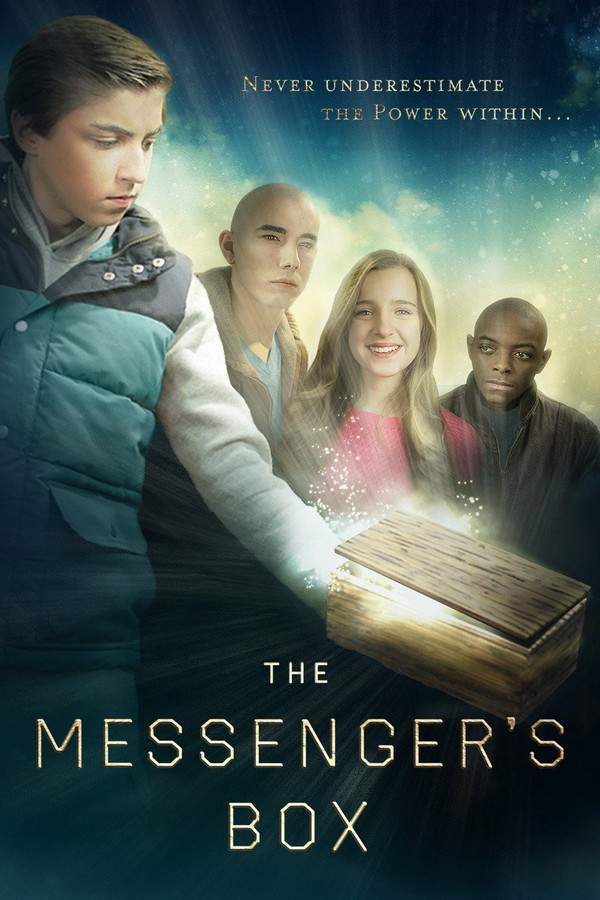
A man struggling with personal turmoil finds an unusual purpose helping the recently deceased communicate with their loved ones. As he assists them in delivering final messages, he is forced to confront his own painful past while grappling with the profound responsibility of connecting the living with those who have passed.


Does The Messenger have end credit scenes?
No!
The Messenger does not have end credit scenes. You can leave when the credits roll.
Where to Watch The Messenger
See current US streaming, rental, and purchase options for The Messenger (2015) via JustWatch.

Kanopy
HD
Tubi TV
SD
Fandango At Home
SD
YouTube
SD Streaming availability powered by 
Meet the Full Cast and Actors of The Messenger
Explore the complete cast of The Messenger, including both lead and supporting actors. Learn who plays each character, discover their past roles and achievements, and find out what makes this ensemble cast stand out in the world of film and television.
No actors found
External Links and Streaming Options
Discover where to watch The Messenger online, including streaming platforms, rental options, and official sources. Compare reviews, ratings, and in-depth movie information across sites like IMDb, TMDb, Wikipedia or Rotten Tomatoes.












Ratings and Reviews for The Messenger
See how The Messenger is rated across major platforms like IMDb, Metacritic, and TMDb. Compare audience scores and critic reviews to understand where The Messenger stands among top-rated movies in its genre.

76
Metascore
tbd
User Score


90%
TOMATOMETER

75%
User Score

5.2 /10
IMDb Rating

48
%
User Score

3.0
From 1 fan rating

3.29/5
From 7 fan ratings
Take the Ultimate The Messenger Movie Quiz
Challenge your knowledge of The Messenger with this fun and interactive movie quiz. Test yourself on key plot points, iconic characters, hidden details, and memorable moments to see how well you really know the film.
The Messenger (2015) Quiz: Test your knowledge of the 2015 supernatural drama *The Messenger* with these ten varied-difficulty questions.
What tragic event triggers Jack's ability to see and speak with unsettled souls?
Full Plot Summary and Ending Explained for The Messenger
Read the complete plot summary of The Messenger, including all major events, twists, and the full ending explained in detail. Explore key characters, themes, hidden meanings, and everything you need to understand the story from beginning to end.
After his father’s death by suicide, Jack discovers a unsettling gift: the ability to see and speak with souls who have not yet “gone into the light.” These wandering voices begin to press him into a grim vocation—becoming their Messenger, delivering their final words to the living. Each time Jack speaks, the results are rarely pretty. He tells the truth, but the honesty often wounds the living, leading to outraged family members at funerals, or even retaliation and violence against him. He makes it clear that his motive isn’t some quiet heroism; it’s a desperate attempt to shed the torment of the souls who haunt him. Yet the more he tries to wash his hands of the job, the more the spirits cling, until the toll—physical, emotional, and social—becomes nearly unbearable.
Through jagged, interlaced flashbacks, we learn that Jack’s early life was shadowed by instability. As a child he drifted in and out of psychiatric clinics and hospitals, and as an adult he often skips his prescribed medications, preferring to numb the ache with alcohol. These past and present struggles frame his fragile psyche, and they complicate how others read his abilities. Among the people who come to rely on him is Mark, a high-profile reporter whose own life is cut short under suspicious circumstances. Mark explains that his death was staged as a suicide after being attacked by hooded figures, and he reveals a crucial, troubling detail: he knows about the baby Sarah carries, the child that isn’t his. Mark asks Jack to reach out to Sarah and bid him farewell, pressing him to deliver a message that could alter the course of a fragile family. This revelation intensifies Jack’s inner conflict and destabilizes his already precarious grip on reality.
The crisis deepens when Jack is arrested after Sarah, overwhelmed by grief and fear, calls the police. In custody, he meets with a psychiatrist who urges him to retell his story and confront the roots of his visions. As Jack revisits the pattern of pain—how his father’s death shaped his own bitterness and how his mother became a focal point for that anger—he begins to see a potential path to healing. The portrait of his father shifts: it isn’t a simple tale of parental tragedy, but a man wrestling with anger that was projected outward. Just as Jack starts to accept help, Mark returns with a pressing demand: he must help Sarah, who is teetering on the edge of suicide by overdose. Jack’s initial resistance melts under the weight of the moment, and he eventually delivers a desperate plea for intervention, screaming for help to come now. The emergency response arrives, saving Sarah’s life, and Jack is sedated as the crisis is arrested.
Although the psychiatrist remains skeptical about the reality of Jack’s powers, other figures—notably a constable and Jack’s sister Emma—grow to believe that there is something genuine about what Jack experiences. This shift in belief marks a turning point, as the family begins to treat Jack’s abilities not as madness alone but as part of a broader, if mysterious, force at work in their world. Emma, in a tender gesture that hints at reconciliation with the past, brings Jack a crystallized bug globe—a small keepsake of their father—an object that grounds him and helps him start to let go. In this moment, Jack begins to move toward a place of acceptance and healing, implying a future where he can coexist with the memories that haunt him.
Meanwhile, a new thread enters the story: Jack’s nephew Billy. Like his uncle, Billy possesses the gift of seeing lost souls, yet he has kept this burden largely to himself. Billy confesses that he is haunted by the ghost of a boy who drowned in his family’s pool, a memory that foreshadows danger and a troubling connection to the past. The narrative closes on a chilling note: Billy reappears alongside the phantom child, while Emma uncovers a newspaper clipping that documents a death connected to the swimming pool at their home. The juxtaposition of present and past, of spectral visitors and tangible danger, leaves the family aware that the supernatural and the real-world consequences of grief are never truly separate.
In the end, the story stays true to its core through a steady, empathetic gaze at loss, memory, and the uneasy peace that can come from facing what we refuse to let go. Jack’s journey is less about triumph over the dead than about learning to live with their whispers, to seek help when the weight becomes too heavy, and to recognize that even in darkness, there can be a path toward connection, responsibility, and a chance to mend the broken pieces of a family.

Coming soon on iOS and Android
The Plot Explained Mobile App
From blockbusters to hidden gems — dive into movie stories anytime, anywhere. Save your favorites, discover plots faster, and never miss a twist again.
Sign up to be the first to know when we launch. Your email stays private — always.
Explore the mobile appWatch Trailers, Clips & Behind-the-Scenes for The Messenger
Watch official trailers, exclusive clips, cast interviews, and behind-the-scenes footage from The Messenger. Dive deeper into the making of the film, its standout moments, and key production insights.
Cars Featured in The Messenger
Explore all cars featured in The Messenger, including their makes, models, scenes they appear in, and their significance to the plot. A must-read for car enthusiasts and movie buffs alike.
The Messenger Themes and Keywords
Discover the central themes, ideas, and keywords that define the movie’s story, tone, and message. Analyze the film’s deeper meanings, genre influences, and recurring concepts.
The Messenger Other Names and Titles
Explore the various alternative titles, translations, and other names used for The Messenger across different regions and languages. Understand how the film is marketed and recognized worldwide.
Similar Movies To The Messenger You Should Know About
Browse a curated list of movies similar in genre, tone, characters, or story structure. Discover new titles like the one you're watching, perfect for fans of related plots, vibes, or cinematic styles.









Quick Links: Summary, Cast, Ratings, More

What's After the Movie?
Not sure whether to stay after the credits? Find out!
Check out our other apps:

SAT Sphere
Build confidence for the Digital SAT.

Mori Atlas
Discover wild places worth protecting.

Luntero
Search smarter for a home in Amsterdam.

Plot Explained
Unravel movie endings and hidden clues.

Pokechamp
Dive into Pokémon data and battle logic.

Driving Theory
Get ready for your European theory test.

Movie Dust
Plan your next cinema trip with ease.

Musemap
Find art and culture as you travel.

Selkobase
Compare credentials before committing.

Local Manual
Turn an unfamiliar country into practical next steps.

Lernavi
Compare school systems before your next move.

GymRoam
Find a workout stop wherever your plans take you.
Explore Our Movie Platform
New Movie Releases (2026)
Famous Movie Actors
Top Film Production Studios
Movie Plot Summaries & Endings
Major Movie Awards & Winners
Best Concert Films & Music Documentaries
Movie Collections and Curated Lists
© 2026 What's After the Movie. All rights reserved.
Privacy Policy