The Last Man to Hang 1956


The Love Triangle that Became a Circle …of Rope! A man is tried for the murder of his neurotic wife by means of a sedative overdose.


Does The Last Man to Hang have end credit scenes?
No!
The Last Man to Hang does not have end credit scenes. You can leave when the credits roll.
Meet the Full Cast and Actors of The Last Man to Hang
Explore the complete cast of The Last Man to Hang, including both lead and supporting actors. Learn who plays each character, discover their past roles and achievements, and find out what makes this ensemble cast stand out in the world of film and television.
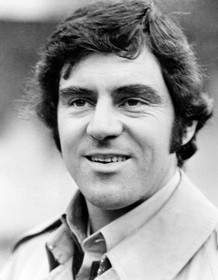
Anthony Newley
Cyril Gaskin

Elizabeth Sellars
Daphne Strood
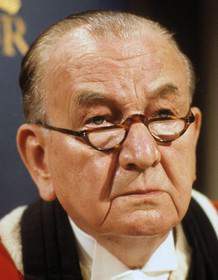
Raymond Huntley
Attorney General
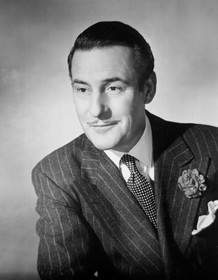
Tom Conway
Sir Roderick Strood

Thomas Heathcote
Bracket
Harold Goodwin
Cheed
Bill Shine
Underhay
Eunice Gayson
Elizabeth Anders
Gillian Lynne
Gaskin's Girl
Joan Hickson
Mrs. Prynne
Shelagh Fraser
Mrs. Bracket
Conrad Phillips
Dr. Mason
Margaretta Scott
Mrs. Cranshaw
Jack Lambert
Major Forth
Tony Quinn
Nywood
David Horne
Antony Harcombe, Q.C.
Walter Hudd
The Judge
Freda Jackson
Mrs. Tucker
Victor Maddern
Bonaker
Martin Boddey
Detective Sgt. Horne
Harold Siddons
Cheed's Doctor
John Warren
Passport Official
Charles Lloyd Pack
Frognal
Hal Osmond
Coates
Hugh Latimer
Mark Perryman
Ronald Simpson
Dr. Cartwright
Leslie Weston
Bayfield
Maya Koumani
Cheed's Nurse
Sheila Manahan
Senior Sister
Michael McKeag
Ernie Bayfield
Russell Napier
Detective Sgt. Bolton
Joan Newell
Mrs. Iseley
Olive Sloane
Mrs. Bayfield
John Stuart
Magistrate
Anna Turner
Lucy Prynne
Rosamund Waring
Nurse Tomkins
External Links and Streaming Options
Discover where to watch The Last Man to Hang online, including streaming platforms, rental options, and official sources. Compare reviews, ratings, and in-depth movie information across sites like IMDb, TMDb, Wikipedia or Letterboxd.





Take the Ultimate The Last Man to Hang Movie Quiz
Challenge your knowledge of The Last Man to Hang with this fun and interactive movie quiz. Test yourself on key plot points, iconic characters, hidden details, and memorable moments to see how well you really know the film.
The Last Man to Hang (1956) Quiz: Test your knowledge of the 1956 drama *The Last Man to Hang*, focusing on its characters, plot twists, and courtroom drama.
Who is the music critic at the center of the story?
Full Plot Summary and Ending Explained for The Last Man to Hang
Read the complete plot summary of The Last Man to Hang, including all major events, twists, and the full ending explained in detail. Explore key characters, themes, hidden meanings, and everything you need to understand the story from beginning to end.
Music critic Sir Roderick Strood is at the center of a multifaceted melodrama, entangled in an affair with the alluring Elizabeth Anders, a gifted singer whose voice hides a deeper conflict. Set against a foggy, postwar atmosphere, the story unfolds with a blend of flashbacks and present-day events that interrogate desire, loyalty, and the price of passion. As the relationship between the critic and the singer intensifies, Daphne Strood, Sir Roderick’s wife, stands firm in her refusal to grant a divorce, staging a dramatic test of endurance that will pull the couple into a maelstrom of doubt and danger.
When Daphne finally makes a drastic choice, she attempts to shoot herself, a moment that appears to seal the rift between husband and wife. Yet the narrative keeps a shrewd, uneasy balance: after what seems like a reconciliation, Daphne urges Sir Roderick to flee the country with the singer, hinting that she may meet him “on the other side.” In a twist of fate, Sir Roderick administers a sedative to his wife, unaware that Mrs. Tucker—the housekeeper—has already dosed her, setting off a chain of deceptive misdirections that will blur the line between accident and murder. The combination of sedatives and misidentified corpses at the hospital foreshadows a puzzle that only a sharp, stubborn jury can untangle.
The story takes a crucial turn at the airport, where Sir Roderick is stopped and declares a chilling, ambiguous admission: >I’ve killed her. This startling line becomes the pivot of a tense trial in which the jury must decide whether the death was intentional murder or a tragic accident, and whether the critic truly bears responsibility for what happened behind closed doors. Throughout the courtroom, the emphasis falls on the semantics of language: the difference between “I killed her” and “I’ve killed her,” and whether Sir Roderick could have heard a warning from Mrs. Tucker through a closed door. The courtroom becomes a stage for a larger debate about culpability, intention, and the moral weight of an act that may have been misinterpreted or exaggerated by circumstance.
The film presents a layered portrayal of justice, drawing parallels to a broader national conversation about capital punishment in the 1950s. A long, meticulous jury room sequence evokes the spirit of classic deliberation, echoing the famous televised juries of the era and inviting viewers to weigh the factual evidence against the subtleties of interpretation. In the end, the jury’s decision hinges not on a single moment of action but on whether the defendant could reasonably have heard a warning and whether the death was truly the result of deliberate intent. The verdict comes back not guilty, a resolution that sets the stage for a second, sharper twist.
Upon returning home, Sir Roderick hopes to reclaim a quiet life, only to discover that Mrs. Tucker, who had fought to see him convicted, now reveals a crucial truth: Daphne is alive. The housekeeper’s ruse unravels as she confesses that her aim was to trap Sir Roderick into admitting his continued love for his wife rather than Elizabeth Anders. With this confession in hand, Mrs. Tucker escorts Sir Roderick to the hidden figure of Daphne, who is concealed in a large country cottage. Outside, the police wait, ready to arrest the housekeeper for perjury while Daphne’s survival redefines everyone’s understanding of what truly happened.
Throughout this intricate tapestry of romance, deception, and legal maneuvering, the tension remains at a high level, driven by sharp dialogue, strategic misdirection, and a moral ambiguity that refuses tidy categorization. The cast’s performances—especially Daphne Strood and Mrs. Tucker—lend a measured, almost procedural gravity to the emotional beats, while the central relationship and its consequences are probed with a cool, analytical eye. The result is a carefully crafted drama that lingers in the viewer’s mind, inviting reflection on language, loyalty, and the fragile boundaries between love and guilt.

Coming soon on iOS and Android
The Plot Explained Mobile App
From blockbusters to hidden gems — dive into movie stories anytime, anywhere. Save your favorites, discover plots faster, and never miss a twist again.
Sign up to be the first to know when we launch. Your email stays private — always.
Explore the mobile appDiscover Film Music Concerts Near You – Live Orchestras Performing Iconic Movie Soundtracks
Immerse yourself in the magic of cinema with live orchestral performances of your favorite film scores. From sweeping Hollywood blockbusters and animated classics to epic fantasy soundtracks, our curated listings connect you to upcoming film music events worldwide.
Explore concert film screenings paired with full orchestra concerts, read detailed event information, and secure your tickets for unforgettable evenings celebrating legendary composers like John Williams, Hans Zimmer, and more.


Cars Featured in The Last Man to Hang
Explore all cars featured in The Last Man to Hang, including their makes, models, scenes they appear in, and their significance to the plot. A must-read for car enthusiasts and movie buffs alike.
The Last Man to Hang Themes and Keywords
Discover the central themes, ideas, and keywords that define the movie’s story, tone, and message. Analyze the film’s deeper meanings, genre influences, and recurring concepts.
The Last Man to Hang Other Names and Titles
Explore the various alternative titles, translations, and other names used for The Last Man to Hang across different regions and languages. Understand how the film is marketed and recognized worldwide.
Similar Movies To The Last Man to Hang You Should Know About
Browse a curated list of movies similar in genre, tone, characters, or story structure. Discover new titles like the one you're watching, perfect for fans of related plots, vibes, or cinematic styles.


Quick Links: Summary, Cast, Ratings, More

What's After the Movie?
Not sure whether to stay after the credits? Find out!
Check out our other apps:

SAT Sphere
Build confidence for the Digital SAT.

Mori Atlas
Discover wild places worth protecting.

Luntero
Search smarter for a home in Amsterdam.

Plot Explained
Unravel movie endings and hidden clues.

Pokechamp
Dive into Pokémon data and battle logic.

Driving Theory
Get ready for your European theory test.

Movie Dust
Plan your next cinema trip with ease.

Musemap
Find art and culture as you travel.

Selkobase
Compare credentials before committing.

Local Manual
Turn an unfamiliar country into practical next steps.

Lernavi
Compare school systems before your next move.

GymRoam
Find a workout stop wherever your plans take you.
Explore Our Movie Platform
New Movie Releases (2026)
Famous Movie Actors
Top Film Production Studios
Movie Plot Summaries & Endings
Major Movie Awards & Winners
Best Concert Films & Music Documentaries
Movie Collections and Curated Lists
© 2026 What's After the Movie. All rights reserved.
Privacy Policy