The Greatest 2010


When a young woman's unexpected pregnancy brings Bennett's family back together, long-held tensions resurface. The Brewers must confront their complicated history as they navigate the challenges of this new situation. Through Rose’s presence and interactions, the family begins a journey of healing, ultimately discovering the strength of love and the possibility of forgiveness in the face of unexpected change.


Does The Greatest have end credit scenes?
No!
The Greatest does not have end credit scenes. You can leave when the credits roll.
Where to Watch The Greatest
See current US streaming, rental, and purchase options for The Greatest (2010) via JustWatch.







Meet the Full Cast and Actors of The Greatest
Explore the complete cast of The Greatest, including both lead and supporting actors. Learn who plays each character, discover their past roles and achievements, and find out what makes this ensemble cast stand out in the world of film and television.
No actors found
External Links and Streaming Options
Discover where to watch The Greatest online, including streaming platforms, rental options, and official sources. Compare reviews, ratings, and in-depth movie information across sites like IMDb, TMDb, Wikipedia or Rotten Tomatoes.











Ratings and Reviews for The Greatest
See how The Greatest is rated across major platforms like IMDb, Metacritic, and TMDb. Compare audience scores and critic reviews to understand where The Greatest stands among top-rated movies in its genre.

45
Metascore
7.0
User Score

62
%
User Score
Full Plot Summary and Ending Explained for The Greatest
Read the complete plot summary of The Greatest, including all major events, twists, and the full ending explained in detail. Explore key characters, themes, hidden meanings, and everything you need to understand the story from beginning to end.
Eighteen-year-old Bennett Brewer and Rose share a first and only sexual encounter, a moment that will be remembered as the calm before a storm. The night ends with tragedy when Bennett’s car—stopped on a quiet road with Bennett behind the wheel—gets struck by a truck, and he is killed. The explosion of grief that follows seems to crack open the family’s everyday life, forcing Grace and Allen to confront a loss that feels too large to bear. The doorbell rings at an already fragile hour, and an unexpected visitor arrives with news that stirs even more upheaval: Rose is standing at their threshold, pregnant with Bennett’s child. The news instantly reshapes the family’s sense of responsibility, guilt, and future, as they suddenly have to reckon with a life that will carry the weight of Bennett’s death.
As the story threads itself through the household, Bennett’s younger brother Ryan steps into the orbit of the crisis. He is still grieving the abrupt departure of his brother and the sense that there was little time to say goodbye. His perspective offers a younger, more unfiltered view of the family’s dynamics as everyone tries to process their loss while continuing to carry the daily duties of life. The house becomes a stage for unspoken resentments and quiet questions: who should carry the burden of Bennett’s absence, who gets to speak for him, and who gets to decide how the family moves forward?
A pivotal and haunting image centers around Grace’s waiting at the bedside of Jordan Walker, the man driving the truck. She waits for him to wake so she can learn what occurred during the 17 minutes between the crash and Bennett’s death. The waiting becomes a way to search for truth, even if the truth is not instantly comforting. When the truth finally emerges, it leaves Grace feeling unsettled and, in some ways, disappointed. The minutes between the crash and death reveal not a simple accident but a sequence of choices and moments that carry weight for everyone involved. Throughout this moment of reckoning, it becomes clear that Bennett’s final act may have been directed not toward his mother, but toward Rose, as he calls out for her safety and for Walker to ensure she is protected.
The family’s attempts to manage the aftermath extend beyond the emotional sphere into practical choices. Allen, striving to maintain some sense of order, hires a cleaner to manage the clutter and chaos that grief has left behind. Grace reacts with fury to what she perceives as the family’s attempt to erase their son’s memory by washing away the physical traces of his life. This friction intensifies until a physical toll is taken: Allen appears to be having a heart attack, a stark image of the way unresolved pain can manifest in the body when sorrow is not adequately acknowledged. Grace, torn between her own rage and a desire to protect her family, shouts and fights to maintain a sense of control, only to soften when hope returns at the hospital. At the bed where Allen lies, Grace’s return from the truth about Bennett’s final minutes is met with a raw, breaking moment. Allen finally allows himself to cry, admitting that he has been holding in all of his grief and regret, convinced that he could have done something to prevent the crash or Bennett’s death.
Meanwhile, Rose’s arrival has not yet run its full course. She overhears Grace muttering that Rose might have died instead of Bennett, a cruel line that stings deeply. In the wake of this, Rose leaves the house to seek the company of her own mother, a step that reveals another layer of family strain: Rose’s mother is driven by money, and her willingness to monetize the situation becomes a source of conflict and disappointment for everyone who loves Bennett. The Brewers’ search for Rose becomes a tangible thread of the plot as they try to bring her back into a space where healing might be possible. They eventually find her—though she is in labor—and persuade her to return to the hospital for care. During the car ride, Rose uses the time to seek out more information about Bennett, hoping to fill in gaps of memory and to understand a life that has suddenly become a public matter rather than a private tragedy.
In the final act, the story centers on the birth and the lasting consequences of Bennett’s life and death. Rose gives birth to a girl named Ruby, a name that resonates with Grace as perhaps the embodiment of a future that Bennett would have wanted. The film closes on a quiet note that echoes with the past: the moment Bennett spoke to Rose earlier on the day he died lingers in memory, suggesting that his last intentions were protective and loving, even as the circumstances around his death remain painful and unresolved. The ending leaves viewers with a tempered sense of closure, acknowledging that grief does not neatly conclude with answers, but rather evolves into a different kind of endurance. The film, through its careful portrayal of the Brewers’ grief, their fragile relationships, and the complicated bonds with Rose, invites reflection on how families survive loss, how guilt and memory shape each member, and how the arrival of a new life—Ruby—can simultaneously heal and remind them of what has been lost.

Coming soon on iOS and Android
The Plot Explained Mobile App
From blockbusters to hidden gems — dive into movie stories anytime, anywhere. Save your favorites, discover plots faster, and never miss a twist again.
Sign up to be the first to know when we launch. Your email stays private — always.
Explore the mobile appWatch Trailers, Clips & Behind-the-Scenes for The Greatest
Watch official trailers, exclusive clips, cast interviews, and behind-the-scenes footage from The Greatest. Dive deeper into the making of the film, its standout moments, and key production insights.
Cars Featured in The Greatest
Explore all cars featured in The Greatest, including their makes, models, scenes they appear in, and their significance to the plot. A must-read for car enthusiasts and movie buffs alike.
The Greatest Themes and Keywords
Discover the central themes, ideas, and keywords that define the movie’s story, tone, and message. Analyze the film’s deeper meanings, genre influences, and recurring concepts.
The Greatest Other Names and Titles
Explore the various alternative titles, translations, and other names used for The Greatest across different regions and languages. Understand how the film is marketed and recognized worldwide.
Similar Movies To The Greatest You Should Know About
Browse a curated list of movies similar in genre, tone, characters, or story structure. Discover new titles like the one you're watching, perfect for fans of related plots, vibes, or cinematic styles.


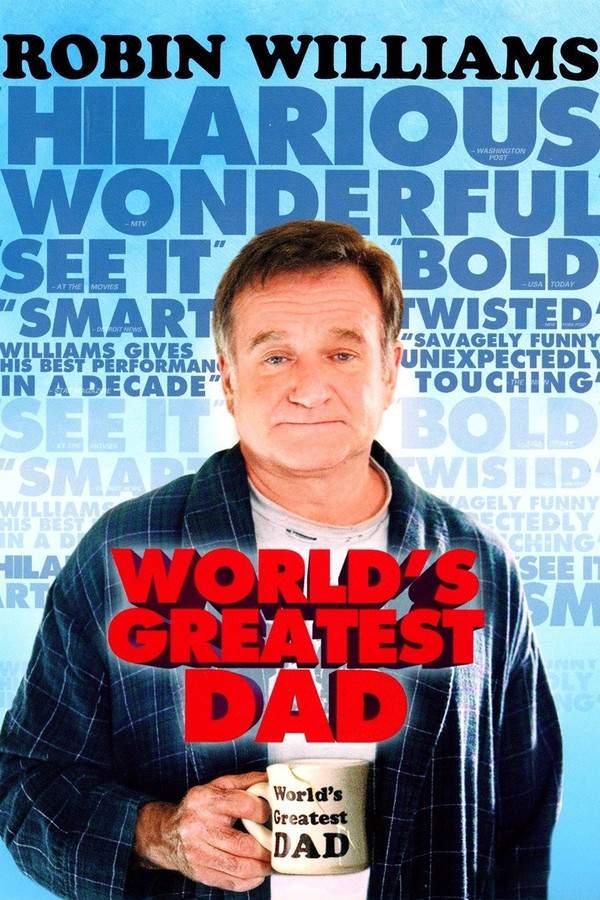
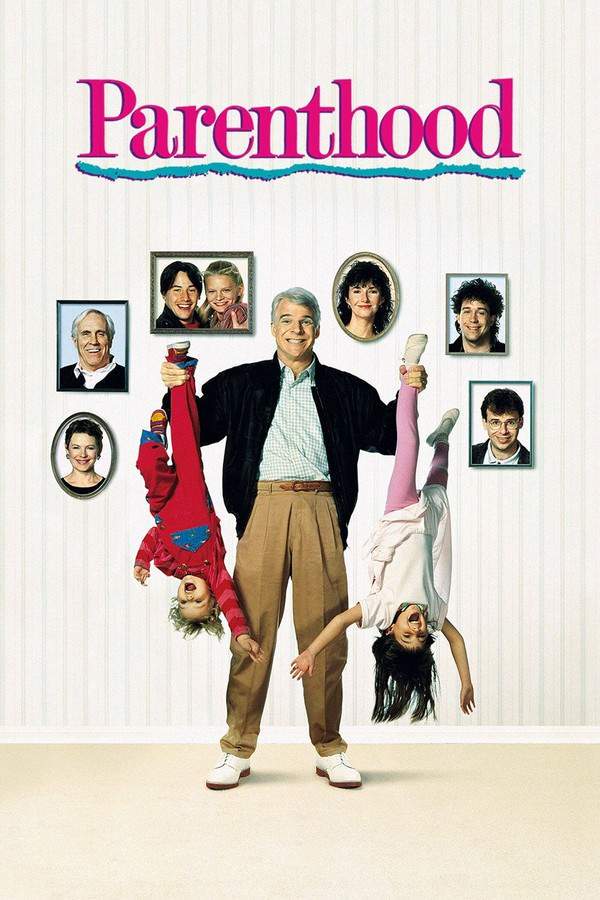
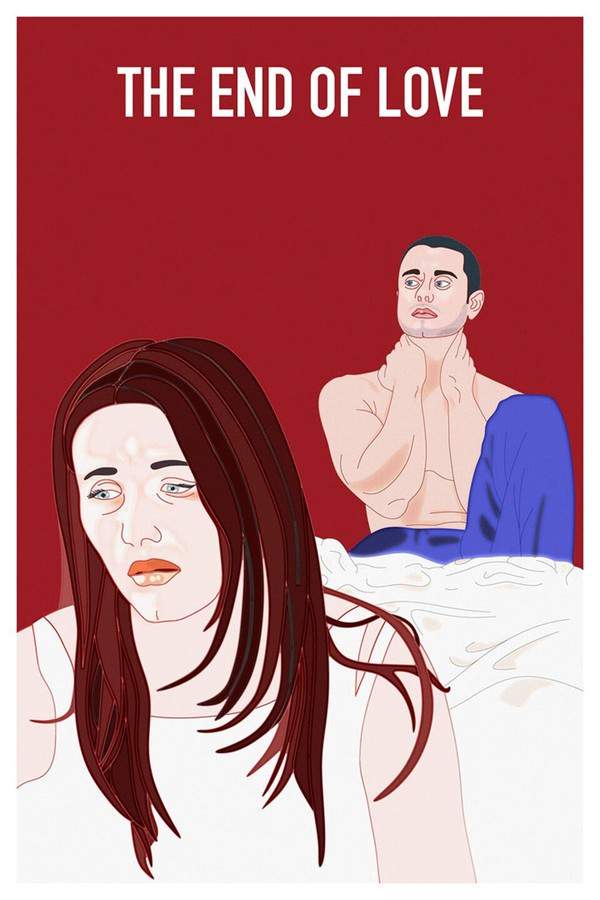

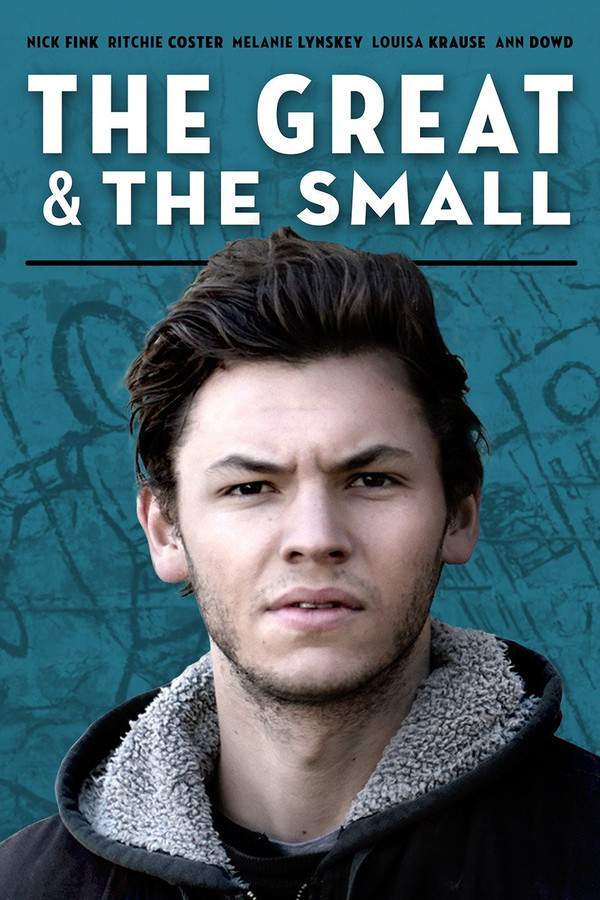


Quick Links: Summary, Cast, Ratings, More

What's After the Movie?
Not sure whether to stay after the credits? Find out!
Check out our other apps:

SAT Sphere
Build confidence for the Digital SAT.

Mori Atlas
Discover wild places worth protecting.

Luntero
Search smarter for a home in Amsterdam.

Plot Explained
Unravel movie endings and hidden clues.

Pokechamp
Dive into Pokémon data and battle logic.

Driving Theory
Get ready for your European theory test.

Movie Dust
Plan your next cinema trip with ease.

Musemap
Find art and culture as you travel.

Selkobase
Compare credentials before committing.

Local Manual
Turn an unfamiliar country into practical next steps.

Lernavi
Compare school systems before your next move.

GymRoam
Find a workout stop wherever your plans take you.
Explore Our Movie Platform
New Movie Releases (2026)
Famous Movie Actors
Top Film Production Studios
Movie Plot Summaries & Endings
Major Movie Awards & Winners
Best Concert Films & Music Documentaries
Movie Collections and Curated Lists
© 2026 What's After the Movie. All rights reserved.
Privacy Policy