The Florodora Girl 1930


A Story of the Gay Nineties A chorus girl gets bad advice from her fellow chorines in handling a rich suitor who assumes she is a gold digger.


Does The Florodora Girl have end credit scenes?
No!
The Florodora Girl does not have end credit scenes. You can leave when the credits roll.
Meet the Full Cast and Actors of The Florodora Girl
Explore the complete cast of The Florodora Girl, including both lead and supporting actors. Learn who plays each character, discover their past roles and achievements, and find out what makes this ensemble cast stand out in the world of film and television.
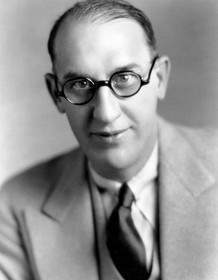
Walter Catlett
De Boer

Sam Hardy
Harry Fontaine
Claud Allister
Lord Rumblesham
Nance O'Neil
Mrs. Vibart
George Chandler
Georgie Smith
Ilka Chase
Fanny
Jed Prouty
Old Man Dell
Lawrence Gray
Jack Vibart
Marion Davies
Daisy Dell
Lee Phelps
Bartender (uncredited)
Leo White
Mr. Crownshield (uncredited)
Robert Bolder
Commodore
Anita Louise
Younger Vibart Daughter
Ethel Sykes
Florodora Sextette Member (uncredited)
Vivien Oakland
Maud
Jack Baxley
Carriage Driver (uncredited)
Louis John Bartels
Oliver Hemingway
Patricia Caron
Florodora Sextette Member (uncredited)
Maude Turner Gordon
Mrs. Caraway
Mary Jane Irving
Older Vibart Daughter
Lenore Bushman
Florodora Sextette Member (uncredited)
Jane Keithley
Constance Caraway
External Links and Streaming Options
Discover where to watch The Florodora Girl online, including streaming platforms, rental options, and official sources. Compare reviews, ratings, and in-depth movie information across sites like IMDb, TMDb, Wikipedia or Rotten Tomatoes.





Take the Ultimate The Florodora Girl Movie Quiz
Challenge your knowledge of The Florodora Girl with this fun and interactive movie quiz. Test yourself on key plot points, iconic characters, hidden details, and memorable moments to see how well you really know the film.
The Florodora Girl Movie Quiz: Test your knowledge of the 1930 film 'The Florodora Girl' with these diverse questions.
In what year is the movie 'The Florodora Girl' set?
Full Plot Summary and Ending Explained for The Florodora Girl
Read the complete plot summary of The Florodora Girl, including all major events, twists, and the full ending explained in detail. Explore key characters, themes, hidden meanings, and everything you need to understand the story from beginning to end.
Daisy, the original Florodora girl and a beloved member of the show’s female sextet, finds herself at the center of a lively and bustling Broadway scene set in 1899. As the hottest show of the season, Florodora draws crowds that stretch around the block, with many patrons eager to catch a glimpse of the talented chorus girls, especially the beautiful and charming Daisy. While the musical performances and dramatic elements entertain the audience, it is the allure of the chorus girls that truly captivates the male viewers, some of whom have attended the same show multiple times just to see Daisy perform.
Daisy is characterized by her hopefulness and willingness to find love, but her friends, Ilka Chase and Vivien Oakland, offer her advice on how to attract a wealthy suitor—by playing hard to get and being a little difficult. This advice proves both prescient and problematic, as she develops an interest in Jack Vibart, a charming young man portrayed by Lawrence Gray. At first, Daisy’s affection for Jack seems promising when she receives a grand bouquet of flowers from him and is invited to join him in his carriage, sparking her excitement. However, influenced by her friends’ warnings that Jack is not serious and merely indulges in flirtations with chorus girls, she hesitates to accept his advances, ultimately rejecting his invitation and choosing instead to ride on a bicycle with George Smith, a kind but less fortunate cigar shop worker played by George Chandler.
While her friendship with George is genuine, Daisy does not share the same romantic feelings for him, and her heart remains slightly torn between her aspirations for love and her modest world. She accompanies George to her modest home in a poor neighborhood, where her father, Jed Prouty, offers lighthearted wisdom and admiration for Jack’s racing talents—his horse Firebird, which once won him a significant bet at the Kentucky Derby. Daisy’s fascination with Jack grows as she spends time observing him at various events, including the beach, where her playful antics—such as pretending to struggle in the water—lead Jack to believe he has rescued her, sparking an awkward but charming flirtation.
A major event during this period is the Yale versus Columbia football game on January 2, 1900. The crowd is lively, and the game features the early, rough style of American football, with players forming formations that resemble a flock of birds, and dramatically hoisting the ball carrier over defenders. Jack Vibart, among the spectators, eagerly watches Daisy and his other acquaintances. When Daisy’s flirtation with George takes her away from Jack, he faces disappointment. His mood worsens when he observes Daisy arriving with George on his tandem bike and later finds her engrossed in conversation with Harry Fontaine, a shady gambler who had a past disagreement with Jack over a Kentucky Derby bet. Harry’s influence soon leads George to become intoxicated, and Jack ends up rescuing Daisy again from Harry’s unwelcome advances.
Despite the social differences and awkward misunderstandings, Jack and Daisy’s connection deepens, and they share tender moments, such as riding a horseless carriage—a novel invention of the era—and exchanging heartfelt songs. Jack’s romantic gestures, including offering Daisy a jeweled bracelet and suggesting they live together, create moments of tension, especially when Daisy feels suspect of his intentions and the disparity in their social standings. Her worries about being kept as a mistress lead to a quarrel, and she withdraws from Jack, feeling confused and heartbroken.
Meanwhile, Jack’s family expectations cast a shadow over their relationship. His mother, Nance O’Neil, disapproves of Jack’s affairs with chorus girls and pressures him to marry Constance, a girl from a wealthy family. Jack, caught between duty and love, promises his mother to wed Constance in June, though he confesses to Daisy that his heart truly belongs to her. He reveals plans to bet his entire family fortune on his racehorse in hopes of starting his own business. Unfortunately, the race ends in disappointment when Firebird finishes second, costing Jack his inheritance. Undeterred, Jack attempts to shield Daisy from his financial troubles, but his struggles become evident when he loses his family’s money.
As their romance faces these upheavals, Daisy learns that Jack is engaged to Constance. Heartbroken but determined, she tries to move on, and her friends [Ilka Chase] and [Vivien Oakland] comfort her amid gossip and jealous rivalries. Daisy retaliates by attending a slumming party at the Bowery with Harry Fontaine, which leads her into melancholy, despite Jack’s later pleas for reconciliation. She confesses that her love was chiefly driven by his wealth, revealing her vulnerability and insecurity.
Time passes, and the Florodora women prepare for another show. Daisy, now more cautious, hears from her friends about their relationships and notices Jack’s success in becoming a businessman. During a performance of Florodora, Daisy’s emotions mount as she spots Jack in the audience, sparking hope and uncertainty. Her performance is interrupted when Jack unexpectedly joins her on stage, singing “Tell Me Pretty Maiden” as part of their confrontation. He then publicly proclaims his love and asks her to marry him, leaving her torn between her rehearsed desire to stay away and her still-hopeful heart.
As the show continues, Daisy’s stubbornness clashes with Jack’s persistence until he is finally able to persuade her. With her initial protests overruled, Jack’s mother appears in a horse-drawn sleigh, smiling warmly, and calls Daisy to her side, signifying her acceptance of Daisy as part of their family. The film concludes with the happy trio departing, symbolizing Daisy’s ultimate acceptance and the beginning of a new chapter filled with love and hope.

Coming soon on iOS and Android
The Plot Explained Mobile App
From blockbusters to hidden gems — dive into movie stories anytime, anywhere. Save your favorites, discover plots faster, and never miss a twist again.
Sign up to be the first to know when we launch. Your email stays private — always.
Explore the mobile appDiscover Film Music Concerts Near You – Live Orchestras Performing Iconic Movie Soundtracks
Immerse yourself in the magic of cinema with live orchestral performances of your favorite film scores. From sweeping Hollywood blockbusters and animated classics to epic fantasy soundtracks, our curated listings connect you to upcoming film music events worldwide.
Explore concert film screenings paired with full orchestra concerts, read detailed event information, and secure your tickets for unforgettable evenings celebrating legendary composers like John Williams, Hans Zimmer, and more.


The Florodora Girl Themes and Keywords
Discover the central themes, ideas, and keywords that define the movie’s story, tone, and message. Analyze the film’s deeper meanings, genre influences, and recurring concepts.

Unlock the World of Movies with Our Comprehensive Wiki
Dive into our Movie Wiki for in-depth film encyclopedia entries, including cast biographies, production trivia, plot synopses, behind-the-scenes facts, and thematic analyses. Whether you’re researching iconic directors, exploring genre histories, or discovering hidden easter eggs, our expertly curated movie database has everything you need to fuel your cinematic passion.
Similar Movies To The Florodora Girl You Should Know About
Browse a curated list of movies similar in genre, tone, characters, or story structure. Discover new titles like the one you're watching, perfect for fans of related plots, vibes, or cinematic styles.




Quick Links: Summary, Cast, Ratings, More

What's After the Movie?
Not sure whether to stay after the credits? Find out!
Check out our other apps:

SAT Sphere
Build confidence for the Digital SAT.

Mori Atlas
Discover wild places worth protecting.

Luntero
Search smarter for a home in Amsterdam.

Plot Explained
Unravel movie endings and hidden clues.

Pokechamp
Dive into Pokémon data and battle logic.

Driving Theory
Get ready for your European theory test.

Movie Dust
Plan your next cinema trip with ease.

Musemap
Find art and culture as you travel.

Selkobase
Compare credentials before committing.

Local Manual
Turn an unfamiliar country into practical next steps.

Lernavi
Compare school systems before your next move.

GymRoam
Find a workout stop wherever your plans take you.
Explore Our Movie Platform
New Movie Releases (2026)
Famous Movie Actors
Top Film Production Studios
Movie Plot Summaries & Endings
Major Movie Awards & Winners
Best Concert Films & Music Documentaries
Movie Collections and Curated Lists
© 2026 What's After the Movie. All rights reserved.
Privacy Policy