The Doorway to Hell 1930


A ruthless crime boss, fed up with his violent life, shocks his associates by handing the organization over to his trusted second‑in‑command and planning a quiet retirement in Florida with his moll. Unaware that his moll and the newly promoted lieutenant are romantically involved, his scheme teeters on the brink of betrayal.


Does The Doorway to Hell have end credit scenes?
No!
The Doorway to Hell does not have end credit scenes. You can leave when the credits roll.
Where to Watch The Doorway to Hell
See current US streaming, rental, and purchase options for The Doorway to Hell (1930) via JustWatch.









Meet the Full Cast and Actors of The Doorway to Hell
Explore the complete cast of The Doorway to Hell, including both lead and supporting actors. Learn who plays each character, discover their past roles and achievements, and find out what makes this ensemble cast stand out in the world of film and television.
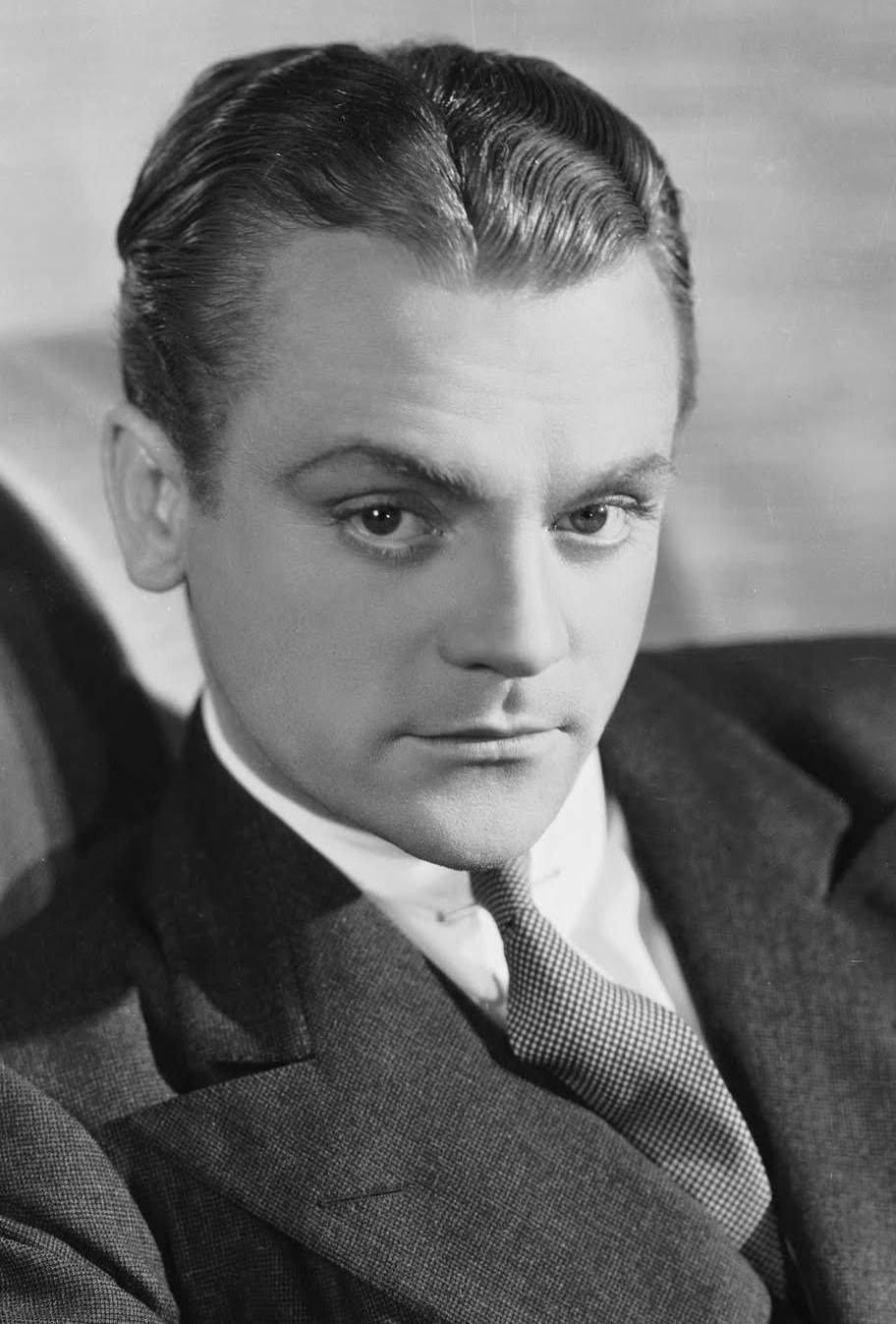
James Cagney
Steve Mileaway

John Kelly
Whitey Eckhart (uncredited)
Ruth Hall
Undetermined Secondary Role (uncredited)
Lew Ayres
Louie Ricarno
Leon Janney
Jackie Lamarr
Eddie Kane
Dr. Morton
Kenneth Thomson
Captain of Academy
Tom Wilson
Big Shot Kelly, Gangster
Dwight Frye
Monk, Gangster
Joe Bordeaux
Joe, Gangster (uncredited)
Al Hill
Jimmy Kirk, Gangster (uncredited)
Elmer Ballard
Tommy, Louie's Chauffeur (uncredited)
Gus Leonard
Shop Owner (uncredited)
Robert Elliott
Captain Pat O'Grady
George Rosener
Slick (uncredited)
Jerry Mandy
Gimpy, Gangster
Nick Copeland
The Midget's Henchman (uncredited)
Marie Astaire
Kitty, Fortune Teller (uncredited)
Thomas E. Jackson
Undetermined Secondary Role (uncredited)
Jack Wise
Delivery Waiter (uncredited)
Collette Merton
Jane (uncredited)
Noel Madison
Rocco
Larry McGrath
Detective (uncredited)
Cliff Saum
Poolroom Proprietor (uncredited)
Eddie Hart
Tansey (uncredited)
Dick Purcell
Undetermined Secondary Role (uncredited)
Edwin Argus
The Midget
Dorothy Mathews
Doris Ricarno
Fred Argus
Machine Gunner (uncredited)
Clark Burroughs
Mike (uncredited)
Bernard Granville
Dr. J.W. Johnson, Plastic Surgeon (uncredited)
Eddie Moran
Hymie, Gangster (uncredited)
Tony Stabenau
Undetermined Secondary Role (uncredited)
External Links and Streaming Options
Discover where to watch The Doorway to Hell online, including streaming platforms, rental options, and official sources. Compare reviews, ratings, and in-depth movie information across sites like IMDb, TMDb, Wikipedia or Letterboxd.





Take the Ultimate The Doorway to Hell Movie Quiz
Challenge your knowledge of The Doorway to Hell with this fun and interactive movie quiz. Test yourself on key plot points, iconic characters, hidden details, and memorable moments to see how well you really know the film.
The Doorway to Hell Quiz: Test your knowledge of the 1930 film *The Doorway to Hell* with these ten questions ranging from easy to difficult.
Who is the young gang leader known as the "Napoleon of the Underworld"?
Full Plot Summary and Ending Explained for The Doorway to Hell
Read the complete plot summary of The Doorway to Hell, including all major events, twists, and the full ending explained in detail. Explore key characters, themes, hidden meanings, and everything you need to understand the story from beginning to end.
Louie Lamarr, the “Napoleon of the Underworld” in the eyes of Chicago’s papers, is a young gang leader whose ruthless efficiency makes him the hidden boss of the entire city. He forges a classic protection racket: gangs pay him a cut, he draws territorial lines, he makes good on losses, and he punishes breaches with deadly force. The result is a fragile peace on the streets and enormous profits for everyone involved. Most are content, though not all. Rocco craves the top slot, and Pat O’Grady — an honest police chief who has known Louie since he was an orphaned street kid — keeps a wary eye on the power and its consequences. Louie also cares for a younger brother, Jackie Lamarr, who attends a strict military boarding school in another city. Jackie remembers hunger and hardship but is proud of his brother, even if he knows little of his criminal empire.
Louie meets Doris Ricarno and almost instantly falls for her, only to discover that she is secretly in love with Louie’s closest ally, Steve Mileaway. The tension between affection and loyalty complicates Louie’s ambition to step back from the rackets while still keeping his loved ones safe. Doris’s affection for Mileaway adds another layer to a web of loyalties that might not survive a coming storm. Louie hopes for an exit, a clean break, and a retirement that doesn’t expose his kin to danger. Before long, a last meeting with his inner circle is arranged, a farewell that includes a visit to Jackie, then a march toward Florida where the couple intends to start anew.
During a family dinner at Jackie’s school, the Major hosts the cadets at the head table. Louie envisions a future where his brother could become a Napoleon of his own sort, but the Major counters that their real aim is to turn boys into good citizens. When Louie proclaims that war is a grand racket, the Major retorts that it is big, but “cruel and profitless,” a remark that gives Louie reason to pause and reflect on the true cost of his dreams.
With Louie’s charisma fading from behind the scenes, the organization begins to crumble. Mileaway explains that he has bombarded Louie with letters and telegrams, but Louie refuses to respond — he does not want Doris or Jackie dragged into the racket. What Louie does not realize is that his revelation about Jackie has already set forces in motion. A violent gang war erupts as a consequence.
In Florida, Louie tries to escape the tension by golf and a moment of levity—until a tire blows out and he drops to the ground, laughing at the absurdity of it all. Mileaway calls, and Doris tells him Louie has become an awful dud. He spends five hours a day drafting his memoirs, seeking a record of a life that feels less and less controllable. When he forgets a club, Doris hands him the phone and he asks whether she might be “one of them,” hinting at the deeper questions about loyalty and love.
To pull Louie back in, the gangsters mastermind a bold kidnapping plot aimed at Jackie outside an ice cream parlor. The ruse fails when Jackie, too perceptive, bolts from the car and flees into the street, only to be struck by a truck. The three cadets who accompanied him identify the would-be abductors for Captain Pat O’Grady, and the wheels of tragedy begin to turn. Back in Florida, Louie completes his book and awaits a publisher’s call, while a telegram from Mileaway arrives to relay urgent word: Jackie has been hurt. The final line of the manuscript reads, > So this concludes the life of a gangster and begins the life of a man. Finis. A visiting literary opportunity arrives as well, but Louie remains stoic, telling Doris to deliver the message that it is “not done yet.”
A visit to a famous plastic surgeon, Dr. J.W. Johnson (as portrayed by Dr. J.W. Johnson), follows. Louie shows a snapshot of Jackie and asks if the surgeon could repair his brother’s face; the doctor answers that he would need to see the patient, and Louie notes that the patient is at Morse Brothers Undertaking Parlor. Jackie is laid to rest with military honors, and Louie’s ward of vengeance tightens its grip as he swears revenge on Gimpy and Midget, two enemies identified by the gang’s survivors. Gimpy and The Midget become targets as Louie returns to the city with Mileaway by his side.
O’Grady confronts Louie with a stark choice: do not flee town, or face consequences. The two men share a drink, and O’Grady eyes the truth in the mirror: Mileaway and Doris are together in spirit, a fact that cannot be ignored. Louie acknowledges that wealth can bring happiness, yet he recognizes that it could not have introduced him to Doris without the money. O’Grady says nothing as he contemplates the consequences of a world where such alliances exist.
Louie sends Mileaway and Doris off for the evening, then faces the Midget himself. “Where do you want to go?” Doris asks, half-teasing, “I could think of a thousand places if you weren’t married to Louie.” She slides off her ring and places it in Mileaway’s hand, leaving the question of allegiance open as Louie leans in for a kiss and the scene fades.
In the ensuing showdown, Louie awaits the Midget in a dry-cleaning shop, while the Midget’s bodyguards wait on the street. A signal triggers a chorus of revving engines as trucks warm up and backfire, and the bodyguards scatter. Louie washes his hands at a filthy sink, and three trucks pull away, leaving chaos and a plan in motion.
At 3 a.m., Mileaway and Doris return to find O’Grady waiting to arrest Mileaway for killing the Midget. Louie is already in jail. Mileaway endures the third-degree interrogation, but finally confesses to the Midget’s death—Received as self-defense, he earns five years and hopes to regain his freedom. Louie, meanwhile, remains jailed for Gimpy’s murder, and Mileaway’s confession does him little good. Louie thanks Mileaway for the gesture and murmurs, “What a friend,” as O’Grady remains silent.
From his cell, Louie reads a personals ad and feigns illness to engineer a breakout. He hides in a dingy room decorated with Napoleon posters—Napoleon, his enduring hero—before contacting a street paper boy to fetch groceries. The boy mentions he has met O’Grady, adding another layer of danger to Louie’s schemes. O’Grady arrives at the door, unarmed but with grave news: the breakout was orchestrated by Louie’s enemies, and two mobs lie in wait to finish him. He is warned that the only way out is to stay hidden in place and that Milesaway would protect Doris when the time comes. O’Grady departs with a grim vow that Louie will be seen again in 30 or 40 years.
A final gesture of friendship arrives in the form of a last supper from the men—steak with a lit cigar—left on the table beneath a Napoleon poster. Louie places his gun on the bed, fixes his tie and fedora in the mirror, then glances once more at the Napoleon canvas before closing the door. The only sound that follows is the jarring finish of machine guns.

Coming soon on iOS and Android
The Plot Explained Mobile App
From blockbusters to hidden gems — dive into movie stories anytime, anywhere. Save your favorites, discover plots faster, and never miss a twist again.
Sign up to be the first to know when we launch. Your email stays private — always.
Explore the mobile appDiscover Film Music Concerts Near You – Live Orchestras Performing Iconic Movie Soundtracks
Immerse yourself in the magic of cinema with live orchestral performances of your favorite film scores. From sweeping Hollywood blockbusters and animated classics to epic fantasy soundtracks, our curated listings connect you to upcoming film music events worldwide.
Explore concert film screenings paired with full orchestra concerts, read detailed event information, and secure your tickets for unforgettable evenings celebrating legendary composers like John Williams, Hans Zimmer, and more.


Cars Featured in The Doorway to Hell
Explore all cars featured in The Doorway to Hell, including their makes, models, scenes they appear in, and their significance to the plot. A must-read for car enthusiasts and movie buffs alike.
The Doorway to Hell Themes and Keywords
Discover the central themes, ideas, and keywords that define the movie’s story, tone, and message. Analyze the film’s deeper meanings, genre influences, and recurring concepts.
The Doorway to Hell Other Names and Titles
Explore the various alternative titles, translations, and other names used for The Doorway to Hell across different regions and languages. Understand how the film is marketed and recognized worldwide.
Similar Movies To The Doorway to Hell You Should Know About
Browse a curated list of movies similar in genre, tone, characters, or story structure. Discover new titles like the one you're watching, perfect for fans of related plots, vibes, or cinematic styles.


Quick Links: Summary, Cast, Ratings, More

What's After the Movie?
Not sure whether to stay after the credits? Find out!
Check out our other apps:

SAT Sphere
Build confidence for the Digital SAT.

Mori Atlas
Discover wild places worth protecting.

Luntero
Search smarter for a home in Amsterdam.

Plot Explained
Unravel movie endings and hidden clues.

Pokechamp
Dive into Pokémon data and battle logic.

Driving Theory
Get ready for your European theory test.

Movie Dust
Plan your next cinema trip with ease.

Musemap
Find art and culture as you travel.

Selkobase
Compare credentials before committing.

Local Manual
Turn an unfamiliar country into practical next steps.

Lernavi
Compare school systems before your next move.

GymRoam
Find a workout stop wherever your plans take you.
Explore Our Movie Platform
New Movie Releases (2026)
Famous Movie Actors
Top Film Production Studios
Movie Plot Summaries & Endings
Major Movie Awards & Winners
Best Concert Films & Music Documentaries
Movie Collections and Curated Lists
© 2026 What's After the Movie. All rights reserved.
Privacy Policy