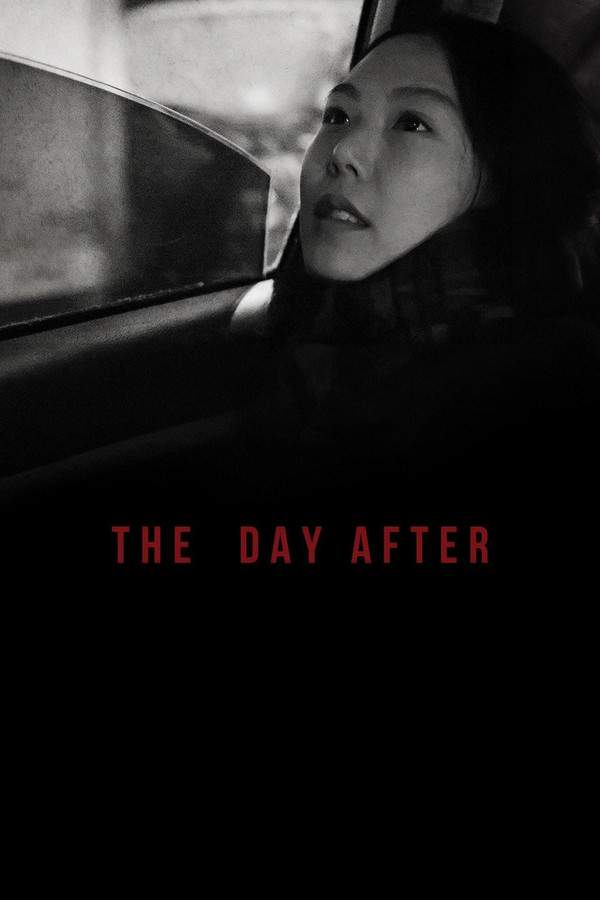
The Day After 2009


A divorcee reevaluates her life after a chance meeting with another woman with a similar history.


Does The Day After have end credit scenes?
No!
The Day After does not have end credit scenes. You can leave when the credits roll.
Meet the Full Cast and Actors of The Day After
Explore the complete cast of The Day After, including both lead and supporting actors. Learn who plays each character, discover their past roles and achievements, and find out what makes this ensemble cast stand out in the world of film and television.

External Links and Streaming Options
Discover where to watch The Day After online, including streaming platforms, rental options, and official sources. Compare reviews, ratings, and in-depth movie information across sites like IMDb, TMDb, Wikipedia or Letterboxd.




Take the Ultimate The Day After Movie Quiz
Challenge your knowledge of The Day After with this fun and interactive movie quiz. Test yourself on key plot points, iconic characters, hidden details, and memorable moments to see how well you really know the film.
The Day After (2009) Movie Quiz: Test your knowledge on the plot, characters, and details of the 2009 film The Day After.
Where does Dr. Russell Oakes work?
Full Plot Summary and Ending Explained for The Day After
Read the complete plot summary of The Day After, including all major events, twists, and the full ending explained in detail. Explore key characters, themes, hidden meanings, and everything you need to understand the story from beginning to end.
The Day After is a compelling and intense portrayal of the devastating consequences of nuclear war, set in the context of Cold War tensions between the United States and the Soviet Union. The film chronicles the lives of ordinary Americans in Kansas City and nearby towns as they grapple with the frightening realities of escalating global conflict.
The story begins in Kansas City, where Dr. Russell Oakes is a dedicated doctor working at a local hospital, spending precious moments with his family as his daughter Marilyn prepares to leave home. Meanwhile, in the nearby town of Harrisonville, farmer Jim Dahlberg and his family are busy with wedding preparations for his eldest daughter, Denise. On the military front, Billy McCoy, an airman serving with the 351st Strategic Missile Wing, is stationed at a Minuteman missile silo near Sweetsage. His family, along with neighbors like the Hendrys, go about their daily routines, unaware that a global crisis is brewing.
In the background, media reports reveal a significant buildup of Soviet forces along the East German border. Tensions escalate when East Germany annexes West Berlin, leading NATO to respond by attempting to break through the Soviet blockade. The situation worsens as Soviet aircraft, including MiGs, engage NATO forces, and the Soviets launch an invasion into West Germany, pushing toward the Rhine River. Meanwhile, Stephen Klein, a pre-med student at the University of Kansas, impulsively begins his journey back home to Joplin, Missouri, amid the chaos.
As the conflict intensifies, chaos erupts across the region. In Kansas City, civilians frantically scramble for safety, and the Emergency Broadcast System is activated, warning of the approaching threat. With world powers engaged in warfare, NATO attempts desperate measures, including the launch of nuclear warheads over Soviet troops. Security breaches and aggressive responses lead to devastating nuclear strikes, with a nuclear device destroying NATO headquarters in Brussels, and the United States activating its missile launch protocols after receiving alerts of incoming intercontinental ballistic missiles (ICBMs).
The film makes it clear that NATO was the first to launch nuclear weapons, but it deliberately leaves ambiguous who initiated the initial attack, emphasizing the unpredictability and chaos of nuclear warfare. Billy McCoy, realizing the war’s hopelessness, departs his silo in panic, urging his fellow airmen that the war is effectively over. The chaos unleashes a barrage of nuclear missiles across continents, causing widespread destruction.
In Kansas City, time becomes a frantic race for survival. Families like the Oakes, the Hendrys, and McCoy’s own relatives are caught in the destruction. Marilyn, her father Russell, and others are tragically incinerated by the nuclear blasts, while young Danny Dahlberg is blinded by a distant detonation. Amid the chaos, Dr. Oakes finds himself stranded on the highway, eventually taking charge at University Hospital in Lawrence, where he begins treating injured and radiation-exposed patients. Stephen Klein discovers refuge in the basement of the Dahlberg home, desperately seeking safety from the fallout.
Radio reports from Professor Joe Huxley warn that outdoor travel is deadly due to radioactive fallout. As days go by, supplies diminish and patients waste away from radiation sickness. Denise runs outside out of despair, and Klein has to rescue her, exposing both to dangerous radioactive dust. McCoy, traveling toward Sedalia, learns of its destruction along the way, and eventually succumbs to radiation poisoning after reaching a hospital. His story personifies the tragic toll of the war.
Meanwhile, Nancy Bauer, a nurse working alongside Dr. Oakes, also succumbs to meningitis, while a pregnant woman pleading for hope reminds him of the fragile resilience of life. As the US President addresses the nation, a radio speech announces a ceasefire, but the damage has already been done. Scenes reveal a broken, grieving America, filled with the wounded, the dead, and the hopeless. Attempts at aid and rebuilding are futile, with law and order breaking down into chaos and violence, including staged executions and the takeover of abandoned homes by squatters.
The film’s ending presents a bleak and sobering reflection: Jim Dahlberg and his family, along with others, are killed by squatters. Denise, Klein, and Dr. Oakes gradually waste away from radiation sickness. In a poignant moment, Dr. Oakes returns to the ruins of Kansas City, witnessing the aftermath of destruction, including National Guardsmen executing looters and squatters offering him food instead of hostility. Overcome with grief and helplessness, he collapses, crying as the camera captures his despair. The film concludes with an audio testimonial from Professor Huxley, questioning if anyone can still hear him, only to be met with silence, signaling the end of humanity’s attempt at communication.
The Day After closes with a powerful Morse code message transmitting “M-A-D,” standing for Mutually Assured Destruction, a stark reminder of the catastrophic potential of nuclear war. Many versions of the film end with a disclaimer emphasizing its fictional nature, asserting that the real consequences of nuclear conflict would be far worse than depicted. The film underscores the devastating human cost of such warfare, leaving viewers contemplating the sobering reality of nuclear deterrence and global security.

Coming soon on iOS and Android
The Plot Explained Mobile App
From blockbusters to hidden gems — dive into movie stories anytime, anywhere. Save your favorites, discover plots faster, and never miss a twist again.
Sign up to be the first to know when we launch. Your email stays private — always.
Explore the mobile appDiscover Film Music Concerts Near You – Live Orchestras Performing Iconic Movie Soundtracks
Immerse yourself in the magic of cinema with live orchestral performances of your favorite film scores. From sweeping Hollywood blockbusters and animated classics to epic fantasy soundtracks, our curated listings connect you to upcoming film music events worldwide.
Explore concert film screenings paired with full orchestra concerts, read detailed event information, and secure your tickets for unforgettable evenings celebrating legendary composers like John Williams, Hans Zimmer, and more.


The Day After Themes and Keywords
Discover the central themes, ideas, and keywords that define the movie’s story, tone, and message. Analyze the film’s deeper meanings, genre influences, and recurring concepts.

Unlock the World of Movies with Our Comprehensive Wiki
Dive into our Movie Wiki for in-depth film encyclopedia entries, including cast biographies, production trivia, plot synopses, behind-the-scenes facts, and thematic analyses. Whether you’re researching iconic directors, exploring genre histories, or discovering hidden easter eggs, our expertly curated movie database has everything you need to fuel your cinematic passion.
Similar Movies To The Day After You Should Know About
Browse a curated list of movies similar in genre, tone, characters, or story structure. Discover new titles like the one you're watching, perfect for fans of related plots, vibes, or cinematic styles.








Quick Links: Summary, Cast, Ratings, More

What's After the Movie?
Not sure whether to stay after the credits? Find out!
Check out our other apps:

SAT Sphere
Build confidence for the Digital SAT.

Mori Atlas
Discover wild places worth protecting.

Luntero
Search smarter for a home in Amsterdam.

Plot Explained
Unravel movie endings and hidden clues.

Pokechamp
Dive into Pokémon data and battle logic.

Driving Theory
Get ready for your European theory test.

Movie Dust
Plan your next cinema trip with ease.

Musemap
Find art and culture as you travel.

Selkobase
Compare credentials before committing.

Local Manual
Turn an unfamiliar country into practical next steps.

Lernavi
Compare school systems before your next move.

GymRoam
Find a workout stop wherever your plans take you.
Explore Our Movie Platform
New Movie Releases (2026)
Famous Movie Actors
Top Film Production Studios
Movie Plot Summaries & Endings
Major Movie Awards & Winners
Best Concert Films & Music Documentaries
Movie Collections and Curated Lists
© 2026 What's After the Movie. All rights reserved.
Privacy Policy