
The Crying Steppe (2020): Cast & Ratings
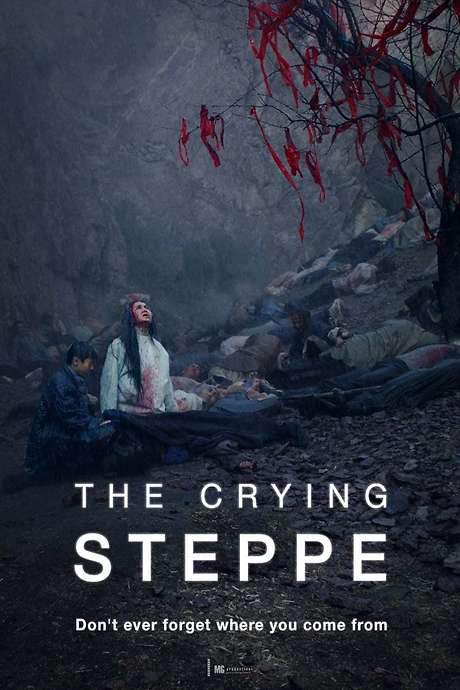
The Crying Steppe is a 2020 historical drama directed by Marina Kunarova, starring Dulyga Akmolda as Maden, Rayana Daulet and Sayazhan Kulymbetova. It runs 1 hour 48 minutes and was made on a reported $2 million budget. Its Echo Score is 84/100.
- Echo Score
- 84
- budget
- $2M
- Released
- Runtime
- 1h 48m (108 min)
- Director
- Marina Kunarova
- Original language
- Kazakh
- Studio
- Melograno Films
- Budget
- $2M
- After the credits
- No No extra scene
What Is The Crying Steppe About?
The premise of The Crying Steppe without spoilers.
In 1920s Kazakhstan, a family of eagle hunters struggles to survive the devastating Great Famine, brought on by the Bolsheviks and resulting in widespread death among the indigenous population. Facing a harsh winter and the constant threat of starvation, they grapple with a profound moral dilemma: maintain their humanity and dignity, or do whatever it takes to endure, even if it means compromising their values.
The Crying Steppe Themes & Keywords
· 2 tags- death
- fear
The Crying Steppe Cast & Characters
Dulyga Akmolda leads the cast as Maden, with Rayana Daulet as Aikynum and Sayazhan Kulymbetova as Nuria. Directed by Marina Kunarova; 6 actors are credited in all.
- Director Marina Kunarova
- Dulyga Akmolda as Maden
- Rayana Daulet as Aikynum
- Sayazhan Kulymbetova as Nuria
- Akylkhan Almassov as Turar
Also Starring in The Crying Steppe
· 2 moreMore from Marina Kunarova
One more film directed by Marina Kunarova: 999.

The Crying Steppe Reviews & Ratings
Our Echo Score gives it 84/100, strongest in character & emotion (90) and weakest in art & craft (78).
The Crying Steppe Echo Score Breakdown
The Crying Steppe delivers a resonant portrayal of Kazakhstan’s tragic famine, anchoring its impact in powerful performances and committed direction. Reviewers highlight the film’s emotional depth, noting repeated viewings and audience tears, while also acknowledging modest production values. The narrative’s historical relevance and visual ambition combine to create a memorable, though technically uneven, cinematic experience. Overall the film succeeds in conveying its purpose despite budget constraints.
Our own 0–100 rating, built from five aspects: art, character, story, the sensory experience and how well a film rewatches.
- Art & Craft 78
In terms of art and craft, the film exhibits determined direction that guides a complex historical subject with clarity. Critics note a visually vibrant palette achieved on a limited budget, though some observe technical limitations in cinematography and production design. Editing appears functional, supporting the narrative without notable flourishes. The overall craftsmanship is commendable given resource constraints.
- Character & Emotion 90
Character and emotion are the film’s greatest strength, with reviewers emphasizing deeply felt performances that provoke strong audience reactions. Actors convey the anguish of famine survivors convincingly, fostering empathy and sustained emotional engagement. Chemistry among the ensemble appears effective, reinforcing the personal stakes of the historical tragedy. The portrayal succeeds in humanizing a collective trauma.
- Story & Flow 85
The story addresses a historically under‑represented famine with a straightforward, emotionally driven structure. Critics praise its relevance and the way each vignette contributes to a cohesive portrait of suffering, though pacing details are not extensively discussed. Originality emerges from the film’s focus on Kazakh experiences, resulting in a narrative that remains engaging and purposeful.
- Sensory Experience 80
Sensory experience receives mixed feedback; visual style is lauded for its striking color palette that conveys the starkness of the steppe, while sound design and score are less prominently mentioned. The film’s atmospheric qualities support its emotional tone, though technical limitations occasionally diminish immersion. Overall, the sensory elements enhance the thematic weight despite modest resources.
- Rewatch Factor 88
Rewatch factor is strong, with several viewers noting they have watched the film multiple times and recommending it for its emotional resonance and educational value. The compelling subject matter and effective performances encourage repeat viewings, while the film’s ability to provoke reflection sustains its appeal over time. Consequently, the movie offers considerable lasting interest for audiences.
The Crying Steppe Trailers & Videos
The trailer of The Crying Steppe.
The Crying Steppe Also Known As
3 alternative titles, including “Ulı dala zarı” and “Плач великой степи”.
- Also known as
-
- Ulı dala zarı
- Плач великой степи
- Büyük Bozkır Ağıtı
Seen The Crying Steppe?
Movies Like The Crying Steppe
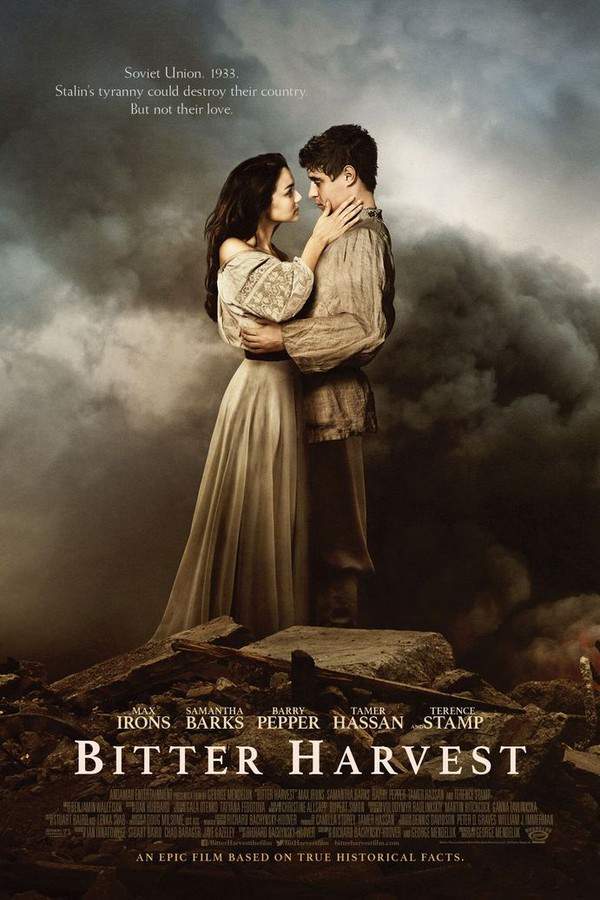
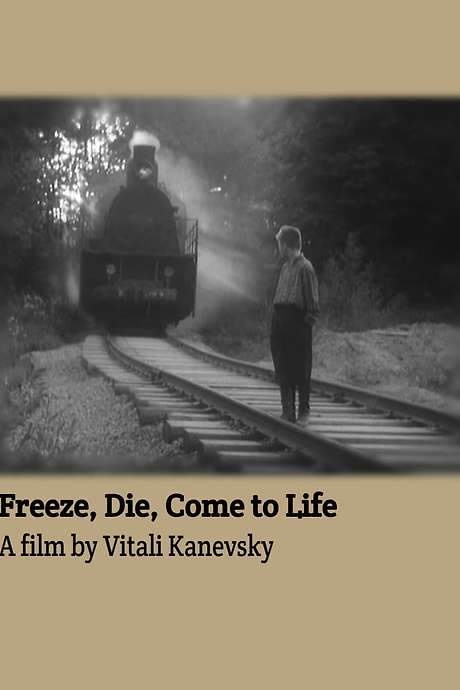
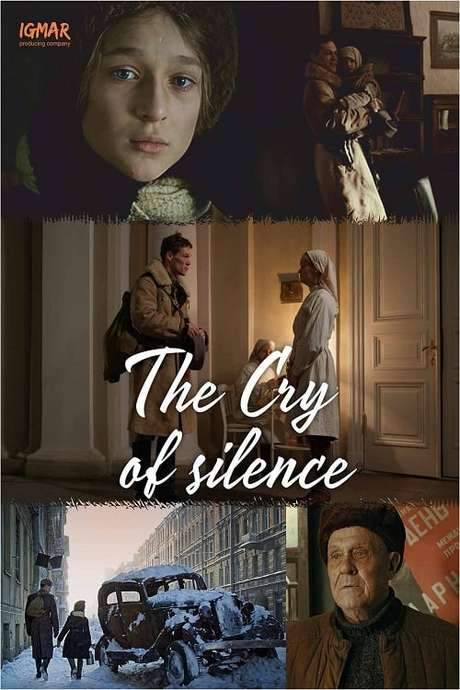
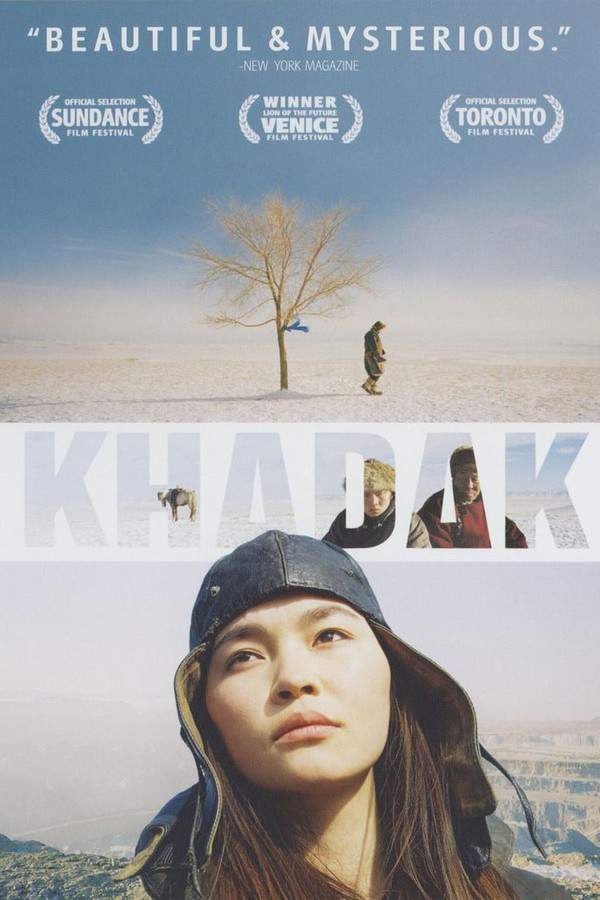
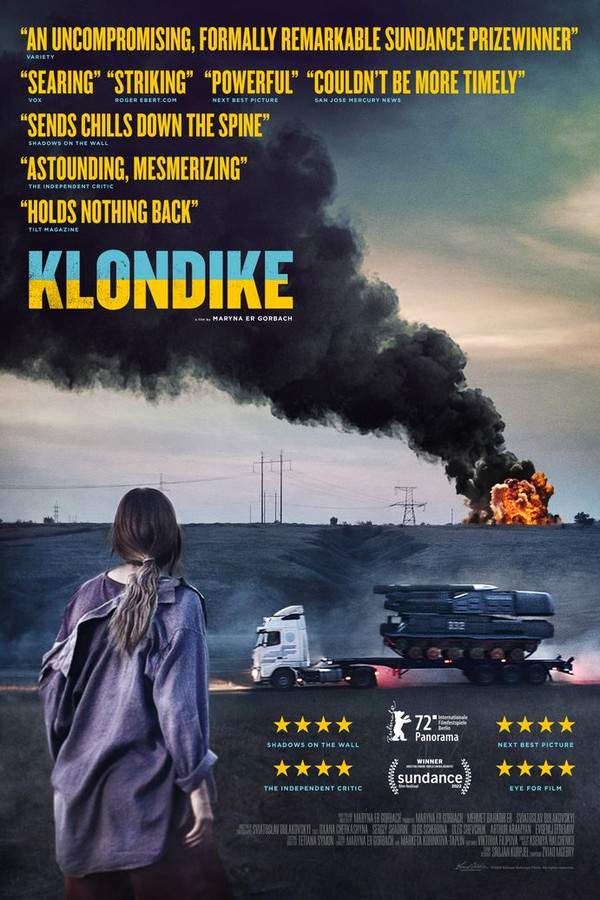
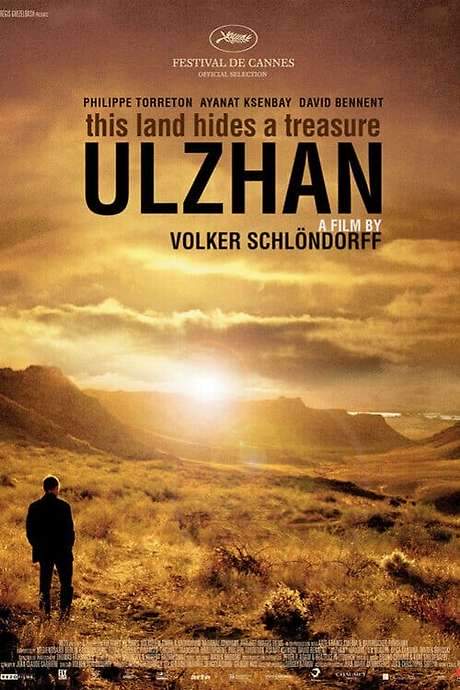
Films with a similar story, tone or audience, including Bitter Harvest, Freeze, Die, Come to Life and The Cry of Silence.

The Crying Steppe FAQ: Cast, Runtime & Release Date
Runtime, release date, director, cast, budget, post-credit scenes and language of The Crying Steppe, each answered in a sentence.
How long is The Crying Steppe?
The Crying Steppe runs 1 hour 48 minutes (108 minutes).
When was The Crying Steppe released?
The Crying Steppe was released on December 11, 2020.
Who directed The Crying Steppe?
The Crying Steppe was directed by Marina Kunarova.
More films by Marina Kunarova Who is in the cast of The Crying Steppe?
The Crying Steppe stars Dulyga Akmolda as Maden, Rayana Daulet as Aikynum and Sayazhan Kulymbetova as Nuria, among 6 credited actors.
What was the budget of The Crying Steppe?
The Crying Steppe had a reported budget of $2 million.
Does The Crying Steppe have a post-credit scene?
No. The Crying Steppe has no extra scene during or after the credits.
What language is The Crying Steppe in?
The original language of The Crying Steppe is Kazakh.
Coming soon to your phone
The Plot Explained Movie Summary App
From blockbusters to hidden gems: plot summaries, endings explained and timelines on your phone. Save your favorites and never miss a twist again.
Be the first to know when it launches. Your email stays private, always. Learn more about the app
