Swapna Sanchari 2011


Ajaychandran comes back to his native Kerala from the Gulf, proudly presenting himself as a wealthy man. His habit of flaunting his newfound riches before the villagers leads him to extravagant expenses, mounting debts and ultimately the loss of his fortune.


Does Swapna Sanchari have end credit scenes?
No!
Swapna Sanchari does not have end credit scenes. You can leave when the credits roll.
Meet the Full Cast and Actors of Swapna Sanchari
Explore the complete cast of Swapna Sanchari, including both lead and supporting actors. Learn who plays each character, discover their past roles and achievements, and find out what makes this ensemble cast stand out in the world of film and television.

Jayaram
Ajayachandran
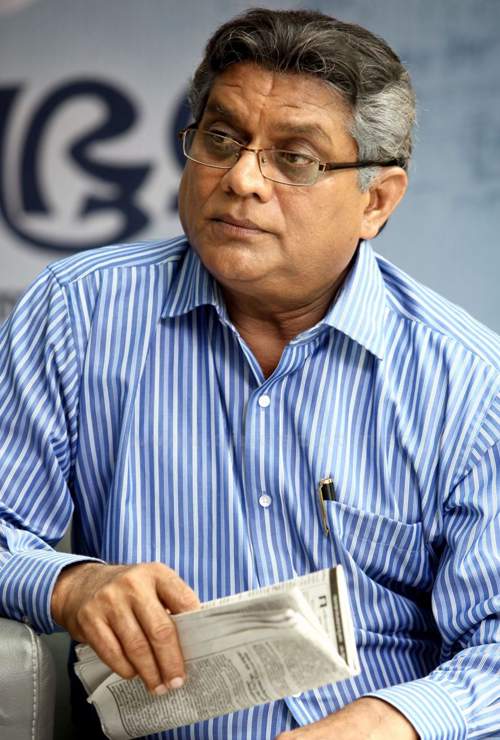
Jagathy Sreekumar
Swami
Samvrutha Sunil
Reshmi

Salim Kumar
Sugathan
Innocent
Achuthan Nair
Shivaji Guruvayoor
Chacko Financier
Balachandran Chullikkadu
Lakshmi's father

Harisree Ashokan
Rameshan

Kalabhavan Shajon
Eenashu
Manikandan Pattambi
Sasi Kalinga
Kurup
V K Sreeraman
Mathew
Meera Nandan
Older Lakshmi
Shaalin Zoya
Raveendran's daughter
Surabhi Lakshmi
Radha
Irshad
Raveendran Nair
Bhama
Older Ashwathy
Anu Emmanuel
Ashwathy/Achu
Kripa
Ajayachandran's Sister

Sunil Sukhada
Babu
External Links and Streaming Options
Discover where to watch Swapna Sanchari online, including streaming platforms, rental options, and official sources. Compare reviews, ratings, and in-depth movie information across sites like IMDb, TMDb, Wikipedia or Rotten Tomatoes.






Take the Ultimate Swapna Sanchari Movie Quiz
Challenge your knowledge of Swapna Sanchari with this fun and interactive movie quiz. Test yourself on key plot points, iconic characters, hidden details, and memorable moments to see how well you really know the film.
Swapna Sanchari Quiz: Test your knowledge of the 2011 Malayalam film Swapna Sanchari.
What line of business does Ajaychandran Nair work in before returning from the Gulf?
Full Plot Summary and Ending Explained for Swapna Sanchari
Read the complete plot summary of Swapna Sanchari, including all major events, twists, and the full ending explained in detail. Explore key characters, themes, hidden meanings, and everything you need to understand the story from beginning to end.
Ajaychandran Nair [Jayaram] is a gulf-returned liquor businessman whose life in a Kerala village unfolds against a backdrop of family strain and social ambition. He lives with his wife Reshmi Samvrutha Sunil and their quiet daughter, Ashwathy Anu Emmanuel, a ninth-grader who speaks little. Ajaychandran’s father embodies old-world ways, and the family dynamic is rooted in respect, reputation, and a desire to prove themselves in a community that values status. The film’s first half follows his meteoric push toward prominence: a gleaming Mercedes-Benz, the purchase of an aging theatre, and parcels of land right in front of the village panchayat hall, all paired with grand promises to community projects. He makes bold moves to cement his name, carrying out the village festival almost single-handedly to showcase his influence and generosity, and he dreams of a future where power and philanthropy go hand in hand.
Yet the ascent is built on fragile ground. The narrative quickly threads in personal costs as Ajaychandran alienates those closest to him. He hurts his younger sister, a choice that triggers a chain reaction within the family, and he clashes with his father over a match for his sister—one that would have been simple and modest, rather than a union selected to bolster wealth and standing. The tension at home escalates when the Ulsavam festival, which he sponsors with lavish enthusiasm, meets disaster: a fire destroys the celebration, and the event’s spectacular fireworks display—something he personally arranged—turns out to be operated by a fraudulent, unlicensed professional. The chaos leaves several people dead, and Ajaychandran, faced with guilt and consequences, vows compensation for the victims’ families. The immediate fallout from this catastrophe begins to erode the carefully constructed image he has spent years building.
Meanwhile, the story widens to the Gulf world that first made him rich. In Dubai, his business partner lands in trouble for selling liquor without a license, forcing Ajaychandran to return and bail him out. The bailout drains his personal funds and strips away much of the financial safety net he had built up. On top of this, he learns that a trusted politician friend—someone who had been entrusted with cash intended for the victims’ families—has siphoned off the money for himself. The double hit from both personal and financial fronts leaves Ajaychandran financially ruined and emotionally drained, exposing the hollowness of the glittering lifestyle he had pursued in the name of prestige.
The consequences ripple through every corner of his life. A crucial promise to sponsor surgery for a girl in need goes unfulfilled, and the delay reverberates through the school and the community. His daughter faces ridicule at school as the fallout from the botched charity work spills over into her own life, pushing her toward a dangerous act of despair. He arrives at the hospital to find his wife and father, once pillars of support, berating him for allowing things to deteriorate so completely. The film then leaps forward several years and follows a scarred, solitary Ajaychandran living in a remote village, his heart and finances battered by the storms he has weathered. It’s here that fate returns in an unexpected way: the same girl who needed surgery appears again, asking him to come home, and he learns that his daughter has survived the suicide attempt—though she now moves with a limp.
The reassembly of a fractured life begins slowly. Ajaychandran accepts the quiet invitation to return home, and the sight of his daughter’s resilience rekindles a sense of responsibility that his past ambitions had overshadowed. This turn of events nudges him toward a kinder, more grounded path. He makes a conscious decision to start anew in Kerala, choosing a life grounded in family, steadiness, and honest work rather than public luck and ostentatious displays of wealth. The film closes on a note of quiet redemption, showing a man tempered by hard lessons who chooses to contribute to his family and community in a more humble, sustainable way.
Throughout this emotional arc, the performances ground the drama in emotional truth, balancing moments of pride with episodes of guilt, regret, and repair. The narrative paints a vivid portrait of ambition—the lure of wealth, status, and visibility—while also revealing the personal costs that accompany a hunger for social power. It asks what it means to return home after losing one’s way, and whether true belonging can be rebuilt after a fall from grace.
- Ajaychandran Nair [Jayaram] embodies the conflict between outward success and inner responsibility, a man who learns that public recognition cannot fill private emptiness.
- Reshmi [Samvrutha Sunil] represents a steady, supportive partner whose own aspirations and loyalties complicate the family’s path.
- Ashwathy [Anu Emmanuel] stands as the beacon of vulnerability and resilience in a world of shifting fortunes.
- Achuthan Nair [Innocent] anchors the family with traditional values, even as the plot challenges those foundations.
- Ajaychandran’s sister [Kripa] appears as a reminder of the familial ties that can be damaged when pride overrides care.
This reimagined arc blends social satire with heartfelt drama, delivering a look at how a man’s desire for name and prominence can collide with the very families who anchor him, and how, in the end, a return to core commitments can offer a path toward healing and a more grounded happiness.

Coming soon on iOS and Android
The Plot Explained Mobile App
From blockbusters to hidden gems — dive into movie stories anytime, anywhere. Save your favorites, discover plots faster, and never miss a twist again.
Sign up to be the first to know when we launch. Your email stays private — always.
Explore the mobile appDiscover Film Music Concerts Near You – Live Orchestras Performing Iconic Movie Soundtracks
Immerse yourself in the magic of cinema with live orchestral performances of your favorite film scores. From sweeping Hollywood blockbusters and animated classics to epic fantasy soundtracks, our curated listings connect you to upcoming film music events worldwide.
Explore concert film screenings paired with full orchestra concerts, read detailed event information, and secure your tickets for unforgettable evenings celebrating legendary composers like John Williams, Hans Zimmer, and more.


Unlock the World of Movies with Our Comprehensive Wiki
Dive into our Movie Wiki for in-depth film encyclopedia entries, including cast biographies, production trivia, plot synopses, behind-the-scenes facts, and thematic analyses. Whether you’re researching iconic directors, exploring genre histories, or discovering hidden easter eggs, our expertly curated movie database has everything you need to fuel your cinematic passion.
Quick Links: Summary, Cast, Ratings, More

What's After the Movie?
Not sure whether to stay after the credits? Find out!
Check out our other apps:

SAT Sphere
Build confidence for the Digital SAT.

Mori Atlas
Discover wild places worth protecting.

Luntero
Search smarter for a home in Amsterdam.

Plot Explained
Unravel movie endings and hidden clues.

Pokechamp
Dive into Pokémon data and battle logic.

Driving Theory
Get ready for your European theory test.

Movie Dust
Plan your next cinema trip with ease.

Musemap
Find art and culture as you travel.

Selkobase
Compare credentials before committing.

Local Manual
Turn an unfamiliar country into practical next steps.

Lernavi
Compare school systems before your next move.

GymRoam
Find a workout stop wherever your plans take you.
Explore Our Movie Platform
New Movie Releases (2026)
Famous Movie Actors
Top Film Production Studios
Movie Plot Summaries & Endings
Major Movie Awards & Winners
Best Concert Films & Music Documentaries
Movie Collections and Curated Lists
© 2026 What's After the Movie. All rights reserved.
Privacy Policy