Sommersby 1993


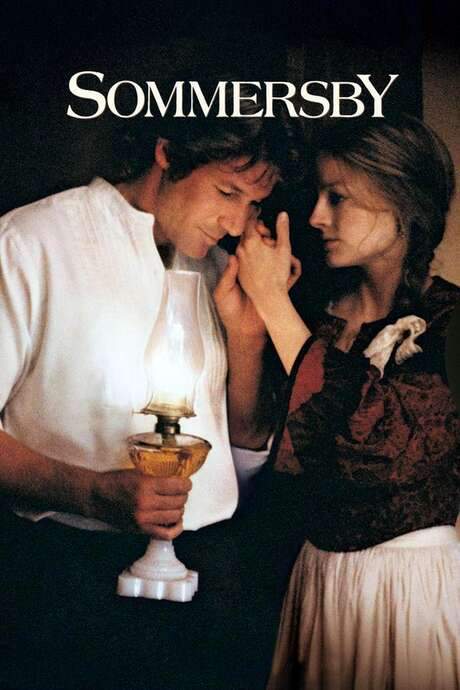
Laurel Sommersby has been managing the farm alone since her husband Jack was reported killed in the Civil War. When a man claiming to be Jack returns, he is gentle, caring, and seems dramatically changed, prompting townsfolk to suspect he is an imposter. Torn between doubt and lingering affection, Laurel welcomes him into her home and slowly confronts whether he is truly the husband she once knew or a chance at a new love.


Does Sommersby have end credit scenes?
No!
Sommersby does not have end credit scenes. You can leave when the credits roll.
Where to Watch Sommersby
See current US streaming, rental, and purchase options for Sommersby (1993) via JustWatch.

Amazon Prime Video
HD
Amazon Prime Video with Ads
HD
YouTube Free
HD
Amazon Video
HD
Apple TV Store
HD
Fandango At Home
HD
Google Play Movies
SD
YouTube
SD Streaming availability powered by 
Meet the Full Cast and Actors of Sommersby
Explore the complete cast of Sommersby, including both lead and supporting actors. Learn who plays each character, discover their past roles and achievements, and find out what makes this ensemble cast stand out in the world of film and television.

Jodie Foster
Laurel Sommersby

Richard Gere
John Robert Sommersby / Horace Townsend

Bill Pullman
Orin Meecham
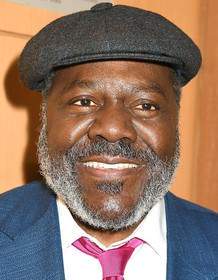
Frankie Faison
Joseph
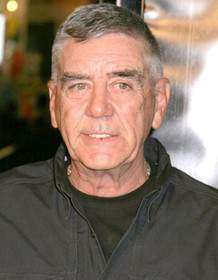
R. Lee Ermey
Dick Mead

James Earl Jones
Judge Barry Conrad Issacs

Maury Chaykin
Lawyer Dawson

Clarice Taylor
Esther
Richard Hamilton
Doc Evans
Paul Austin
KKK #1 / Folsom
Frank Hoyt Taylor
KKK #2
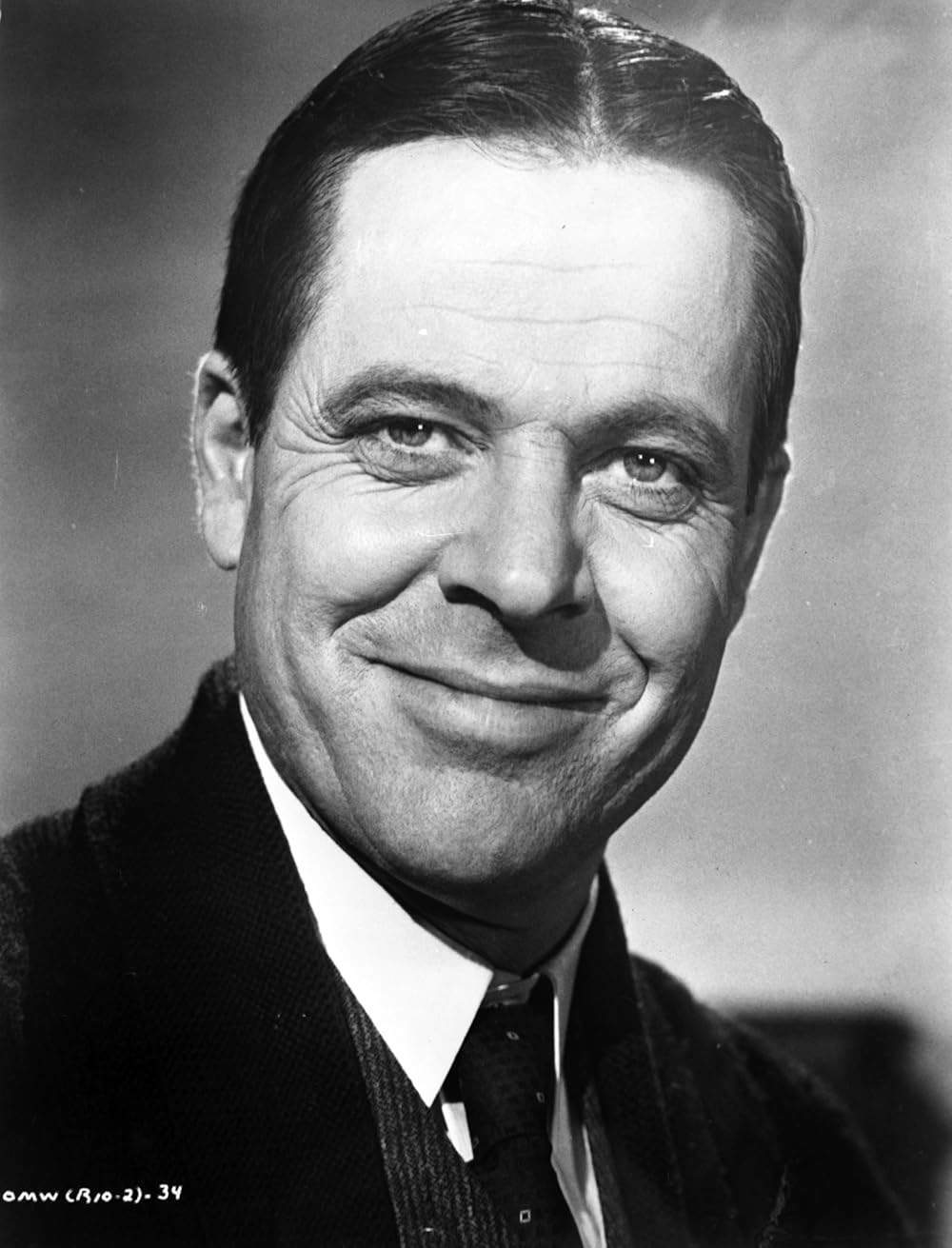
William Windom
Reverend Powell
Muse Watson
Drifter #1
Lanny Flaherty
Buck
Richard Lineback
Timothy Fry
Dean Whitworth
Tom Clemmons
Doug Sloan
Marshall #2
Wendell Wellman
Travis
Brett Kelley
Little Rob
Karen Kirschenbauer
Mrs. Evans
Carter McNeese
Storekeeper Wilson
Stephanie Weaver
Mrs. Bundy
External Links and Streaming Options
Discover where to watch Sommersby online, including streaming platforms, rental options, and official sources. Compare reviews, ratings, and in-depth movie information across sites like IMDb, TMDb, Wikipedia or Rotten Tomatoes.






Take the Ultimate Sommersby Movie Quiz
Challenge your knowledge of Sommersby with this fun and interactive movie quiz. Test yourself on key plot points, iconic characters, hidden details, and memorable moments to see how well you really know the film.
Sommersby (1993) Quiz: Test your knowledge of the 1993 film Sommersby, its characters, plot twists, and historical context.
Which actress portrays Laurel Sommersby?
Full Plot Summary and Ending Explained for Sommersby
Read the complete plot summary of Sommersby, including all major events, twists, and the full ending explained in detail. Explore key characters, themes, hidden meanings, and everything you need to understand the story from beginning to end.
Laurel Sommersby Jodie Foster is the apparent widow of a wealthy planter who left his Tennessee farm to fight for the Confederacy. For six long years she tends the Vine Hill farm with the help of her young son, Rob, and a neighbor, Orin Meecham Bill Pullman, who has become a steady support. Laurel has grown accustomed to a quiet life free from the cruelty of her late husband, and she begins to entertain thoughts of remarriage with Orin, hoping to provide a stable future for her family.
Then, as if by a miracle, Jack Sommersby—John Robert Sommersby / Horace Townsend Richard Gere—reappears with a changed demeanor and a new tenderness toward Laurel and Rob. At first, Laurel hesitates, but Jack’s softened heart and new gentleness slowly win her over. He sees opportunity where despair lingers: the local economy is crippled, the land is heavily mortgaged, and the town seems trapped in a cycle of debt and decay. Jack proposes a bold plan to revive the community’s fortunes through Burley tobacco. He persuades the townsfolk to pool resources to buy seed, offers to share-crop on his land, and promises fair terms to buy back plots once debts are cleared. Even more controversial, he invites the recently freed Black farmers to purchase land they help cultivate, a move that stirs fierce resistance among some white residents who view it as a threat to the social order.
With the cash from the town’s investments, Jack purchases tobacco seed and projects a revival that extends beyond economics: he claims the crops will fuel a return to prosperity and even fund a new church. As the community works the fields, the transformation seems to prove his sincerity—yet suspicion grows. The town shoemaker notes something off: Jack’s foot is two sizes smaller than the one he supposedly had before the war. The puzzle of his identity deepens as Jack reads Homer’s Iliad to those around him in the evenings, claiming the book was given to him by a fellow prisoner—an anecdote that casts doubt on his tale, even as it charms Laurel anew.
Laurel’s feelings intensify, and she discovers she is pregnant. Their family’s growing bond coincides with a troubling undercurrent: hooded night riders describe themselves as the Knights of the White Camelia, and Joseph [Frankie Faison]—a Black freedman living on the estate—faces brutal intimidation. Meacham’s menacing threats escalate into arson attempts on the barn, and Laurel’s faith in Jack is pushed to the edge as she witnesses a community fraying at the seams. Still, Jack remains determined to protect Laurel and Rob, even as he debates the consequences of his supposed return.
Laurel ultimately gives birth to a daughter, Rachel, and shortly after, Jack is arrested by two U.S. Marshals on a murder charge that carries the death penalty. Laurel wrestles with a devastating question: is the man she knows truly Jack Sommersby, or Horace Townsend—a clever impostor who learned to mimic him in prison? With the help of their lawyer, she contemplates a daring plan: admit that Jack is an impostor to save him from the gallows, even if that means forfeiting his freedom and risking the fragile gains for the Black farmers who now own plots of land. Meacham leverages this arrangement in exchange for Laurel’s promise to marry him if Sommersby is imprisoned.
Jack rejects the lawyer’s strategy and reasserts his claim to being the real Jack Sommersby. He works to discredit witnesses who argue that he is Horace Townsend, a Virginia-based con artist who once swindled a town after claiming to help rebuild its schoolhouse. He even identifies one witness as a Klansman who had threatened him earlier, exposing the plan to ruin him and confiscate the newly acquired lands. Laurel testifies, revealing that his kindness convinced her of his humanity, and she confesses flatly, “because I never loved him the way I love you!”
Judge Barry Conrad Isaacs [James Earl Jones] presides over the case and asks Jack whether he wishes to be tried as Jack Sommersby, even if the verdict would likely mean death. Jack answers that he wants to be tried as John “Jack” Sommersby, choosing truth over expediency. The jury finds him guilty of first-degree murder, and the death sentence looms as Laurel continues to seek a path to truth.
As the case unfolds, Jack shares the final twist of his story: after surviving a cellmate’s deception and years of shared secrets, the man who was supposed to be Jack is revealed to be Horace Townsend, who ultimately killed another man and died from a wound in a confrontation. Horace buried Jack Sommersby, deciding to assume his identity. The heart of the tragedy lies in a choice: Jack cannot openly reveal his true self because doing so would destroy Laurel and the fledgling Black communities who now own land. He faces execution, and Laurel chooses to stand with him at the edge of the crowd, hoping for a mercy that may never come.
As the gallows approach, Jack calls out to Laurel, pleading that he isn’t ready. She rises through the crowd, steps toward him, and their eyes meet one last time before the trapdoor drops. The town’s work on the church steeple resumes in the aftermath, mirroring the quiet endurance of a woman who kneels at a grave and lays flowers on the resting place of “John Robert Sommersby.” The closing scenes reflect a town attempting to rebuild itself—physically through the church and emotionally through the memory of a man who chose to live a life of risk in the name of belonging and freedom.
- The film layers themes of identity, loyalty, and Reconstruction-era tensions, presenting a nuanced portrait of a community grappling with trust, legitimacy, and the cost of progress. Through Laurel’s steadfast resolve and Jack’s difficult choices, it questions what truth means in a world where appearances can be as dangerous as any weapon, and where the hope of land and dignity rests on the courage to choose honesty over salvation by illusion.

Coming soon on iOS and Android
The Plot Explained Mobile App
From blockbusters to hidden gems — dive into movie stories anytime, anywhere. Save your favorites, discover plots faster, and never miss a twist again.
Sign up to be the first to know when we launch. Your email stays private — always.
Explore the mobile appWatch Trailers, Clips & Behind-the-Scenes for Sommersby
Watch official trailers, exclusive clips, cast interviews, and behind-the-scenes footage from Sommersby. Dive deeper into the making of the film, its standout moments, and key production insights.
Sommersby Themes and Keywords
Discover the central themes, ideas, and keywords that define the movie’s story, tone, and message. Analyze the film’s deeper meanings, genre influences, and recurring concepts.

Unlock the World of Movies with Our Comprehensive Wiki
Dive into our Movie Wiki for in-depth film encyclopedia entries, including cast biographies, production trivia, plot synopses, behind-the-scenes facts, and thematic analyses. Whether you’re researching iconic directors, exploring genre histories, or discovering hidden easter eggs, our expertly curated movie database has everything you need to fuel your cinematic passion.

Similar Movies To Sommersby You Should Know About
Browse a curated list of movies similar in genre, tone, characters, or story structure. Discover new titles like the one you're watching, perfect for fans of related plots, vibes, or cinematic styles.






Quick Links: Summary, Cast, Ratings, More

What's After the Movie?
Not sure whether to stay after the credits? Find out!
Check out our other apps:

SAT Sphere
Build confidence for the Digital SAT.

Mori Atlas
Discover wild places worth protecting.

Luntero
Search smarter for a home in Amsterdam.

Plot Explained
Unravel movie endings and hidden clues.

Pokechamp
Dive into Pokémon data and battle logic.

Driving Theory
Get ready for your European theory test.

Movie Dust
Plan your next cinema trip with ease.

Musemap
Find art and culture as you travel.

Selkobase
Compare credentials before committing.

Local Manual
Turn an unfamiliar country into practical next steps.

Lernavi
Compare school systems before your next move.

GymRoam
Find a workout stop wherever your plans take you.
Explore Our Movie Platform
New Movie Releases (2026)
Famous Movie Actors
Top Film Production Studios
Movie Plot Summaries & Endings
Major Movie Awards & Winners
Best Concert Films & Music Documentaries
Movie Collections and Curated Lists
© 2026 What's After the Movie. All rights reserved.
Privacy Policy