Semum 2008

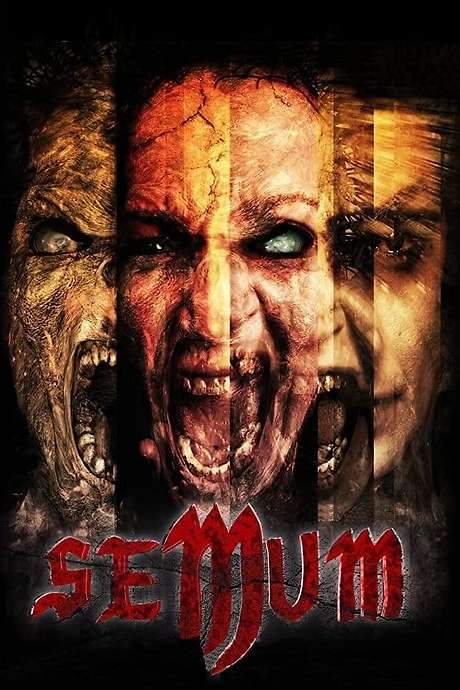
Director Hasan Karadağ set out to establish a Turkish‑Islamic horror template, presenting “Semum” as its inaugural example. The film follows a woman in İzmir who becomes the focus of a demonic possession, starring Ayça İnci, Burak Hakki and Cem Kurtoglu. Karadağ likens the work to “The Exorcist” and compares İnci’s performance to Linda Blair’s, aiming to elevate Turkish horror beyond previous, unsatisfactory efforts.


Does Semum have end credit scenes?
No!
Semum does not have end credit scenes. You can leave when the credits roll.
Meet the Full Cast and Actors of Semum
Explore the complete cast of Semum, including both lead and supporting actors. Learn who plays each character, discover their past roles and achievements, and find out what makes this ensemble cast stand out in the world of film and television.

External Links and Streaming Options
Discover where to watch Semum online, including streaming platforms, rental options, and official sources. Compare reviews, ratings, and in-depth movie information across sites like IMDb, TMDb, Wikipedia or Box Office Mojo.






Full Plot Summary and Ending Explained for Semum
Read the complete plot summary of Semum, including all major events, twists, and the full ending explained in detail. Explore key characters, themes, hidden meanings, and everything you need to understand the story from beginning to end.
Canan [Ayça İnci] and her husband Volkan [Burak Hakkı] have just moved into a spacious, brand-new house, hoping to begin their life together with a sense of fresh possibility. The early days unfold with inviting normalcy: the couple settles in, routines form around the quiet rhythms of a new home, and the dream of a peaceful beginning feels within reach. Yet beneath the surface, Canan starts to notice odd, inexplicable happenings — small sounds, fleeting shadows, and a chill in rooms that should feel warm and safe. These sensations are easy to explain away at first, but they steadily grow more persistent and unsettling, leaving Canan increasingly unsettled as she struggles to understand what is happening to her.
A mysterious and malicious being, Semum [Nazlı Ceren Argon] takes control of her body and actions, and the atmosphere of the house shifts from uneasy to alarming. Canan’s behavior begins to change in ways she cannot anticipate or explain, and the people closest to her notice a growing distance between the woman they know and the person who now seems to be inhabiting her. The first part of the film follows Canan’s life as it is gradually upended by the demon’s influence. The once familiar home becomes a stage for fear, with intimate moments turning tense and fragile, and the couple’s trust strained as Canan’s choices start to diverge from the life she once envisioned. The sense of threat is not merely external; it seeps into everyday moments, turning ordinary conversations and routines into occasions for dread.
As the story moves into its second half, the tone broadens to engage with larger questions about faith, goodness, and the nature of evil through an Islamic lens. To guide these conversations, Mikail Hoca [Cem Kurtoğlu] enters the narrative, offering discussions about the nature of God, the meaning of good and evil, and the existence of the Devil. Through his dialogues, the film situates Canan’s personal ordeal within a wider spiritual framework, inviting viewers to consider how belief systems respond to fear and the unknown. The hospital-like precision of the medical explanations gives way to theological reflection, as characters grapple with questions that go beyond the surface of possession and into the realms of faith, doubt, and the human struggle to keep hold of one’s identity.
Within this cosmology, the demons are connected to ʿAzāzīl, a name that appears in Islamic tradition and is associated with Satan (Iblīs). The narrative uses this reference to frame the horror not merely as a personal affliction but as part of a larger spiritual contest between divine power and malevolent forces. The film acknowledges its roots in Islamic folklore while presenting its own cinematic interpretation of these timeless tensions. Director Hasan Karacadağ has asserted that Semum is an independent work, even as it nods to familiar exorcism tropes found in Western cinema. The result is a film that seeks to honor its cultural context by exploring fear through a distinctly Islamic lens rather than simply mirroring a Western template.
Throughout the drama, the study of fear is inseparable from the examination of faith. The house, once a symbol of safety and partnership, becomes a proving ground where Canan must confront not only the demon that has seized her but also the questions that arise when human vulnerability intersects with the unseen. The interactions with Mikail Hoca and the unfolding discourse about God and the Devil create a tension between the intimate, domestic horror and the broader metaphysical discussion that the film elevates as its central concern. By pairing a personal crisis with theological inquiry, Semum invites viewers to reflect on how people respond when faced with forces beyond their control and what it means to hold onto humanity in the face of possession.
In the end, the film presents a careful balance between atmosphere and idea, using the stark contrast between the couple’s everyday life and the supernatural menace to examine how fear can surface from within and how belief can shape the way that fear is understood and confronted. The result is a work that remains attentive to its characters — especially Canan, whose ordeal tests the strength of her own sense of self — while offering a thoughtful meditation on the interplay between faith, morality, and the mysteries of evil.

Coming soon on iOS and Android
The Plot Explained Mobile App
From blockbusters to hidden gems — dive into movie stories anytime, anywhere. Save your favorites, discover plots faster, and never miss a twist again.
Sign up to be the first to know when we launch. Your email stays private — always.
Explore the mobile appWatch Trailers, Clips & Behind-the-Scenes for Semum
Watch official trailers, exclusive clips, cast interviews, and behind-the-scenes footage from Semum. Dive deeper into the making of the film, its standout moments, and key production insights.
Cars Featured in Semum
Explore all cars featured in Semum, including their makes, models, scenes they appear in, and their significance to the plot. A must-read for car enthusiasts and movie buffs alike.
Semum Themes and Keywords
Discover the central themes, ideas, and keywords that define the movie’s story, tone, and message. Analyze the film’s deeper meanings, genre influences, and recurring concepts.
Semum Other Names and Titles
Explore the various alternative titles, translations, and other names used for Semum across different regions and languages. Understand how the film is marketed and recognized worldwide.
Similar Movies To Semum You Should Know About
Browse a curated list of movies similar in genre, tone, characters, or story structure. Discover new titles like the one you're watching, perfect for fans of related plots, vibes, or cinematic styles.




Quick Links: Summary, Cast, Ratings, More

What's After the Movie?
Not sure whether to stay after the credits? Find out!
Check out our other apps:

SAT Sphere
Build confidence for the Digital SAT.

Mori Atlas
Discover wild places worth protecting.

Luntero
Search smarter for a home in Amsterdam.

Plot Explained
Unravel movie endings and hidden clues.

Pokechamp
Dive into Pokémon data and battle logic.

Driving Theory
Get ready for your European theory test.

Movie Dust
Plan your next cinema trip with ease.

Musemap
Find art and culture as you travel.

Selkobase
Compare credentials before committing.

Local Manual
Turn an unfamiliar country into practical next steps.

Lernavi
Compare school systems before your next move.

GymRoam
Find a workout stop wherever your plans take you.
Explore Our Movie Platform
New Movie Releases (2026)
Famous Movie Actors
Top Film Production Studios
Movie Plot Summaries & Endings
Major Movie Awards & Winners
Best Concert Films & Music Documentaries
Movie Collections and Curated Lists
© 2026 What's After the Movie. All rights reserved.
Privacy Policy