Sembi 2022

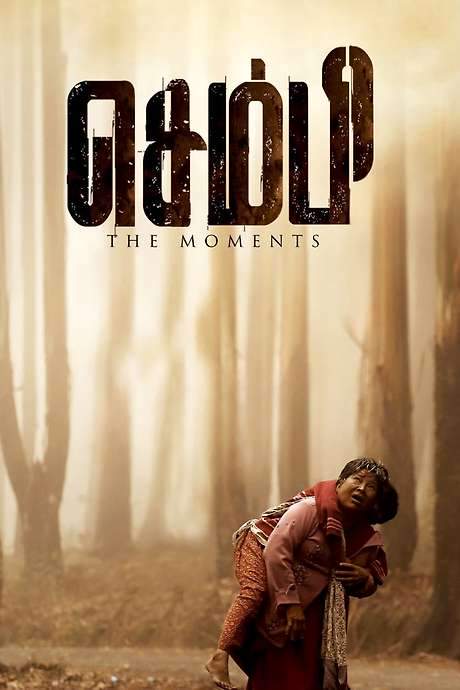
Ten-year-old Sembi lives with her grandmother Veerayi, a skilled beekeeper, amid the peaceful hills of Kodaikanal. Their tranquil existence is shattered when three powerful miscreants devastate their world. After a tragic event the duo escapes, boarding a crowded bus where passengers from varied backgrounds unite to help secure justice for them.


Does Sembi have end credit scenes?
No!
Sembi does not have end credit scenes. You can leave when the credits roll.
Where to Watch Sembi
See current US streaming, rental, and purchase options for Sembi (2022) via JustWatch.

Amazon Video
SD
Google Play Movies
SD
YouTube
SD Streaming availability powered by 
Meet the Full Cast and Actors of Sembi
Explore the complete cast of Sembi, including both lead and supporting actors. Learn who plays each character, discover their past roles and achievements, and find out what makes this ensemble cast stand out in the world of film and television.

External Links and Streaming Options
Discover where to watch Sembi online, including streaming platforms, rental options, and official sources. Compare reviews, ratings, and in-depth movie information across sites like IMDb, TMDb, Wikipedia or Rotten Tomatoes.







Ratings and Reviews for Sembi
See how Sembi is rated across major platforms like IMDb, Metacritic, and TMDb. Compare audience scores and critic reviews to understand where Sembi stands among top-rated movies in its genre.

The Movie Echo Score
Sembi delivers a poignant social drama anchored by strong performances and a clear directorial vision. Reviewers commend the film's emotional resonance, effective use of setting, and compelling message about the POCSO Act, while noting occasional logical lapses and uneven pacing in the second half. Overall, the work succeeds in engaging audiences and leaving a lasting impression.
The Movie Echo Score Breakdown for Sembi

Art & Craft
In terms of art and craft, the direction by Prabu Solomon is widely praised for its earnest storytelling and effective use of Kodaikanal’s landscape. Cinematography receives commendation for capturing misty mountain vistas and dynamic bus sequences. Some reviewers note uneven editing and occasional cheesy moments, leading to a solid but not flawless technical execution.

Character & Emotion
Character and emotion stand out as the film's strongest pillar, with Kovai Sarala and the child actor receiving unanimous acclaim for nuanced, award‑worthy performances. Ashwin’s portrayal as a young advocate is also highlighted positively. Minor criticisms mention occasional over‑the‑top dialogue, yet the overall acting depth and chemistry are deemed exceptional.

Story & Flow
The narrative centers on a harrowing social issue and maintains audience engagement through an earnest, emotionally charged plot. Reviewers appreciate the clear message and early‑half screenplay, though several point to logical gaps, a cheesy tone, and a less cohesive second half. Consequently, the story is viewed as compelling yet imperfect.

Sensory Experience
Sensory experience receives strong approval for its evocative background score and sound design that underscore key emotional beats. Visual style, particularly the depiction of the Western Ghats, is praised for its authenticity. One critic finds the music underwhelming, but the overall consensus is that auditory and visual elements effectively support the film’s mood.

Rewatch Factor
Rewatch factor is high, with many reviewers describing lasting emotional impact and recommending multiple viewings. The film’s social relevance and powerful climax contribute to its replay value. A few comments suggest it may serve best as a one‑time watch for some viewers, yet the predominant sentiment underscores strong lasting appeal.
Full Plot Summary and Ending Explained for Sembi
Read the complete plot summary of Sembi, including all major events, twists, and the full ending explained in detail. Explore key characters, themes, hidden meanings, and everything you need to understand the story from beginning to end.
In a peaceful corner of the Kodai hills, 10-year-old Sembi and her grandmother Veerathayi, Kovai Sarala an apiarist, spend their days surrounded by bees, blossoms, and the quiet rhythm of nature. Their simple, intertwined lives are upended when three influential men—Mathivendhan, Akshay, and Surya—shatter their world with a brutal act of violence against Sembi. The community reels as the crime exposes a web of power and privilege, where the implications reach far beyond a single act. A police officer tries to pressure Veerathayi to drop the case after learning the offender is the minister’s son, a maneuver that would bury the truth beneath politics and influence.
Veerathayi refuses to surrender, and in a desperate clash with the system, the officer is beaten severely and falls into a coma. The grandmother and granddaughter flee the danger and board a bus named Anbu, which travels from Kodaikanal to Dindigul. On this crowded, moving refuge, they carry the weight of their trauma, hope, and the fierce need for justice. The escape marks the beginning of a remarkable collective journey, as the pair join forces with strangers who choose courage over complicity.
A diverse group of 24 passengers, each with their own story, becomes an unlikely shield and support system for Sembi and Veerathayi. They resist political meddling and instead rally around the girl and her grandmother, drawing strength from shared humanity. At the center of this coalition stands a decision-maker and advocate: a lawyer, Ashwin Kumar Lakshmikanthan, whose presence anchors their effort and guides them through a labyrinth of legal barriers. His role is pivotal as he translates the fear and frustration of ordinary people into a determined legal strategy, turning a private tragedy into a public fight for justice.
Together, the passengers and their lawyer strive to obtain accountability through the Protection of Children from Sexual Offences Act (POCSO) of 2012. The film follows their collective persistence, showing how ordinary citizens can mobilize, organize, and insist on due process even when the system seems stacked against them. The courtroom becomes a stage for conscience, where the voices of the many challenge the entrenched powers that sought to protect the perpetrators rather than the victims. The tension escalates as politics, bureaucracy, and fear clash with unwavering resolve, yet the group remains steadfast in their mission to secure mercy and protection for the vulnerable.
As the case develops, Veerathayi and Sembi’s quiet strength is mirrored by the quiet courage of the bus’s passengers, each contributing in their own way to the pursuit of justice. The narrative paints a mosaic of lives converging for a common good, illustrating the idea that a community can choose solidarity and action in the face of injustice. Along the way, the film crystallizes a guiding principle that binds the ensemble: to treat one another with compassion and responsibility, no matter how distant or unfamiliar the other may seem.
The film ultimately delivers a message of moral urgency and communal responsibility. Veerathayi and Sembi emerge victorious as the criminals are sentenced to life imprisonment till death, signaling a hard-won triumph for the family and their witnesses. The Anbu journey becomes more than a path to the courtroom; it becomes a living testament to the power of collective humanity. And as the credits roll, the film leaves viewers with a resonant call to action and a reminder of its core motto: Love thy Neighbor as thyself.
Love thy Neighbor as thyself

Coming soon on iOS and Android
The Plot Explained Mobile App
From blockbusters to hidden gems — dive into movie stories anytime, anywhere. Save your favorites, discover plots faster, and never miss a twist again.
Sign up to be the first to know when we launch. Your email stays private — always.
Explore the mobile appDiscover Film Music Concerts Near You – Live Orchestras Performing Iconic Movie Soundtracks
Immerse yourself in the magic of cinema with live orchestral performances of your favorite film scores. From sweeping Hollywood blockbusters and animated classics to epic fantasy soundtracks, our curated listings connect you to upcoming film music events worldwide.
Explore concert film screenings paired with full orchestra concerts, read detailed event information, and secure your tickets for unforgettable evenings celebrating legendary composers like John Williams, Hans Zimmer, and more.


Unlock the World of Movies with Our Comprehensive Wiki
Dive into our Movie Wiki for in-depth film encyclopedia entries, including cast biographies, production trivia, plot synopses, behind-the-scenes facts, and thematic analyses. Whether you’re researching iconic directors, exploring genre histories, or discovering hidden easter eggs, our expertly curated movie database has everything you need to fuel your cinematic passion.
Quick Links: Summary, Cast, Ratings, More

What's After the Movie?
Not sure whether to stay after the credits? Find out!
Check out our other apps:

SAT Sphere
Build confidence for the Digital SAT.

Mori Atlas
Discover wild places worth protecting.

Luntero
Search smarter for a home in Amsterdam.

Plot Explained
Unravel movie endings and hidden clues.

Pokechamp
Dive into Pokémon data and battle logic.

Driving Theory
Get ready for your European theory test.

Movie Dust
Plan your next cinema trip with ease.

Musemap
Find art and culture as you travel.

Selkobase
Compare credentials before committing.

Local Manual
Turn an unfamiliar country into practical next steps.

Lernavi
Compare school systems before your next move.

GymRoam
Find a workout stop wherever your plans take you.
Explore Our Movie Platform
New Movie Releases (2026)
Famous Movie Actors
Top Film Production Studios
Movie Plot Summaries & Endings
Major Movie Awards & Winners
Best Concert Films & Music Documentaries
Movie Collections and Curated Lists
© 2026 What's After the Movie. All rights reserved.
Privacy Policy