
Rob Peace 2024


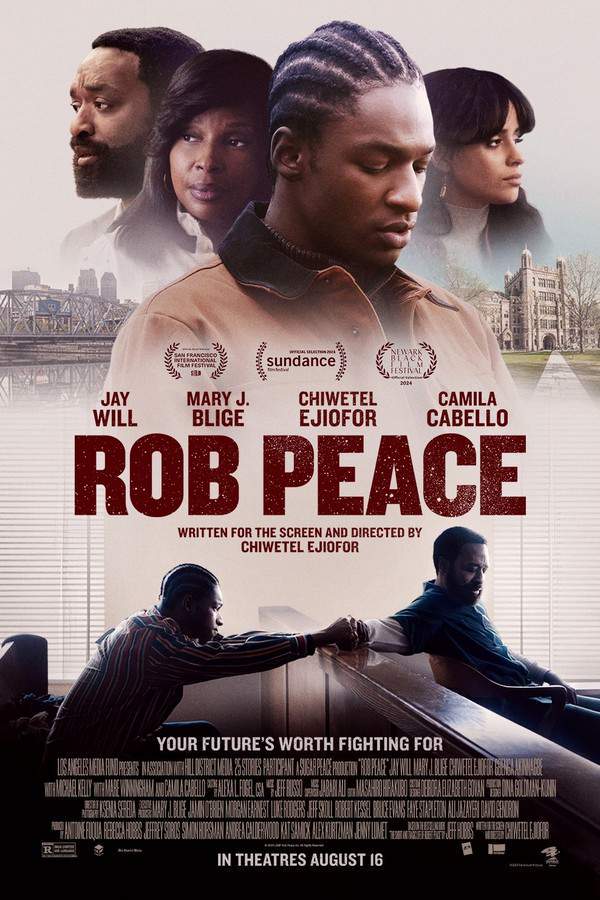
Jay Will, a young man of exceptional intelligence, struggles to reconcile his father’s difficult history with his own aspirations. Supported by his mother, he confronts the challenges of love, family, and the pursuit of redemption while working to secure his father’s release from prison. This poignant drama explores themes of justice and the enduring power of familial bonds.

Does Rob Peace have end credit scenes?
No!
Rob Peace does not have end credit scenes. You can leave when the credits roll.
Where to Watch Rob Peace
See current US streaming, rental, and purchase options for Rob Peace (2024) via JustWatch.

Netflix
4K
Netflix Standard with Ads
HD
Amazon Video
4K
Apple TV Store
4K
Fandango At Home
4K
Google Play Movies
SD
Plex
HD
YouTube
SD Streaming availability powered by 
Meet the Full Cast and Actors of Rob Peace
Explore the complete cast of Rob Peace, including both lead and supporting actors. Learn who plays each character, discover their past roles and achievements, and find out what makes this ensemble cast stand out in the world of film and television.
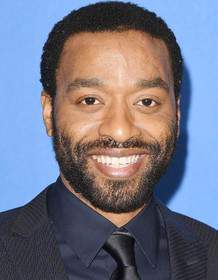
Chiwetel Ejiofor
Skeet Douglas
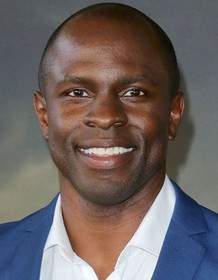
Gbenga Akinnagbe
Carl Robertson
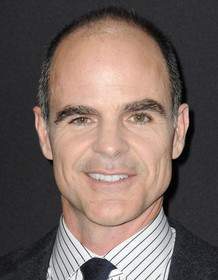
Michael Kelly
Father Leahy

Mare Winningham
Professor Durham

Mary J. Blige
Jackie Peace

Juan Castano
Oswaldo Gutierrez
Camila Cabello
Naya Vazquez
Caleb Eberhardt
Curtis Gamble
Benjamin Papac
Jeff Hobbs
Jay Will
Rob Peace
Curt Morlaye
Tavarus Heston
Marjorie Johnson
Frances Peace
Reggie Alvin Green
Horace Peace
Ian Duff
Sherman Feerick
Jelani Dacres
Rob Peace 7, 10
Chance K. Smith
Rob Peace 13
Robert Ray Manning Jr.
Michael Tucker
Antu Yacob
Sheila Tucker
Robert Farrior
Tom Rivers
Rosalyn Coleman
Jacinta Johnson
External Links and Streaming Options
Discover where to watch Rob Peace online, including streaming platforms, rental options, and official sources. Compare reviews, ratings, and in-depth movie information across sites like IMDb, TMDb, Wikipedia or Rotten Tomatoes.










Ratings and Reviews for Rob Peace
See how Rob Peace is rated across major platforms like IMDb, Metacritic, and TMDb. Compare audience scores and critic reviews to understand where Rob Peace stands among top-rated movies in its genre.

The Movie Echo Score
In overall terms, Rob Peace delivers a compelling biographical drama that is anchored by powerful performances but hampered by uneven narrative cohesion. Reviewers frequently praise Jay Will’s nuanced portrayal and the film’s emotional resonance, while noting that the pacing and thematic transitions can feel disjointed. The direction exhibits moments of assured storytelling and agile editing, yet several critics point to a tendency toward episodic plotting rather than a fully integrated arc. Overall, the movie offers meaningful emotional depth but its structural inconsistencies limit its overall impact.
The Movie Echo Score Breakdown for Rob Peace

Art & Craft
Art: The direction in Rob Peace shows a measured visual approach with intermittent moments of flair, especially in intimate scenes. Some reviewers note Ejiofor’s earnest style lacks consistent cinematic distinctiveness, yet others commend the brisk editing that sustains momentum. Critiques point to occasional bureaucratic framing and uneven tone transitions. Overall, the film’s craft delivers competent storytelling but rarely achieves striking visual cohesion.

Character & Emotion
In terms of character and emotion, Rob Peace is distinguished by Jay Will’s deeply felt lead performance and the strong supporting presence of Rob’s mother. The portrayal reveals nuanced internal conflicts and credible chemistry, lending authenticity to the protagonist’s journey. Critics highlight the film’s ability to humanize a familiar biopic narrative, resulting in sustained emotional engagement. Overall, the character work remains the film’s most compelling element.

Story & Flow
When it comes to story and flow, Rob Peace delivers a sequence of pivotal moments that illuminate its subject’s intellect and challenges, yet the narrative often reads as episodic. Several critics observe that the plot segments fail to coalesce into a cohesive arc, with abrupt tonal shifts between inspiration and darker themes. While the personal stakes engage viewers, structural unevenness dampens the momentum and narrative clarity.

Sensory Experience
In terms of sensory experience, Rob Peace offers a restrained soundscape and a subdued visual palette that underscore its somber tone. The sound design and soundtrack unobtrusively support the drama, but few scenes achieve a distinctive auditory or visual identity. Some critics describe the cinematography as competent but conventional, resulting in a perception of bureaucratic filming rather than immersive sensory storytelling.

Rewatch Factor
When evaluating rewatch factor, Rob Peace’s strong emotional core and central performance encourage reflection, yet the film’s uneven pacing and narrative fragmentation may limit repeated viewings. The thoughtful thematic exploration of systemic barriers resonates, but the episodic structure and muted visual style reduce the incentive for audiences to revisit. Overall, its lasting appeal rests primarily on its lead portrayal rather than broad replay value.

61
Metascore
7.6
User Score


75%
TOMATOMETER

94%
User Score

6.5 /10
IMDb Rating

68
%
User Score

/5
Full Plot Summary and Ending Explained for Rob Peace
Read the complete plot summary of Rob Peace, including all major events, twists, and the full ending explained in detail. Explore key characters, themes, hidden meanings, and everything you need to understand the story from beginning to end.
In 1987, seven-year-old DeShaun Douglas lives with his mother, Jackie, in a predominantly African American neighborhood of East Orange, New Jersey, when his father Skeet Douglas is arrested for the murders of two women. Although Skeet maintains his innocence, a jury convicts him three years later, sentencing him to life in prison. To shield Shaun from the stigma of his father’s crime, Jackie makes a difficult choice and renames him Rob Peace, preserving a nod to his father’s first name while giving him a fresh start.
A gifted student, Rob enters the prestigious St. Benedict’s Preparatory School in nearby Newark in 1994. He excels academically, balancing demanding coursework with chores at home and odd jobs to help his family, all while quietly shouldering the weight of Skeet’s imprisonment. The drive to create a better future for himself—and perhaps to secure Skeet’s exoneration—colors every decision he makes. Then, in 1998, Rob uncovers a legal loophole: a sympathetic judge finds that the delay before Skeet’s trial violated his right to a speedy hearing. Skeet is released, though the victory is short-lived, as the prosecution quickly appeals and the decision is overturned, forcing Skeet back behind bars.
Rob is accepted at Yale University, with St. Benedict’s covering his tuition. There he thrives as a science major, forging friendships across racial lines and navigating the complexities of campus life, including occasional racial tensions. He also continues to conceal the true burden on his shoulders—the ongoing prison status of his father. A breakthrough comes when Professor Durham notices Rob’s talent and invites him to work in the graduate laboratory. She grants him access to the facilities at all hours and eventually offers to back his postgraduate ambitions with a strong recommendation, a rare and meaningful boost for someone from his background.
Meanwhile, Rob’s private life evolves as he opens up to his girlfriend, Naya. She reminds him that his responsibility to his father does not define him, encouraging him to pursue his own path and happiness even as Skeet’s fate remains uncertain. In 2001, Skeet reveals he is dying of brain cancer, a revelation that adds urgency to Rob’s choices. To pay for experimental treatment and legal help, Rob, with the help of his high school friends Curtis Gamble and Tavarus Heston, begins selling marijuana on campus, leveraging equipment from the laboratory to strengthen the product. The venture grows, but Naya rails against Rob’s risky turn, doubting the possibility of Skeet’s innocence while fearing for Rob’s future.
A campus security sweep turns up nothing, and Rob is allowed to graduate, though the administration withdraws the recommendation that could have helped him pursue postgraduate studies. Naya prepares to leave for Rio de Janeiro to work with her mother, signaling a turning point in Rob’s life as he faces the consequences of his choices without the safety net of formal support.
As years pass, Rob confronts Skeet in a hospital visit, asking him directly whether he killed the women. Skeet, deeply hurt by Rob’s doubt, refuses to answer directly, leaving the truth unresolved for the moment. Some time after Skeet’s death, old friends hint that the evidence about the murder weapon was fabricated and that the police pressured witnesses into silence, casting doubt on the case’s integrity and adding layers of moral ambiguity to Rob’s memories of his father.
By 2004, Rob, Curtis, and Tav embark on a project to rejuvenate East Orange by buying, renovating, and selling abandoned houses. The venture flourishes for a time, but the 2008 subprime mortgage crisis hits hard, wiping out debts and dreams alike. Tav is left devastated, his finances in tatters, while Rob devises a secret plan to stay afloat—turning marijuana into a stealthy retail operation to cover debts and keep the family afloat. The web of choices tightens around him, culminating in a violent culmination: one of their dealers betrays them to a gang, and Rob is shot and killed, while Curtis manages to escape.
Through Rob’s education, relationships, and attempts to do right by his family, the story traces a long arc of ambition, resilience, and the heavy costs of both legal and personal battles. The narrative weaves together the weight of a father’s possible innocence, a son’s relentless pursuit of opportunity, and a community shaped by systemic pressures, all culminating in a haunting reminder of how history—even when it’s not fully known—continues to shape lives long after the facts have settled.

Coming soon on iOS and Android
The Plot Explained Mobile App
From blockbusters to hidden gems — dive into movie stories anytime, anywhere. Save your favorites, discover plots faster, and never miss a twist again.
Sign up to be the first to know when we launch. Your email stays private — always.
Explore the mobile appWatch Trailers, Clips & Behind-the-Scenes for Rob Peace
Watch official trailers, exclusive clips, cast interviews, and behind-the-scenes footage from Rob Peace. Dive deeper into the making of the film, its standout moments, and key production insights.
Rob Peace Themes and Keywords
Discover the central themes, ideas, and keywords that define the movie’s story, tone, and message. Analyze the film’s deeper meanings, genre influences, and recurring concepts.
Rob Peace Other Names and Titles
Explore the various alternative titles, translations, and other names used for Rob Peace across different regions and languages. Understand how the film is marketed and recognized worldwide.
Similar Movies To Rob Peace You Should Know About
Browse a curated list of movies similar in genre, tone, characters, or story structure. Discover new titles like the one you're watching, perfect for fans of related plots, vibes, or cinematic styles.






Quick Links: Summary, Cast, Ratings, More

What's After the Movie?
Not sure whether to stay after the credits? Find out!
Check out our other apps:

SAT Sphere
Build confidence for the Digital SAT.

Mori Atlas
Discover wild places worth protecting.

Luntero
Search smarter for a home in Amsterdam.

Plot Explained
Unravel movie endings and hidden clues.

Pokechamp
Dive into Pokémon data and battle logic.

Driving Theory
Get ready for your European theory test.

Movie Dust
Plan your next cinema trip with ease.

Musemap
Find art and culture as you travel.

Selkobase
Compare credentials before committing.

Local Manual
Turn an unfamiliar country into practical next steps.

Lernavi
Compare school systems before your next move.

GymRoam
Find a workout stop wherever your plans take you.
Explore Our Movie Platform
New Movie Releases (2026)
Famous Movie Actors
Top Film Production Studios
Movie Plot Summaries & Endings
Major Movie Awards & Winners
Best Concert Films & Music Documentaries
Movie Collections and Curated Lists
© 2026 What's After the Movie. All rights reserved.
Privacy Policy