
Radiance (2023): Ratings

Radiance is a 2023 romantic drama directed by Naomi Kawase. It runs 1 hour 41 minutes. Critics gave it 63% on Rotten Tomatoes and 52 on Metacritic.
- Released
- Runtime
- 1h 41m (101 min)
- Director
- Naomi Kawase
- Original language
-
 Japanese
- Studio
- Film Movement
- After the credits
- No No extra scene
What Is Radiance About?
The premise of Radiance without spoilers.
Misako is a writer who creates cinematic experiences for the visually impaired, finding fulfillment in the power of storytelling. Her life changes when she encounters Nakamori, a photographer struggling with vision loss. Through his evocative photographs, Misako uncovers a hidden history and a world of beauty she never knew existed. As they navigate their individual challenges, their connection deepens, and they learn to appreciate the world in new and profound ways, finding light and connection amidst the darkness.
The Director of Radiance
Directed by Naomi Kawase.
- Director Naomi Kawase
More from Naomi Kawase
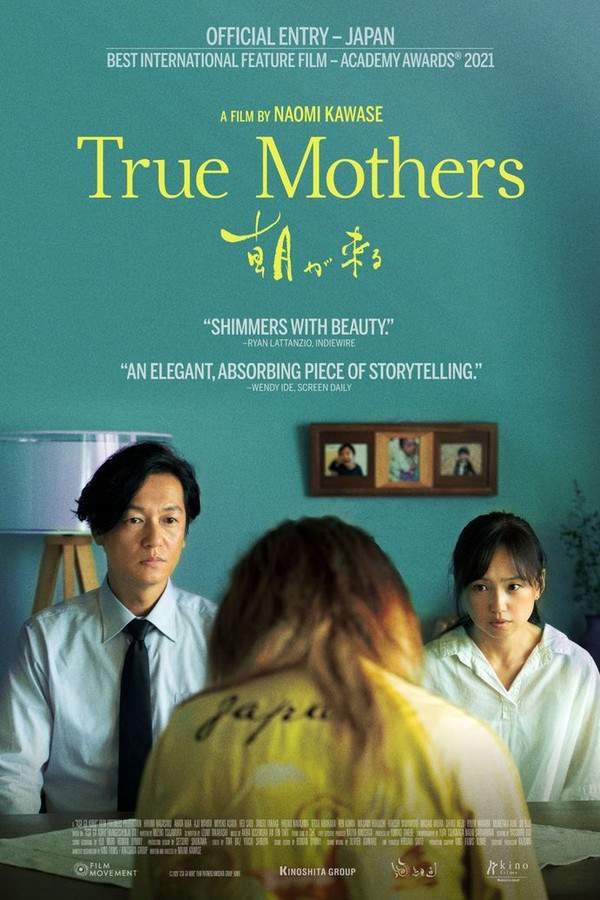
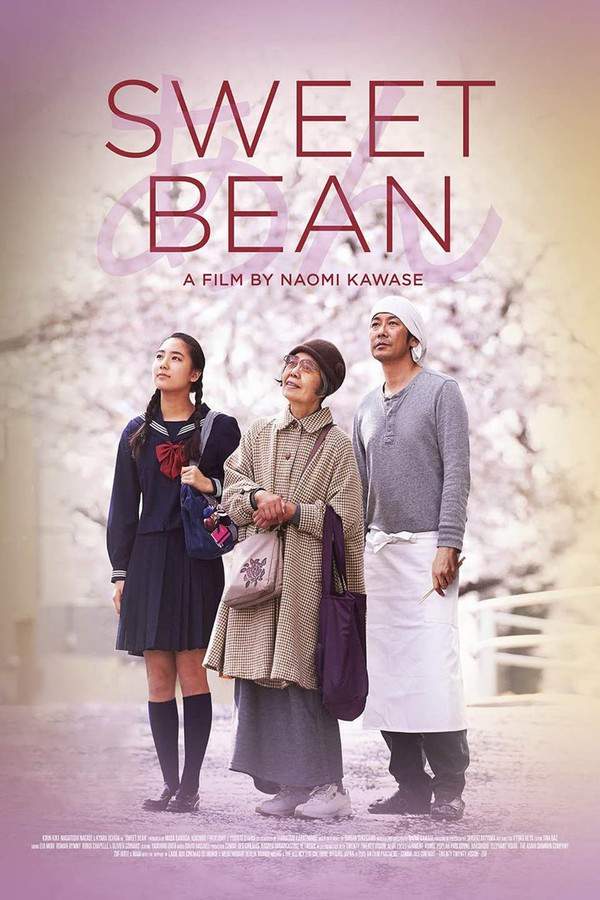
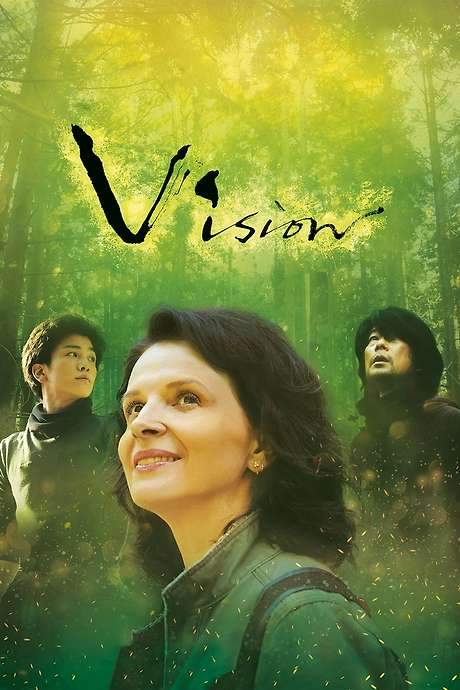
More films directed by Naomi Kawase, best-rated first: True Mothers, Sweet Bean, Still the Water and Vision.

Radiance Reviews & Ratings
Critics gave Radiance 63% on Rotten Tomatoes and 52 on Metacritic. Our Echo Score gives it 67/100, strongest in sensory experience (72) and weakest in story & flow (60).
Radiance Echo Score Breakdown
Radiance presents a delicately rendered meditation on perception and loss, eliciting both admiration for its visual poetics and criticism for its narrative drive. Critics highlight the film’s understated cinematography and thoughtful tone, while noting uneven character development and occasional pacing lapses. Audience responses, particularly from fans of Kawase, underscore the film’s emotional resonance and artistic ambition. The mixed yet generally appreciative consensus results in a modestly favorable evaluation.
Our own 0–100 rating, built from five aspects: art, character, story, the sensory experience and how well a film rewatches.
- Art & Craft 70
ART: The film’s direction and cinematography are consistently described as delicate and visually poetic, with careful close‑ups and an understated color palette that many reviewers find compelling. Some critics, however, argue that the visual execution occasionally lapses into overly soft, buttery lighting that dilutes impact. Overall, the craftsmanship is regarded as a strength, though not without occasional criticism.
- Character & Emotion 65
CHARACTER: Acting and emotional depth receive mixed assessments. Performances are praised for nuanced portrayal of loss and connection, and the film is noted for demanding audience engagement with its protagonists. Conversely, several critics cite underwritten relationships and blunt, earnest dialogue that undermine emotional resonance. The aggregate view sees the character work as earnest and occasionally effective, yet uneven.
- Story & Flow 60
STORY: Reviewers acknowledge the film’s thoughtful premise and contemplative pacing, yet many point to narrative thinness and uneven momentum. While the plot’s exploration of perception and art is lauded for originality, critiques emphasize that the story can feel meandering, with scenes that “plod” without sufficient tension. Thus, the storytelling is regarded as conceptually intriguing but structurally inconsistent.
- Sensory Experience 72
SENSORY: The auditory and visual design draws particular praise, with the film’s lighting, close‑up framing, and ambient soundscape creating an immersive atmosphere. Critics note the “plaintive prettiness” of the photography, though some describe the visual style as excessively soft, potentially muting impact. Overall, the sensory experience is viewed as a central, largely successful component of the work.
- Rewatch Factor 68
REWATCH: Viewers and critics alike suggest the film’s thematic depth and visual elegance reward repeat viewings, especially for audiences attuned to contemplative cinema. Positive user feedback highlights lasting emotional resonance, while some critics caution that its niche, academic tone may limit broader rewatch appeal. Consequently, the film holds moderate replay value for a specific audience.
-
 Rotten Tomatoes
63% Tomatometer
Popcornmeter 69%
See on Rotten Tomatoes -
 Metacritic
52 Metascore
See on Metacritic
Radiance Also Known As
Also known as “Sore wa tonikaku mabushii”.
- Also known as
-
- Sore wa tonikaku mabushii
Seen Radiance?
Radiance FAQ: Runtime, Release Date & Director
Runtime, release date, director, ratings, post-credit scenes and language of Radiance, each answered in a sentence.
How long is Radiance?
Radiance runs 1 hour 41 minutes (101 minutes).
When was Radiance released?
Radiance was released on April 28, 2023.
Who directed Radiance?
Radiance was directed by Naomi Kawase.
More films by Naomi Kawase How is Radiance rated?
Radiance has 63% on Rotten Tomatoes and 52 on Metacritic.
Does Radiance have a post-credit scene?
No. Radiance has no extra scene during or after the credits.
What language is Radiance in?
The original language of Radiance is Japanese.
Coming soon to your phone
The Plot Explained Movie Summary App
From blockbusters to hidden gems: plot summaries, endings explained and timelines on your phone. Save your favorites and never miss a twist again.
Be the first to know when it launches. Your email stays private, always. Learn more about the app
