Pure Country 2: The Gift 2010


Fame pulls her away, yet faith promises to bring her home. After three angels grant a young girl the miraculous gift of song, she is bound by a strict set of rules she must obey if she hopes to retain her talent while navigating the temptations of rising fame and fortune.

Does Pure Country 2: The Gift have end credit scenes?
No!
Pure Country 2: The Gift does not have end credit scenes. You can leave when the credits roll.
Where to Watch Pure Country 2: The Gift
See current US streaming, rental, and purchase options for Pure Country 2: The Gift (2010) via JustWatch.










Meet the Full Cast and Actors of Pure Country 2: The Gift
Explore the complete cast of Pure Country 2: The Gift, including both lead and supporting actors. Learn who plays each character, discover their past roles and achievements, and find out what makes this ensemble cast stand out in the world of film and television.

Cheech Marin
Angel Pedro
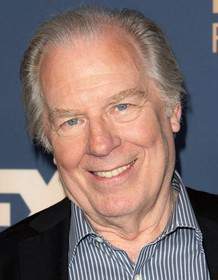
Michael McKean
Angel Joseph

Travis Fimmel
Dale Jordan
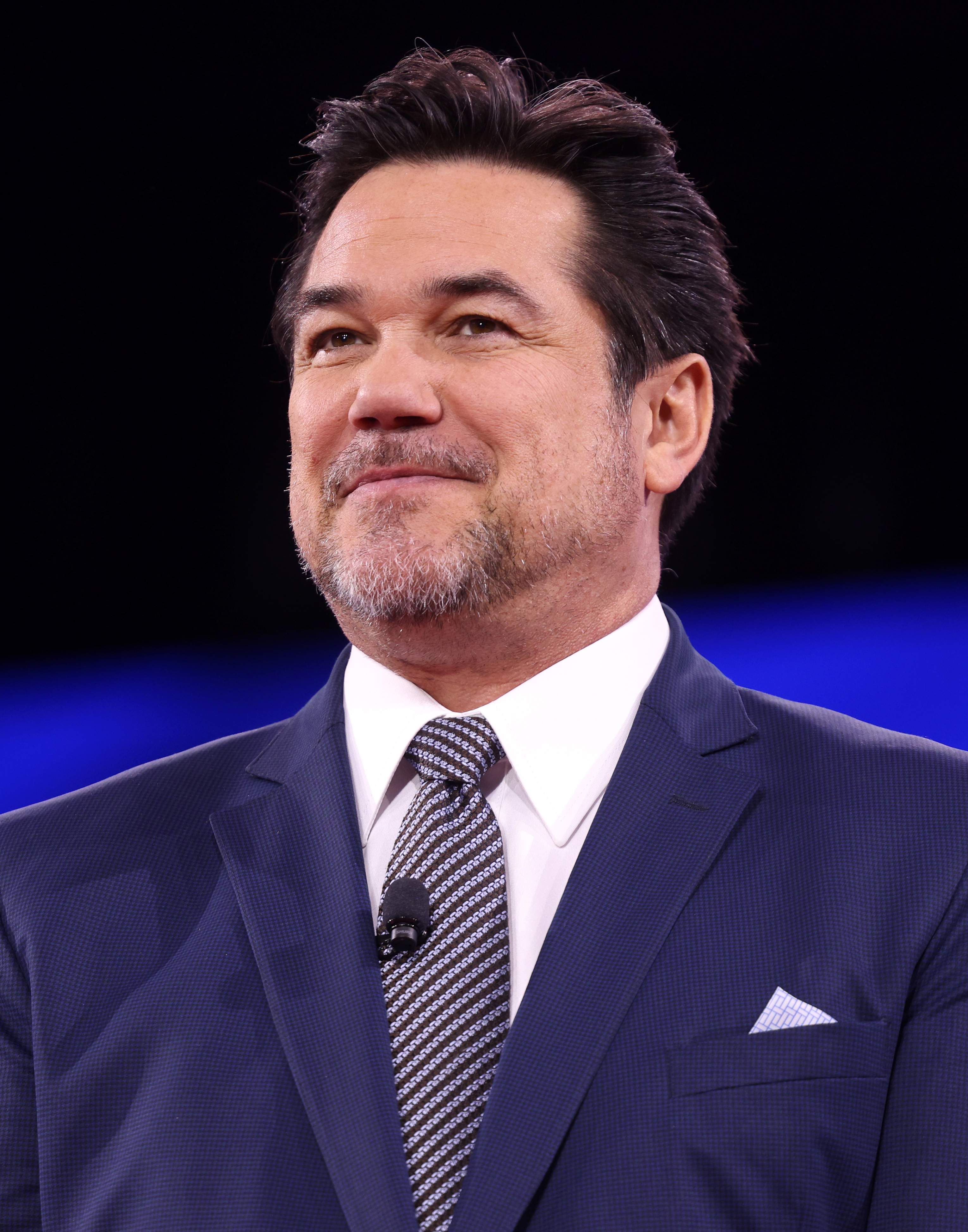
Dean Cain
Music Video Director

James DeForest Parker
Roy
Jackie Welch
Aunt Ella
William Katt
Winter
David Chattam
Manager
Bronson Pinchot
Angel Matthew
George Strait
George Strait
Katrina Elam
Bobbie Thomas
Heidi Brook Myers
Molly
Todd Truley
Keith
Michael Yama
Morita
Krisinda Cain
Sis
Yun Blair
Restaurant Patron (uncredited)
External Links and Streaming Options
Discover where to watch Pure Country 2: The Gift online, including streaming platforms, rental options, and official sources. Compare reviews, ratings, and in-depth movie information across sites like IMDb, TMDb, Wikipedia or Rotten Tomatoes.







Take the Ultimate Pure Country 2: The Gift Movie Quiz
Challenge your knowledge of Pure Country 2: The Gift with this fun and interactive movie quiz. Test yourself on key plot points, iconic characters, hidden details, and memorable moments to see how well you really know the film.
Pure Country 2: The Gift Quiz: Test your knowledge of the 2010 film Pure Country 2: The Gift with these ten questions ranging from easy to challenging.
What is the name of the young woman whose voice is considered a gift?
Full Plot Summary and Ending Explained for Pure Country 2: The Gift
Read the complete plot summary of Pure Country 2: The Gift, including all major events, twists, and the full ending explained in detail. Explore key characters, themes, hidden meanings, and everything you need to understand the story from beginning to end.
Pure Country 2: The Gift follows the rise, fall, and bittersweet redemption of a young singer named Bobbie Katrina Elam, a woman whose voice seems almost miraculous from the start. Born with a natural gift, she leaves her small town for Nashville, chasing a dream of becoming a country music star. Before she goes, her Aunt Ella Jackie Welch gives her a protective talisman—a locket holding a picture of her mother and a crisp hundred-dollar bill—and delivers three solemn rules that, according to the family lore, will determine whether the gift will ever truly blossom: never lie, always be fair, and never break a promise. Bobbie steps into a world where the surface shine of ambition often clashes with hard reality, and the city begins to test her in unexpected ways.
In Nashville, Bobbie lands work at a sushi restaurant owned by Morita [Michael Yama], a stern businessman who contends that anyone eyeing the music business will not hustle for a living. The kitchen is tight and the staff quick to talk behind Morita’s back, and when he asks Bobbie if she’s a singer, the truth comes out with a hard-edged simplicity: she says “No.” That single defiant word triggers the first sign of trouble, as the workers’ hushed reactions ripple through the room and the skies above seem to echo with angels who “wince” at the moment of truth. The film introduces a chorus of celestial observers—angels in heaven—watching as a young voice makes a choice with consequences beyond the ordinary.
Bobbie soon partners with a streetwise band calling themselves The Rising Sons, a group of musicians who perform together at Morita’s restaurant and dream of bigger stages. Their chemistry is immediate, and they persuade Morita to become their manager, seeing in him a blunt instrument of opportunity. An audition is arranged through a promoter, a character who believes the band’s talent is not enough to lift Bobbie to superstardom. The man’s skepticism might be justified in the eyes of the dreamers, but it also tests the faith that underpins Bobbie’s journey. As she navigates the conflicting messages from inside her circle and from outside, the second rule—never say, “it’s not fair”—begins to weigh heavier on her. In moments of frustration she blurts out the phrase, and the angels remark, “that’s two.”
Throughout this journey, Bobbie confronts unresolved questions about her father, a mystery she has carried since childhood. A television appearance provides a dramatic reveal: a long-lost father appears on air, and words are exchanged that sting with truth and hurt. The confrontation turns physical when a heated exchange with her father escalates, and a protective intervention by the country icon George Strait George Strait becomes a focal point in the moment’s memory. The scene underscores the fragile balance between triumph and personal cost, and how fame can magnify old wounds.
As Bobbie’s public star rises, the demands on her begin to clash with the rules that were meant to guard her gift. A strong wind sweeps across the stage, and with it goes her voice—the gift itself. In an instant, the singing voice that has defined her life vanishes, leaving her with tests she could never have prepared for. Specialists and experts examine her, revealing a startling biological truth about the way her larynx is formed: singing might have been a miracle she should never have possessed in the first place. The doctors speak with a cautious, clinical voice, and the truth lands hard: she may never sing again.
Bobbie returns home to Aunt Ella, confessing the loss of her voice and the realization that Aunt Ella knew every time Bobbie broke one of the rules. The elder woman speaks with a quiet, almost spectral wisdom: Bobbie’s heart is empty when it is not full, and only when her heart is full will she be able to sing from the heart. Aunt Ella’s words are a compass, not a verdict, and soon she reveals a deeper truth—that redemption requires making amends for past wrongs. Her passing shortly after Bobbie begins to listen to the gift provides a poignant turning point: the journey to heal the broken pathways of her life becomes inseparable from the fate of the voice itself.
With Aunt Ella gone, Bobbie returns to Nashville to seek forgiveness from Morita and The Rising Sons, and their forgiveness is granted in a gesture of shared humanity rather than mere professional reconciliation. A charity performance for a horse-therapy group becomes a platform not only to heal but to give back to the community that has supported her. The presence of her father and boyfriend in the audience adds emotional gravity to the moment, and when she steps onto the stage, she speaks with humility and resolve. The audience hears the words she offers with her heart, a declaration that blends gratitude with the ache of past losses:
I hope you’ll forgive the sound of my voice, but I’m singing from my heart. So please just listen to my heart.
As the crowd rises, the angels look on with a new and surprising understanding. A fresh wind of grace turns the celestial gaze from judgment to mercy, and a new angel—Aunt Ella—tells the others that the gift can be returned to Bobbie if she earns it back through honesty and reverence for the gift. The gift is sent back to her, and her voice—the instrument that has framed so much of her life—returns to its former glory. The film closes on a note of quiet triumph: Bobbie has walked through failure, heartbreak, and doubt, but she has earned the chance to sing again not because she demanded it, but because she learned to sing from the heart.
Across the story, the film weaves moments of humor and pathos with performances that underline the aspirational pull of Nashville’s music culture. The Road to redemption is paved with humility, forgiveness, and acts of generosity—moments where Bobbie uses her art to heal others, not just herself. The supporting cast—Dean Cain as the Music Video Director and James DeForest Parker as Roy—help populate a world that is as much about personal growth as it is about show business. The romantic and familial strands remain braided throughout: a father who longs for reconciliation, a partner who stands by, and a community that ultimately welcomes a voice that has learned to speak, sing, and give with integrity.
In the end, the story lingers on the idea that a gift is not just a talent to be showcased, but a responsibility to be stewarded. Bobbie’s journey—captured in the final image of the gift dancing around the angels—becomes a testament to resilience and redemption. The resolution is not simply the return of a singing voice but the reclamation of a self that chose honesty over easy fame, and connection over isolation. The film invites audiences to consider what they would do to protect a gift that has never asked for anything but to be used with heart and truth.

Coming soon on iOS and Android
The Plot Explained Mobile App
From blockbusters to hidden gems — dive into movie stories anytime, anywhere. Save your favorites, discover plots faster, and never miss a twist again.
Sign up to be the first to know when we launch. Your email stays private — always.
Explore the mobile appWatch Trailers, Clips & Behind-the-Scenes for Pure Country 2: The Gift
Watch official trailers, exclusive clips, cast interviews, and behind-the-scenes footage from Pure Country 2: The Gift. Dive deeper into the making of the film, its standout moments, and key production insights.
Cars Featured in Pure Country 2: The Gift
Explore all cars featured in Pure Country 2: The Gift, including their makes, models, scenes they appear in, and their significance to the plot. A must-read for car enthusiasts and movie buffs alike.
Pure Country 2: The Gift Other Names and Titles
Explore the various alternative titles, translations, and other names used for Pure Country 2: The Gift across different regions and languages. Understand how the film is marketed and recognized worldwide.
Quick Links: Summary, Cast, Ratings, More

What's After the Movie?
Not sure whether to stay after the credits? Find out!
Check out our other apps:

SAT Sphere
Build confidence for the Digital SAT.

Mori Atlas
Discover wild places worth protecting.

Luntero
Search smarter for a home in Amsterdam.

Plot Explained
Unravel movie endings and hidden clues.

Pokechamp
Dive into Pokémon data and battle logic.

Driving Theory
Get ready for your European theory test.

Movie Dust
Plan your next cinema trip with ease.

Musemap
Find art and culture as you travel.

Selkobase
Compare credentials before committing.

Local Manual
Turn an unfamiliar country into practical next steps.

Lernavi
Compare school systems before your next move.

GymRoam
Find a workout stop wherever your plans take you.
Explore Our Movie Platform
New Movie Releases (2026)
Famous Movie Actors
Top Film Production Studios
Movie Plot Summaries & Endings
Major Movie Awards & Winners
Best Concert Films & Music Documentaries
Movie Collections and Curated Lists
© 2026 What's After the Movie. All rights reserved.
Privacy Policy