Portnoy’s Complaint 1972


During a psychoanalytic session, Alexander Portnoy delivers a monologue about his childhood, his mother, his sexual fantasies and relationships with women, and his obsessive preoccupation with his Jewish identity. The film adapts Philip Roth’s novel, using therapy to expose Portnoy’s desires, guilt and the clash between freedom and cultural norms.

Does Portnoy’s Complaint have end credit scenes?
No!
Portnoy’s Complaint does not have end credit scenes. You can leave when the credits roll.
Meet the Full Cast and Actors of Portnoy’s Complaint
Explore the complete cast of Portnoy’s Complaint, including both lead and supporting actors. Learn who plays each character, discover their past roles and achievements, and find out what makes this ensemble cast stand out in the world of film and television.

John Carradine
Judge (voice) (uncredited)

Karen Black
Mary Jane Reid a.k.a. Monkey

Kevin Conway
Smolka

Lee Grant
Sophie Portnoy

Jill Clayburgh
Naomi
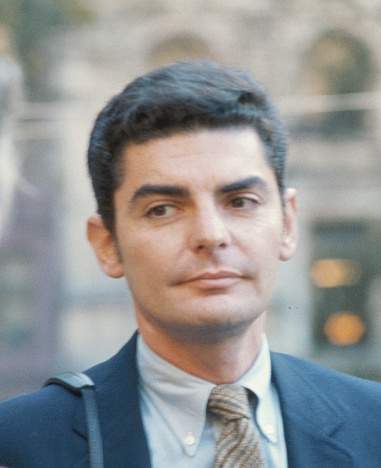
Richard Benjamin
Alexander Portnoy

Jack Somack
Jack Portnoy
Jeannie Berlin
Bubbles Girardi
Lewis J. Stadlen
Mandel (as Lewis Stadlen)
John P. Dulaney
Background (uncredited)
Jessica Rains
Opening Girl
Ernest Lehman
Francesca De Sapio
Lina, Rome Prostitute
Carmen Zapata
Mrs. Harero (uncredited)
Renée Lippin
Hannah Portnoy
Tony Brande
Cab Driver
Eleanor Zee
Woman in Hospital Bed
Minta Durfee
Elevator Lady #1 (uncredited)
Arline Bletcher
Elevator Lady #2 (uncredited)
William Pabst
Clerk at Inn
D.P. Barnes
Dr. Spielvogel
Mike De Anda
Mr. Harero (uncredited)
Burt Richards
Street Vendor (uncredited)
Darryl Seamen
Alexander, Age 8 (uncredited)
Yaffa Sharir
Stewardess (uncredited)
External Links and Streaming Options
Discover where to watch Portnoy’s Complaint online, including streaming platforms, rental options, and official sources. Compare reviews, ratings, and in-depth movie information across sites like IMDb, TMDb, Wikipedia or Letterboxd.





Full Plot Summary and Ending Explained for Portnoy’s Complaint
Read the complete plot summary of Portnoy’s Complaint, including all major events, twists, and the full ending explained in detail. Explore key characters, themes, hidden meanings, and everything you need to understand the story from beginning to end.
Alexander Portnoy, Richard Benjamin, a Jewish man who serves as the assistant commissioner of human opportunity for New York City, sits down for a long, therapy session with a psychoanalyst who never speaks on screen. This framing device lets Portnoy’s voice lead the narrative as he revisits a life shaped by pressure, desire, and a persistent preoccupation with faith. Through the session, the film unpacks a web of memories and impulses, presenting a portrait that is candid, provocative, and at times unsettling, yet told with a steady, almost clinical calm that keeps the focus on inner conflict rather than sensationalism.
Through flashbacks, we witness Portnoy’s romantic entanglements and the forces that shaped his attitudes toward love and control. Bubbles Girardi, Jeannie Berlin, the daughter of a local hoodlum, becomes one of his affairs and marks a pattern of volatile, risk-laden encounters. Naomi, Jill Clayburgh, a leftist Israeli, enters his life in a moment where ideology and sexuality collide, leaving him stretched between impulse and restraint. And Mary Jane Reid, Karen Black, a Gentile whose nickname Monkey captures her remarkable agility in a variety of sexual positions, represents a dream partner who also becomes a source of pressure and confrontation. These relationships illuminate Portnoy’s difficulties with women, his self-doubt, and the way his religion and cultural identity loom over intimate moments.
Mary Jane initially seems to embody the ideal relationship Portnoy longs for, yet as the dynamic grows more intense, he recoils from committing to a permanent bond. The narrative recalls episodes that culminate in a traumatic fight and the memory of her suicide by jumping from a building, a memory that haunts him and distorts his sense of responsibility and guilt. Yet the film’s final act complicates this memory: Portnoy leaves his therapist’s office into a crowded New York street, and in a striking, ambiguous moment, he glimpses Mary Jane walking in the opposite direction, still alive. That chance encounter casts doubt on the reliability of his entire confession and leaves the viewer questioning what is real, what is remembered, and what remains unresolved in the telling.
Structurally, the film intertwines confession with memory and urban realism, using Portnoy’s internal monologue as a lens to explore the fragility of memory and the ways fear, desire, and tradition can skew truth. The silent therapist’s presence reinforces the sense that much of what we see is filtered through Portnoy’s psyche, inviting the audience to weigh who is telling the story and how much of it can be trusted. In tone, the movie maintains a sober, observational approach, avoiding sensationalism even as it confronts taboo subjects and uncomfortable impulses. The result is a provocative, thought-provoking portrait of a man wrestling with his own impulses, the expectations of his community, and the elusive possibility of self-understanding in a city that never stops moving.

Coming soon on iOS and Android
The Plot Explained Mobile App
From blockbusters to hidden gems — dive into movie stories anytime, anywhere. Save your favorites, discover plots faster, and never miss a twist again.
Sign up to be the first to know when we launch. Your email stays private — always.
Explore the mobile appWatch Trailers, Clips & Behind-the-Scenes for Portnoy’s Complaint
Watch official trailers, exclusive clips, cast interviews, and behind-the-scenes footage from Portnoy’s Complaint. Dive deeper into the making of the film, its standout moments, and key production insights.
Cars Featured in Portnoy’s Complaint
Explore all cars featured in Portnoy’s Complaint, including their makes, models, scenes they appear in, and their significance to the plot. A must-read for car enthusiasts and movie buffs alike.
Portnoy’s Complaint Themes and Keywords
Discover the central themes, ideas, and keywords that define the movie’s story, tone, and message. Analyze the film’s deeper meanings, genre influences, and recurring concepts.
Portnoy’s Complaint Other Names and Titles
Explore the various alternative titles, translations, and other names used for Portnoy’s Complaint across different regions and languages. Understand how the film is marketed and recognized worldwide.
Similar Movies To Portnoy’s Complaint You Should Know About
Browse a curated list of movies similar in genre, tone, characters, or story structure. Discover new titles like the one you're watching, perfect for fans of related plots, vibes, or cinematic styles.











Quick Links: Summary, Cast, Ratings, More

What's After the Movie?
Not sure whether to stay after the credits? Find out!
Check out our other apps:

SAT Sphere
Build confidence for the Digital SAT.

Mori Atlas
Discover wild places worth protecting.

Luntero
Search smarter for a home in Amsterdam.

Plot Explained
Unravel movie endings and hidden clues.

Pokechamp
Dive into Pokémon data and battle logic.

Driving Theory
Get ready for your European theory test.

Movie Dust
Plan your next cinema trip with ease.

Musemap
Find art and culture as you travel.

Selkobase
Compare credentials before committing.

Local Manual
Turn an unfamiliar country into practical next steps.

Lernavi
Compare school systems before your next move.

GymRoam
Find a workout stop wherever your plans take you.
Explore Our Movie Platform
New Movie Releases (2026)
Famous Movie Actors
Top Film Production Studios
Movie Plot Summaries & Endings
Major Movie Awards & Winners
Best Concert Films & Music Documentaries
Movie Collections and Curated Lists
© 2026 What's After the Movie. All rights reserved.
Privacy Policy