Pope John Paul II 2005


Chronicles the life of Pope John Paul II, who led the Catholic Church for 26 years until his death. It follows his historic papal travels to more than 120 nations, his role in supporting human rights and democratic movements, and the lasting impact of his spiritual and diplomatic legacy.


Does Pope John Paul II have end credit scenes?
No!
Pope John Paul II does not have end credit scenes. You can leave when the credits roll.
Meet the Full Cast and Actors of Pope John Paul II
Explore the complete cast of Pope John Paul II, including both lead and supporting actors. Learn who plays each character, discover their past roles and achievements, and find out what makes this ensemble cast stand out in the world of film and television.
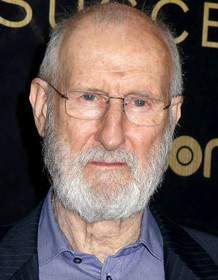
James Cromwell
Cardinal Adam Sapieha
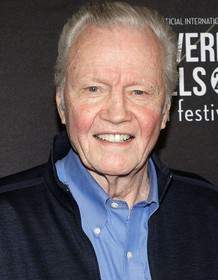
Jon Voight
Pope John Paul II / Karol Wojtyla
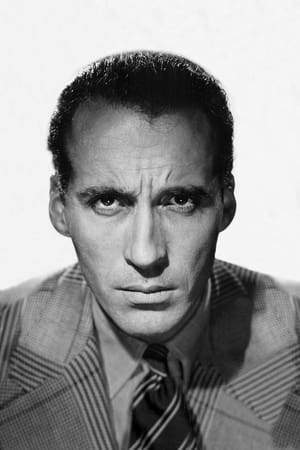
Christopher Lee
Kardinal Stefan Wyszyński
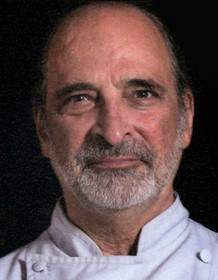
Andy Luotto
Homeless person
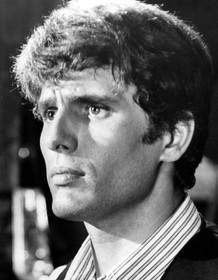
Giuliano Gemma
Dr. Joaquín Navarro-Valls
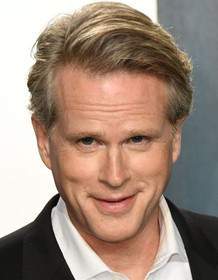
Cary Elwes
Young Karol Wojtyla
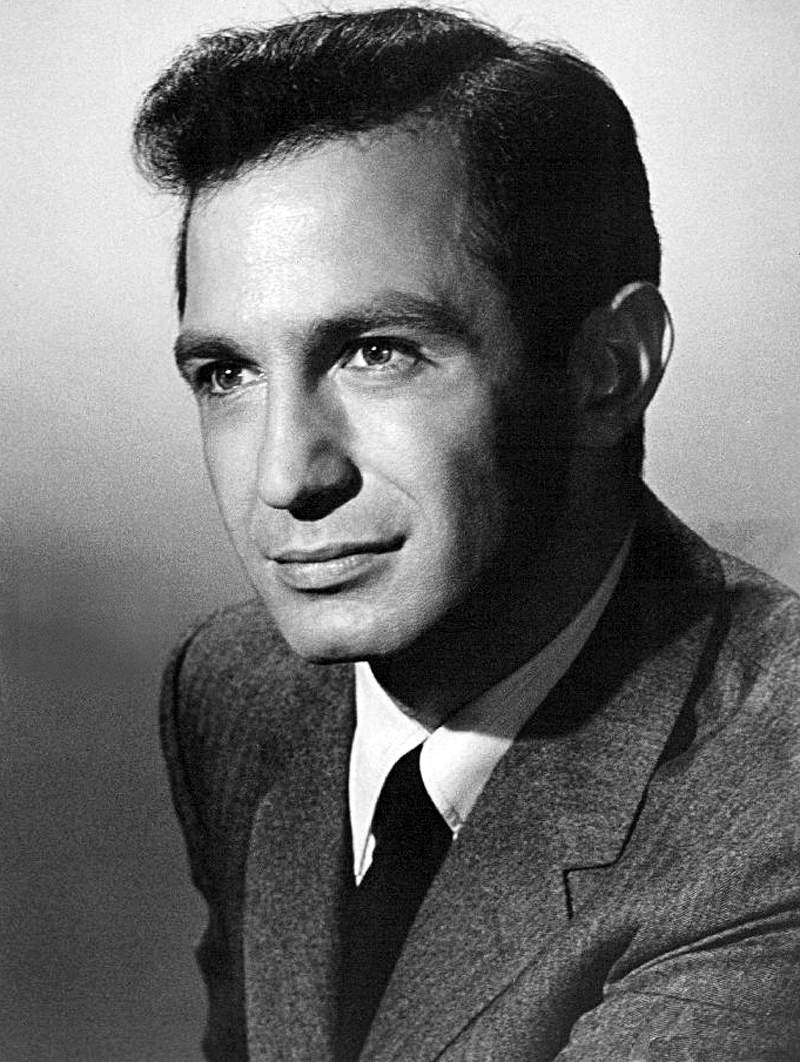
Ben Gazzara
Kardinal Agostino Casaroli

Wenanty Nosul
Don Stanisław Dziwisz
Daniele Pecci
Roman
Krzysztof Pieczyński
Czerny
Vittoria Belvedere
Eva
Ettore Bassi
Gapa
Valéria Cavalli
Teresa
Mikołaj Grabowski
Card. Joseph Ratzinger
Chiara Conti
Anna
Fabrizio Bucci
Krysztof Zachuta
Giulietta Revel
Halina
Harald Posch
Hans Frank
External Links and Streaming Options
Discover where to watch Pope John Paul II online, including streaming platforms, rental options, and official sources. Compare reviews, ratings, and in-depth movie information across sites like IMDb, TMDb, Wikipedia or JustWatch.





Full Plot Summary and Ending Explained for Pope John Paul II
Read the complete plot summary of Pope John Paul II, including all major events, twists, and the full ending explained in detail. Explore key characters, themes, hidden meanings, and everything you need to understand the story from beginning to end.
[The following summary is rephrased from the provided material, with actor links inserted at first mentions of characters where applicable.]
The miniseries opens in 1981 with the Pope John Paul II assassination attempt, then slides back to the early life of the Polish pope-to-be, the Young Karol Wojtyla, who survives World War II through work in Kraków’s Zakrzowek quarry and at Solvay’s chemical plant, while secretly nurturing Poland’s cultural pulse through the Theatre of Poland. He answers a calling to the priesthood and enters an underground seminary, taking a nonviolent path through the Polish Resistance. As the war ends in 1945, Poland endures Soviet occupation and the looming grip of Communist rule.
Wojtyla is ordained in 1946 and travels to Rome for graduate studies, all while the Communists hunt down anyone tied to the Home Army or the government-in-exile. He returns to Poland in 1948 for his first pastoral assignment in Niegowic, then moves in 1949 to St. Florian’s church in Kraków where he also serves as a counselor to students at Jagiellonian University. The death of Cardinal Adam Sapieha in 1951 marks a turning point, followed by Wojtyla’s growing influence as Poland’s religious and moral landscape shifts under pressure from the state.
In 1956 he becomes an ethics professor at the Catholic University of Lublin, and by 1958 the Holy See appoints him Kraków’s auxiliary bishop—Poland’s youngest bishop ever. The following year he presides over Nowa Huta’s Christmas Eve Mass outdoors, a symbolic act in the face of the regime’s “city without God.” His role grows through the Vatican II era, where his charisma, languages, and views earn him recognition among foreign cardinals. After being elevated to a cardinal in 1967 by Pope Paul VI, Wojtyla returns to Poland as [Cardinal Karol Wojtyla], and a miraculous moment occurs when he prays to Padre Pio and heals a bone‑marrow cancer patient—an event that travels beyond borders and deepens his mystique.
The death of Paul VI in 1978 sparks a papal conclave that first elevates Albino Cardinal Luciani as Pope John Paul I, who dies just 33 days later. The cardinals reconvene, and Wojtyla—urged by his mentor Kardinal Stefan Wyszyński to accept if elected—emerges as the choice to carry Poland’s voice onto the global stage. This marks the ascent to the papacy widely known as John Paul II, an event that transcends national boundaries and reshapes the Catholic Church’s engagement with the world.
Part 2 picks up on October 16, 1978, with the historic papal election that makes the first non-Italian pope since Adrian VI. In his inaugural address he repeats a message that will echo through decades: [Pope John Paul II] is a force for dialogue and resilience, inviting the faithful and skeptics alike to believe in possibility. His early years in the Vatican are marked by a swift pace of diplomacy and outreach: mediations over the Beagle conflict, a first papal encyclical—Redemptor Hominis—and a series of international visits that captivate millions in Poland, Mexico, and the United States. His outreach to Lech Walesa at the Vatican crystallizes support for Solidarity, while the assassination attempt in 1981 tests his resolve and his resolve to heal. In the wake of the shooting, he maintains contact with [Kardinal Stefan Wyszyński], who dies in Poland shortly after the incident, underscoring the personal toll of leadership.
Back in Rome, the papacy reshapes its inner machinery: Cardinal Joseph Ratzinger is appointed as Prefect of the Congregation for the Doctrine of the Faith, signaling a shift in doctrinal governance. The pope’s ongoing outreach is complemented by encounters with world leaders, including a visit from Ronald Reagan and Nancy Reagan, and an unwavering choice to confront the pain of the era head‑on. The papacy continues to widen its media reach with the appointment of Dr. Joaquín Navarro-Valls as director of the Holy See Press Office in 1984, forging a new era of communication for the church. The pontiff’s life becomes a tapestry of triumphs and trials: from the ongoing struggle with the Soviet bloc to the intensifying debate around social ethics and human rights.
Across the 1980s and into the 1990s, Pope John Paul II addresses a host of global issues, including the Gulf War context and debates on abortion, the enduring fight to reconcile Christian and Jewish communities, and the Conviction that faith can contribute to peace in a restless world. His personal spirituality deepens as he faces Parkinson’s disease with the same resolve that characterized his public ministry, and he authors or promotes writings like Evangelium Vitae, seeking a cultural shift toward a more compassionate understanding of life. He also works toward greater dialogue with Israel, seeking to repair strained Holy See–Israel relations, and he issues a broad call for accountability within the church, including addressing the sex abuse crisis that becomes a defining, painful chapter of his later years.
The narrative culminates with his continued international presence, a record of spiritual leadership under pressure, and a lasting commitment to public prayer and personal sacrifice. The end of the film montage, paired with a final voiceover of his last requests and earlier life’s milestones, invites viewers to reflect on a pope who traveled the world, faced scandal and tragedy with humility, and left a complicated but enduring legacy on the modern Catholic Church.
be not afraid
In this epic, every major moment of John Paul II’s life is presented with care, showing how a Polish priest rose to become a global symbol of resilience, reconciliation, and faith in the face of history’s most challenging moments. The cast—through vivid performances by actors such as Pope John Paul II, Young Karol Wojtyla, Cardinal Adam Sapieha, Kardinal Stefan Wyszyński, Dr. Joaquín Navarro-Valls, Cardinal Agostino Casaroli, Don Stanisław Dziwisz, Roman, Czerny, Eva, Gapa, Teresa, Cardinal Joseph Ratzinger, Anna, Krysztof Zachuta, Halina, Hans Frank—gives life to a sweeping story of faith, power, and perseverance across decades of upheaval.

Coming soon on iOS and Android
The Plot Explained Mobile App
From blockbusters to hidden gems — dive into movie stories anytime, anywhere. Save your favorites, discover plots faster, and never miss a twist again.
Sign up to be the first to know when we launch. Your email stays private — always.
Explore the mobile appDiscover Film Music Concerts Near You – Live Orchestras Performing Iconic Movie Soundtracks
Immerse yourself in the magic of cinema with live orchestral performances of your favorite film scores. From sweeping Hollywood blockbusters and animated classics to epic fantasy soundtracks, our curated listings connect you to upcoming film music events worldwide.
Explore concert film screenings paired with full orchestra concerts, read detailed event information, and secure your tickets for unforgettable evenings celebrating legendary composers like John Williams, Hans Zimmer, and more.


Pope John Paul II Themes and Keywords
Discover the central themes, ideas, and keywords that define the movie’s story, tone, and message. Analyze the film’s deeper meanings, genre influences, and recurring concepts.
Pope John Paul II Other Names and Titles
Explore the various alternative titles, translations, and other names used for Pope John Paul II across different regions and languages. Understand how the film is marketed and recognized worldwide.
Similar Movies To Pope John Paul II You Should Know About
Browse a curated list of movies similar in genre, tone, characters, or story structure. Discover new titles like the one you're watching, perfect for fans of related plots, vibes, or cinematic styles.


Quick Links: Summary, Cast, Ratings, More

What's After the Movie?
Not sure whether to stay after the credits? Find out!
Check out our other apps:

SAT Sphere
Build confidence for the Digital SAT.

Mori Atlas
Discover wild places worth protecting.

Luntero
Search smarter for a home in Amsterdam.

Plot Explained
Unravel movie endings and hidden clues.

Pokechamp
Dive into Pokémon data and battle logic.

Driving Theory
Get ready for your European theory test.

Movie Dust
Plan your next cinema trip with ease.

Musemap
Find art and culture as you travel.

Selkobase
Compare credentials before committing.

Local Manual
Turn an unfamiliar country into practical next steps.

Lernavi
Compare school systems before your next move.

GymRoam
Find a workout stop wherever your plans take you.
Explore Our Movie Platform
New Movie Releases (2026)
Famous Movie Actors
Top Film Production Studios
Movie Plot Summaries & Endings
Major Movie Awards & Winners
Best Concert Films & Music Documentaries
Movie Collections and Curated Lists
© 2026 What's After the Movie. All rights reserved.
Privacy Policy