
Peter von Kant 2022

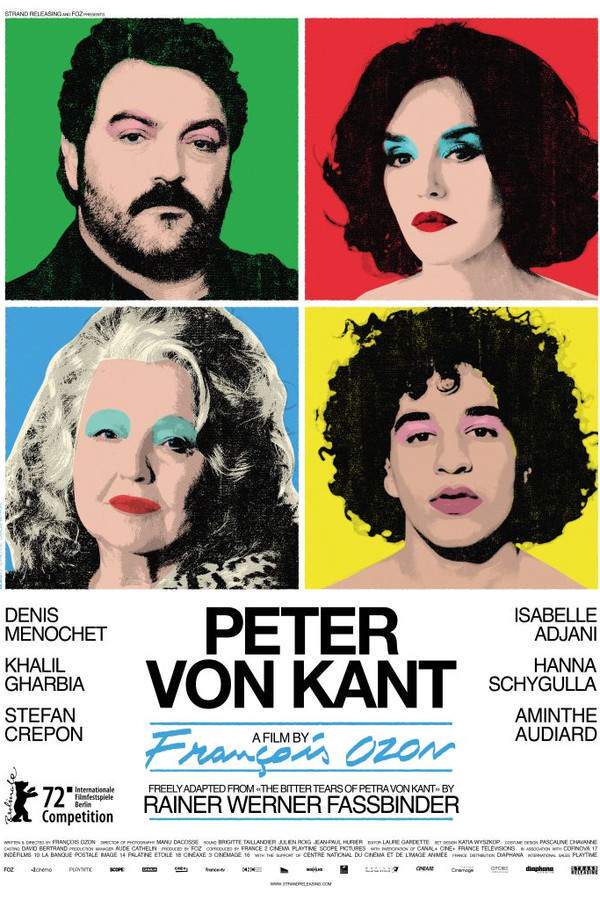
The life of acclaimed director Peter von Kant is thrown into turmoil by his complicated relationship with his assistant, Karl. Finding comfort in the company of actress Sidonie and Amir, a young man from a less privileged background, Peter’s controlling behavior and patronizing nature are brought to light. The film explores the complexities of power dynamics and the often-blurred boundaries between guidance and manipulation, revealing a vulnerable side to the celebrated director.

Does Peter von Kant have end credit scenes?
No!
Peter von Kant does not have end credit scenes. You can leave when the credits roll.
Meet the Full Cast and Actors of Peter von Kant
Explore the complete cast of Peter von Kant, including both lead and supporting actors. Learn who plays each character, discover their past roles and achievements, and find out what makes this ensemble cast stand out in the world of film and television.




External Links and Streaming Options
Discover where to watch Peter von Kant online, including streaming platforms, rental options, and official sources. Compare reviews, ratings, and in-depth movie information across sites like IMDb, TMDb, Wikipedia or Rotten Tomatoes.









Ratings and Reviews for Peter von Kant
See how Peter von Kant is rated across major platforms like IMDb, Metacritic, and TMDb. Compare audience scores and critic reviews to understand where Peter von Kant stands among top-rated movies in its genre.

The Movie Echo Score
Peter von Kant elicits a mixed response, with critics and viewers acknowledging the film’s competent direction and striking visual design while questioning its narrative ambition. Performances, particularly from Isabelle Adjani and Denis Ménochet, are repeatedly highlighted as a strength, yet the story is described as derivative and at times banal. The soundtrack and sound design receive modest praise, contributing to an overall experience that feels polished but uneven. Consequently, the film offers limited incentive for repeat viewings, resulting in an average overall rating.
The Movie Echo Score Breakdown for Peter von Kant

Art & Craft
In terms of art and craft, the film benefits from meticulous set design and claustrophobic cinematography that create a vivid, contained world. Critics note that Ozon’s direction is precise, with purposeful editing that maintains a tight runtime. However, some reviewers argue that the visual approach does not break new ground and feels overly derivative of Fassbinder’s original. Overall, the craftsmanship is solid and occasionally impressive, though it lacks innovative flair.

Character & Emotion
When it comes to character and emotion, the cast delivers nuanced performances that many reviewers commend as the film’s primary asset. Isabelle Adjani and Denis Ménochet are praised for embodying their roles without slipping into impersonation. Nevertheless, multiple critiques point out that the characters remain shallow and stereotypical, limiting emotional resonance. The overall impression is that strong acting elevates underdeveloped roles, resulting in a moderately positive assessment of this aspect.

Story & Flow
Regarding story and flow, the narrative is frequently characterized as derivative and occasionally tedious. Critics observe that the gender‑swapped remake does not venture beyond the original’s themes, leading to a sense of redundancy. Pacing is described as measured yet lacking tension, and the plot’s originality is questioned throughout. While some viewers find the theatrical framing intriguing, the consensus leans toward a modestly negative evaluation of the film’s storytelling.

Sensory Experience
In the sensory experience domain, the film’s visual style is praised for its meticulous production design and effective use of confined spaces. Sound design and the score receive moderate commendation, with one user specifically highlighting the music’s appeal. Though the audiovisual elements contribute to an immersive atmosphere, they are not highlighted as groundbreaking, and occasional repetition is noted. The net impression is a competent but not outstanding sensory execution.

Rewatch Factor
Assessing rewatch factor, the film offers limited incentive for multiple viewings. While devoted fans of Ozon or Fassbinder may appreciate the homage and strong performances, the story’s lack of depth and the film’s overall modest ambition reduce its lasting appeal. Some reviewers mention brief pleasures that could warrant a second look, yet the consensus suggests that repeat engagement is unlikely to be compelling for most audiences.

63
Metascore
6.0
User Score


76%
TOMATOMETER

50%
User Score

6.3 /10
IMDb Rating

57
%
User Score

3.1
From 11 fan ratings

5.00/5
From 1 fan rating
Take the Ultimate Peter von Kant Movie Quiz
Challenge your knowledge of Peter von Kant with this fun and interactive movie quiz. Test yourself on key plot points, iconic characters, hidden details, and memorable moments to see how well you really know the film.
Peter von Kant Quiz: Test your knowledge on the dramatic life and relationships of filmmaker Peter von Kant in this emotional quiz.
What decade is 'Peter von Kant' set in?
Full Plot Summary and Ending Explained for Peter von Kant
Read the complete plot summary of Peter von Kant, including all major events, twists, and the full ending explained in detail. Explore key characters, themes, hidden meanings, and everything you need to understand the story from beginning to end.
In the 1970s in Cologne, Peter von Kant is a filmmaker in his 40s who is experiencing growing success. Having gone through a difficult love affair, he now lives with his assistant Karl, who is totally devoted to him despite being mistreated.
Through Sidonie, a famous actress whose career he had once launched, he meets the young and handsome North African actor Amir. Quickly falling in love with him, Peter takes him under his wing and fast-tracks their relationship, quickly casting him in his new film’s lead role. Amir drives Peter wild with jealousy, leading to a series of shouting matches and cruel power plays. Ultimately, the couple hits their breaking point, and Amir returns to his wife, resulting in a dramatic and emotional finale in which Peter rails at his daughter, mother, and best friend and collapses. After his mother soothes him to sleep, the now successful Amir telephones Peter and asks to see him, but Peter finds the strength to turn him down. He approaches his long-suffering assistant Karl and attempts to deepen their relationship, but when the seemingly emotionally overwhelmed Karl draws near him, he spits in Peter’s face before walking out on him for good. Alone, Peter watches film he shot of Amir in the early days of their relationship while weeping.

Watch Trailers, Clips & Behind-the-Scenes for Peter von Kant
Watch official trailers, exclusive clips, cast interviews, and behind-the-scenes footage from Peter von Kant. Dive deeper into the making of the film, its standout moments, and key production insights.
Peter von Kant Themes and Keywords
Discover the central themes, ideas, and keywords that define the movie’s story, tone, and message. Analyze the film’s deeper meanings, genre influences, and recurring concepts.
Peter von Kant Other Names and Titles
Explore the various alternative titles, translations, and other names used for Peter von Kant across different regions and languages. Understand how the film is marketed and recognized worldwide.
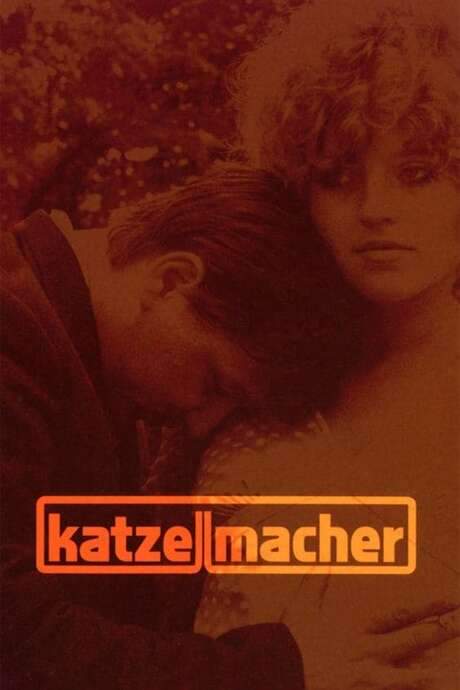
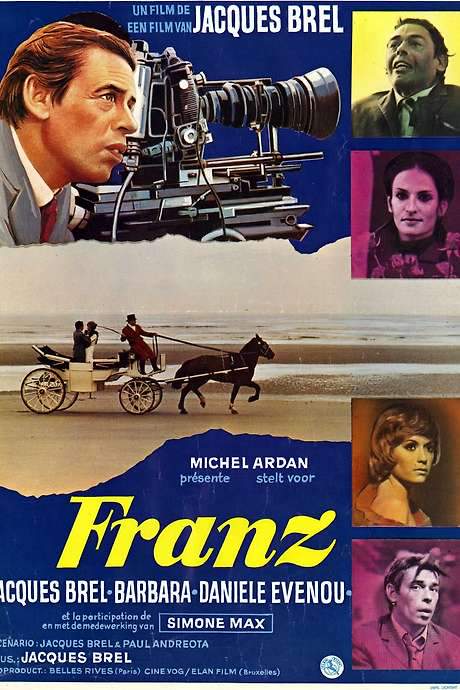
Similar Movies To Peter von Kant You Should Know About
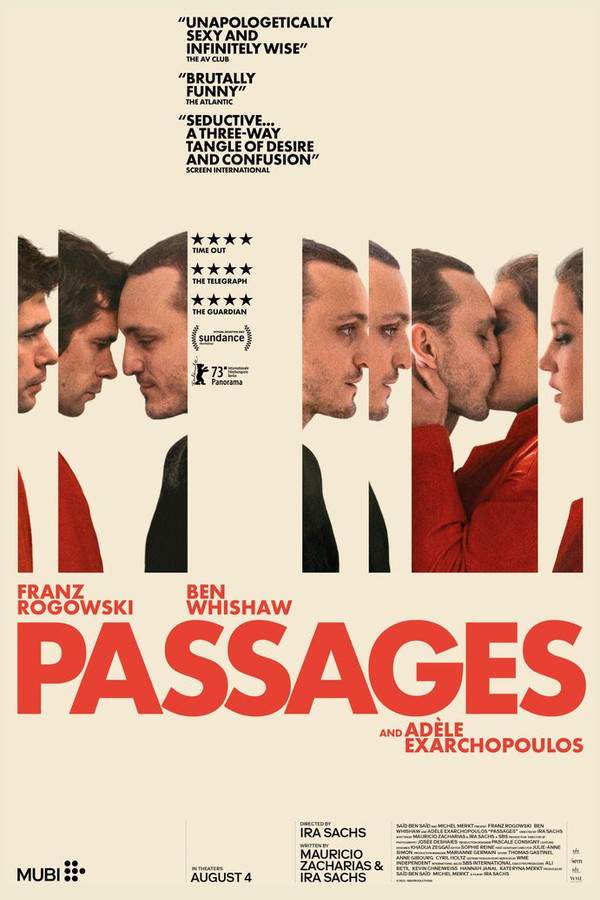
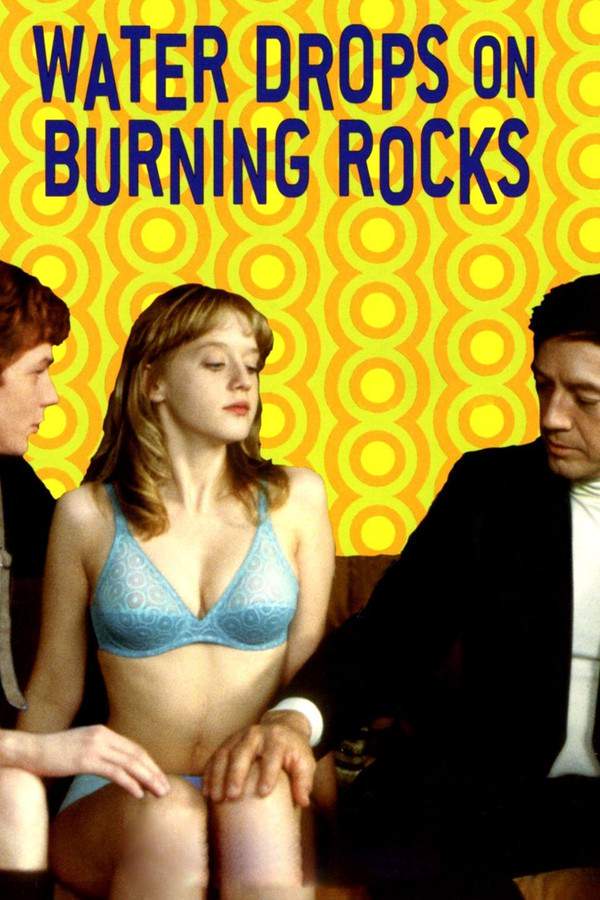
Browse a curated list of movies similar in genre, tone, characters, or story structure. Discover new titles like the one you're watching, perfect for fans of related plots, vibes, or cinematic styles.






Quick Links: Summary, Cast, Ratings, More

What's After the Movie?
Not sure whether to stay after the credits? Find out!




Explore Our Movie Platform
New Movie Releases (2025)
Famous Movie Actors
Top Film Production Studios
Movie Plot Summaries & Endings
Major Movie Awards & Winners
Best Concert Films & Music Documentaries
Movie Collections and Curated Lists
© 2025 What's After the Movie. All rights reserved.