Past Lives 2023

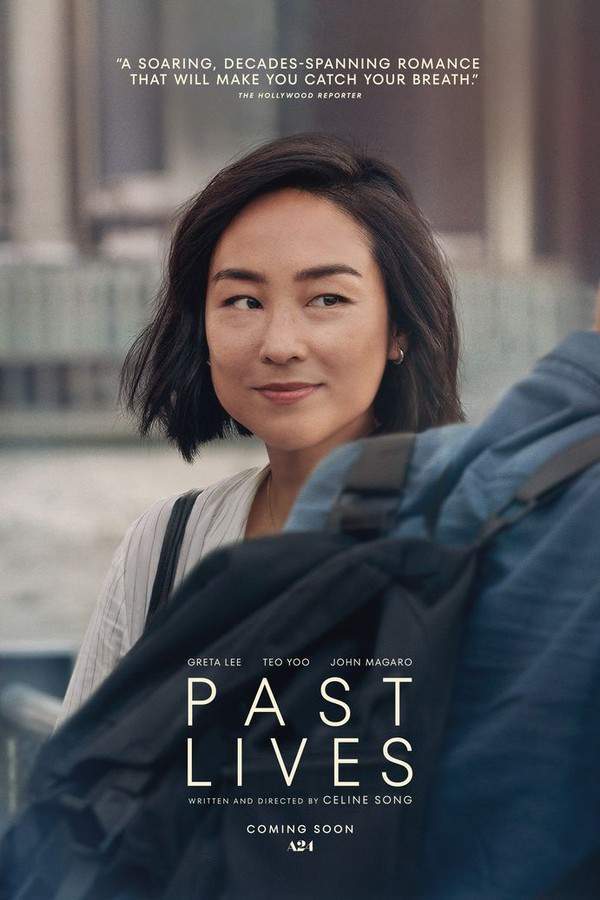
Two childhood friends, Nora and Hae Sung, reconnect across two decades and thousands of miles. The story follows their poignant reunion and explores themes of identity, longing, and the impact of choices made. As they spend a week together, they reflect on the paths their lives have taken and consider the possibility of a deeper connection, confronting what might have been.
Does Past Lives have end credit scenes?
No!
Past Lives does not have end credit scenes. You can leave when the credits roll.
Where to Watch Past Lives
See current US streaming, rental, and purchase options for Past Lives (2023) via JustWatch.

Amazon Video
SD
Apple TV Store
4K
Fandango At Home
SD
Google Play Movies
SD
Plex
HD
Rakuten Viki
HD
Spectrum On Demand
HD
YouTube
SD Streaming availability powered by 
Meet the Full Cast and Actors of Past Lives
Explore the complete cast of Past Lives, including both lead and supporting actors. Learn who plays each character, discover their past roles and achievements, and find out what makes this ensemble cast stand out in the world of film and television.



External Links and Streaming Options
Discover where to watch Past Lives online, including streaming platforms, rental options, and official sources. Compare reviews, ratings, and in-depth movie information across sites like IMDb, TMDb, Wikipedia or Rotten Tomatoes.










Ratings and Reviews for Past Lives
See how Past Lives is rated across major platforms like IMDb, Metacritic, and TMDb. Compare audience scores and critic reviews to understand where Past Lives stands among top-rated movies in its genre.

The Movie Echo Score
Past Lives presents a thoughtfully crafted romantic drama that shines through its meticulous visual style and emotionally textured performances. Critics highlight the film’s breathtaking cinematography and the director’s deft handling of metaphysical themes, while users repeatedly commend Greta Lee and Teo Yoo for delivering nuanced, heartfelt portrayals. The narrative’s measured pacing and contemplative structure, however, have drawn occasional criticism for slowing momentum. Overall, the film succeeds in creating an enduring, emotionally resonant experience that rewards attentive viewers.
The Movie Echo Score Breakdown for Past Lives

Art & Craft
In terms of art and craft, Past Lives demonstrates a refined visual language and purposeful composition. Critics praise the film’s “breathtaking” cinematography, its delicate framing, and the director’s subtle editing that sustains a slow, immersive rhythm. User commentary echoes this admiration, noting lingering shots, a soft soundscape, and a photography that accentuates cultural settings. The cumulative effect is a cohesive aesthetic that supports the story without overt flourish.

Character & Emotion
When evaluating character and emotion, the film benefits from strong, nuanced performances. Reviewers highlight Greta Lee’s subtle facial expressiveness and Teo Yoo’s body language as anchors of emotional truth, while John Magaro’s supporting turn adds depth. Users describe the leads as “powerhouse” and note the authentic chemistry that grounds the narrative. Although a few viewers felt secondary characters lacked development, the primary portrayals consistently convey measured, resonant feeling.

Story & Flow
Regarding story and flow, Past Lives presents a look at fate and personal history. Critics praise its original reincarnation premise and deliberate pacing that encourages emotional reflection, yet some find the narrative overly polite or sluggish. User reactions echo this split, with many valuing the thoughtful structure while others note uneven momentum and wish for tighter editing. The plot stays coherent but may test viewers who prefer a brisker pace.

Sensory Experience
In the sensory domain, the film’s soundscape and visual palette reinforce its emotional tone. Critics and users note the soft, lingering soundtrack that recalls ‘Eternal Sunshine,’ and the cinematography’s ability to capture textures through measured lighting and composition. The sound design stays unobtrusive while amplifying quiet moments, and the color palette subtly shifts across time periods. Together these elements create an immersive atmosphere that supports the narrative without overwhelming it.

Rewatch Factor
Regarding rewatch factor, Past Lives leaves a lingering emotional imprint that invites multiple viewings. Critics emphasize its lasting romantic delicacy and thematic depth, suggesting it stays with audiences beyond the credits. Users echo this sentiment, calling the film powerful and moving, and noting that the slow, reflective pace rewards repeated attention to subtle details. While some find the pacing taxing, the overall resonance encourages repeat engagement.

94
Metascore
7.9
User Score


95%
TOMATOMETER

93%
User Score

7.8 /10
IMDb Rating

/5
Take the Ultimate Past Lives Movie Quiz
Challenge your knowledge of Past Lives with this fun and interactive movie quiz. Test yourself on key plot points, iconic characters, hidden details, and memorable moments to see how well you really know the film.
Past Lives Quiz: Test your knowledge about the poignant story of love and destiny in 'Past Lives'.
What are the names of the three strangers observed in the bar?
Awards & Nominations for Past Lives
Discover all the awards and nominations received by Past Lives, from Oscars to film festival honors. Learn how Past Lives and its cast and crew have been recognized by critics and the industry alike.
Best Picture

Best Motion Picture – Drama

Best Feature
Full Plot Summary and Ending Explained for Past Lives
Read the complete plot summary of Past Lives, including all major events, twists, and the full ending explained in detail. Explore key characters, themes, hidden meanings, and everything you need to understand the story from beginning to end.
In the opening moments of this deeply moving film, we find ourselves in a dimly lit bar, captivated by an unseen couple (Chase Sui Wonders and Isaac Powell) who are intrigued by three strangers: Nora (Greta Lee), Hae Sung (Teo Yoo), and Arthur (John Magaro). The trio is engaged in a silent yet intense conversation, leaving the onlookers to speculate about the depth of their connection. While Nora and Hae Sung share a seamless interaction, Arthur appears contemplative, his gaze fixed on Nora with a sense of unspoken desire.
Jumping back twenty-four years earlier to the vibrant streets of Seoul, we meet Na Young (Moon Seung-ah) and her friend Hae Sung (Seung Min Yim), who stroll home under the night sky. This scene is layered with emotion as Na Young wrestles with her disappointment over a second-place finish at school, while Hae Sung provides encouragement, admitting she often excels beyond him in studies. This moment foreshadows a profound journey that spans decades.
As the narrative unfolds, we step into Na Young’s family home, where her parents (Ji Hye Yoon and Won Young Choi) and her little sister Si Young (Seo Yeon-Woo) prepare for a significant move to Canada. Embracing this change, Na Young adopts the name “Nora,” a title that will soon embody her creative ambitions.
Fast forward twelve years; Hae Sung has finished his military service and returned to Seoul, where he shares cheerful moments with friends. Meanwhile, Nora is pursuing her dreams of writing in New York City, often reminiscing about her first love, Hae Sung.
An unexpected twist occurs when Nora’s mother mentions Hae Sung’s comment on her father’s restaurant page, igniting a longing within Nora. Eager to reconnect, she reaches out through social media, and the two begin to rekindle their bond, exchanging heartfelt messages and reigniting nostalgic memories.
Their digital conversations transition to video calls on Skype, filled with reflections of their shared history. Nora, driven by her desire to become a writer, contrasts with Hae Sung, who is preparing for a language exchange opportunity in China. Their discussions flow like a tranquil river, but the reality of their circumstances looms large, making face-to-face meetings impossible. In a moment of clarity, Nora resolves to pause their online interaction to focus on her writing, leaving us pondering the uncertain future of their connection.
As Nora’s creative path unfolds, she attends a writers’ retreat, leading her to Arthur. Under the serene night sky, they delve into the concept of “In-Yun,” a belief steeped in Korean philosophy suggesting that some individuals are destined to meet again, their lives intertwined like delicate threads in a grand tapestry. This notion creates a burgeoning familiarity between Nora and Arthur, allowing their love to flourish.
Meanwhile, Hae Sung, navigating a new phase after a breakup, finds himself drawn to New York City, where fate brings him and Nora together once more. Their reunion reveals how the years have transformed them into unique individuals, each carrying the weight of their experiences.
As their lives converge once again, Nora confides in Arthur about her encounter with Hae Sung, prompting Arthur to sense an unbreakable link that seemingly ties them. Despite his worries, Nora reassures him of her unwavering love. In a reflective gesture, she invites Hae Sung to dinner, an evening that ultimately circles back to the bar where their story first ignited.
In this intimate environment, as laughter and soft conversations float through the air, the atmosphere teems with the essence of “In-Yun.” Hae Sung’s curiosity about their shared past heightens, but Nora’s reticence leaves him pondering the deeper implications of their intertwined destinies. Arthur, with his gentle disposition, reassures them both, navigating the complexities of their relationships that now bridge their previous selves.
When the evening comes to a close, Nora and Hae Sung step outside, waiting for his Uber. In a moment heavy with anticipation, they remain locked in a powerful gaze, the silence stretching across an entire minute. Time bends and warps as they contemplate the haunting possibility of revisiting a moment from a past life, brimming with unanswered questions.
Just as Hae Sung is about to depart, he turns back to Nora with a wistful look, pondering where their paths might cross again. Their parting is tinged with bittersweet emotion, as a fleeting embrace underscores the depth of their connection. After Hae Sung vanishes into the night, Nora finds herself overwhelmed by her emotions, collapsing into Arthur’s embrace with tears streaming down her face.
The film closes with Hae Sung speeding through the city streets in his Uber, headed toward the airport and an uncertain future. As New York City fades in the distance, it becomes a mere echo in his memory, while the plane ascends, carrying him away from the life he once knew.

Coming soon on iOS and Android
The Plot Explained Mobile App
From blockbusters to hidden gems — dive into movie stories anytime, anywhere. Save your favorites, discover plots faster, and never miss a twist again.
Sign up to be the first to know when we launch. Your email stays private — always.
Explore the mobile appWatch Trailers, Clips & Behind-the-Scenes for Past Lives
Watch official trailers, exclusive clips, cast interviews, and behind-the-scenes footage from Past Lives. Dive deeper into the making of the film, its standout moments, and key production insights.
Past Lives Themes and Keywords
Discover the central themes, ideas, and keywords that define the movie’s story, tone, and message. Analyze the film’s deeper meanings, genre influences, and recurring concepts.
Past Lives Other Names and Titles
Explore the various alternative titles, translations, and other names used for Past Lives across different regions and languages. Understand how the film is marketed and recognized worldwide.
Similar Movies To Past Lives You Should Know About
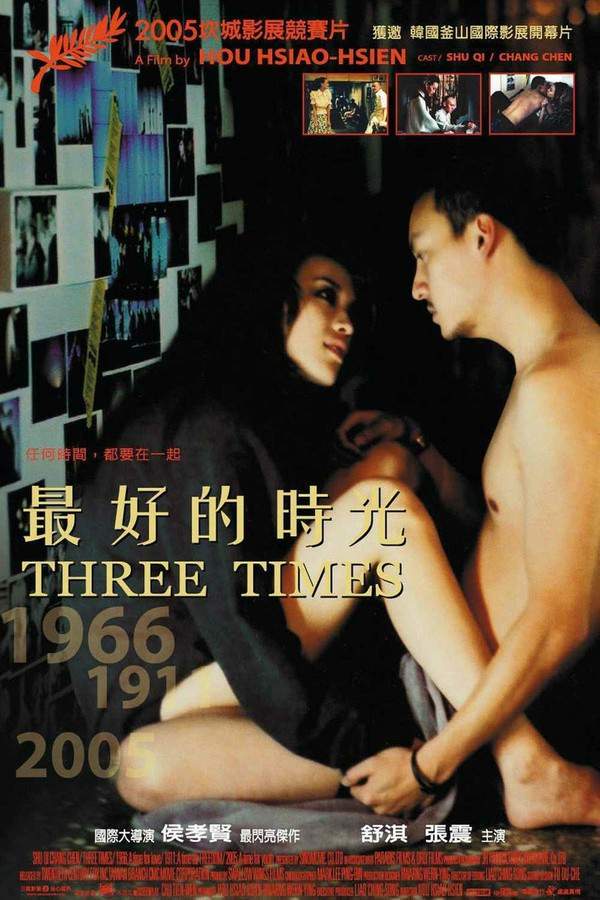
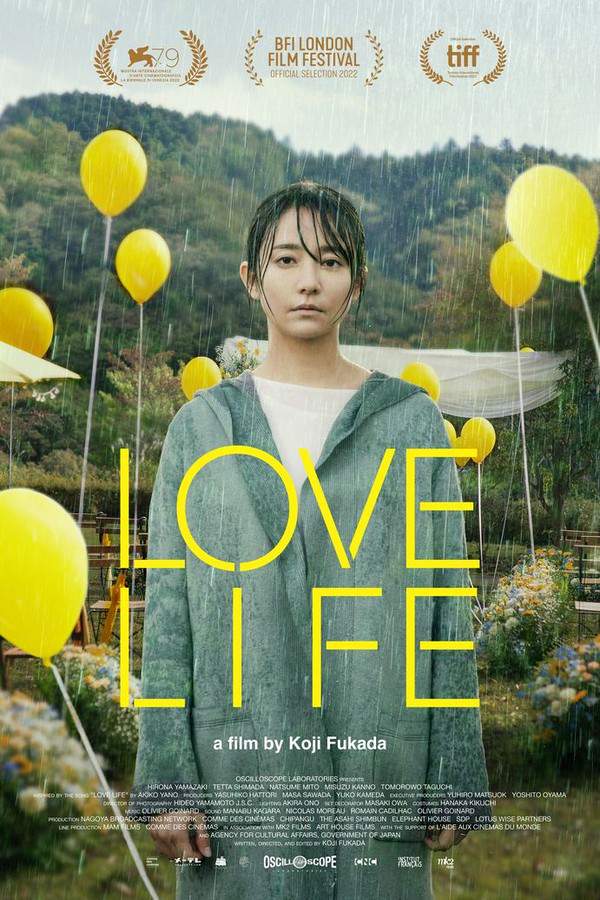
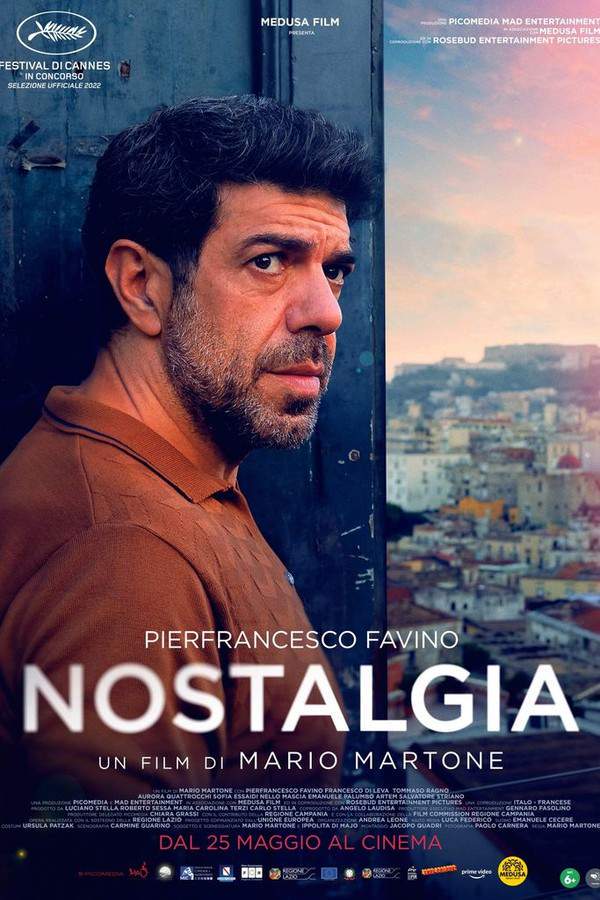
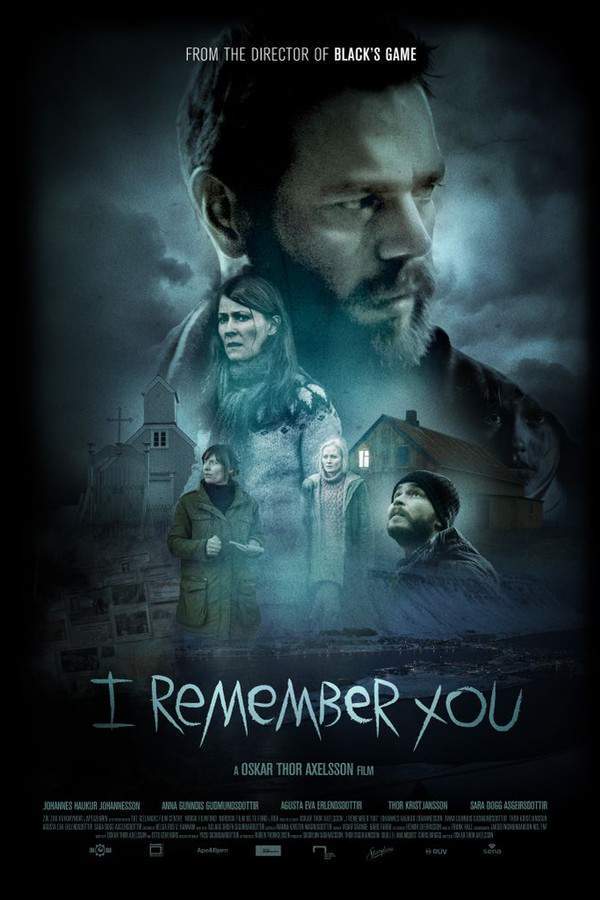
Browse a curated list of movies similar in genre, tone, characters, or story structure. Discover new titles like the one you're watching, perfect for fans of related plots, vibes, or cinematic styles.





Quick Links: Summary, Cast, Ratings, More

What's After the Movie?
Not sure whether to stay after the credits? Find out!
Check out our other apps:

SAT Sphere
Build confidence for the Digital SAT.

Mori Atlas
Discover wild places worth protecting.

Luntero
Search smarter for a home in Amsterdam.

Plot Explained
Unravel movie endings and hidden clues.

Pokechamp
Dive into Pokémon data and battle logic.

Driving Theory
Get ready for your European theory test.

Movie Dust
Plan your next cinema trip with ease.

Musemap
Find art and culture as you travel.

Selkobase
Compare credentials before committing.

Local Manual
Turn an unfamiliar country into practical next steps.

Lernavi
Compare school systems before your next move.

GymRoam
Find a workout stop wherever your plans take you.
Explore Our Movie Platform
New Movie Releases (2026)
Famous Movie Actors
Top Film Production Studios
Movie Plot Summaries & Endings
Major Movie Awards & Winners
Best Concert Films & Music Documentaries
Movie Collections and Curated Lists
© 2026 What's After the Movie. All rights reserved.
Privacy Policy