No, or the Vain Glory of Command 1990


Through a series of flashbacks, a conscripted history student narrates key episodes from Portugal’s entire military past to his comrades as they march through a rebellious African colony in 1973, linking past glories and defeats to the present conflict.


Does No, or the Vain Glory of Command have end credit scenes?
No!
No, or the Vain Glory of Command does not have end credit scenes. You can leave when the credits roll.
Meet the Full Cast and Actors of No, or the Vain Glory of Command
Explore the complete cast of No, or the Vain Glory of Command, including both lead and supporting actors. Learn who plays each character, discover their past roles and achievements, and find out what makes this ensemble cast stand out in the world of film and television.

Diogo Dória
Pvt. Manuel / Lusitanian Warrior / Diogo (King John's Cousin)
Leonor Silveira
Tethys
João Bénard da Costa
Baron of Alvito
Ricardo Trêpa
Soldier
Luís Miguel Cintra
2nd Lt. Cabrita / Viriato / King John II of Portugal
Ruy de Carvalho
Preacher at Funeral / Suicidal Warrior
Luís Lucas
Cpl. Brito / Lusitanian Warrior / Alcácer Nobleman
Miguel Guilherme
Pvt. Salvador / Lusitanian Warrior / Alcácer Warrior
Paulo Matos
Radio Operator / Vasco da Gama
Jorge Rolla
Priest / Wounded Man
Luís Mascarenhas
King Afonso V of Portugal
Ángel Gómez
Soldier
Catarina Furtado
Isle of Love Woman
Raúl Fraire
King Afonso I of Portugal
André Gago
Soldier
Lola Forner
Princess Dona Isabel
José Ramos
Friar Fernando
Sofia Sá da Bandeira
Isle of Love Woman
Carlos Gomes
Pvt. Pedro / Alcácer Warrior
António Sequeira Lopes
Soldier / Lusitanian Warrior / Alcácer Warrior
Mateus Lorena
King Sebastian of Portugal
Teresa Menezes
Venus
Francisco Baião
Prince John
Ana David
Statue at the Monastery of Batalha
António Lupi
Soldier
Pepe Ruiz
Soldier
Salvador Martos
Soldier
Mateus Cardoso
Soldier
Altino Almeida
Soldier
Jaime Silva
Soldier
External Links and Streaming Options
Discover where to watch No, or the Vain Glory of Command online, including streaming platforms, rental options, and official sources. Compare reviews, ratings, and in-depth movie information across sites like IMDb, TMDb, Wikipedia or Rotten Tomatoes.





Take the Ultimate No, or the Vain Glory of Command Movie Quiz
Challenge your knowledge of No, or the Vain Glory of Command with this fun and interactive movie quiz. Test yourself on key plot points, iconic characters, hidden details, and memorable moments to see how well you really know the film.
No, or the Vain Glory of Command – Quiz: Test your knowledge of the key characters, historical references, and plot points from the 1990 film "No, or the Vain Glory of Command".
Which rank does Cabrita hold in the Portuguese military unit?
Full Plot Summary and Ending Explained for No, or the Vain Glory of Command
Read the complete plot summary of No, or the Vain Glory of Command, including all major events, twists, and the full ending explained in detail. Explore key characters, themes, hidden meanings, and everything you need to understand the story from beginning to end.
The film opens in early April 1974, with a small group of Portuguese soldiers pushing through dense jungle in a military truck, headed toward a base from which they will engage guerrillas from a liberation movement. The unit is led by Lieutenant Cabrita, a reflective officer who continually questions the purpose of their war. Alongside him march Cpl. Brito and Pvt. Manuel, among others, all sharing a quiet, almost existential sense of fatalism about Portugal’s place in the world. The narrative voice that frames their journey is provided by the Narrator, guiding us through a story that feels both immediate and historically distant.
From the moving base toward the frontline, the film unfolds a sequence of historical flashbacks that Cabrita uses to interpret the present. In the first, the legendary guerrilla leader Viriathus fights the Roman invaders, a reminder that valor and struggle have deep roots in Lusitania, even as victory does not always translate into lasting peace. In the next memory, Portugal’s dream of uniting with Spain is thwarted during the Castilian War of Succession, with King Afonso V defeated at Toro, underscoring how political ambition can derail grand visions. A third recollection shows a peaceful but doomed attempt at unification through marriage, cut short by the sudden death of a Portuguese prince, a moment that foreshadows the fragility of dynastic schemes and the costs of history.
As night falls, the camp settles and Cabrita reflects on what truly matters beyond territory and conquest. He speaks of leaving a legacy in humanity rather than taking land, invoking Portugal’s long history of exploration and discovery. In a fourth flashback, Vasco da Gama sails toward the mythical Isle of Love, guided by the goddess Venus and shown by the goddess Thetis the cosmic harmony of the world—an emblem of idealized voyage and reward. The soldiers drift toward sleep yet remain haunted by the past, where the dream of empire persists as a force that continues to shape the present.
Before dawn, the group encounters a new sequence of memory: the ill-fated Battle of Alcácer Quibir in 1578, where Dom Sebastião leads a heterogeneous army into catastrophe. The battle’s massacre reverberates as a symbol of a lost utopian project—the Fifth Empire—an idea that Cabrita refers to when contemplating the weight of history on national fate. The film’s title-looming question lingers: can any empire truly endure, or is all grandeur a temporary illusion?
The morning brings an abrupt ambush by guerrillas, and Cabrita is gravely wounded. As he is airlifted to a military hospital, his consciousness drifts back into the historical chaos, and he envisions himself as [Dom João] of Portugal amid the carnage of Alcácer Quibir. A wounded knight confronts a despairing monologue about the word “Non,” a stark moment that the knight uses to express the definitive end of hope. The vision intensifies as the knight kills himself, a brutal reminder of how history’s sins echo through the present.
In the hospital ward, Cabrita fights for life as morphine dulls the edge of reality. The spectral figure of Dom Sebastião reappears, squeezing a sword until blood beads at the tip, a visual echo of his own fate. Despite every effort, Cabrita dies on April 25, 1974—the very day that Portugal’s Carnation Revolution would redefine the nation’s course. The final credits roll to the melancholy sound of a song from The Lusiads, leaving a lasting impression of a country’s painful reckoning with its past and its future.

Coming soon on iOS and Android
The Plot Explained Mobile App
From blockbusters to hidden gems — dive into movie stories anytime, anywhere. Save your favorites, discover plots faster, and never miss a twist again.
Sign up to be the first to know when we launch. Your email stays private — always.
Explore the mobile appWatch Trailers, Clips & Behind-the-Scenes for No, or the Vain Glory of Command
Watch official trailers, exclusive clips, cast interviews, and behind-the-scenes footage from No, or the Vain Glory of Command. Dive deeper into the making of the film, its standout moments, and key production insights.
No, or the Vain Glory of Command Themes and Keywords
Discover the central themes, ideas, and keywords that define the movie’s story, tone, and message. Analyze the film’s deeper meanings, genre influences, and recurring concepts.
No, or the Vain Glory of Command Other Names and Titles
Explore the various alternative titles, translations, and other names used for No, or the Vain Glory of Command across different regions and languages. Understand how the film is marketed and recognized worldwide.
Similar Movies To No, or the Vain Glory of Command You Should Know About
Browse a curated list of movies similar in genre, tone, characters, or story structure. Discover new titles like the one you're watching, perfect for fans of related plots, vibes, or cinematic styles.

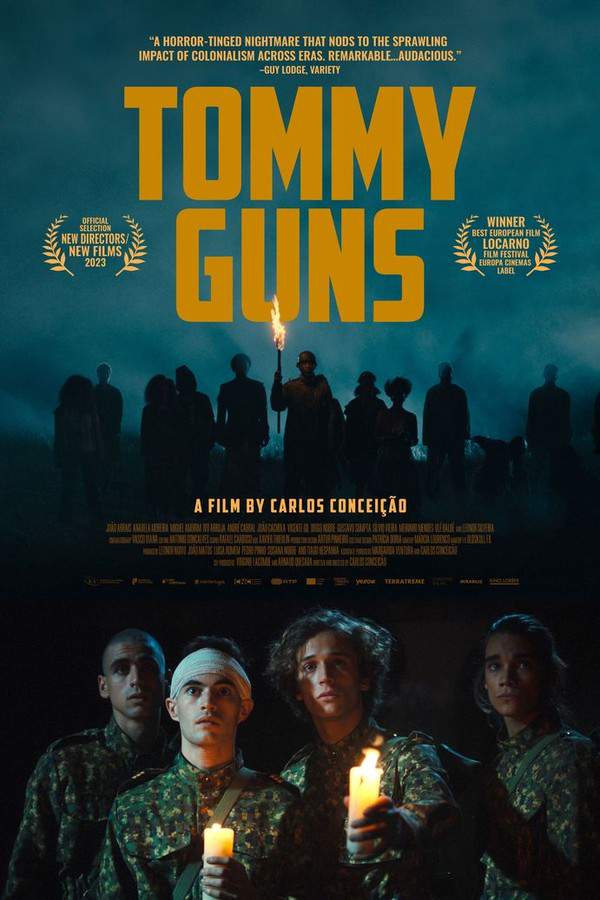

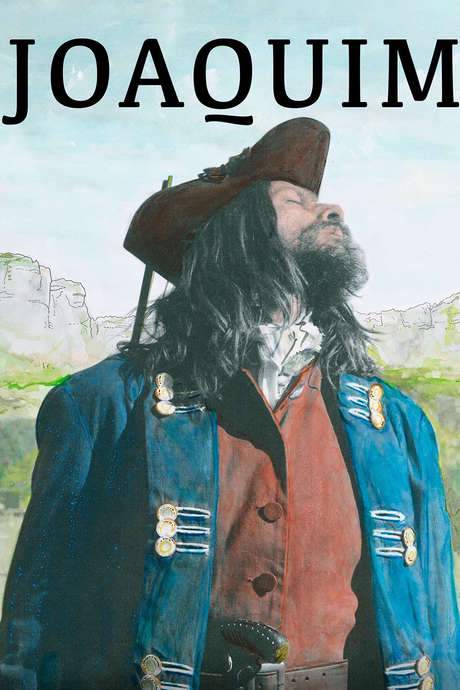


Quick Links: Summary, Cast, Ratings, More

What's After the Movie?
Not sure whether to stay after the credits? Find out!
Check out our other apps:

SAT Sphere
Build confidence for the Digital SAT.

Mori Atlas
Discover wild places worth protecting.

Luntero
Search smarter for a home in Amsterdam.

Plot Explained
Unravel movie endings and hidden clues.

Pokechamp
Dive into Pokémon data and battle logic.

Driving Theory
Get ready for your European theory test.

Movie Dust
Plan your next cinema trip with ease.

Musemap
Find art and culture as you travel.

Selkobase
Compare credentials before committing.

Local Manual
Turn an unfamiliar country into practical next steps.

Lernavi
Compare school systems before your next move.

GymRoam
Find a workout stop wherever your plans take you.
Explore Our Movie Platform
New Movie Releases (2026)
Famous Movie Actors
Top Film Production Studios
Movie Plot Summaries & Endings
Major Movie Awards & Winners
Best Concert Films & Music Documentaries
Movie Collections and Curated Lists
© 2026 What's After the Movie. All rights reserved.
Privacy Policy