NiNoKuni 2019


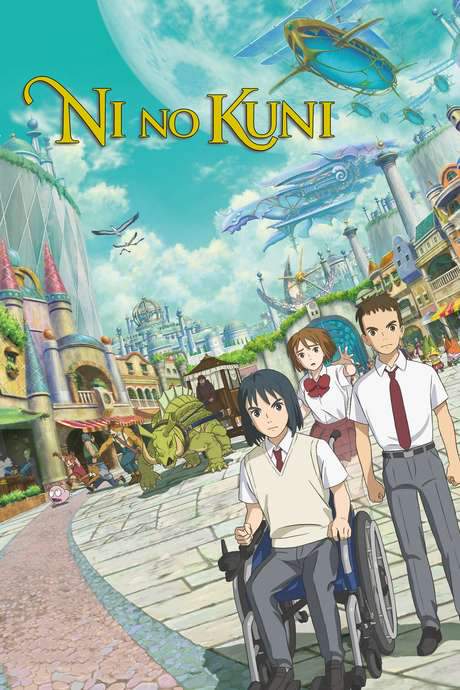
Adapted from the video game series, this film follows high school students Yuu and Haru as they journey between two parallel worlds to rescue their childhood friend, Kotona, who is in peril. Their quest takes them through a magical realm filled with fantastical creatures and challenging decisions. Along the way, they must confront complex emotions and ultimately make a pivotal choice that will impact both worlds and test the strength of their friendship.


Does NiNoKuni have end credit scenes?
No!
NiNoKuni does not have end credit scenes. You can leave when the credits roll.
Where to Watch NiNoKuni
See current US streaming, rental, and purchase options for NiNoKuni (2019) via JustWatch.


Streaming availability powered by 
Meet the Full Cast and Actors of NiNoKuni
Explore the complete cast of NiNoKuni, including both lead and supporting actors. Learn who plays each character, discover their past roles and achievements, and find out what makes this ensemble cast stand out in the world of film and television.

Yuki Kaji
Danpa (voice)

Mamoru Miyano
Yoki (voice)

Kento Yamazaki
Yuu (voice)
Maaya Sakamoto
Saki / Versa (voice)
Mackenyu
Haru (voice)
Masatô Ibu
Flander-ou (voice)

Koichi Yamadera
Balton (voice)
Mei Nagano
Asha / Kotona (voice)
Kenjiro Tsuda
Gabalas (voice)
Tsuyoshi Muro
Ojiisan (voice)
Madison Rojas
Young Yu (English version voice)
External Links and Streaming Options
Discover where to watch NiNoKuni online, including streaming platforms, rental options, and official sources. Compare reviews, ratings, and in-depth movie information across sites like IMDb, TMDb, Wikipedia or Rotten Tomatoes.







Ratings and Reviews for NiNoKuni
See how NiNoKuni is rated across major platforms like IMDb, Metacritic, and TMDb. Compare audience scores and critic reviews to understand where NiNoKuni stands among top-rated movies in its genre.

The Movie Echo Score
NiNoKuni elicits a mixed response, with reviewers highlighting its visually appealing animation and faithful homage to Studio Ghibli aesthetics, while also noting inconsistencies in execution. The film’s art direction and sensory elements receive commendation for their detailed designs and vibrant palette, yet the animation quality fluctuates, leading to occasional lapses. Storytelling is perceived as uneven, with some praising the emotional climax and others criticizing pacing and originality. Consequently, the movie offers moments of charm but struggles to sustain a uniformly engaging experience.
The Movie Echo Score Breakdown for NiNoKuni

Art & Craft
The visual craftsmanship of NiNoKuni is generally well regarded, with critics and users noting its detailed backgrounds and Ghibli-inspired style. Positive remarks include stellar early animation, striking character designs, and appealing graphics that capture the game’s essence. However, several reviewers cite inconsistent animation quality and budget limitations that undermine the overall polish. The blend of strong visual moments and occasional technical lapses results in a solid but imperfect artistic presentation.

Character & Emotion
Character work in the film receives favorable attention, especially for voice performances and occasional nuanced portrayals. Reviewers appreciate the emotional resonance of key moments and the consistency of the main cast. Some criticism emerges around underdeveloped secondary characters and limited depth in emotional arcs. Overall, the strengths in acting and moments of genuine connection outweigh the gaps, delivering a character experience that leans toward the positive side.

Story & Flow
Narrative execution is the most contested aspect of NiNoKuni. While some critics applaud its heartfelt climax and inventive plot twists, many users describe the plot as predictable, shallow, or unevenly paced. Issues cited include a rushed third act, redundant clichés, and a lack of cohesive world‑building. The mixed reactions reflect a story that occasionally engages but frequently falters, leading to an overall middling evaluation.

Sensory Experience
The sensory dimension—music, sound design, and overall visual style—garners largely positive feedback. Reviewers enjoy the vibrant color palette, dynamic action sequences, and a soundtrack that complements the fantasy tone, even if some miss the iconic Ghibli musical signature. Minor drawbacks involve occasional sonic blandness and moments where visual excitement wanes. In sum, the sensory experience is immersive and contributes positively to the film’s atmosphere.

Rewatch Factor
Rewatch potential is split among audiences. Enthusiasts cite emotional payoff and visual spectacle as reasons to return, while a substantial portion of viewers find the pacing, plot redundancy, and uneven animation deter repeat viewings. The film’s memorable moments are offset by its structural weaknesses, yielding a moderate inclination to revisit, but not a strong overall desire.
Full Plot Summary and Ending Explained for NiNoKuni
Read the complete plot summary of NiNoKuni, including all major events, twists, and the full ending explained in detail. Explore key characters, themes, hidden meanings, and everything you need to understand the story from beginning to end.
On their way home from basketball practice, Kotona invites Haru and Yū to a crepe cafe, but Yū, who uses a wheelchair, turns back after they encounter steps along the way. The afternoon takes a dark turn when, in a back alley, Kotona notices a black hooded figure tailing her. She calls Yū for help, but he arrives too late as the figure stabs her. Haru rushes to get Kotona to the hospital, yet both he and Yū are suddenly yanked away to an unknown world, a realm that is eventually revealed to be the kingdom of Evermore. It is there that Yū discovers an uncanny, almost miraculous ability—he can walk—something he never did in their home world.
In Evermore Castle, the boys encounter Princess Astrid, a figure whose presence mirrors Kotona’s in form and fate, bearing a curse that has left her wounded. Yū notices a shadow knife embedded in Astrid’s abdomen, and with a decisive pull he removes it, breaking the curse that shackled her. That night, Haru drinks to forget, convinced that the whole experience was nothing more than a dream, while Yū returns to Astrid’s side and is guided to the Lake of Purity, where a dance helps to banish the lingering traces of the curse’s magic. The next morning, a summons from the wary mage Gnauss and the stern King Astrum interrupts their bewildering peace. They are forced to prove themselves by engaging in swordplay against a group of assailants, a test meant to determine whether they belong to a covert faction known as the Black Banner. As the duel escalates, both boys make a reckless leap toward a blazing flame behind the king, only to be whisked away again to their own world, where they reunite with Kotona.
A few days pass, and Haru remains convinced that the entire sequence was a dream; meanwhile Yū, seeking greater understanding, searches for an old man he met in the hospital during his childhood. A nurse cryptically reveals that the man has disappeared. Kotona drops a crushing truth: she has a malignant tumor and only months left to live. Faced with an unspeakable choice, Yū suggests returning to the other world to find a cure, but Haru’s grief and anger drive him toward a darker possibility—killing Astrid to save Kotona. The tension between the two worlds and their conflicting impulses intensifies, and once again the same hooded figure appears, whisking them away to the other realm.
Haru finds himself stranded in a bleak, desolate wasteland where he encounters Galeroth, the enigmatic leader of the Black Banner who pulls him into a broader invasion of Evermore. Yū, by contrast, returns to Evermore Castle’s throne room, where Gnauss tries to discern his loyalty and assigns him a dangerous burden: prove his innocence by killing Haru. As war erupts, Astrid proposes wielding the legendary Mornstar (known as Gladion in the Japanese version) to turn the tide. Yet Gnauss and the King reveal that the Mornstar in their possession is a counterfeit; the real relic vanished long ago. The two friends clash in a tense confrontation, but just as their conflict threatens to turn lethal, a portal casts them back into their own world.
Back in their home reality, Saki—Yū’s adopted sister—is confronted by the hooded intruder at her florist shop as the boys race against time to rescue her. They escape in Saki’s car, but the man reveals his monstrous form, transforming into a gigantic spider that pursues them. Saki explains that he called her by name, and Yū suddenly pieces together the truth behind the assaults. The trio escapes, but the car is dragged into a river, and once again they are plunged back into Evermore.
In the throne room, the truth behind the escalating crisis comes into sharper focus: Gnauss is the mastermind behind the cycle of abductions, invasions, and transportations, and he is ultimately revealed to be Galeroth, a figure who once bore the name Crown Prince Sedulus Astrum. His motive is revenge against his father and the kingdom he feels betrayed him. He tries to manipulate Haru through the armor that Yū wields with his burgeoning magic, but Yū manages to halt the plan in its tracks. Astrid is seized by Galeroth, and the battle that follows pits the two worlds against each other as Haru and Astrid fight to defend Evermore. An aging mentor reappears, handing Yū a long-forgotten stick that is revealed to be the Mornstar itself. With its power, the two friends defeat Galeroth and topple the Black Banner army.
A portal opens once more, and after a tearful farewell, Haru steps through it and returns to his world, while Yū chooses to stay behind for the moment. In the aftermath, Kotona and Saki recover from the immediate danger, but their memories of Yū fade from their minds, leaving Haru as the only person who remembers him as Yū’s soulmate from the other world.
In a quiet post-credits moment, Yū, now standing beside Astrid, is crowned the new king of Evermore, signaling a hopeful, if bittersweet, ending that promises a future where memories of a shared, otherworldly bond linger beneath the surface of two intertwined lives.

Coming soon on iOS and Android
The Plot Explained Mobile App
From blockbusters to hidden gems — dive into movie stories anytime, anywhere. Save your favorites, discover plots faster, and never miss a twist again.
Sign up to be the first to know when we launch. Your email stays private — always.
Explore the mobile appWatch Trailers, Clips & Behind-the-Scenes for NiNoKuni
Watch official trailers, exclusive clips, cast interviews, and behind-the-scenes footage from NiNoKuni. Dive deeper into the making of the film, its standout moments, and key production insights.
NiNoKuni Themes and Keywords
Discover the central themes, ideas, and keywords that define the movie’s story, tone, and message. Analyze the film’s deeper meanings, genre influences, and recurring concepts.
NiNoKuni Other Names and Titles
Explore the various alternative titles, translations, and other names used for NiNoKuni across different regions and languages. Understand how the film is marketed and recognized worldwide.
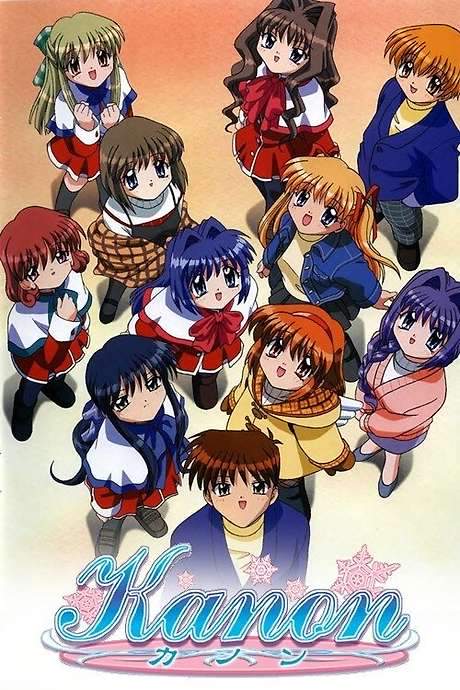
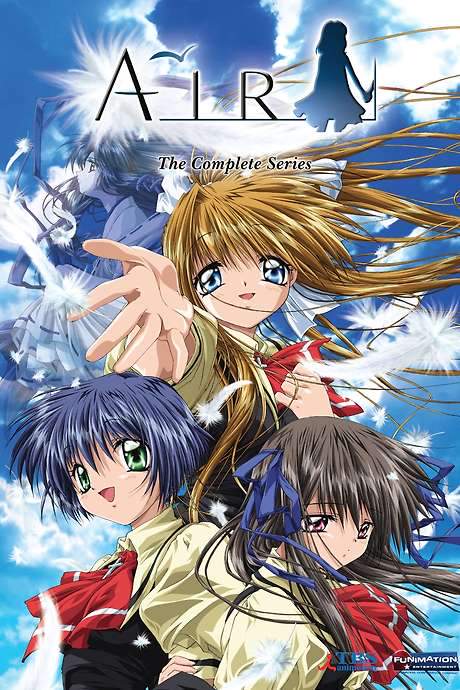
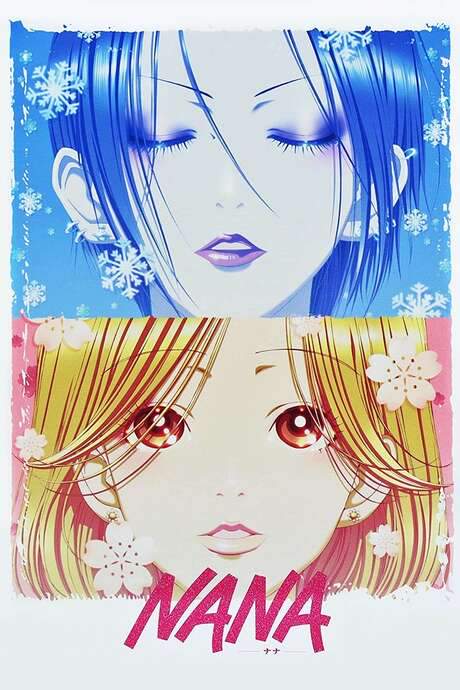
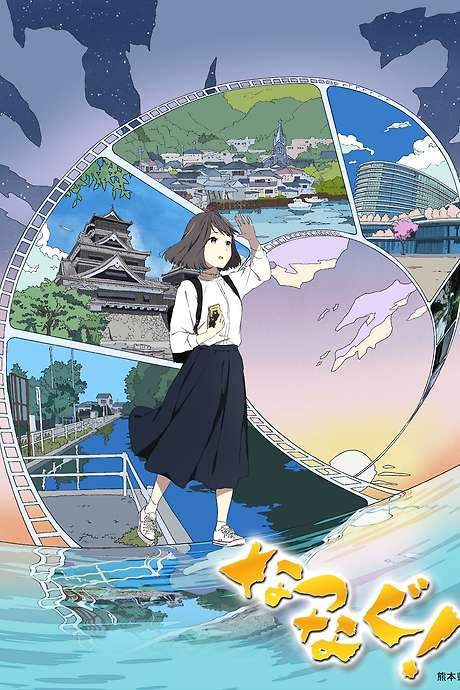
Similar Movies To NiNoKuni You Should Know About
Browse a curated list of movies similar in genre, tone, characters, or story structure. Discover new titles like the one you're watching, perfect for fans of related plots, vibes, or cinematic styles.







Quick Links: Summary, Cast, Ratings, More

What's After the Movie?
Not sure whether to stay after the credits? Find out!
Check out our other apps:

SAT Sphere
Build confidence for the Digital SAT.

Mori Atlas
Discover wild places worth protecting.

Luntero
Search smarter for a home in Amsterdam.

Plot Explained
Unravel movie endings and hidden clues.

Pokechamp
Dive into Pokémon data and battle logic.

Driving Theory
Get ready for your European theory test.

Movie Dust
Plan your next cinema trip with ease.

Musemap
Find art and culture as you travel.

Selkobase
Compare credentials before committing.

Local Manual
Turn an unfamiliar country into practical next steps.

Lernavi
Compare school systems before your next move.

GymRoam
Find a workout stop wherever your plans take you.
Explore Our Movie Platform
New Movie Releases (2026)
Famous Movie Actors
Top Film Production Studios
Movie Plot Summaries & Endings
Major Movie Awards & Winners
Best Concert Films & Music Documentaries
Movie Collections and Curated Lists
© 2026 What's After the Movie. All rights reserved.
Privacy Policy