Mulshi Pattern 2018
Runtime
155 mins
Language

Marathi

Mulshi Pattern offers a poignant look at the struggles of farmers and the systemic issues that can drive them to desperation. The film explores how flawed policies and circumstances can unfairly criminalize and ostracize those who work the land, highlighting the challenges they face and the consequences of a broken system.


Does Mulshi Pattern have end credit scenes?
No!
Mulshi Pattern does not have end credit scenes. You can leave when the credits roll.
Meet the Full Cast and Actors of Mulshi Pattern
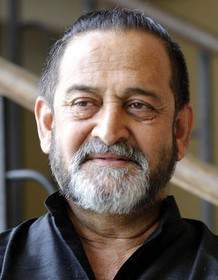
Explore the complete cast of Mulshi Pattern, including both lead and supporting actors. Learn who plays each character, discover their past roles and achievements, and find out what makes this ensemble cast stand out in the world of film and television.

External Links and Streaming Options
Discover where to watch Mulshi Pattern online, including streaming platforms, rental options, and official sources. Compare reviews, ratings, and in-depth movie information across sites like IMDb, TMDb, Wikipedia or Rotten Tomatoes.





Ratings and Reviews for Mulshi Pattern
See how Mulshi Pattern is rated across major platforms like IMDb, Metacritic, and TMDb. Compare audience scores and critic reviews to understand where Mulshi Pattern stands among top-rated movies in its genre.

The Movie Echo Score
Mulshi Pattern delivers a compelling portrayal of rural displacement through strong performances and a realistic premise, drawing viewers into its gritty world. While direction and cinematography provide moments of visual intensity, the non‑linear narrative and occasional editing lapses disrupt narrative flow. The soundtrack and sound design reinforce the film’s tension, though the excessive violence limits its suitability for younger audiences. Overall, the film stands out in contemporary Marathi cinema, offering significant impact despite structural inconsistencies.
The Movie Echo Score Breakdown for Mulshi Pattern

Art & Craft
The film’s direction is praised as top‑class, and the cinematography is noted for skillful moments that enhance the rural setting. However, critics point to uneven editing and a fragmented non‑linear structure that hinder coherence. The visual style succeeds in parts, yet inconsistent camera choices dilute scene impact. Consequently, the artistic execution is solid but marred by noticeable technical flaws.

Character & Emotion
Acting is highlighted as the film’s strongest component, with Om Bhutkar and supporting cast delivering nuanced, powerful performances. Reviewers commend the depth and authenticity of characters, describing the ensemble as exceptional. Minor criticism arises from perceived incomplete character development due to narrative pacing, but the overall emotional resonance remains high. The character work therefore receives strong, largely unanimous approval.

Story & Flow
The storyline grounds itself in a realistic depiction of land sale fallout, earning praise for its relevance and hard‑truth messaging. Nevertheless, reviewers criticize the non‑linear storytelling and pacing issues, noting a lack of clear progression and occasional narrative gaps. While the plot’s premise is compelling, execution inconsistencies reduce overall narrative satisfaction.

Sensory Experience
Audio elements, particularly the background score, are repeatedly described as exceptional, strengthening the film’s tension. Cinematographer Mahesh Limaye receives commendation for selective visual flair. Though some scenes suffer from erratic camera movement, the overall sensory experience is cohesive and amplifies the story’s intensity, providing a solid auditory‑visual foundation.

Rewatch Factor
Many reviewers label the film a must‑watch and a milestone in Marathi cinema, indicating high rewatch potential. The potent performances and realistic themes encourage repeat viewings. Conversely, the heavy violence and structural flaws may limit appeal for some audiences over time. Nonetheless, the lasting impression of the narrative and craft sustains a strong rewatch factor.
Take the Ultimate Mulshi Pattern Movie Quiz
Challenge your knowledge of Mulshi Pattern with this fun and interactive movie quiz. Test yourself on key plot points, iconic characters, hidden details, and memorable moments to see how well you really know the film.
Mulshi Pattern Quiz: Test your knowledge of the 2018 Marathi film Mulshi Pattern with these ten questions ranging from easy to difficult.
What is the name of the gangster protagonist in the film?
Full Plot Summary and Ending Explained for Mulshi Pattern
Read the complete plot summary of Mulshi Pattern, including all major events, twists, and the full ending explained in detail. Explore key characters, themes, hidden meanings, and everything you need to understand the story from beginning to end.
The film opens on a somber, stark note as the gangster Rahul Patil a.k.a. Rahulya Mahesh Manjrekar cremates his childhood friend and partner in crime Ganesh a.k.a. Ganya Mohan Joshi after Ganya is murdered by their rivals. The moment is heavy with grief and resolve, and it sets off a relentless chase through the streets of Pune as a pursuing gang closes in. Through a series of vivid flashbacks, the narrative traces how Rahulya’s life spirals from a troubled youth to the rise of a feared gangster, pulling the audience into a world where loyalty, power, and revenge intertwine.
Sakharam Patil Pravin Vitthal Tarde is Rahul’s father, a farmer in Mulshi tehsil who is forced to sell the family land. This loss steals a portion of the family’s dignity and dignity weighs heavily on Rahul, who feels his kin have been stripped of their honor. The family relocates to Pune, where they work as laborers, but Rahul resists stepping into the same footsteps, blaming his father for the misfortune that has reshaped their lives. In time, Rahul finds Dipali Malvika Gaekwad, the daughter of the head laborer, and a fragile spark of love begins to kindle between them—yet Dipali’s trust remains fragile because Rahul is a gangster.
A violent act changes everything: Rahul angrily beats a contractor who abuses his father, drawing the notice of Nanya Bhai, a powerful gangster who sits behind bars but still casts a long shadow. Nanya Bhai invites Rahul to join his outfit, and Rahul, along with Ganya, enters the world of organized crime. Rahul soon learns that it was Nanya Bhai who forced his father to lose the land, and the revelation hardens his resolve. In a move of calculated vengeance, Rahul destroys Nanya Bhai, seizing control of the gang. This murder triggers a brutal internal war among the different factions, laying bare the fragility of alliances and the price of ambition.
Rahul’s ambitions grow as he seeks to control Mulshi’s lands and the thriving enterprises built on them, even as corporate interests and rival gangs push back. Inspector Vitthal Kadu Upendra Limaye arrives on the scene, choosing a controversial path: let the gangs tear one another apart to reduce overall crime, a strategy that complicates Rahul’s ascent and raises the stakes for everyone involved. In a stark moment of calculated risk, Rahul befriends a small boy and gives him a gun for emergencies, a troubling detail that foreshadows the tragedy to come. The relationship between Rahul and Dipali hangs in the balance as Rahul pursues marriage, but Dipali remains wary of life with a gangster, and her hesitation underscores a persistent tension between belonging and brutality.
Back with his family, Rahul discovers that many relatives have embraced honest labor—domestic chores and ordinary life—while Rahul profits from crime. When Rahul begs his father to laugh again, Sakharam’s reply lands like a heavy dissonance: the gangster’s life has stolen his joy, and the family’s dignity is now a piece of the past. As the rival gangs band together to topple Rahul, his power begins to wane. The once-formidable Rahul loses ground, and the casualties mount, including Ganya, who falls in the crossfire of a widening feud.
The story shifts to the present, where Rahul scrambles to escape the encroaching danger from rival factions. He seeks support from the boy he befriended, only to be betrayed by the same child, who shoots him upon arrival. As Rahul lies dying, he learns that the boy’s family had their land taken by Rahul’s own gang, and that the murder was a premeditated plan woven by the boy himself. Inspector Kadu, shocked by the death, is asked where he belongs; he replies that he is from Mulshi, not from the world of gangsters, a declaration that underscores the personal cost of violence. The moment of Rahul’s death is both tragic and transformative: Rahul’s father, upon hearing the news, finally laughs, a bitter, conflicted joy that he has never known, and then slaps himself in disbelief.
The film closes with an epilogue delivered by Inspector Kadu, a grim meditation on the cost of land and loyalty. It condemns the farmers who sell their ancestral grounds for peanuts and suggests that they deserve a slap in the face for surrendering their heritage to the forces of crime and profit. The narrative remains rooted in Mulshi’s landscape and the enduring tension between survival, dignity, and the pull of power, leaving viewers with a stark portrait of a cycle that feeds itself through loss and revenge.

Coming soon on iOS and Android
The Plot Explained Mobile App
From blockbusters to hidden gems — dive into movie stories anytime, anywhere. Save your favorites, discover plots faster, and never miss a twist again.
Sign up to be the first to know when we launch. Your email stays private — always.
Explore the mobile appWatch Trailers, Clips & Behind-the-Scenes for Mulshi Pattern
Watch official trailers, exclusive clips, cast interviews, and behind-the-scenes footage from Mulshi Pattern. Dive deeper into the making of the film, its standout moments, and key production insights.
Mulshi Pattern Themes and Keywords
Discover the central themes, ideas, and keywords that define the movie’s story, tone, and message. Analyze the film’s deeper meanings, genre influences, and recurring concepts.

Unlock the World of Movies with Our Comprehensive Wiki
Dive into our Movie Wiki for in-depth film encyclopedia entries, including cast biographies, production trivia, plot synopses, behind-the-scenes facts, and thematic analyses. Whether you’re researching iconic directors, exploring genre histories, or discovering hidden easter eggs, our expertly curated movie database has everything you need to fuel your cinematic passion.

Quick Links: Summary, Cast, Ratings, More

What's After the Movie?
Not sure whether to stay after the credits? Find out!
Check out our other apps:

SAT Sphere
Build confidence for the Digital SAT.

Mori Atlas
Discover wild places worth protecting.

Luntero
Search smarter for a home in Amsterdam.

Plot Explained
Unravel movie endings and hidden clues.

Pokechamp
Dive into Pokémon data and battle logic.

Driving Theory
Get ready for your European theory test.

Movie Dust
Plan your next cinema trip with ease.

Musemap
Find art and culture as you travel.

Selkobase
Compare credentials before committing.

Local Manual
Turn an unfamiliar country into practical next steps.

Lernavi
Compare school systems before your next move.

GymRoam
Find a workout stop wherever your plans take you.
Explore Our Movie Platform
New Movie Releases (2026)
Famous Movie Actors
Top Film Production Studios
Movie Plot Summaries & Endings
Major Movie Awards & Winners
Best Concert Films & Music Documentaries
Movie Collections and Curated Lists
© 2026 What's After the Movie. All rights reserved.
Privacy Policy