Muktodhara 2012
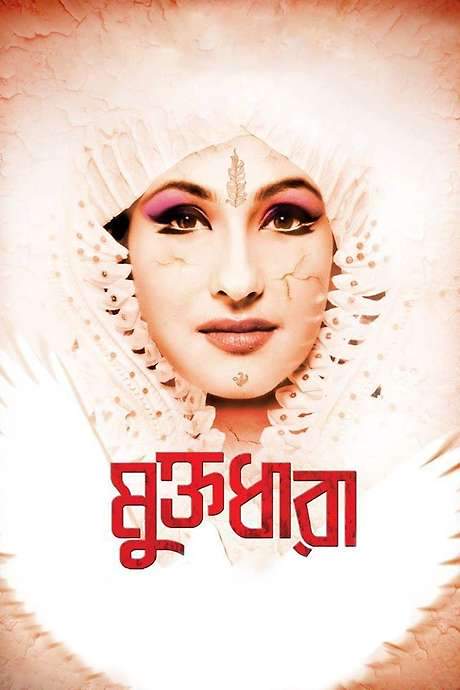
This 2012 Bengali film portrays the lives of prisoners within the historic Presidency Jail. The story explores their individual journeys of reform as they grapple with their pasts and strive for a better future. Directed by Shiboprosad Mukherjee and Nandita Roy, the film offers a glimpse into the daily routines and emotional struggles of those seeking redemption within the correctional facility.


Does Muktodhara have end credit scenes?
No!
Muktodhara does not have end credit scenes. You can leave when the credits roll.
Meet the Full Cast and Actors of Muktodhara
Explore the complete cast of Muktodhara, including both lead and supporting actors. Learn who plays each character, discover their past roles and achievements, and find out what makes this ensemble cast stand out in the world of film and television.

Kharaj Mukherjee
Lakshman Panda
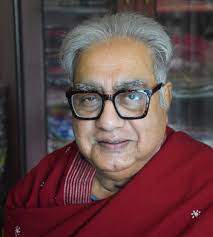
Biswajit Chakraborty
Rituparna Sengupta
Niharika Chatterjee
Mithu Chakrabarty
Brij Narayanʼs wife
Rajat Ganguly
Bratya Basu
Arindam Chatterjee
Nigel Akkara
Riki alias Yusuf Mohammad Khan
Debshankar Haldar
Brij Narayan Dutta
Shiboprosad Mukherjee
Happy Singh
Arun Mukherjee
Rashid Karim Khan
Sumit Samaddar
Alokananda Roy
Suman Dey
Himself
Sankar Debnath
Purushottam Pandit
External Links and Streaming Options
Discover where to watch Muktodhara online, including streaming platforms, rental options, and official sources. Compare reviews, ratings, and in-depth movie information across sites like IMDb, TMDb, Wikipedia or Rotten Tomatoes.





Full Plot Summary and Ending Explained for Muktodhara
Read the complete plot summary of Muktodhara, including all major events, twists, and the full ending explained in detail. Explore key characters, themes, hidden meanings, and everything you need to understand the story from beginning to end.
Niharika Chatterjee is the wife of public prosecutor Arindam Chatterjee, a domineering husband whose grip on their marriage leaves her unhappy. They share a small, affectionate family with a daughter who is deaf and mute, a detail that casts a quiet ache over their home life. In search of meaning and purpose, Niharika throws a party for girls who are physically challenged like her own daughter, inviting a sense of hope and possibility into a life that often feels rigid and unfulfilling.
At this intimate gathering, she encounters the new Inspector General of correctional cells of West Bengal, Brij Narayan Dutta, a figure with reformist ideas and a belief in the transformative power of art. He sees in Niharika not just talent, but a unique opportunity to bring change to the inmates through creativity. He shares his bold vision: help organize a stage event inside the correctional facility that could illuminate the humanity of those behind bars and potentially steer them toward a better path. Niharika, drawn to the chance to use her skills for a cause larger than herself, agrees to help—with one crucial stipulation: her husband must remain in the dark about the plan.
The project gains momentum when they decide to stage Rabindranath Tagore’s Valmiki-Pratibha with the prisoners. The plan reaches the cellular jail, where Yusuf Mohammad, a notorious figure known for crimes including murder and kidnapping, becomes a surprising and compelling centerpiece of the production. It is Brij Narayan Dutta who persuades Yusuf to participate, and the inmate soon becomes Niharika’s principal performer on stage. As rehearsals unfold, Yusuf begins to transform under Niharika’s guidance, revealing a depth and vulnerability that contrasts with his feared reputation.
With the play taking shape, the group hatches a daring escape plan that hinges on the day of the performance. The tension between guilt, obligation, and ambition intensifies as Yusuf wrestles with his choices, and the team moves through a tunnel that leads them toward freedom. Yet the weight of conscience ultimately pulls him back: they choose to abandon a hasty escape if it would betray the very humanity they have been working to reveal. Returning to the prison, they complete the play, giving the inmates—and themselves—a chance to confront their pasts and present a possibility of redemption.
The story culminates in a quiet, powerful acknowledgment of art’s capacity to illuminate truth and human dignity, even within the walls of a correctional facility. What begins as a bold act of reform evolves into a meditation on responsibility, forgiveness, and the complicated heartbeat of change.

Coming soon on iOS and Android
The Plot Explained Mobile App
From blockbusters to hidden gems — dive into movie stories anytime, anywhere. Save your favorites, discover plots faster, and never miss a twist again.
Sign up to be the first to know when we launch. Your email stays private — always.
Explore the mobile appDiscover Film Music Concerts Near You – Live Orchestras Performing Iconic Movie Soundtracks
Immerse yourself in the magic of cinema with live orchestral performances of your favorite film scores. From sweeping Hollywood blockbusters and animated classics to epic fantasy soundtracks, our curated listings connect you to upcoming film music events worldwide.
Explore concert film screenings paired with full orchestra concerts, read detailed event information, and secure your tickets for unforgettable evenings celebrating legendary composers like John Williams, Hans Zimmer, and more.


Unlock the World of Movies with Our Comprehensive Wiki
Dive into our Movie Wiki for in-depth film encyclopedia entries, including cast biographies, production trivia, plot synopses, behind-the-scenes facts, and thematic analyses. Whether you’re researching iconic directors, exploring genre histories, or discovering hidden easter eggs, our expertly curated movie database has everything you need to fuel your cinematic passion.
Quick Links: Summary, Cast, Ratings, More

What's After the Movie?
Not sure whether to stay after the credits? Find out!
Check out our other apps:

SAT Sphere
Build confidence for the Digital SAT.

Mori Atlas
Discover wild places worth protecting.

Luntero
Search smarter for a home in Amsterdam.

Plot Explained
Unravel movie endings and hidden clues.

Pokechamp
Dive into Pokémon data and battle logic.

Driving Theory
Get ready for your European theory test.

Movie Dust
Plan your next cinema trip with ease.

Musemap
Find art and culture as you travel.

Selkobase
Compare credentials before committing.

Local Manual
Turn an unfamiliar country into practical next steps.

Lernavi
Compare school systems before your next move.

GymRoam
Find a workout stop wherever your plans take you.
Explore Our Movie Platform
New Movie Releases (2026)
Famous Movie Actors
Top Film Production Studios
Movie Plot Summaries & Endings
Major Movie Awards & Winners
Best Concert Films & Music Documentaries
Movie Collections and Curated Lists
© 2026 What's After the Movie. All rights reserved.
Privacy Policy