Morena clara 1954


After Trini and her uncle Regalito are tried for stealing several hams, the Romani girl later returns, posing as a maid in the house of the prosecutor who sentenced them. He does not recognize her and soon falls for her, creating a comedic tale of mistaken identity and unexpected romance.


Does Morena clara have end credit scenes?
No!
Morena clara does not have end credit scenes. You can leave when the credits roll.
Meet the Full Cast and Actors of Morena clara
Explore the complete cast of Morena clara, including both lead and supporting actors. Learn who plays each character, discover their past roles and achievements, and find out what makes this ensemble cast stand out in the world of film and television.
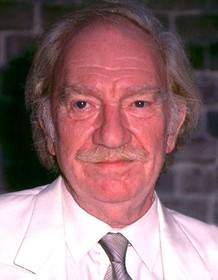
Fernando Fernán Gómez
Don Lope de Baena y Carrasco / Don Enrique de Baena Rodríguez

José Blanch
Marido maltratado
Manuel Luna
Don Elías
Antonio Ozores
Terencio Cornelio (no acreditado)
Lola Flores
Trinidad Vargas / Trinidad Marqués
Miguel Ligero
Agustín Marqués 'Regalito'
Manuel Arbó
Ventero
Francisco Bernal
Rodríguez
Félix Briones
Gitano ladrón 1
Goyo Lebrero
(no acreditado)
Rosario Royo
Esposa maltratadora
Casimiro Hurtado
Cliente limpiabotas
Francisco Pierrá
Jefe de la Guardia Civil
Julia Caba Alba
Madre gitana que habla con Terencio Cornelio
Julia Lajos
Doña Teresa
Manuel Requena
Tripita
Fernando Nogueras
(no acreditado)
Matilde Artero
Dolores, criada
Ana Mariscal
Abogada defensora
José Toledano
Ramsés XLV
Milagros Carrión
Bit Part (no acreditado)
External Links and Streaming Options
Discover where to watch Morena clara online, including streaming platforms, rental options, and official sources. Compare reviews, ratings, and in-depth movie information across sites like IMDb, TMDb, Wikipedia or Letterboxd.




Take the Ultimate Morena clara Movie Quiz
Challenge your knowledge of Morena clara with this fun and interactive movie quiz. Test yourself on key plot points, iconic characters, hidden details, and memorable moments to see how well you really know the film.
Morena clara Quiz: Test your knowledge of the 1954 film Morena clara with these ten questions ranging from easy to challenging.
What is the name of the gypsy heroine who becomes a maid in the lawyer's house?
Full Plot Summary and Ending Explained for Morena clara
Read the complete plot summary of Morena clara, including all major events, twists, and the full ending explained in detail. Explore key characters, themes, hidden meanings, and everything you need to understand the story from beginning to end.
The film opens with a fabled, almost Monty Pythonesque prologue about the origins of the gypsies, a playful yet pointed history lesson that flirts with myth and popular storytelling of the era. In this opening frame, gypsies are imagined as descendants of an Egyptian pharaoh, and the scene unfolds with actors in ancient, theatrical costumes dancing to vibrant flamenco rhythms. The tale quickly shifts to a magical-melodramatic twist: Trinidad’s ancestor places a spell on Enrique’s ancestor, weaving a centuries-spanning thread between two families and hinting at a romance that will ripple through time. This set piece sits at the crossroads of folklore and fate, laying the groundwork for a story that will blend humor, social commentary, and genuine emotion. Trinidad Trinidad (the spellbound heroine) is introduced in this mythical frame, while the spell’s target is the lineage of the lawyer who will appear in the modern-day tale.
The story then moves to the 1950s, where Trinidad Trinidad and her uncle, Regalito Regalito, are hauled into a courtroom for stealing six hams from a shop window. What could have been a simple petty-crime caper becomes a gem of character interaction, as witty, matter-of-fact banter from the Andalusian gypsy duo lights up the proceedings. The pair speak with blunt honesty and a shared streetwise humor thatirk the judges and win the audience over with their rapid-fire lines and unshakable pride. Into this scene steps the lawyer, a calm, curious presence who sees beyond the act to the person beneath it. After a tense back-and-forth, Trinidad and Regalito are freed, though not without paying a fee that will push the next stage of the story into motion.
That fee acts as the doorway to Trinidad’s next chapter: employment. Rather than returning to a life of crime or drift, she lands a job as a maid in Seville, working in the home of the very lawyer who defended them. This setup initiates a carefully measured experiment that blends social experimentation with intimate observation. The lawyer has a plan, a modern-day experiment in which he tests whether Trinidad can be transformed from a thief into a functioning member of Spanish society. The method is simple on the surface—play a culture-shifting song and watch how her reactions evolve as she encounters refined surroundings—but it becomes a deeper probe into identity, tradition, and the stubborn spirit of a person who carries a centuries-old lineage in her bones.
As the days turn into months, Trinidad’s response to the new environment is enchanting and resistant in equal measure. Donning fresh clothes and stepping into the realm of etiquette and etiquette-adjacent expectations, she moves with a dancer’s discipline: bold arm movements, ground-shaking stomps, and a sense of rhythm that can bend a room to her will. The more refined she becomes, the more the man observing her—the lawyer—finds himself unexpectedly spellbound. His colleagues notice the change, and the atmosphere in the household shifts from professional distance to a kind of wonder. The refinement does not erase Trinidad’s fiery soul or her intrinsic sense of self; rather, it gives new dimensions to her voice and presence, making her performance not just a demonstration of adaptability but a declaration of identity.
Meanwhile, the transformation does not go unnoticed by everyone around them. A coworker at the lawyer’s office senses that this evolving relationship could threaten his own career, and he covertly schemes to persuade Trinidad to leave, hoping to protect his own position within the legal world. The tension between personal longing and professional risk adds a brittle edge to the narrative, underscoring the old-world concerns about social mobility, respectability, and the friction between heritage and modern life. Through it all, Trinidad remains both radiant and resilient, resisting simplification and refusing to become merely the subject of a social experiment.
Then comes a moment of intense emotional release: Trinidad performs a powerful, heartfelt rendition of a song that becomes a touchstone for the relationship she is building with the man who observed her transformation. The moment, set against a backdrop of her evolving persona and the return of a more intimate rhythm to the room, resonates beyond the immediate scene, signaling that the bond between them has begun to tilt toward something irrevocably real. It is a farewell carried in music—an intimate, unguarded moment that speaks as much to longing as to release.
Ultimately, the story circles back to its emotional fulcrum: the lawyer, now deeply moved, discovers Trinidad again and openly declares his love. The narrative threads—the prologue’s spell, the centuries-spanning lineage, the clash between tradition and modern life, and the intimate, evolving bond between Trinidad and the man who sought to guide her transformation—converge in a moment of union that feels earned, complicated, and undeniably human. The film’s tone remains warm and humane throughout, balancing humor and tenderness as it celebrates a spirit that defies easy categorization.
In the end, the film leaves us with a sense of continuity between past and present, between myth and reality, and between the stubborn independence of a Gypsy spirit and the possibility of a shared future. The characters—brought vividly to life by their performances—linger in memory as much for their humor and vitality as for the quiet ache of the love that finally finds its path. This is not merely a story of a transformation but a celebration of a voice that refuses to be silenced, an invitation to see how culture, music, and humanity can reshape two lives across time.

Coming soon on iOS and Android
The Plot Explained Mobile App
From blockbusters to hidden gems — dive into movie stories anytime, anywhere. Save your favorites, discover plots faster, and never miss a twist again.
Sign up to be the first to know when we launch. Your email stays private — always.
Explore the mobile appDiscover Film Music Concerts Near You – Live Orchestras Performing Iconic Movie Soundtracks
Immerse yourself in the magic of cinema with live orchestral performances of your favorite film scores. From sweeping Hollywood blockbusters and animated classics to epic fantasy soundtracks, our curated listings connect you to upcoming film music events worldwide.
Explore concert film screenings paired with full orchestra concerts, read detailed event information, and secure your tickets for unforgettable evenings celebrating legendary composers like John Williams, Hans Zimmer, and more.


Morena clara Themes and Keywords
Discover the central themes, ideas, and keywords that define the movie’s story, tone, and message. Analyze the film’s deeper meanings, genre influences, and recurring concepts.

Unlock the World of Movies with Our Comprehensive Wiki
Dive into our Movie Wiki for in-depth film encyclopedia entries, including cast biographies, production trivia, plot synopses, behind-the-scenes facts, and thematic analyses. Whether you’re researching iconic directors, exploring genre histories, or discovering hidden easter eggs, our expertly curated movie database has everything you need to fuel your cinematic passion.
Similar Movies To Morena clara You Should Know About
Browse a curated list of movies similar in genre, tone, characters, or story structure. Discover new titles like the one you're watching, perfect for fans of related plots, vibes, or cinematic styles.


Quick Links: Summary, Cast, Ratings, More

What's After the Movie?
Not sure whether to stay after the credits? Find out!
Check out our other apps:

SAT Sphere
Build confidence for the Digital SAT.

Mori Atlas
Discover wild places worth protecting.

Luntero
Search smarter for a home in Amsterdam.

Plot Explained
Unravel movie endings and hidden clues.

Pokechamp
Dive into Pokémon data and battle logic.

Driving Theory
Get ready for your European theory test.

Movie Dust
Plan your next cinema trip with ease.

Musemap
Find art and culture as you travel.

Selkobase
Compare credentials before committing.

Local Manual
Turn an unfamiliar country into practical next steps.

Lernavi
Compare school systems before your next move.

GymRoam
Find a workout stop wherever your plans take you.
Explore Our Movie Platform
New Movie Releases (2026)
Famous Movie Actors
Top Film Production Studios
Movie Plot Summaries & Endings
Major Movie Awards & Winners
Best Concert Films & Music Documentaries
Movie Collections and Curated Lists
© 2026 What's After the Movie. All rights reserved.
Privacy Policy