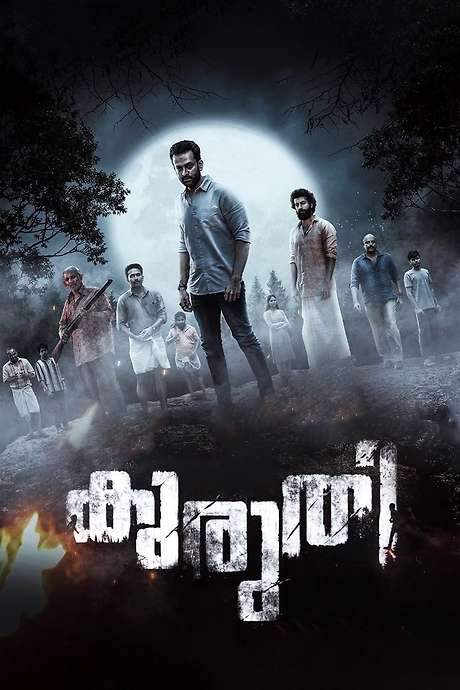
Methagu 2021


This film explores the true events that unfolded in Tamileelam, focusing on the suppression of Tamil ethnicity. It examines the circumstances that led to the rise of Tamil leader Prabhakaran and his involvement in the Tamil freedom struggle within Sri Lanka, an island nation in the Indian Ocean.


Does Methagu have end credit scenes?
No!
Methagu does not have end credit scenes. You can leave when the credits roll.
Meet the Full Cast and Actors of Methagu
Explore the complete cast of Methagu, including both lead and supporting actors. Learn who plays each character, discover their past roles and achievements, and find out what makes this ensemble cast stand out in the world of film and television.

External Links and Streaming Options
Discover where to watch Methagu online, including streaming platforms, rental options, and official sources. Compare reviews, ratings, and in-depth movie information across sites like IMDb, TMDb, Wikipedia or Rotten Tomatoes.






Ratings and Reviews for Methagu
See how Methagu is rated across major platforms like IMDb, Metacritic, and TMDb. Compare audience scores and critic reviews to understand where Methagu stands among top-rated movies in its genre.

The Movie Echo Score
Methagu delivers a compelling depiction of early LTTE history, resonating strongly with its target audience. Reviewers consistently commend the film’s striking visuals, disciplined direction, and authentic production values despite a modest budget. Narrative depth and emotional weight further reinforce its impact, while calls for broader scope suggest minor narrative constraints. The consensus positions the film as a noteworthy biopic with lasting appeal.
The Movie Echo Score Breakdown for Methagu

Art & Craft
In terms of art and craft, Methagu excels through meticulous direction and striking cinematography. Reviewers highlight the film’s world‑class visual composition and effective use of limited resources, noting crisp framing and purposeful editing. Production design, including costumes and period details, receives praise for authenticity. Overall, the technical execution stands out as a major strength of the film.

Character & Emotion
When evaluating character and emotion, the performances are generally praised, especially the portrayal of Prabhakaran, which reviewers deem nuanced and powerful. Supporting roles are noted for aligning closely with historical figures, adding credibility. However, some comment on uneven acting among the ensemble, describing portions as amateurish. The net effect is a largely effective, if occasionally inconsistent, character presentation.

Story & Flow
Regarding story and flow, Methagu presents an original and historically grounded narrative that many find engaging and informative. The plot’s focus on early LTTE motivations is described as different and new, providing fresh insight into a complex conflict. Pacing receives mixed notes, with some reviewers desiring broader coverage of events. Overall, the storyline is compelling despite limited scope.

Sensory Experience
In terms of sensory experience, the film’s soundtrack and background music are repeatedly highlighted as evocative and well‑integrated. Cinematography, praised as world‑class, contributes a distinctive visual tone that enhances the period setting. Sound design receives less explicit commentary but aligns with the overall immersive atmosphere. Collectively, the sensory elements reinforce the film’s emotional and narrative impact.

Rewatch Factor
The rewatch factor is bolstered by the film’s cultural relevance and emotional resonance, prompting audiences to view it as a significant biographical record. Reviewers express eagerness for sequels and praise its lasting appeal despite a modest budget. While some suggest broader storytelling could enhance future installments, the consensus indicates high replay value for viewers interested in the subject matter.
Full Plot Summary and Ending Explained for Methagu
Read the complete plot summary of Methagu, including all major events, twists, and the full ending explained in detail. Explore key characters, themes, hidden meanings, and everything you need to understand the story from beginning to end.
Methagu is a Tamil biographical film that traces the early life of Velupillai Prabhakaran against the backdrop of rising ethnic tensions in Sri Lanka. The narrative carefully sets a world where political choices and social pressures deeply affect everyday life, and where the path to adulthood is shaped as much by circumstance as by personal resolve.
The story opens by detailing the systemic discrimination faced by Tamils, with government policies that elevate Sinhala language and culture while marginalizing Tamil identity. This creates a climate in which peaceful protests are either ignored or met with stern, often brutal, police response. The film shows how such episodes are not abstract news, but concrete experiences that touch families, neighborhoods, and schools, sowing a sense of injustice that will echo through Prabhakaran’s youth.
As a child, Prabhakaran witnesses riots, arrests, and violent attacks on innocent civilians. These moments carry emotional weight and leave a lasting impression, planting seeds of anger and a growing question: why does non-violence seem unable to shield his community from harm? The mood is restrained, but the undercurrents are clear—little acts of daily life become a backdrop for a larger struggle.
In his teenage years, the pressure intensifies and the film shifts its focus to the faltering promises of peaceful political movements. Students and activists are harassed, detained, and sometimes killed, creating fear and frustration among Tamil youth. A pivotal moment arrives when a Tamil cultural gathering is violently attacked, a tragedy that hardens his belief that justice cannot be secured through nonviolent means alone. The narrative demonstrates how this shock accelerates a personal rethink about strategies for change.
Prabhakaran begins to connect with others who share his anger and desire for meaningful reform. What starts as a sense of solidarity gradually edges toward a practical consideration of resistance and retaliation. The film traces this evolution with care, showing how ideals begin to crystallize into a plan, even as the path remains dangerous and uncertain.
In its final act, the film moves from introspection to action: Prabhakaran starts forming small groups, planning visible actions, and preparing to push back against what he and his peers see as oppression. The focus remains on this crucial turning point rather than a full chronicle of his later life or leadership, underscoring that Methagu is intentionally an origin story—a window into the forces that steer a quiet observer toward militancy. The story invites viewers to consider how cycles of violence, failed diplomacy, and personal experience can converge to shape a revolutionary outlook, setting the stage for a trajectory that would unfold beyond the film’s scope.
Through a measured and thoughtful portrayal, the film emphasizes the conditions that mold a revolutionary figure, highlighting the tension between nonviolent ideals and the pressure of real-world injustice. It is a sober reminder of how the seeds of conflict are sown in everyday disenfranchisement and how a single turning point can redefine a life.
The performance by Kutti Mani powerfully conveys the transformation, giving depth to Prabhakaran’s shift from a quiet observer of injustice to someone who contemplates organized resistance. The portrayal anchors the film’s yearnings for context and empathy, inviting audiences to reflect on the origins of a figure whose future would be shaped by the very forces the movie lays bare.

Coming soon on iOS and Android
The Plot Explained Mobile App
From blockbusters to hidden gems — dive into movie stories anytime, anywhere. Save your favorites, discover plots faster, and never miss a twist again.
Sign up to be the first to know when we launch. Your email stays private — always.
Explore the mobile appDiscover Film Music Concerts Near You – Live Orchestras Performing Iconic Movie Soundtracks
Immerse yourself in the magic of cinema with live orchestral performances of your favorite film scores. From sweeping Hollywood blockbusters and animated classics to epic fantasy soundtracks, our curated listings connect you to upcoming film music events worldwide.
Explore concert film screenings paired with full orchestra concerts, read detailed event information, and secure your tickets for unforgettable evenings celebrating legendary composers like John Williams, Hans Zimmer, and more.


Methagu Themes and Keywords
Discover the central themes, ideas, and keywords that define the movie’s story, tone, and message. Analyze the film’s deeper meanings, genre influences, and recurring concepts.

Unlock the World of Movies with Our Comprehensive Wiki
Dive into our Movie Wiki for in-depth film encyclopedia entries, including cast biographies, production trivia, plot synopses, behind-the-scenes facts, and thematic analyses. Whether you’re researching iconic directors, exploring genre histories, or discovering hidden easter eggs, our expertly curated movie database has everything you need to fuel your cinematic passion.
Similar Movies To Methagu You Should Know About
Browse a curated list of movies similar in genre, tone, characters, or story structure. Discover new titles like the one you're watching, perfect for fans of related plots, vibes, or cinematic styles.









Quick Links: Summary, Cast, Ratings, More

What's After the Movie?
Not sure whether to stay after the credits? Find out!
Check out our other apps:

SAT Sphere
Build confidence for the Digital SAT.

Mori Atlas
Discover wild places worth protecting.

Luntero
Search smarter for a home in Amsterdam.

Plot Explained
Unravel movie endings and hidden clues.

Pokechamp
Dive into Pokémon data and battle logic.

Driving Theory
Get ready for your European theory test.

Movie Dust
Plan your next cinema trip with ease.

Musemap
Find art and culture as you travel.

Selkobase
Compare credentials before committing.

Local Manual
Turn an unfamiliar country into practical next steps.

Lernavi
Compare school systems before your next move.

GymRoam
Find a workout stop wherever your plans take you.
Explore Our Movie Platform
New Movie Releases (2026)
Famous Movie Actors
Top Film Production Studios
Movie Plot Summaries & Endings
Major Movie Awards & Winners
Best Concert Films & Music Documentaries
Movie Collections and Curated Lists
© 2026 What's After the Movie. All rights reserved.
Privacy Policy