Martyr 2018

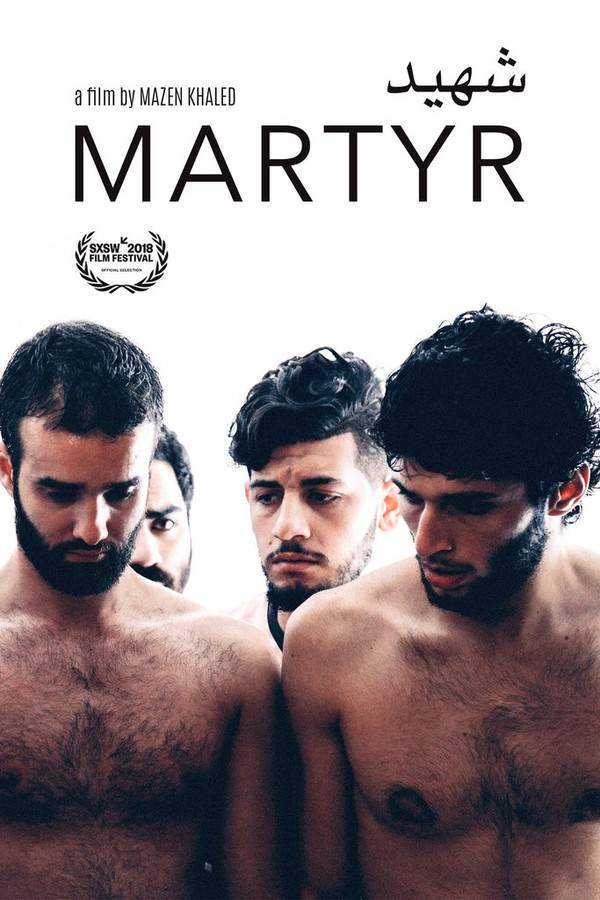
Following a devastating event, a tight-knit community is forced to confront buried tensions and unspoken truths. A family mourning their loss must navigate difficult relationships and unexpected revelations as they search for healing and understanding within the fractured social fabric of their town. The tragedy exposes long-held secrets that challenge their perceptions and test the bonds that hold them together.


Does Martyr have end credit scenes?
No!
Martyr does not have end credit scenes. You can leave when the credits roll.
Where to Watch Martyr
See current US streaming, rental, and purchase options for Martyr (2018) via JustWatch.

Fawesome
HD
Kanopy
HD
Fandango at Home Free
HD
Tubi TV
SD
Amazon Video
SD Fandango At Home
SD Streaming availability powered by 
Meet the Full Cast and Actors of Martyr
Explore the complete cast of Martyr, including both lead and supporting actors. Learn who plays each character, discover their past roles and achievements, and find out what makes this ensemble cast stand out in the world of film and television.

External Links and Streaming Options
Discover where to watch Martyr online, including streaming platforms, rental options, and official sources. Compare reviews, ratings, and in-depth movie information across sites like IMDb, TMDb, Wikipedia or Rotten Tomatoes.







Ratings and Reviews for Martyr
See how Martyr is rated across major platforms like IMDb, Metacritic, and TMDb. Compare audience scores and critic reviews to understand where Martyr stands among top-rated movies in its genre.

The Movie Echo Score
Overall, Martyr offers a visually arresting but narratively elusive experience. The film’s formal composition and water-and-body motifs have been praised for their hypnotic quality, while critics note that its unconventional structure and minimal storytelling can feel protracted. Performances are effective in conveying grief, yet character development remains intentionally sketchy. Ultimately, the film’s immersive sensory strengths are offset by an abstract narrative approach that may challenge viewers seeking conventional coherence.
The Movie Echo Score Breakdown for Martyr

Art & Craft
In terms of art and craft, Martyr excels in its deliberate camera movements and water motifs. The cinematography frequently lingers on subtle textures and a subdued color palette, reinforcing an immersive mood. Production design and editing emphasize fluid transitions, though some viewers find certain sequences extraneous. Overall, the film’s formal composition underpins its thematic depth and manifests a unified visual identity.

Character & Emotion
When it comes to character and emotion, the film relies on strong performances that give shape to otherwise sketch-like figures. Acting is consistently compelling, generating a sense of mournful intimacy even as inner lives remain largely abstract. Chemistry among characters communicates an undercurrent of longing, and moments of emotional resonance emerge amid minimal dialogue. The net effect is an evocative but intentionally restrained character portrayal.

Story & Flow
In terms of story and flow, Martyr opts for an elliptical narrative that privileges mood over plot coherence. Pacing is measured yet sometimes feels protracted, with vignette-like scenes that some viewers find extraneous. While the film’s originality in structure has attracted admiration, its abstract approach can undermine engagement for those expecting a traditional storyline. The overall narrative remains thought-provoking but demands patience and an open-minded perspective.

Sensory Experience
When assessing the sensory experience, Martyr offers a hypnotic blend of sound and imagery that fosters an immersive atmosphere. The score and sound design are understated, enhancing moments of silence and water immersion. Visually, the film employs an understated color palette and deliberate framing to evoke mournful grace. Despite occasional repetition, the sensory cohesion remains a primary strength, enveloping viewers in its contemplative tone.

Rewatch Factor
As for rewatch factor, Martyr has demonstrated lasting appeal for viewers drawn to its formal artistry. Several viewers report returning to its evocative imagery and nuanced pacing, finding new emotional layers on subsequent viewings. While its abstract structure may limit replay value for some, those intrigued by its visual and thematic subtleties are likely to revisit the film. Overall, it offers a rewarding experience for repeat engagement.

6.4 /10
IMDb Rating

70
%
User Score

3.3
From 2 fan ratings
Full Plot Summary and Ending Explained for Martyr
Read the complete plot summary of Martyr, including all major events, twists, and the full ending explained in detail. Explore key characters, themes, hidden meanings, and everything you need to understand the story from beginning to end.
Cyrus is a queer poet living in Indiana, recently stepping back from alcohol and drug use as he pieces together a life shaped by memory, loss, and longing. He carries the belief that his mother was killed on Iran Air Flight 655, a tragedy tied to the Iran-Iraq war, and that his own sense of self has grown out of a long history of displacement. The memory of his father, an Iranian migrant worker who spent years on a rural Indiana farm, threads through his introspection, coloring how he understands belonging, trauma, and the passage from youth into a more fragile adulthood. As Cyrus searches for purpose, he becomes consumed by the idea of martyrdom, turning this concept into a project he calls a book of martyrs. The book becomes a lens through which he tests the line between sacrifice and self-destruction, pondering whether an act of personal meaning can ever redeem the scars of a hard-won past.
Cyrus’ artistic curiosity leads him to the possibility of a grand encounter beyond the borders of his ordinary life. He hears of an Iranian performance artist named Orkideh, who is facing terminal breast cancer and has chosen to spend her final days within the stark, ceremonial space of the Brooklyn Museum as part of a performance piece evocatively titled Death-Speak. The piece draws comparisons to the endurance and ritual of Marina Abramović, inviting viewers to confront death, memory, and the endurance of the body. Compelled by the chance to meet someone who embodies a living intersection of illness, art, and political history, Cyrus travels to New York City with his roommate Zee, a presence in his life whose feelings for Cyrus run deep even as their relationship remains permeated by ambiguity and tension. Zee’s affection both sustains and unsettles Cyrus, adding a layer of emotional complexity to a journey that is already charged with intellectual and existential stakes.
The narrative unfolds through a shifting mosaic of time frames and viewpoints. Within the book that Cyrus is assembling, chapters slip from his current life into intimate recordings of his mother’s past in Iran, where she maintained a secret, lifelong lesbian relationship, and into the wartime memories of an uncle who served in the Iran-Iraq war. This uncle recounts being ordered to dress as an “angel” on horseback to comfort dying Iranian soldiers on the battlefield, a detail that highlights the tenderness and terror interwoven into families shaped by conflict, duty, and cultural upheaval. The structure mirrors Cyrus’ own search for understanding—how to hold together a sense of self with histories that refuse to stay neatly contained in one era or voice.
As the days in New York sharpen into a singular moment of revelation, the relationship between art, memory, and kinship comes to a critical hinge. Orkideh’s performance becomes a crucible in which Cyrus tests the limits of his own mortality and the ethical meanings of martyrdom. When Orkideh dies, a confidant named Sang—Orkideh’s gallerist and former partner—discloses a devastating truth: Orkideh was really Cyrus’ mother, Roya. Roya had swapped passports with her lover Leila in order to escape Iran, and Leila herself perished in the plane disaster. The revelation casts Cyrus’ travels and his book of martyrs in a new, piercing light, reframing his lifelong questions about belonging, sacrifice, and the forces that pull a family apart across borders and time.
In the wake of this startling truth, the story slides into a dreamlike final sequence. Cyrus experiences a reconciling moment with Zee, a delicate moment of emotional clarity that hints at a future where the ache of distance and the weight of memory might begin to loosen just enough for healing to take root. The closing image is poetic and luminous: Cyrus steps toward a pool of golden light, a symbolic threshold that suggests transformation, memory, and the possibility of moving beyond the pain that has shaped him. The film’s cadence lingers on this luminous exit, leaving the viewer with a quiet sense of ambiguity about what comes next while underscoring the enduring pull of family, art, and the perilous beauty of seeking meaning in a world fractured by history.
Throughout this story, themes of diaspora, intergenerational trauma, and the porous boundaries between art and life are explored with a restrained, empathetic voice. The Indiana ground gives way to New York’s vast cultural stage, while intimate memories from Iran, carried by Cyrus’s mother and uncle, illuminate how personal stories become political ones. The characters move like careful notes in a score—Cyrus, the book of martyrs he composes, Orkideh and her final act, Roya and Leila’s perilous flight, and Zee’s unwavering but unsettled devotion. The result is a tale that does not seek sensational closure but instead asks how memory persists, how love survives the revelations that fracture families, and how art can hold the tension between witnessing trauma and offering a path toward grace.
If you’re looking for a story that treats resilience with quiet gravity, that treats the language of sacrifice and memory with curiosity rather than swagger, this narrative offers a thoughtful, multi-layered examination of identity, kinship, and the ways we keep faith with those who mattered most—even when the truth arrives as both gift and rupture.

Coming soon on iOS and Android
The Plot Explained Mobile App
From blockbusters to hidden gems — dive into movie stories anytime, anywhere. Save your favorites, discover plots faster, and never miss a twist again.
Sign up to be the first to know when we launch. Your email stays private — always.
Explore the mobile appDiscover Film Music Concerts Near You – Live Orchestras Performing Iconic Movie Soundtracks
Immerse yourself in the magic of cinema with live orchestral performances of your favorite film scores. From sweeping Hollywood blockbusters and animated classics to epic fantasy soundtracks, our curated listings connect you to upcoming film music events worldwide.
Explore concert film screenings paired with full orchestra concerts, read detailed event information, and secure your tickets for unforgettable evenings celebrating legendary composers like John Williams, Hans Zimmer, and more.


Martyr Themes and Keywords
Discover the central themes, ideas, and keywords that define the movie’s story, tone, and message. Analyze the film’s deeper meanings, genre influences, and recurring concepts.
Martyr Other Names and Titles
Explore the various alternative titles, translations, and other names used for Martyr across different regions and languages. Understand how the film is marketed and recognized worldwide.
Similar Movies To Martyr You Should Know About
Browse a curated list of movies similar in genre, tone, characters, or story structure. Discover new titles like the one you're watching, perfect for fans of related plots, vibes, or cinematic styles.





Quick Links: Summary, Cast, Ratings, More

What's After the Movie?
Not sure whether to stay after the credits? Find out!
Check out our other apps:

SAT Sphere
Build confidence for the Digital SAT.

Mori Atlas
Discover wild places worth protecting.

Luntero
Search smarter for a home in Amsterdam.

Plot Explained
Unravel movie endings and hidden clues.

Pokechamp
Dive into Pokémon data and battle logic.

Driving Theory
Get ready for your European theory test.

Movie Dust
Plan your next cinema trip with ease.

Musemap
Find art and culture as you travel.

Selkobase
Compare credentials before committing.

Local Manual
Turn an unfamiliar country into practical next steps.

Lernavi
Compare school systems before your next move.

GymRoam
Find a workout stop wherever your plans take you.
Explore Our Movie Platform
New Movie Releases (2026)
Famous Movie Actors
Top Film Production Studios
Movie Plot Summaries & Endings
Major Movie Awards & Winners
Best Concert Films & Music Documentaries
Movie Collections and Curated Lists
© 2026 What's After the Movie. All rights reserved.
Privacy Policy