
Mano Po (2002): Cast & Plot
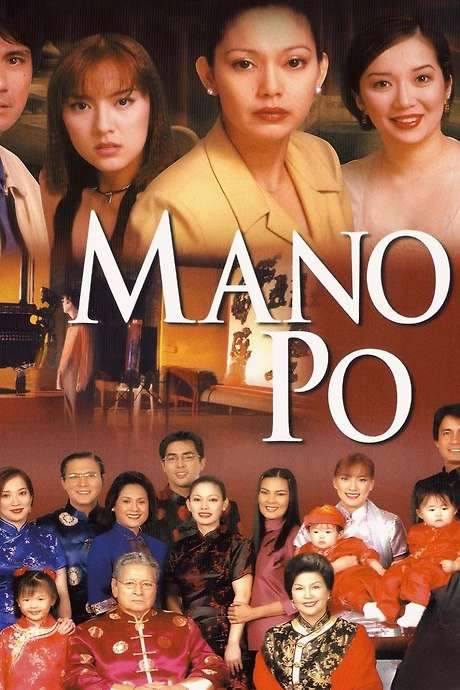
Mano Po is a 2002 drama directed by Joel Lamangan, starring Cogie Domingo as Young Luis / Fong Huan, Ara Mina and Carlo Maceda. It runs 1 hour 50 minutes.
- Released
- Runtime
- 1h 50m (110 min)
- Director
- Joel Lamangan
- Genre
- Drama
- Original language
-
 Tagalog
 - Studio
- Regal Entertainment
- After the credits
- No No extra scene
What Is Mano Po About?
The premise of Mano Po without spoilers. The whole story is in the plot summary further down.
During the 1949 Chinese Revolution, Chinese copra trader Fong‑Huan marries Filipino Elisa. Their children, Daniel and Linda, are raised amid Chinese and Filipino‑Hispanic traditions. Their descendants form a dysfunctional third‑generation family, and the daughters narrate their own tales of joy, struggle and complex realities of Filipino‑Chinese life.
Mano Po Themes & Keywords
· 45 tags- two word title
- year 1949
- chinese revolution
- copra trader
- dysfunctional family
- third generation
- fujian china
- summer
- character says what an idiot
- chopsticks
- foreigner
- character says good morning
+33 more Show fewer
- parents dislike son's girlfriend
- traditional medicine
- newspaper clipping
- stuttering
- arrested for drug possession
- police officer
- drug use
- black sheep
- rear cleavage
- chinese tradition
- step brother step sister relationship
- chinese
- filipino chinese
- first part
- first of series
- chinese culture
- passiveness
- sister sister relationship
- rebellious daughter
- patriarch
- chinatown
- interracial romance
- rich family
- rebelliousness
- pregnancy
- marriage engagement
- kidnapping
- immigrant
- funeral
- flashback
- family business
- birthday
- biracial
Mano Po Cast & Characters
Cogie Domingo leads the cast as Young Luis / Fong Huan, with Ara Mina as Richelle Go and Carlo Maceda as Jimmy Go. Directed by Joel Lamangan; 29 actors are credited in all.
- Director Joel Lamangan
- Cogie Domingo as Young Luis / Fong Huan
- Ara Mina as Richelle Go
- Carlo Maceda as Jimmy Go
- Boots Anson-Roa as Elisa Go
Also Starring in Mano Po
· 25 more- Maricel Soriano Vera Go
- Kris Aquino Juliet Go-Co
- Richard Gomez Raf
- Jay Manalo Emerson Lau
- Eddie Garcia Don Luis Go
- Allan Paule Tonyo
- Menggie Cobarrubias Bernie
- Gina Alajar Gina Go
- Tony Mabesa Raf's Father
- Irma Adlawan Congresswoman
- Tirso Cruz III Daniel Go
- Nanding Josef Gen. Dioscoro Blanco
- Jim Pebanco Mike
- Richard Quan Joey Yang
- Dido De La Paz Congressman
- Amy Austria Linda Go
Show all 29 cast members Show fewer cast members
- Eric Quizon Joseph Co
- Pocholo Montes Congressman
- Bon Vibar Governor (1950's Party)
- Tom Olivar NBI Agent Franz
- Maxene Magalona Young Elisa
- Jenine Desiderio Trina / Raf's Girlfriend
- Elizabeth Ty Chua Luis' Mother
- Shiela Mae Junsay Young Richelle
- Angel De Leon Prostitute
Mano Po Plot Summary
What happens in Mano Po from start to finish, spoilers included, with a timeline of 15 key events. The opening is below; the full summary is a 4-minute read.
Spoilers ahead
Richelle, Ara Mina Go, and her half-brother, Carlo Maceda, narrate on a videotape the history of Richelle’s family, the Gos, for a documentary that follows their complicated lineage and rivalries across generations.
In 1949, Luis Go brings his Filipino wife Elisa, Boots Anson-Roa, to China, hoping for a better life, but the couple returns to the Philippines amid the turmoil of the Chinese Civil War after Elisa struggles to connect with her in‑laws due to cultural differences. Back in the Philippines, Luis starts with humble, menial jobs but steadily builds a vast business through sheer hard work and savvy networking with shifting political leaders. The empire they create is now led by his eldest grandchild, Vera, Maricel Soriano.
Full summary
The whole story of Mano Po, scene by scene
How Well Do You Know Mano Po?
10 questions about the story, each with a hint if you get stuck. Pick an answer to see whether you were right.
Question 1 of 10
- Question 1: not answered
- Question 2: not answered
- Question 3: not answered
- Question 4: not answered
- Question 5: not answered
- Question 6: not answered
- Question 7: not answered
- Question 8: not answered
- Question 9: not answered
- Question 10: not answered
What is the name of the family patriarch who celebrates his 80th birthday?
Mano Po Also Known As
Also known as “Mano Po 1: My Family”.
- Also known as
-
- Mano Po 1: My Family
Seen Mano Po?
Movies Like Mano Po
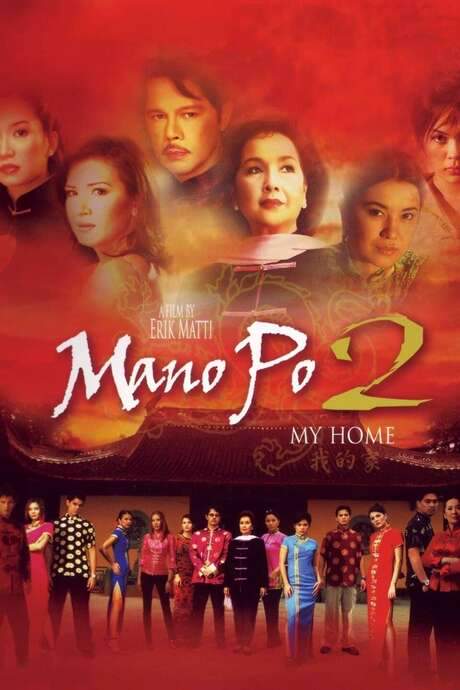
Films with a similar story, tone or audience, including Mano Po 2: My Home, Mano Po 4: Ako Legal Wife and Bahay Kubo: A Pinoy Mano Po!.



Mano Po FAQ: Cast, Runtime & Release Date
Runtime, release date, director, cast, post-credit scenes and language of Mano Po, each answered in a sentence.
How long is Mano Po?
Mano Po runs 1 hour 50 minutes (110 minutes).
When was Mano Po released?
Mano Po was released on December 25, 2002.
Who directed Mano Po?
Mano Po was directed by Joel Lamangan.
More films by Joel Lamangan Who is in the cast of Mano Po?
Mano Po stars Cogie Domingo as Young Luis / Fong Huan, Ara Mina as Richelle Go and Carlo Maceda as Jimmy Go, among 29 credited actors.
Does Mano Po have a post-credit scene?
No. Mano Po has no extra scene during or after the credits.
What language is Mano Po in?
The original language of Mano Po is Tagalog.
Coming soon to your phone
The Plot Explained Movie Summary App
From blockbusters to hidden gems: plot summaries, endings explained and timelines on your phone. Save your favorites and never miss a twist again.
Be the first to know when it launches. Your email stays private, always. Learn more about the app
