Lone Wolf and Cub: Sword of Vengeance 1972


The opening entry of the Lone Wolf and Cub saga, drawn from Kazuo Koike’s manga, follows the tragic downfall of Ogami Ittō, the shogunate’s official executioner. Framed for treason by the powerful Yagyū clan, he becomes a lone ronin, traveling the road with his infant son Daigoro, seeking vengeance while protecting his child.


Does Lone Wolf and Cub: Sword of Vengeance have end credit scenes?
No!
Lone Wolf and Cub: Sword of Vengeance does not have end credit scenes. You can leave when the credits roll.
Meet the Full Cast and Actors of Lone Wolf and Cub: Sword of Vengeance
Explore the complete cast of Lone Wolf and Cub: Sword of Vengeance, including both lead and supporting actors. Learn who plays each character, discover their past roles and achievements, and find out what makes this ensemble cast stand out in the world of film and television.
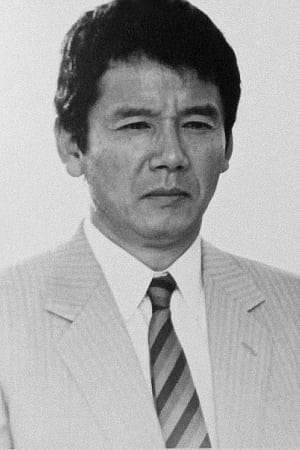
Shigeru Tsuyuguchi
Kurando Yagyû

Taketoshi Naitô
Ichige Gyobu
Tomisaburô Wakayama
Ogami Itto
Hiroshi Hasegawa
Teruo Matsuyama
Monnosuke
Saburo Date
Official Envoy
Yūji Hamada
Akiji Kobayashi
Narrator
Kyōichi Satō
Asao Uchida
Kenmotsu Sugito
Kōji Sekiyama
Kanbei
Fumio Watanabe
Bizennokami Yagyû
Jun Takigawa
Akihiro Tomikawa
Ogami Daigoro
Reiko Kasahara
Crazy Woman
Tokio Oki
Shunya Wazaki
Horii
Yoshi Katō
Danjô Tonami
Manabu Morita
Omi
Michimaro Otabe
Kōji Fujiyama
Yūnosuke Itō
Retsudô Yagyû
Sumao Ishihara
Yukio Horikita
Kanae Kobayashi
Bereaved Woman's Servant
Jun Fujikawa
Tadashi Iwata
Hajime Koshikawa
Goro Kumon
Yūsaku Terashima
Masami Kojomon
Yutaka Nakamura
Ryūtarō Gomi
Kazuo Ōbayashi
Tamotsu Fujiharu
Yoshiko Fujita
Azami Ogami
Tomoko Mayama
Osen
Kazuo Mortuchi
Yoshumitsu Shimonura
Shinji Nunome
Jinichiro Ando
Hisao Hamita
Shigami Tanba
Shōji Mori
Kôji Uehara
Jun Soloni
Iwao Kasumi
Kazuyo Yanaka
Chizu Kobayashi
External Links and Streaming Options
Discover where to watch Lone Wolf and Cub: Sword of Vengeance online, including streaming platforms, rental options, and official sources. Compare reviews, ratings, and in-depth movie information across sites like IMDb, TMDb, Wikipedia or Letterboxd.




Take the Ultimate Lone Wolf and Cub: Sword of Vengeance Movie Quiz
Challenge your knowledge of Lone Wolf and Cub: Sword of Vengeance with this fun and interactive movie quiz. Test yourself on key plot points, iconic characters, hidden details, and memorable moments to see how well you really know the film.
Lone Wolf and Cub: Sword of Vengeance Quiz: Test your knowledge of the 1972 samurai film "Lone Wolf and Cub: Sword of Vengeance" with these ten questions ranging from easy to challenging.
What is the name of the wandering father protagonist?
Full Plot Summary and Ending Explained for Lone Wolf and Cub: Sword of Vengeance
Read the complete plot summary of Lone Wolf and Cub: Sword of Vengeance, including all major events, twists, and the full ending explained in detail. Explore key characters, themes, hidden meanings, and everything you need to understand the story from beginning to end.
Set in Japan during an unspecified year of the Edo period, Ogami Itto, the disgraced former Kogi Kaishakunin (executioner) to the shogun, drifts across the countryside pushing a rain-soaked baby cart carrying his 3-year-old son, Daigoro, inside. A sashimono banner hangs from his back that proclaims: “Ogami: Suiouryo technique. Sword For Hire. Son For Hire.” This stark image sets up a tale where duty and danger collide with a father’s resolve to keep his child safe, even as the world around him seems bent on testing every line he once drew.
An almost comical, unsettling moment interrupts their quiet march when an unstable woman grabs Daigoro from the cart and attempts to breastfeed him. Daigoro, torn between childhood curiosity and his father’s iron gaze, hesitates at first, but under a stern look from Ogami Itto he returns to the boy’s needs, accepting the mother’s offered milk. The woman’s mother apologizes and tries to pay for the moment, yet Ittō remains stoic, remarking in effect that his son was hungry anyway, turning the scene into a quiet meditation on hunger, protection, and the dignity of a father’s duty.
As rain drums the landscape, the memory returns—a rainy day from two years earlier when his wife was slain by three former samurai. At first, Ittō believes it to be revenge for his execution of their young daimyō, but the truth unfolds as a deeper scheme: the elusive Shadow Yagyū clan, a network that controls the shogun’s spies and assassins, intends to frame Ittō for treason to seize control of the executioner’s post. In a brutal confrontation, he cuts down a senior member of the Yagyū and his men who come to finish him off, a moment that hardens his resolve to protect his son at any cost.
From that point, Ittō becomes a wandering assassin-for-hire, taking a petition from the chamberlain of a rural clan to dismantle a conspiracy bent on murdering the chamberlain’s lord and installing their own puppet. The chamberlain’s test is quickly answered, as a mere backslash from Ittō with his Dōtanuki blade dispatches the chamberlain’s two men, revealing that his true mettle lies in decisive, almost surgical violence. The targets lie in a remote mountain village famed for its hot springs, where the steam and water reflect a world that seems to go on forever.
While pushing the baby cart, Daigoro observes the world with a child’s innocence: a dog nursing its litter, children singing, and a bouncing ball. Ittō’s thoughts drift back again to the moment of his wife’s death, and the choice he offers his son—between a toy ball and the sword. If the child chooses the ball, he would die so his son could join his mother; instead, the curious boy reaches for the sword, choosing a path that Ittō proudly describes as living like demons at the crossroads to hell. This moment crystallizes Daigoro’s future as his father’s companion in a life of peril and honor.
The past intrudes once more as Ittō confronts the leader of the Shadow Yagyū, Retsudô Yagyû, forcing a duel with the clan’s best swordsman. A creative edge is revealed in a heartbeat: Ittō straps a mirror to Daigoro’s forehead, using sunlight to blind his opponent and secure a hard-won victory. The memory settles into the present as he reaches the hot-spring village, only to discover that conspirators have hired a band of ronin who have seized the town, raping, looting, and pillaging. With his sword sheathed for the moment, Ittō is forced to mingle with travelers who have been taken hostage; the threat is not merely physical but a test of his resolve to protect his son at all costs.
The hostage situation escalates as the conspirators propose a cruel, dehumanizing gamble: they want Ittō to sleep with a prostitute while they watch. The prostitute, a woman who has witnessed enough brutality to know men’s true natures, doubts that a dignified fighter would ever lower himself to such an act. Yet, in a moment that marks his fall and his ultimate redefinition of honor, Ittō strips and steps forward, showing that a hellbound path has altered not only his heart but his code—the kind of code that makes survival possible in a world where rules are quickly rewritten.
When Ittō finally discloses his identity to the conspirators, he reveals a cache of hidden weapons stowed within the baby cart—including a naginata and a throwing dagger—and proceeds to slaughter the ronin with ruthless efficiency. A conspirator tries to shoot him with twin pistols, but Ittō flips the cart to shield himself, armor-like beneath, and then vaults over it to sever the shooter’s head. He then finishes the final conspirator with a decisive cut to the chest, leaving the village to the ruins of violence and the memory of a man who has embraced a life of easy death and hard duty.
As the dust settles, Ittō withdraws with Daigoro, the boy quietly learning the brutal math of their world. The prostitute who once entertained fear now finds herself drawn to the bond between father and son, but Ittō gently cuts the rope that would let her follow, choosing to push the armored cart onward rather than linger in a moment of possible tenderness. With the rain fading and the road ahead open, the pair move forward, their future uncertain but their resolve intact, bound for the next job and the next test in a life lived on the edge of a blade.

Coming soon on iOS and Android
The Plot Explained Mobile App
From blockbusters to hidden gems — dive into movie stories anytime, anywhere. Save your favorites, discover plots faster, and never miss a twist again.
Sign up to be the first to know when we launch. Your email stays private — always.
Explore the mobile appWatch Trailers, Clips & Behind-the-Scenes for Lone Wolf and Cub: Sword of Vengeance
Watch official trailers, exclusive clips, cast interviews, and behind-the-scenes footage from Lone Wolf and Cub: Sword of Vengeance. Dive deeper into the making of the film, its standout moments, and key production insights.
Lone Wolf and Cub: Sword of Vengeance Themes and Keywords
Discover the central themes, ideas, and keywords that define the movie’s story, tone, and message. Analyze the film’s deeper meanings, genre influences, and recurring concepts.

Unlock the World of Movies with Our Comprehensive Wiki
Dive into our Movie Wiki for in-depth film encyclopedia entries, including cast biographies, production trivia, plot synopses, behind-the-scenes facts, and thematic analyses. Whether you’re researching iconic directors, exploring genre histories, or discovering hidden easter eggs, our expertly curated movie database has everything you need to fuel your cinematic passion.

Similar Movies To Lone Wolf and Cub: Sword of Vengeance You Should Know About
Browse a curated list of movies similar in genre, tone, characters, or story structure. Discover new titles like the one you're watching, perfect for fans of related plots, vibes, or cinematic styles.


Quick Links: Summary, Cast, Ratings, More

What's After the Movie?
Not sure whether to stay after the credits? Find out!
Check out our other apps:

SAT Sphere
Build confidence for the Digital SAT.

Mori Atlas
Discover wild places worth protecting.

Luntero
Search smarter for a home in Amsterdam.

Plot Explained
Unravel movie endings and hidden clues.

Pokechamp
Dive into Pokémon data and battle logic.

Driving Theory
Get ready for your European theory test.

Movie Dust
Plan your next cinema trip with ease.

Musemap
Find art and culture as you travel.

Selkobase
Compare credentials before committing.

Local Manual
Turn an unfamiliar country into practical next steps.

Lernavi
Compare school systems before your next move.

GymRoam
Find a workout stop wherever your plans take you.
Explore Our Movie Platform
New Movie Releases (2026)
Famous Movie Actors
Top Film Production Studios
Movie Plot Summaries & Endings
Major Movie Awards & Winners
Best Concert Films & Music Documentaries
Movie Collections and Curated Lists
© 2026 What's After the Movie. All rights reserved.
Privacy Policy