Little Brother 2026

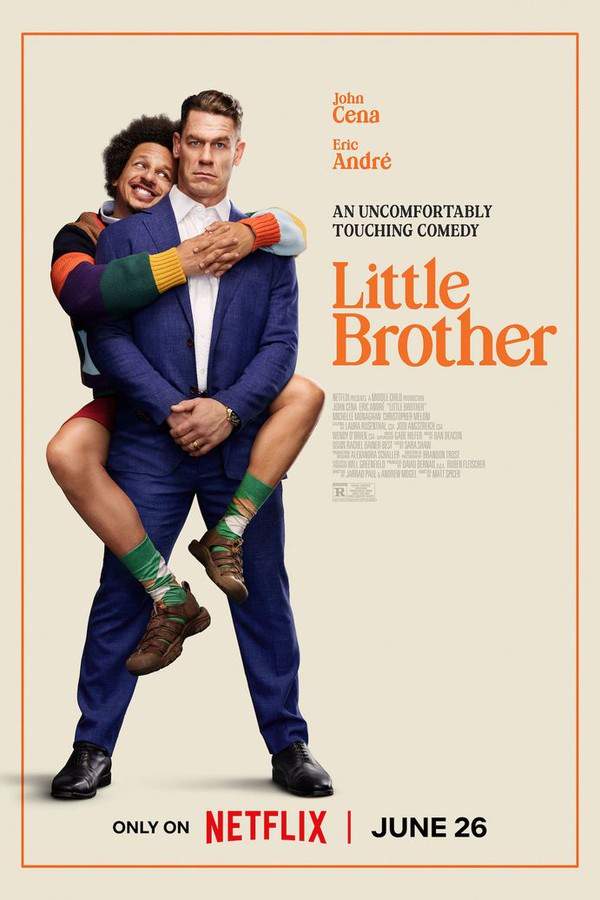
Rudd (John Cena) enjoys a picture‑perfect life—stable job, loving family, and a booming real‑estate career—until his younger brother Marcus (Eric Andre) bursts back into his world. Marcus, a wild‑card agent of chaos, turns Rudd’s ordered existence upside down, testing every relationship and forcing Rudd to confront the limits of his control.


Does Little Brother have end credit scenes?
No!
Little Brother does not have end credit scenes. You can leave when the credits roll.
Where to Watch Little Brother
See current US streaming, rental, and purchase options for Little Brother (2026) via JustWatch.

Amazon Prime Video
HD
Amazon Prime Video with Ads
HD
Fawesome
HD
Hoopla
SD
Kanopy
HD
Fandango at Home Free
HD
Plex
HD
Plex Channel
HD
Pluto TV
SD
Rakuten Viki
HD
Tubi TV
SD
Amazon Video
SD
Apple TV Store
HD Fandango At Home
SD
Google Play Movies
SD
YouTube
SD Streaming availability powered by 
Meet the Full Cast and Actors of Little Brother
Explore the complete cast of Little Brother, including both lead and supporting actors. Learn who plays each character, discover their past roles and achievements, and find out what makes this ensemble cast stand out in the world of film and television.

John Cena
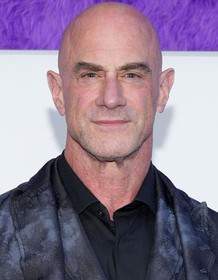
Christopher Meloni

Sherry Cola

Michelle Monaghan

Eric André

Brian McCarthy
Guest 2
Bryce Gheisar
Cory
Brett Azar
Yayir
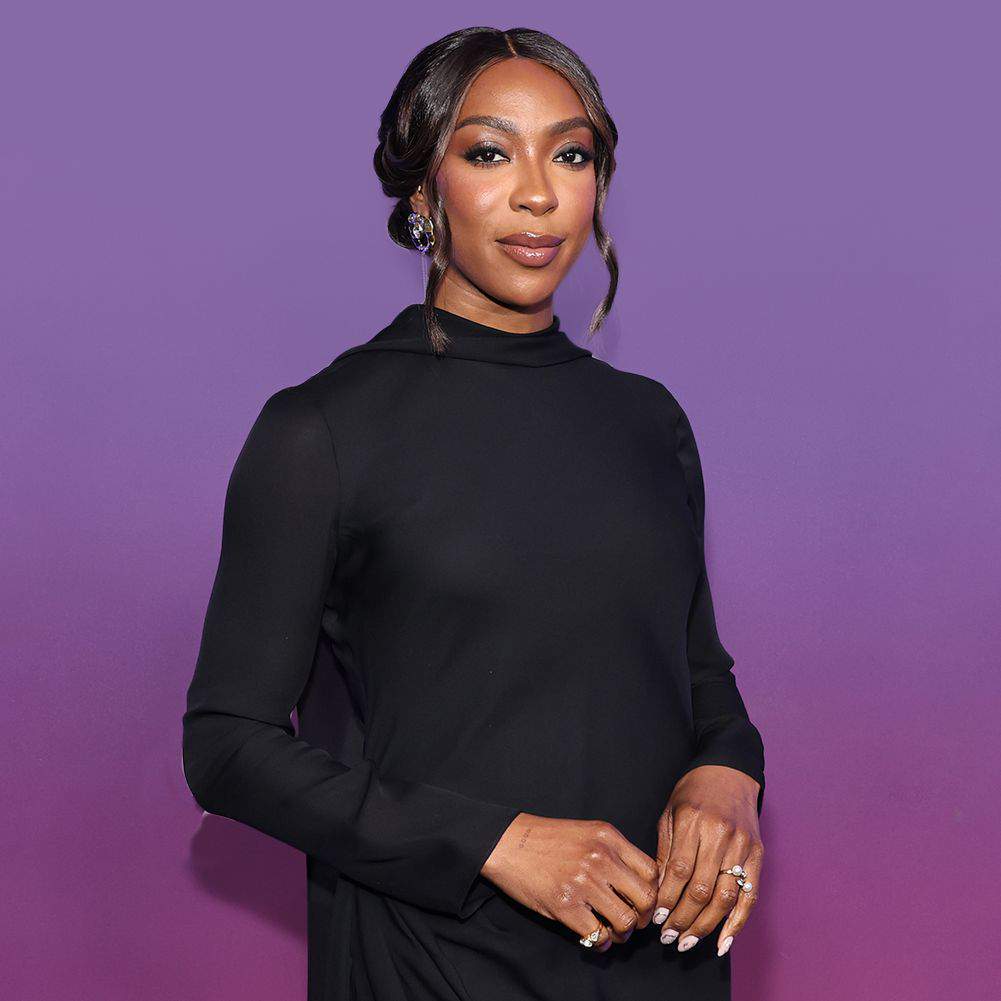
Ego Nwodim
Sarah Ramos
Hailey Boyajian
Dani Deetté
Christopher Woodley
Young Marcus
Caleb Hearon
Pilot Bunch
Stephen Singer
Mr. Myerson
Brian Keane
Ben Ahlers
Christina Catechis
Sophia Bunnell
External Links and Streaming Options
Discover where to watch Little Brother online, including streaming platforms, rental options, and official sources. Compare reviews, ratings, and in-depth movie information across sites like IMDb, TMDb, Wikipedia or Rotten Tomatoes.






Ratings and Reviews for Little Brother
See how Little Brother is rated across major platforms like IMDb, Metacritic, and TMDb. Compare audience scores and critic reviews to understand where Little Brother stands among top-rated movies in its genre.

The Movie Echo Score
Little Brother delivers a modestly entertaining comedy that leans heavily on its lead duo, but it struggles to rise above familiar formula. Critics note uneven tone and a lack of narrative cohesion, while some viewers appreciate the occasional laugh and the chemistry between Cena and André. The film’s production values are serviceable, yet the script’s predictability limits its impact. Overall, the movie offers brief moments of charm but remains a middle‑of‑the‑road offering with limited lasting appeal.
The Movie Echo Score Breakdown for Little Brother

Art & Craft
In terms of art and craft, the film presents competent production design and a functional soundtrack that support its comedic beats. Critics and users note that direction is uneven, with scenes that feel loosely assembled rather than tightly edited. The visual style leans toward a generic streaming aesthetic without distinctive flair. Consequently, the technical execution is adequate but unremarkable, resulting in a modest score for this aspect.

Character & Emotion
When it comes to character and emotion, John Cena and Eric André receive the bulk of praise for their chemistry and committed performances. Reviewers highlight Cena’s willingness to appear ridiculous and André’s energetic humor, which generate several genuine laughs. However, supporting characters are described as generic, and the emotional depth is shallow. The mixed reception of acting leads to a moderately positive assessment of this aspect.

Story & Flow
The story and flow are the film’s weakest element, with many critics calling the plot formulaic, predictable, and lacking originality. Reviewers mention an off‑balance tone that oscillates between raunchy jokes and forced sentimentality. Users echo this, noting familiar narrative beats and a script that fails to surprise. Because pacing and coherence are frequently criticized, the story receives a low score.

Sensory Experience
Sensory experience receives a middle‑of‑the‑road rating. The soundtrack is cited as functional, helping to accentuate comedic moments, yet it does not stand out. Sound design and visual style are described as serviceable but unexceptional, with no notable cinematic flourishes. While the auditory and visual elements do not detract from the film, they also fail to elevate it, leading to an average score.

Rewatch Factor
Rewatch factor is mixed; some critics suggest the film could become endlessly rewatchable for fans of its specific humor, while many viewers find it forgettable after one viewing. Positive remarks focus on the duo’s dynamic, which may reward repeat watches for certain audiences. Conversely, the lack of originality and reliance on familiar jokes diminish long‑term appeal, resulting in a modest rewatch rating.

52
Metascore
4.1
User Score
64
%
User Score
Full Plot Summary and Ending Explained for Little Brother
Read the complete plot summary of Little Brother, including all major events, twists, and the full ending explained in detail. Explore key characters, themes, hidden meanings, and everything you need to understand the story from beginning to end.
Rudd Landy [John Cena] seems to have it all—a thriving real estate career, a gorgeous wife Deirdre, [Michelle Monaghan], two decent kids, and a shot at fame on the reality show NYC Hustlers. But beneath the gym‑sculpted physique and a relentless self‑help routine, he craves validation from his older brother Josh [Christopher Meloni], a billionaire who outclasses him at every family gathering. Josh won’t even let Rudd sell his mansion, and whatever Rudd achieves, Josh manages to top without breaking a sweat.
Marcus Pinchel [Eric André] escapes from a psychiatric hospital where his roommate believes he’s married to a rock with googly eyes on it. Years ago, Rudd mentored Marcus through a Big Brothers–style program—only because it helped his college applications. Rudd hasn’t thought about Marcus since. But Marcus, who endured sixteen foster homes and lost his own brother Manny, has treasured their connection for decades. He believes they’ve been exchanging heartfelt emails all these years. The truth: Rudd’s assistant Mia [Sherry Cola] has been secretly writing back, unable to break it to Marcus that Rudd never responded. Marcus hitchhikes to New York, gets hit by a garbage truck, and ends up in the hospital listing Rudd as his emergency contact. Deirdre insists Marcus stay with them while he recovers. Marcus proceeds to upend Rudd’s carefully controlled life—peeing in public in a wildly inappropriate way, bonding with Deirdre more naturally than Rudd ever does, and accidentally becoming the breakout star when he visits the NYC Hustlers set.
Rudd’s world begins to crack at the seams as Marcus’s unexpected energy and openness threaten to derail the life Rudd has built around reputation and appearance. Rudd tries bribery, manipulation, and avoidance to push him out, but nothing sticks. The tension comes to a head at a party at Josh’s mansion, where Rudd, high and paranoid, discovers Marcus and Josh hitting it off. Panicked that Josh will steal the spotlight again, Rudd intervenes, trips, and sends Josh tumbling from a balcony. In a tense moment of salvation, Marcus saves Josh’s life by performing an emergency tracheotomy on the spot. But instead of receiving gratitude, Rudd grabs a microphone and humiliates Marcus in front of everyone. He reveals Marcus’ psychiatric history, calls him a liar and a con artist, and lets slip that Mia—not Rudd—wrote every single one of those emails. Marcus is utterly broken. When Rudd bluntly declares they were never actually brothers, Marcus walks away alone.
The fallout is swift and painful. Rudd’s family turns against him—his sons are disgusted, Deirdre won’t look at him. For the first time, he reads the emails Marcus sent over the years and understands what that mentorship meant to a kid who had nobody. At the televised Big Brother of the Year ceremony, where producers plan to digitally paste Marcus’s face onto a body double, Rudd chooses honesty over a ratings grab. He confesses everything on live television: his jealousy of Josh, his neglect of Marcus, and his realization that he spent his life chasing approval from someone who didn’t need him while ignoring someone who truly did.
Marcus, believing he has no one left, voluntarily checks back into the psych ward—not because he’s unstable, but because the hospital is the only place that has ever felt safe. Rudd finds him there, climbs to his room, and offers a genuine apology. He tells Marcus that he is family and always will be. Marcus doesn’t forgive him immediately, but he accepts the change and allows a hug to mark the start of something real.
In the end, a new path emerges. Rudd and Marcus launch a real estate partnership called Broker Brothers, symbolizing a move away from one‑sided validation toward a true brotherhood. Mia and Marcus begin a real relationship, and Rudd makes peace with his family, letting go of the need for Josh’s approval. The NYC Hustlers producers, of course, hire actors to dramatize the entire mess for ratings, turning a personal upheaval into television spectacle while the two men build a lasting connection.

Coming soon on iOS and Android
The Plot Explained Mobile App
From blockbusters to hidden gems — dive into movie stories anytime, anywhere. Save your favorites, discover plots faster, and never miss a twist again.
Sign up to be the first to know when we launch. Your email stays private — always.
Explore the mobile appWatch Trailers, Clips & Behind-the-Scenes for Little Brother
Watch official trailers, exclusive clips, cast interviews, and behind-the-scenes footage from Little Brother. Dive deeper into the making of the film, its standout moments, and key production insights.

Unlock the World of Movies with Our Comprehensive Wiki
Dive into our Movie Wiki for in-depth film encyclopedia entries, including cast biographies, production trivia, plot synopses, behind-the-scenes facts, and thematic analyses. Whether you’re researching iconic directors, exploring genre histories, or discovering hidden easter eggs, our expertly curated movie database has everything you need to fuel your cinematic passion.

Quick Links: Summary, Cast, Ratings, More

What's After the Movie?
Not sure whether to stay after the credits? Find out!
Check out our other apps:

SAT Sphere
Build confidence for the Digital SAT.

Mori Atlas
Discover wild places worth protecting.

Luntero
Search smarter for a home in Amsterdam.

Plot Explained
Unravel movie endings and hidden clues.

Pokechamp
Dive into Pokémon data and battle logic.

Driving Theory
Get ready for your European theory test.

Movie Dust
Plan your next cinema trip with ease.

Musemap
Find art and culture as you travel.

Selkobase
Compare credentials before committing.

Local Manual
Turn an unfamiliar country into practical next steps.

Lernavi
Compare school systems before your next move.

GymRoam
Find a workout stop wherever your plans take you.
Explore Our Movie Platform
New Movie Releases (2026)
Famous Movie Actors
Top Film Production Studios
Movie Plot Summaries & Endings
Major Movie Awards & Winners
Best Concert Films & Music Documentaries
Movie Collections and Curated Lists
© 2026 What's After the Movie. All rights reserved.
Privacy Policy