Kingdom Come 2001



After her husband unexpectedly dies, Raynelle Slocumb gathers her entire family to pay their respects and prepare for the funeral. As the family convenes in the sweltering heat, long-standing tensions rise to the surface, especially among her eccentric brothers. The gathering tests the bonds of family and forces them to confront their complicated relationships.


Does Kingdom Come have end credit scenes?
No!
Kingdom Come does not have end credit scenes. You can leave when the credits roll.
Where to Watch Kingdom Come
See current US streaming, rental, and purchase options for Kingdom Come (2001) via JustWatch.







Meet the Full Cast and Actors of Kingdom Come
Explore the complete cast of Kingdom Come, including both lead and supporting actors. Learn who plays each character, discover their past roles and achievements, and find out what makes this ensemble cast stand out in the world of film and television.

External Links and Streaming Options
Discover where to watch Kingdom Come online, including streaming platforms, rental options, and official sources. Compare reviews, ratings, and in-depth movie information across sites like IMDb, TMDb, Wikipedia or Rotten Tomatoes.










Ratings and Reviews for Kingdom Come
See how Kingdom Come is rated across major platforms like IMDb, Metacritic, and TMDb. Compare audience scores and critic reviews to understand where Kingdom Come stands among top-rated movies in its genre.

48
Metascore
6.8
User Score

66
%
User Score
Full Plot Summary and Ending Explained for Kingdom Come
Read the complete plot summary of Kingdom Come, including all major events, twists, and the full ending explained in detail. Explore key characters, themes, hidden meanings, and everything you need to understand the story from beginning to end.
Kingdom Come follows the Slocumb family, a rural clan whose bonds are tested when the patriarchently distant memories of the past collide with a present filled with fault lines. After the death of Woodrow “Bud” Slocumb, the family is pulled back to the country home they share, only to discover that no one among them seems to remember him with much fondness. What starts as a quiet funeral quickly spirals into a revealing examination of long-held grievances, strained loyalties, and the complicated tenderness that can exist beneath tense surfaces. The story, adapted from the Off-Broadway play Dearly Departed, uses their gathering as a microcosm of kinship—where jokes sometimes mask resentment and where the act of saying goodbye becomes the first step toward reckonings that have little to do with mortality and everything to do with living.
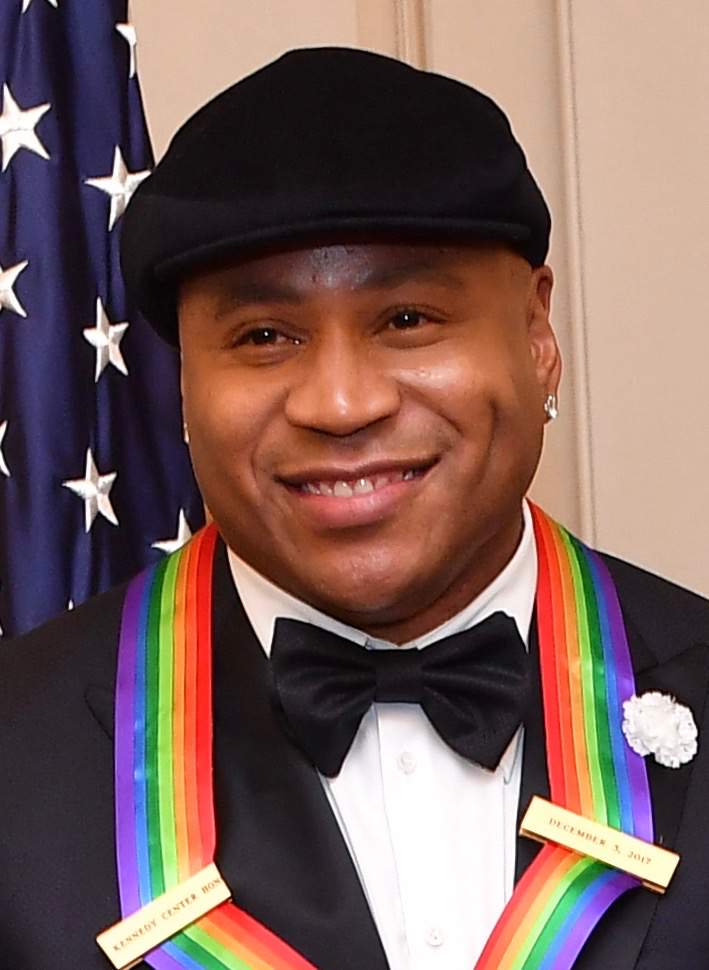
Ray Bud, LL Cool J, is a recovering alcoholic who carries the weight of a fractured relationship with his father and a stubborn reluctance to fully face his father’s death. The gravity of the moment sits on his shoulders even as he tries to maintain a steady, hopeful tone for those around him. His wife, Lucille (Vivica A. Fox), is a loving, devoted presence in the household, always moving to make sure everyone has what they need. Her warmth masks a quiet ache—she longs for a child, a dream that remains out of reach—and her quiet longing adds another layer to the web of desires and disappointments that define this family dynamic. The interplay between Ray Bud’s struggle with the past and Lucille’s nurturing spirit helps to anchor the emotional core of the story, even as humor and quarrels punctuate the proceedings.
Junior (Anthony Anderson) brings a different kind of pressure to the table. He has gambled away his savings on a failed invention, leaving him financially and emotionally exposed. His loud-mouthed, high-strung wife Charisse Jada Pinkett Smith rockets through scenes with sharp wit and sharper temper, especially when infidelity tests their bond. The revelation that a wealthy lawyer cousin might have offered Charisse a different life only adds to the tension, culminating with the unsettling reminder that family loyalties can be as fragile as the fortunes that sometimes separate people. The presence of Juanita (Toni Braxton), the cousin’s wife who has chosen to step into a different circle, intensifies the rollercoaster of relationships and loyalties that the family must navigate in the wake of Bud’s death.
Marguerite (Loretta Devine) is a pious, overbearing mother who believes she knows what is best for everyone, whether they want her guidance or not. She translates faith and moral certainty into a commanding presence that can feel both protective and suffocating. Her constant, shrill advice—especially toward her wayward son Royce (Darius McCrary)—is a catalyst for conflict in the house. Royce, unemployed and frustrated, resents his mother’s insistence on control even as she fears his potential downfall and imagines worst-case scenarios for his future. The friction between Marguerite’s well-intentioned yet intrusive counsel and Royce’s stubborn desire for independence becomes one of the central tensions that drive the day’s conversations and confrontations.
Throughout the film, the atmosphere in the Slocumb house shifts between warmth and sharp-edged confrontation, humor and heartbreak. The family members reveal how they have carried Bud’s absence in different ways—some with humor, others with defensiveness, and a few with a fragile hope for reconciliation. The funeral acts as a catalyst, pulling long-simmering resentments to the surface while offering glimmers of understanding, forgiveness, and the possibility that memory can heal as well as haunt. The country setting amplifies the sense that time here moves slowly, inviting a closer look at the people who remain and the choices they make when confronted with sorrow and obligation.
As the day unfolds, the narrative interweaves personal histories with present tensions, painting a portrait of a family that, despite its flaws and clashes, persists in staying together. The dialogue is brisk and observant, with sharp one-liners and affectionate jabs that feel authentic to a clan that knows each other all too well. The emotional stakes are high, but so is the stubborn humor that keeps the mood from tipping entirely into gravitas. The result is a blend of drama and comedy that honors the Off-Broadway origins while expanding the relationships into a broader canvas of what it means to be family when the past keeps tugging at the present.
In the end, Kingdom Come presents a candid look at how love, memory, and duty coexist in a household where everyone has a story to tell and a score to settle. The film invites viewers to witness not just a funeral, but a reckoning—one that asks whether a family can move forward when the echoes of the past refuse to fade. With its grounded performances and its heartfelt, occasionally humorous, portrayal of grief and reconciliation, the movie offers a thoughtful meditation on what it means to come together when it would be easier to walk away.

Coming soon on iOS and Android
The Plot Explained Mobile App
From blockbusters to hidden gems — dive into movie stories anytime, anywhere. Save your favorites, discover plots faster, and never miss a twist again.
Sign up to be the first to know when we launch. Your email stays private — always.
Explore the mobile appWatch Trailers, Clips & Behind-the-Scenes for Kingdom Come
Watch official trailers, exclusive clips, cast interviews, and behind-the-scenes footage from Kingdom Come. Dive deeper into the making of the film, its standout moments, and key production insights.
Cars Featured in Kingdom Come
Explore all cars featured in Kingdom Come, including their makes, models, scenes they appear in, and their significance to the plot. A must-read for car enthusiasts and movie buffs alike.
Kingdom Come Themes and Keywords
Discover the central themes, ideas, and keywords that define the movie’s story, tone, and message. Analyze the film’s deeper meanings, genre influences, and recurring concepts.
Kingdom Come Other Names and Titles
Explore the various alternative titles, translations, and other names used for Kingdom Come across different regions and languages. Understand how the film is marketed and recognized worldwide.
Similar Movies To Kingdom Come You Should Know About
Browse a curated list of movies similar in genre, tone, characters, or story structure. Discover new titles like the one you're watching, perfect for fans of related plots, vibes, or cinematic styles.



Quick Links: Summary, Cast, Ratings, More

What's After the Movie?
Not sure whether to stay after the credits? Find out!
Check out our other apps:

SAT Sphere
Build confidence for the Digital SAT.

Mori Atlas
Discover wild places worth protecting.

Luntero
Search smarter for a home in Amsterdam.

Plot Explained
Unravel movie endings and hidden clues.

Pokechamp
Dive into Pokémon data and battle logic.

Driving Theory
Get ready for your European theory test.

Movie Dust
Plan your next cinema trip with ease.

Musemap
Find art and culture as you travel.

Selkobase
Compare credentials before committing.

Local Manual
Turn an unfamiliar country into practical next steps.

Lernavi
Compare school systems before your next move.

GymRoam
Find a workout stop wherever your plans take you.
Explore Our Movie Platform
New Movie Releases (2026)
Famous Movie Actors
Top Film Production Studios
Movie Plot Summaries & Endings
Major Movie Awards & Winners
Best Concert Films & Music Documentaries
Movie Collections and Curated Lists
© 2026 What's After the Movie. All rights reserved.
Privacy Policy