Kill Your Darlings 2013


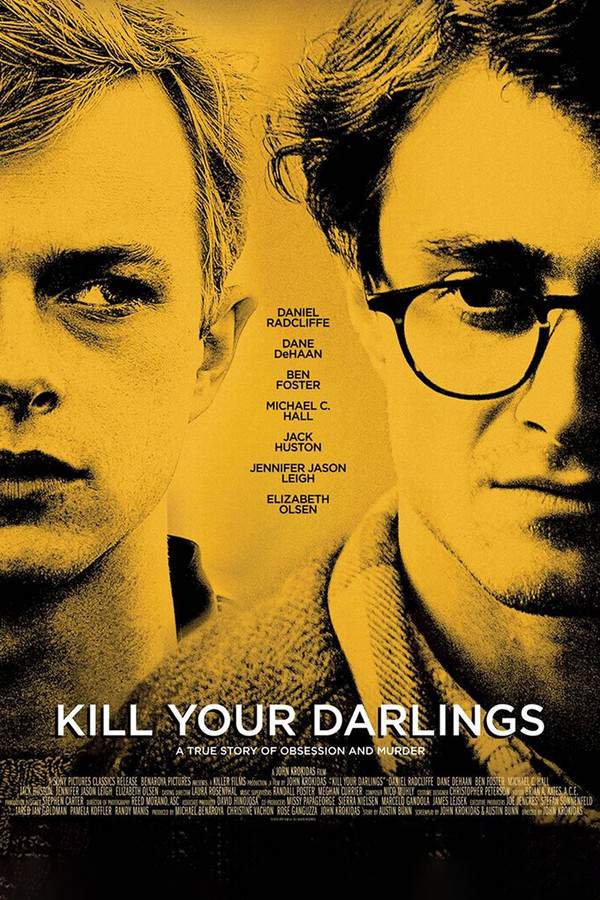
In 1944, a young Allen Ginsberg experiences a transformative encounter with the charismatic Lucien Carr. Their intense rivalry ignites a dangerous obsession, complicated by the allure of the New York literary scene. A tragic death among their circle throws the group into turmoil, blurring the boundaries of friendship and love. The ensuing trial reveals the dark side of artistic ambition and exposes a shocking truth about the lives of these burgeoning poets.


Does Kill Your Darlings have end credit scenes?
No!
Kill Your Darlings does not have end credit scenes. You can leave when the credits roll.
Where to Watch Kill Your Darlings
See current US streaming, rental, and purchase options for Kill Your Darlings (2013) via JustWatch.








Meet the Full Cast and Actors of Kill Your Darlings
Explore the complete cast of Kill Your Darlings, including both lead and supporting actors. Learn who plays each character, discover their past roles and achievements, and find out what makes this ensemble cast stand out in the world of film and television.







External Links and Streaming Options
Discover where to watch Kill Your Darlings online, including streaming platforms, rental options, and official sources. Compare reviews, ratings, and in-depth movie information across sites like IMDb, TMDb, Wikipedia or Rotten Tomatoes.










Ratings and Reviews for Kill Your Darlings
See how Kill Your Darlings is rated across major platforms like IMDb, Metacritic, and TMDb. Compare audience scores and critic reviews to understand where Kill Your Darlings stands among top-rated movies in its genre.

65
Metascore
6.6
User Score


77%
TOMATOMETER

60%
User Score

6.4 /10
IMDb Rating
71
%
User Score

3.4
From 2.4K fan ratings

3.44/5
From 9 fan ratings
Take the Ultimate Kill Your Darlings Movie Quiz
Challenge your knowledge of Kill Your Darlings with this fun and interactive movie quiz. Test yourself on key plot points, iconic characters, hidden details, and memorable moments to see how well you really know the film.
Kill Your Darlings Quiz: Test your knowledge of the 2013 film Kill Your Darlings with these ten mixed‑difficulty questions.
Which poet wins a place at Columbia University in 1944?
Full Plot Summary and Ending Explained for Kill Your Darlings
Read the complete plot summary of Kill Your Darlings, including all major events, twists, and the full ending explained in detail. Explore key characters, themes, hidden meanings, and everything you need to understand the story from beginning to end.
In 1944, Allen Ginsberg arrives at Columbia University in New York City as a wary, inexperienced freshman, quickly finding himself drawn into a tight circle of young, hungry minds who want to redefine literature and rebellion. Early on, he crosses paths with Lucien Carr, an unruly, magnetic figure who clings to anti-establishment beliefs and seems to see the world as a stage for personal transformation. Ginsberg soon learns that Carr’s place at Columbia is kept not by the rules of academia, but by the intervention of a powerful, troubled man: David Kammerer, a janitor-professor who ghostwrites Carr’s term papers and exerts abusive pressure to secure Carr’s continued enrollment. Kammerer’s possessive, predatory relationship with Carr casts a dark shadow over Carr’s academic and personal life, chilling the air around their fragile circle.
As Ginsberg spends more time with Carr, the orbit expands to include the ambitious, restless writers who will soon be celebrated—and feared—for challenging the status quo. He meets William S. Burroughs, a man already deeply immersed in experiments with drugs and the boundaries of conventional morality, and Jack Kerouac, a sailor who has been expelled from Columbia and is hungry for new forms of expression. Together, this group begins to form a loose yet fervent literary movement they call the New Vision, an insurgent response to the rigid laws, institutions, and even their own professor Steeves. The energy is electric: late-night discussions, streetwise camaraderie, and a shared belief that art can break free from tradition. For Ginsberg, the friendship also unlocks an intimate complicity he hadn’t anticipated, as his feelings toward Carr grow warmer and more complicated, blending mentorship with something deeper and more personal.
Under the surface of camaraderie and creative fervor, tension simmers. Carr breaks away from Kammerer, drawing Ginsberg into his effort to sever the hold Kammerer has on his life and his papers. With Carr’s plan in motion, Kammerer retaliates in a brutal, shocking way that changes everything: he lures Kerouac’s cat into a frightening situation, a stunt that Kerouac discovers and rescues in the dead of night. The incident marks a turning point, intensifying the precarious bonds inside this fragile group and setting a chain of events that no one can fully control.
The group’s next steps take them toward a shared dream of escape and adventure. Carr and Kerouac attempt to join the merchant marine together, hoping to travel to Paris and immerse themselves in a world of writing, philosophy, and possibility. But a confrontation between Carr and Kammerer erupts in violence, and Kammerer is killed by stabbing. Carr is arrested, and the careful balance of their fragile world begins to unravel as public scrutiny and legal peril loom over everyone connected to the case.
With Kammerer dead and Carr under arrest, the burden falls on Ginsberg to bear witness in a way that could salvage his friend—or destroy him. Carr asks Ginsberg to write his deposition, and the writer is initially reluctant, torn between loyalty and the fear of exposing a much deeper truth. Yet as Ginsberg uncovers crucial evidence about Kammerer’s past and his relationship with Carr, the nature of the tragedy becomes clearer. He composes a powerful deposition piece, a testament to the emotional reality of what happened, which Carr rejects as “fiction.” Carr pleads with Ginsberg not to reveal it to anyone, fearing that the truth could ruin him during the ensuing trial.
Part of the story that the deposition helps illuminate is a revelation from Carr’s mother: Kammerer was the first person to seduce Carr when he was much younger, back in Chicago. This contextual detail complicates the courtroom narrative and adds a layer of complexity to Carr’s self-defense claim. After the trial, Carr testifies that the attack occurred in self-defense, asserting that he acted only to protect himself from a predatory violence that had haunted him for years. Despite this defense, the case unfolds with nuance and ambiguity, and Carr receives only a short sentence for manslaughter rather than a murder conviction, a verdict that feels both shocking and somehow consistent with the tangled web of relationships that preceded it.
Back at Columbia, Ginsberg completes the term paper that has the potential to redefine his future and that of the entire group. He submits The Night in Question, a stark, emotionally resonant account that captures the raw, human dimensions of the events. The piece becomes the focal point of the controversy surrounding his own future at the university: he faces possible expulsion, a choice that forces him to confront what kind of writer—and what kind of person—he wishes to be. In a bid to protect the integrity of his own voice, Ginsberg chooses the path that could end his formal academic career, even as it leaves behind a manuscript that embodies a truth he believes in.
Ultimately, the narrative circles back to the moment when Ginsberg must decide whether to align with conventional expectations or to pursue his own path as a writer, driven by a conviction that art can and should bear witness to lived truth. The university’s response arrives in the form of a challenge—expulsion or establishment—and Ginsberg steps away from the typical path, taking with him the manuscript that could have defined his future. A short time later, the promise of encouragement surfaces in the form of a note that accompanies the typescript, hinting at a future where he is urged to pursue writing despite the upheaval of his current circumstances.
This story—rooted in a historical, charged moment—brings to life a constellation of young writers who would go on to shape a generation. It is a portrait of ambition, vulnerability, and the cost of choosing one’s own voice in a world that often resists such rebellion. The film uses a restrained, contemplative tone to chart a journey from scholarly beginnings to a broader, more controversial artistic awakening, inviting viewers to weigh loyalty, truth, and the enduring hunger for creative freedom.

Coming soon on iOS and Android
The Plot Explained Mobile App
From blockbusters to hidden gems — dive into movie stories anytime, anywhere. Save your favorites, discover plots faster, and never miss a twist again.
Sign up to be the first to know when we launch. Your email stays private — always.
Explore the mobile appWatch Trailers, Clips & Behind-the-Scenes for Kill Your Darlings
Watch official trailers, exclusive clips, cast interviews, and behind-the-scenes footage from Kill Your Darlings. Dive deeper into the making of the film, its standout moments, and key production insights.
Kill Your Darlings Themes and Keywords
Discover the central themes, ideas, and keywords that define the movie’s story, tone, and message. Analyze the film’s deeper meanings, genre influences, and recurring concepts.
Kill Your Darlings Other Names and Titles
Explore the various alternative titles, translations, and other names used for Kill Your Darlings across different regions and languages. Understand how the film is marketed and recognized worldwide.
Similar Movies To Kill Your Darlings You Should Know About
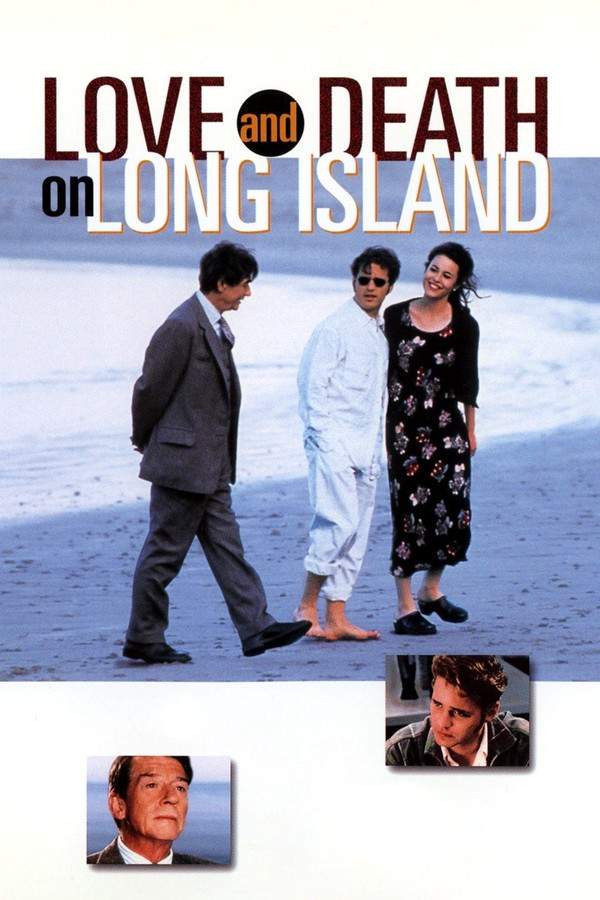
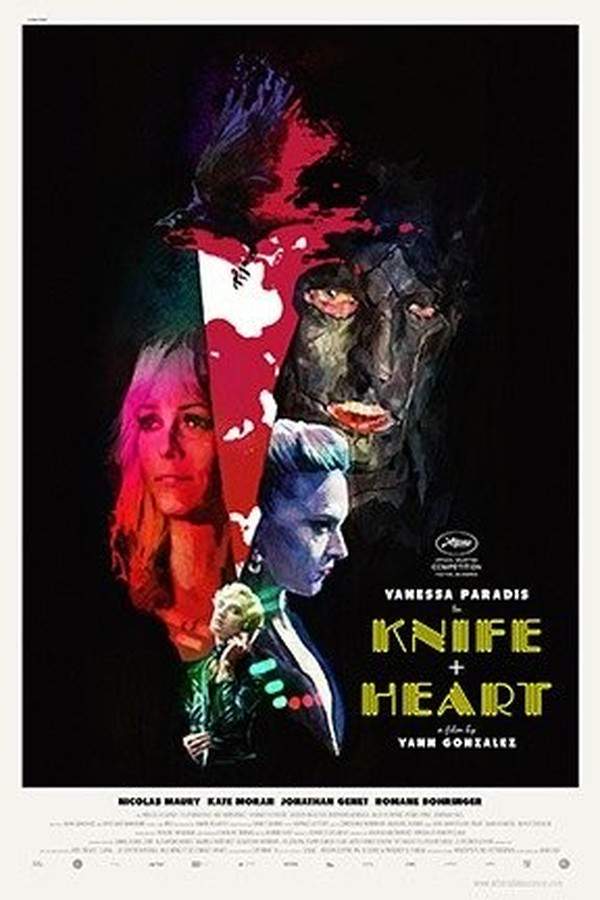
Browse a curated list of movies similar in genre, tone, characters, or story structure. Discover new titles like the one you're watching, perfect for fans of related plots, vibes, or cinematic styles.
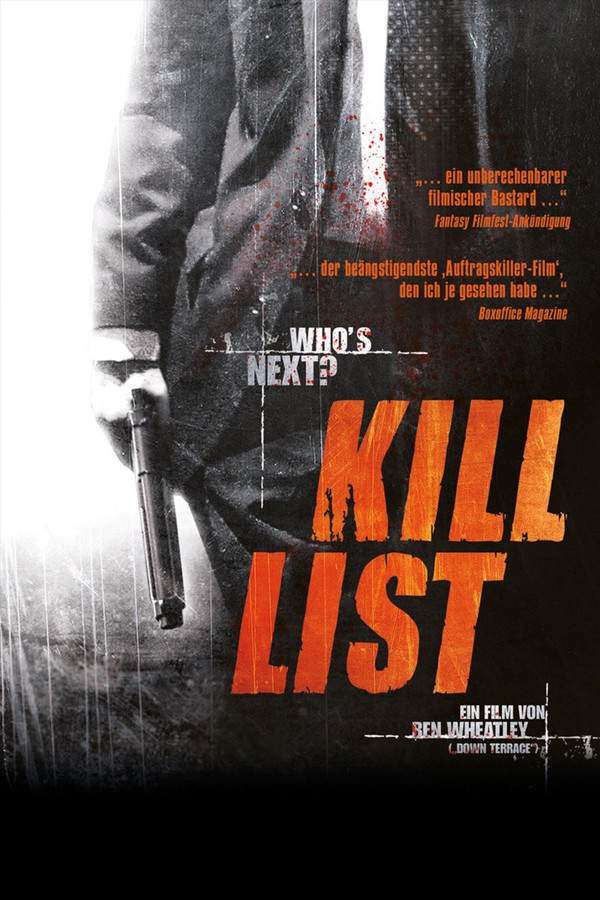
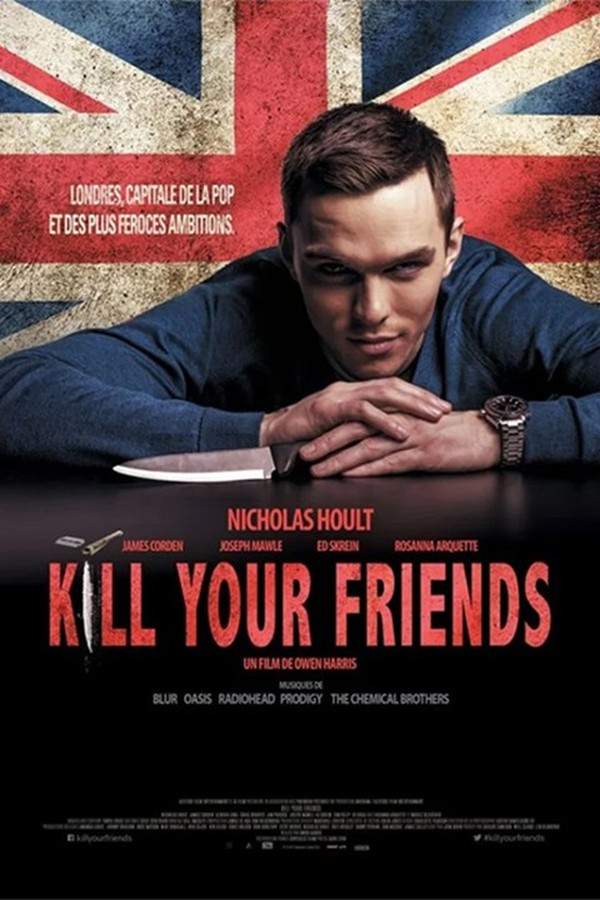
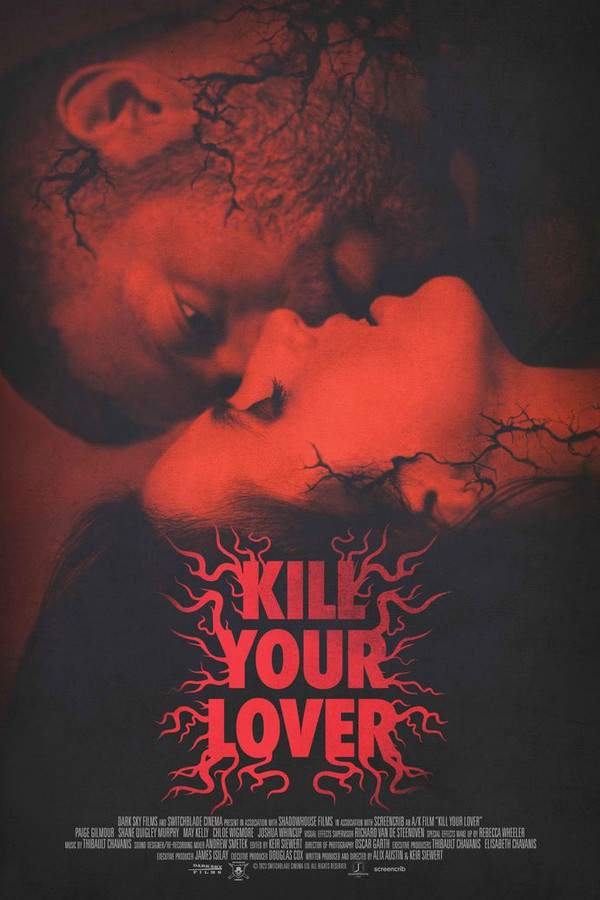

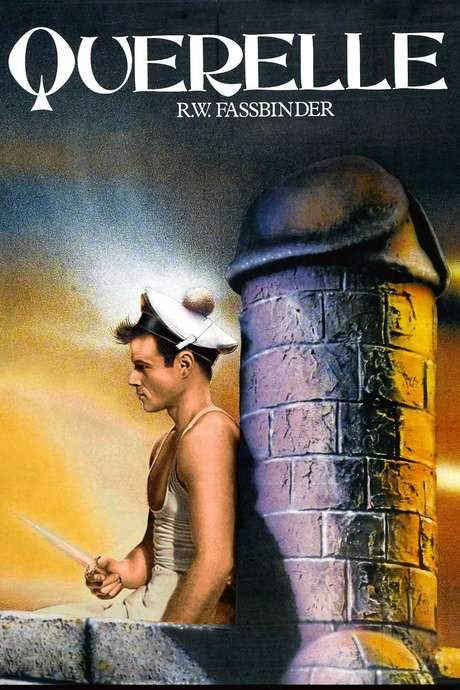




Quick Links: Summary, Cast, Ratings, More

What's After the Movie?
Not sure whether to stay after the credits? Find out!
Check out our other apps:

SAT Sphere
Build confidence for the Digital SAT.

Mori Atlas
Discover wild places worth protecting.

Luntero
Search smarter for a home in Amsterdam.

Plot Explained
Unravel movie endings and hidden clues.

Pokechamp
Dive into Pokémon data and battle logic.

Driving Theory
Get ready for your European theory test.

Movie Dust
Plan your next cinema trip with ease.

Musemap
Find art and culture as you travel.

Selkobase
Compare credentials before committing.

Local Manual
Turn an unfamiliar country into practical next steps.

Lernavi
Compare school systems before your next move.

GymRoam
Find a workout stop wherever your plans take you.
Explore Our Movie Platform
New Movie Releases (2026)
Famous Movie Actors
Top Film Production Studios
Movie Plot Summaries & Endings
Major Movie Awards & Winners
Best Concert Films & Music Documentaries
Movie Collections and Curated Lists
© 2026 What's After the Movie. All rights reserved.
Privacy Policy