I, the Jury 1982


The cops, the mob and everyone else are after Mike Hammer. When his Vietnam‑vet friend Jack Williams is murdered, Hammer takes the case, aided by his secretary Velda and a reluctant Chief Pat Chambers, who alternately aids and impedes him. As he follows the killer, he uncovers CIA‑Mafia conspiracies and shadowy government plots.

Does I, the Jury have end credit scenes?
No!
I, the Jury does not have end credit scenes. You can leave when the credits roll.
Meet the Full Cast and Actors of I, the Jury
Explore the complete cast of I, the Jury, including both lead and supporting actors. Learn who plays each character, discover their past roles and achievements, and find out what makes this ensemble cast stand out in the world of film and television.

Paul Sorvino
Detective Pat Chambers

Barry Snider
Romero
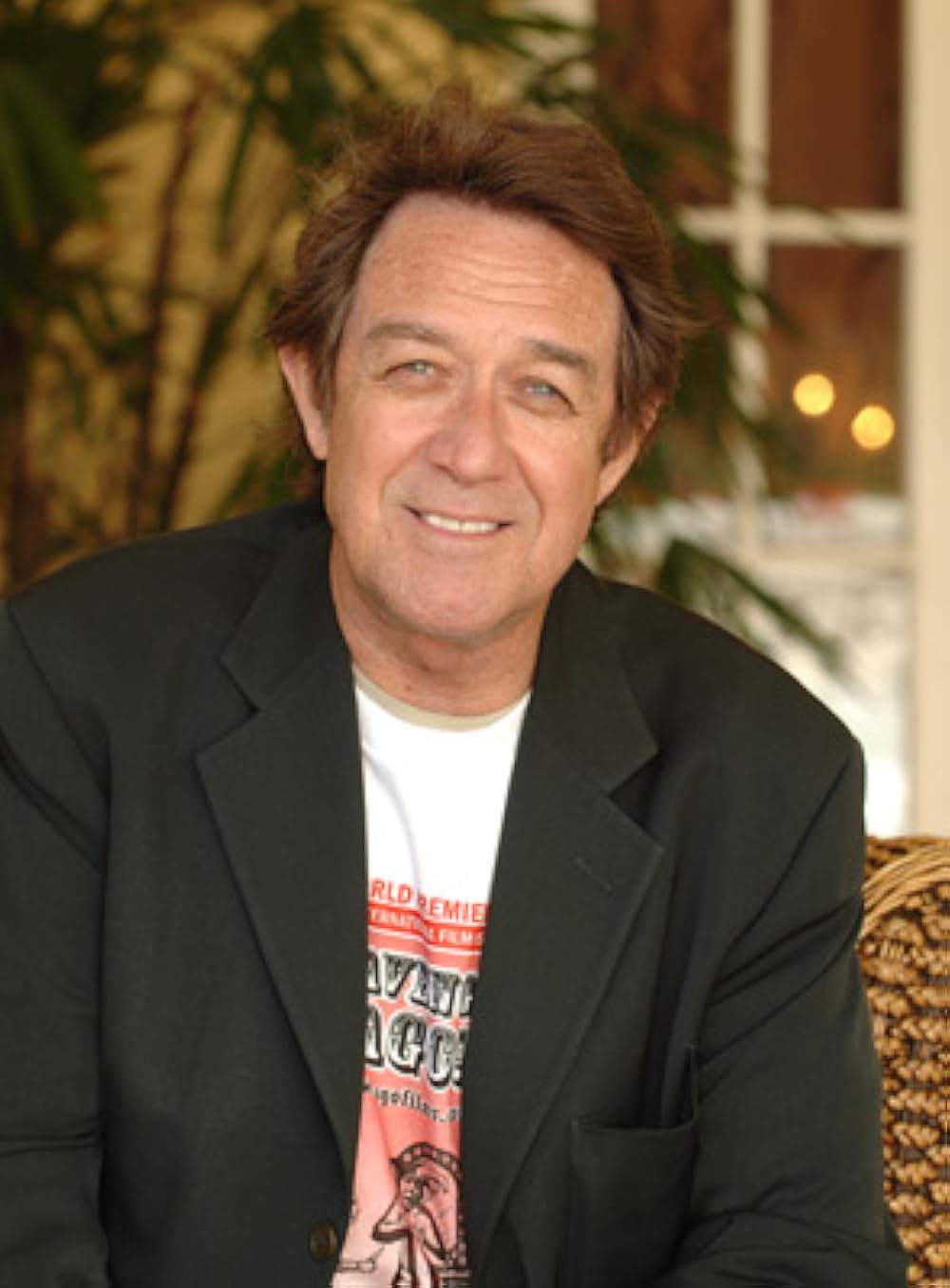
Larry Pine
Movie Director

Armand Assante
Mike Hammer
Ernest Harada
Chef
Mike Miller
Victor Kyle
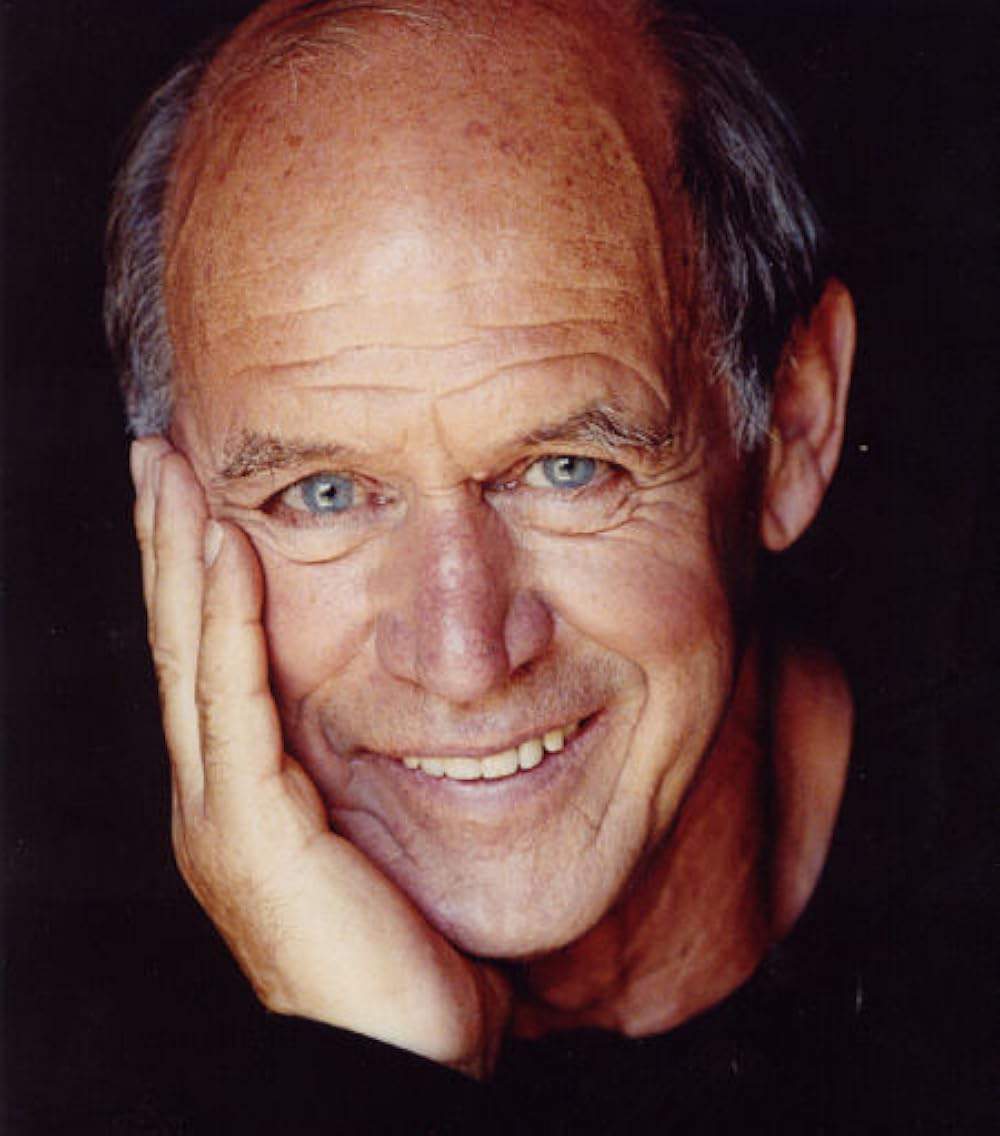
Geoffrey Lewis
Joe Butler
Laurene Landon
Velda

Barbara Carrera
Dr. Charlotte Bennett
Daniel Faraldo
Danny
Frederic Downs
Jack Williams
Alan King
Charles Kalecki
Corinne Bohrer
Soap Opera Actress
Jessica James
Hilda Kendricks
H. Richard Greene
Gentleman at Bar
Samantha Fox
Orgy Participant (uncredited)
Jack Davidson
Eric Clavel
Candida Royalle
Orgy Participant (uncredited)
William G. Schilling
Lundee
Marlene Willoughby
Orgy Participant (uncredited)
F.J. O'Neil
Goodwin
Mary Margaret Amato
Myrna Williams
Timothy Meyers
Blake
Judson Scott
Charles Kendricks
Bobby Astyr
Orgy Participant (uncredited)
Lynette Harris
2nd Twin
Leigh Harris
1st Twin
Bobbie Burns
Sheila Kyle
Alex Stevens
1st Cab Driver
Richard Russell Ramos
2nd Cab Driver
Michael Cullum
Orgy Participant (uncredited)
Joe Farago
Assistant Director
Lee H. Doyle
Maitre D'
Julia Barr
Norma Childs
Robert Sevra
Breslin
Don Pike
Evans
Gwyn Gilliss
Receptionist
M. Sharon Madigan
Bonnie
Norman Blankenship
Kelsey
Felicity Adler
Jogger
Jodi Douglas
Party Girl
Cheryl Henry
Brunette
Michael Fiorello
Man in Revolving Door
Herb Peterson
Policeman
Richard Dahlia
Doctor at Clinic
Aaron Barsky
Guard at Gate
Alan Dellay
Cameraman
Loring Pickering
Soap Opera Actor
Roger Caine
Orgy Participant (uncredited)
David Lauren
EMT (uncredited)
External Links and Streaming Options
Discover where to watch I, the Jury online, including streaming platforms, rental options, and official sources. Compare reviews, ratings, and in-depth movie information across sites like IMDb, TMDb, Wikipedia or JustWatch.







Take the Ultimate I, the Jury Movie Quiz
Challenge your knowledge of I, the Jury with this fun and interactive movie quiz. Test yourself on key plot points, iconic characters, hidden details, and memorable moments to see how well you really know the film.
I, the Jury (1982) Quiz: Test your knowledge of the 1982 detective thriller starring Mike Hammer as he investigates the murder of his friend Jack Williams.
What is the name of the detective who inherits the case of Jack Williams' murder?
Full Plot Summary and Ending Explained for I, the Jury
Read the complete plot summary of I, the Jury, including all major events, twists, and the full ending explained in detail. Explore key characters, themes, hidden meanings, and everything you need to understand the story from beginning to end.
Detective Jack Williams, who lost his left arm in the Tet Offensive, is found shot dead in his apartment. The police quickly pass the case to his estranged friend, detective Mike Hammer, who had once saved Jack’s life and his arm alike. Despite a clear warning from police detective Pat Chambers to stay out of it, Hammer dives into the mystery, following a stubborn thread that won’t let him walk away.
Hammer’s first major lead comes from talking to Jack’s widow, Myrna. Her account hints at a hidden life, revealing that Jack and Myrna were frequenting a sex therapy clinic run by the glamorous and enigmatic Dr. Charlotte Bennett. The investigation deepens when Hammer discovers a Government Issue bugging device hidden in Bennett’s office, a clue that suggests government involvement and manipulation behind what seems like a personal tragedy.
A breakthrough arrives when Velda, Hammer’s insightful secretary, spots gasoline receipts near Bear Mountain, pointing toward a summer camp operated by his old friend Joe Butler. Butler’s wartime memories expose a murky project in Saigon: a CIA program using drugs to turn prisoners of war into willing spies, and a mind-control technique perfected by a mysterious operative known as Romero. This revelation sparks a dangerous chase, culminating in a car pursuit where Hammer, showing grit and improvisation, hurls a Molotov cocktail to disable one pursuing vehicle and blocks the road with his own, triggering another explosive crash.
As the trail widens, the FBI traces the gun that killed Jack to a special effects artist named Harry Lundee. Hammer tracks Lundee to a film set, only to witness Lundee fall to a lethal blow from a projectile knife—Lundee’s dying confession ties the gun to mob connections linked to Charles Kalecki, yet Kalecki remains tight-lipped about Romero’s hidden network.
In a deft CIA maneuver to distance itself from Romero’s experiments, agency operatives seed a trail of clues designed to lure Hammer toward Romero and, they hope, out of the picture for good. Chambers is instructed to plant a photo of Romero in Jack’s apartment as bait, while Romero feeds Bennett a contrived file alleging Jack’s supposed activities. Hammer’s visit to the Northridge Clinic unsettles him as he watches a session with Bennett and her team, and the scene turns darker when the twin “sex therapists” working with Jack are attacked and killed by a crazed killer.
In the wake of these brutal deaths, Hammer becomes entangled with Bennett on a personal level, and the two gradually become lovers, adding a new layer of danger to the investigation. The killer behind the twins is Charles Kendricks, a man brainwashed by Romero, who is dispatched to abduct Velda. Romero’s black-ops squad captures Hammer, tortures him, and desecrates him with cheap liquor, hoping to push him into a fatal traffic trap. But Hammer fights back, gains his freedom, and races to Kendricks’ apartment, stopping Kendricks from killing Velda and then tracking him through the crowded Manhattan streets to shoot him dead. Convinced Kendricks was just a puppet, Hammer confronts Chambers, who—again under CIA direction—claims Kalecki provided the gun and owned the building where Kendricks lived.
Hammer corners the elusive Kalecki and drives him back toward the Northridge Clinic, where Romero has fortified his lair with a maze of traps. A high-stakes escape pits Hammer against Romero, culminating in a brutal close-quarters fight. Romero wrests Hammer’s gun, but Hammer has rigged the weapon’s barrel, causing Romero’s gun to explode in his own face. Romero dies before Hammer can press for answers about Jack’s death, and Hammer discovers Romero’s black-ops computer files in his office.
The final act shifts to a tense confrontation at Bennett’s home. Hammer presents his findings to a still-seething Dr. Bennett, exposing her as the intruder who murdered Jack Williams. In a chilling moment, Bennett attempts to seduce Hammer and then kill him with a hidden gun, but Hammer outsmarts her, shooting her as they share a brutal, intimate confrontation. In her dying breath, Bennett asks, “How could you?” and Hammer delivers Spillane’s famous closing retort: “It was easy.”
This story unfolds with a relentless pace, layering political intrigue, personal betrayal, and brutal physical trials as Hammer relentlessly treads a fine line between vengeance and justice. The film builds a maze of connections—from the sex therapy clinic to the CIA’s shadowy projects—and keeps Hammer moving, arriving at a single, hard-won truth about loyalty, power, and the cost of seeking the truth in a world where violence often speaks louder than evidence. The ending lands with a stark, noir-inflected finality that stays true to the source material’s hard-edged tone. > It was easy.

Coming soon on iOS and Android
The Plot Explained Mobile App
From blockbusters to hidden gems — dive into movie stories anytime, anywhere. Save your favorites, discover plots faster, and never miss a twist again.
Sign up to be the first to know when we launch. Your email stays private — always.
Explore the mobile appDiscover Film Music Concerts Near You – Live Orchestras Performing Iconic Movie Soundtracks
Immerse yourself in the magic of cinema with live orchestral performances of your favorite film scores. From sweeping Hollywood blockbusters and animated classics to epic fantasy soundtracks, our curated listings connect you to upcoming film music events worldwide.
Explore concert film screenings paired with full orchestra concerts, read detailed event information, and secure your tickets for unforgettable evenings celebrating legendary composers like John Williams, Hans Zimmer, and more.


Cars Featured in I, the Jury
Explore all cars featured in I, the Jury, including their makes, models, scenes they appear in, and their significance to the plot. A must-read for car enthusiasts and movie buffs alike.
I, the Jury Themes and Keywords
Discover the central themes, ideas, and keywords that define the movie’s story, tone, and message. Analyze the film’s deeper meanings, genre influences, and recurring concepts.
I, the Jury Other Names and Titles
Explore the various alternative titles, translations, and other names used for I, the Jury across different regions and languages. Understand how the film is marketed and recognized worldwide.
Similar Movies To I, the Jury You Should Know About
Browse a curated list of movies similar in genre, tone, characters, or story structure. Discover new titles like the one you're watching, perfect for fans of related plots, vibes, or cinematic styles.






Quick Links: Summary, Cast, Ratings, More

What's After the Movie?
Not sure whether to stay after the credits? Find out!
Check out our other apps:

SAT Sphere
Build confidence for the Digital SAT.

Mori Atlas
Discover wild places worth protecting.

Luntero
Search smarter for a home in Amsterdam.

Plot Explained
Unravel movie endings and hidden clues.

Pokechamp
Dive into Pokémon data and battle logic.

Driving Theory
Get ready for your European theory test.

Movie Dust
Plan your next cinema trip with ease.

Musemap
Find art and culture as you travel.

Selkobase
Compare credentials before committing.

Local Manual
Turn an unfamiliar country into practical next steps.

Lernavi
Compare school systems before your next move.

GymRoam
Find a workout stop wherever your plans take you.
Explore Our Movie Platform
New Movie Releases (2026)
Famous Movie Actors
Top Film Production Studios
Movie Plot Summaries & Endings
Major Movie Awards & Winners
Best Concert Films & Music Documentaries
Movie Collections and Curated Lists
© 2026 What's After the Movie. All rights reserved.
Privacy Policy