I Married a Woman 1958


The quirky tagline asks, “What happens to the mouse when the cheesecake bites back?” Meanwhile, advertising executive Marshall Briggs discovers that his demanding career constantly collides with his budding romance with fashion model Janice Blake, leaving him to juggle high‑stakes campaigns and a passionate love life, with comedic and romantic consequences.


Does I Married a Woman have end credit scenes?
No!
I Married a Woman does not have end credit scenes. You can leave when the credits roll.
Meet the Full Cast and Actors of I Married a Woman
Explore the complete cast of I Married a Woman, including both lead and supporting actors. Learn who plays each character, discover their past roles and achievements, and find out what makes this ensemble cast stand out in the world of film and television.

Angie Dickinson
Actress in a Movie (uncredited)

John Wayne
Actor in a Movie (uncredited)
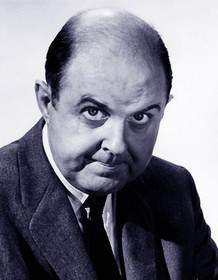
John McGiver
Girard
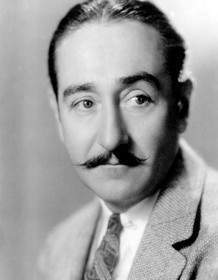
Adolphe Menjou
Frederick W. Sutton

Nita Talbot
Miss Anderson
Stanley Adams
Cabbie (uncredited)
Jessie Royce Landis
Mrs. Blake
William Redfield
Eddie
Diana Dors
Janice Blake Briggs
Julius Tannen
Tim Smith (uncredited)
Marilyn Hanold
Luxenburg Girl (uncredited)
George Gobel
Marshall "Mickey" Briggs
Arthur Tovey
Apartment Resident (uncredited)
Stephen Dunne
Bob Sanders
Dick Gordon
Passerby on Street (uncredited)
Bess Flowers
Beauty Contest Chaperone (uncredited)
Charles Tannen
Young Cop (uncredited)
Steve Pendleton
Photographer
Hal Taggart
Office Worker (uncredited)
Suzanne Alexander
Camera Girl (uncredited)
Cheerio Meredith
Mrs. Wilkins (uncredited)
External Links and Streaming Options
Discover where to watch I Married a Woman online, including streaming platforms, rental options, and official sources. Compare reviews, ratings, and in-depth movie information across sites like IMDb, TMDb, Wikipedia or Letterboxd.




Full Plot Summary and Ending Explained for I Married a Woman
Read the complete plot summary of I Married a Woman, including all major events, twists, and the full ending explained in detail. Explore key characters, themes, hidden meanings, and everything you need to understand the story from beginning to end.
Advertising executive Mickey Briggs is given 48 hours by his boss, Sutton, to design a winning campaign for Luxemberg Beer that could pull the company back from the brink. The pressure of the deadline only amplifies a growing strain at home, as Mickey’s neglect of his wife, Janice Briggs, becomes harder to ignore. Janice, who once graced the Luxemberg campaign as Miss Luxemberg in a string of glamorous ads, has just learned she is pregnant, a truth she feels she cannot share while her husband remains consumed by work.
Even a simple evening out becomes a showcase of competing realities. When they go to a movie, the on-screen image of a gentle John Wayne being considerate to his wife, portrayed by Angie Dickinson, stirs Janice—her tears reveal the ache of what she longs for and what she’s not getting from Mickey, who views such sentiment as a fantasy the real world cannot match.
With the window of opportunity narrowing, the campaign concept evolves into a meta-narrative: the idea that Luxemberg’s charm lies in a real, domestic bliss—the Miss Luxemberg becomes Mrs. Luxemberg, a family in harmonious focus. Sutton initially loves the energy of the idea, but he remains wary of any pitch that feels manufactured or artificial. After weighing countless proposals, he decides that the key to the brand’s revival might actually rest with Janice herself, prompting a shock turn: the plan shifts to having the real Mrs. Luxemberg star in the campaign, with footage of their true life captured to sell authenticity.
The plan, however, spirals out of control. Janice discovers she is being drawn into a publicity machine that uses her life as a product, and she responds with legal action—suing Mickey for divorce and suing Sutton’s agency for $100,000. The campaign’s deception fuels a growing emotional distance, and the situation is complicated further when Mickey’s longtime pal, Bob Sanders, flirts with Janice and reveals the pregnancy, forcing Mickey to confront the consequences of his ambition and his strained marriage.
As tensions peak, the couple embarks on a cruise that becomes a crucible for reconciliation. The voyage provides them with a chance to rediscover what they truly want from each other, even as public scrutiny and private secrets threaten to pull them apart again. The tension is underscored by a reminder of the surrounding world—their journey is watched by colleagues, friends, and onlookers who measure the couple’s every move against the relentless pressures of advertising and media spin.
In a final twist of irony and romance, the two navigate a path back toward genuine connection. Their renewed closeness is tested and tempered by the realities they’ve confronted: the compromises demanded by a high-stakes industry, the vulnerabilities of an expecting partner, and the stubborn pull of love that persists beyond the glare of the spotlight. The film closes with a sense of possibility, as the couple faces the future together, having learned that truth and tenderness can outlast the noise of ambition and the prying eyes of publicity.
- Miss Anderson appears in the broader world of the film’s industry backdrop, reminding viewers of the era’s glamorous circle and the way small roles in the industry echo through a larger, more personal story. The cast also includes a spectrum of supporting characters who move the plot along, from quirky cameos to pivotal moments that reveal how a campaign, a marriage, and a life intersect in unexpected ways.
Throughout, the movie balances a light, farcical tone with sharp observations about branding, celebrity culture, and the distances that can grow between two people when work consumes the bulk of daily life. By weaving a story that starts with a 48-hour deadline and stretches into a deeper examination of love, trust, and the power of genuine connection, it presents a nuanced look at how far people will go for success—and how far they must go to save what truly matters.

Coming soon on iOS and Android
The Plot Explained Mobile App
From blockbusters to hidden gems — dive into movie stories anytime, anywhere. Save your favorites, discover plots faster, and never miss a twist again.
Sign up to be the first to know when we launch. Your email stays private — always.
Explore the mobile appDiscover Film Music Concerts Near You – Live Orchestras Performing Iconic Movie Soundtracks
Immerse yourself in the magic of cinema with live orchestral performances of your favorite film scores. From sweeping Hollywood blockbusters and animated classics to epic fantasy soundtracks, our curated listings connect you to upcoming film music events worldwide.
Explore concert film screenings paired with full orchestra concerts, read detailed event information, and secure your tickets for unforgettable evenings celebrating legendary composers like John Williams, Hans Zimmer, and more.


I Married a Woman Themes and Keywords
Discover the central themes, ideas, and keywords that define the movie’s story, tone, and message. Analyze the film’s deeper meanings, genre influences, and recurring concepts.

Unlock the World of Movies with Our Comprehensive Wiki
Dive into our Movie Wiki for in-depth film encyclopedia entries, including cast biographies, production trivia, plot synopses, behind-the-scenes facts, and thematic analyses. Whether you’re researching iconic directors, exploring genre histories, or discovering hidden easter eggs, our expertly curated movie database has everything you need to fuel your cinematic passion.
Similar Movies To I Married a Woman You Should Know About
Browse a curated list of movies similar in genre, tone, characters, or story structure. Discover new titles like the one you're watching, perfect for fans of related plots, vibes, or cinematic styles.


Quick Links: Summary, Cast, Ratings, More

What's After the Movie?
Not sure whether to stay after the credits? Find out!
Check out our other apps:

SAT Sphere
Build confidence for the Digital SAT.

Mori Atlas
Discover wild places worth protecting.

Luntero
Search smarter for a home in Amsterdam.

Plot Explained
Unravel movie endings and hidden clues.

Pokechamp
Dive into Pokémon data and battle logic.

Driving Theory
Get ready for your European theory test.

Movie Dust
Plan your next cinema trip with ease.

Musemap
Find art and culture as you travel.

Selkobase
Compare credentials before committing.

Local Manual
Turn an unfamiliar country into practical next steps.

Lernavi
Compare school systems before your next move.

GymRoam
Find a workout stop wherever your plans take you.
Explore Our Movie Platform
New Movie Releases (2026)
Famous Movie Actors
Top Film Production Studios
Movie Plot Summaries & Endings
Major Movie Awards & Winners
Best Concert Films & Music Documentaries
Movie Collections and Curated Lists
© 2026 What's After the Movie. All rights reserved.
Privacy Policy