Hope Gap 2019


Grace enjoys a peaceful existence in a charming British seaside town until her husband of nearly three decades announces he is leaving her for another woman. Faced with immense shock and heartbreak, she navigates a difficult emotional journey with the help of her son. Ultimately, Grace finds the strength to rebuild her life and discovers that happiness can be found at any age.


Does Hope Gap have end credit scenes?
No!
Hope Gap does not have end credit scenes. You can leave when the credits roll.
Meet the Full Cast and Actors of Hope Gap
Explore the complete cast of Hope Gap, including both lead and supporting actors. Learn who plays each character, discover their past roles and achievements, and find out what makes this ensemble cast stand out in the world of film and television.

Annette Bening
Grace
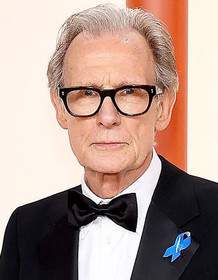
Bill Nighy
Edward

Josh O'Connor
Jamie

Aiysha Hart
Jess

Nicholas Blane
Priest
Nicholas Burns
Gary
Ryan McKen
Dev
Derren Litten
Friendline Man
Finn Bennett
Robbie
Jason Lines
Shop Keeper (uncredited)
Joe Citro
Young Jamie
Ninette Finch
Headscarf Lady (uncredited)
Rose Keegan
Receptionist
Sally Rogers
Angela
Steven Pacey
Peter Widdecombe
Tim Wildman
Funeral Guest (uncredited)
Joel MacCormack
Computer Shop Salesman (uncredited)
Neilesh Ambu
Funeral Guest (uncredited)
Jonathan Cheetham
Friendline Counselor
External Links and Streaming Options
Discover where to watch Hope Gap online, including streaming platforms, rental options, and official sources. Compare reviews, ratings, and in-depth movie information across sites like IMDb, TMDb, Wikipedia or Rotten Tomatoes.






Ratings and Reviews for Hope Gap
See how Hope Gap is rated across major platforms like IMDb, Metacritic, and TMDb. Compare audience scores and critic reviews to understand where Hope Gap stands among top-rated movies in its genre.

The Movie Echo Score
Hope Gap presents a measured domestic drama that leans toward thoughtful character study but struggles with pacing and theatrical origins. Critics generally commend the nuanced performances while noting a tendency toward pedestrian execution, and user feedback reflects both admiration for the lead actors and frustration with stage‑like dialogue. The film’s mixed reception results in a modest overall rating that acknowledges its emotional depth despite structural shortcomings.
The Movie Echo Score Breakdown for Hope Gap

Art & Craft
In terms of art and craft, the film balances restrained direction with occasional visual flatness. Critics point to a lack of cinematic flair, describing the execution as pedestrian, while some praise the honest, unfettered style. User comments highlight stage‑like staging and scenic locations that partially compensate for the confined aesthetic. Overall, the technical execution is competent but unremarkable.

Character & Emotion
Character and emotional resonance emerge as the strongest element of Hope Gap. Both critics and users repeatedly underline the compelling performances of Annette Bening and Bill Nighy, noting nuanced portrayals that convey anxiety, sadness, and marital tension. A few viewers criticize accent work and age disparity, yet the consensus affirms that the central trio delivers depth and authenticity. Consequently, the character work stands out as a clear strength.

Story & Flow
The story’s coherence and pacing generate divided responses. Critics describe the narrative as unsatisfying and occasionally flattening, while others acknowledge its powerful domestic focus. User feedback mentions talky, stage‑like dialogue and a heavy, melancholy tone that can feel monotonous, though some appreciate the nuanced exploration of long‑term relationship breakdown. The plot thus offers emotional insight but suffers from uneven momentum.

Sensory Experience
Sensory experience in Hope Gap receives mixed appraisal. Reviewers note a sparse soundtrack and visual style that aim for honesty, with some praising the music’s blend with the film’s mood. Conversely, users find the poetry sequences and grand visuals occasionally cheap, and the overall sound design is described as understated. The sensory components support the tone but lack a distinctive impact.

Rewatch Factor
Rewatch value is moderate, reflecting the film’s niche appeal. Critics suggest the nuanced relationships reward attentive viewing, though the film is not positioned as light entertainment. User comments indicate that some viewers appreciate revisiting the emotional layers, while others find the heavy, talky nature discouraging repeat viewings. As a result, the film offers limited but meaningful incentive for a second watch.
Full Plot Summary and Ending Explained for Hope Gap
Read the complete plot summary of Hope Gap, including all major events, twists, and the full ending explained in detail. Explore key characters, themes, hidden meanings, and everything you need to understand the story from beginning to end.
Grace, Annette Bening, and Edward, Bill Nighy, have spent 29 years in a seaside home in Seaford, Sussex, perched near the towering cliffs of Hope Gap. Their marriage is strained: Grace is devout, deeply literary, emotionally demanding, and at times physically abusive, often voicing dissatisfaction with Edward’s quiet, passive nature. Edward, a high school history teacher, is withdrawn and unhappy, retreating into silence to avoid conflict and the chance of further friction.
Their adult son, Jamie, Josh O’Connor, travels from London to visit for the weekend at Edward’s request. On arrival, Edward privately shares a painful confession: he intends to leave Grace the next day. He reveals that he has fallen in love with Angela, Sally Rogers, the mother of a former student, and that they have been seeing each other for a year. Jamie is devastated, yet he agrees not to warn his mother.
The next day, Grace is away at church when Edward packs his bags and leaves to start a new life with Angela. When she returns, he breaks the news, and Grace is blindsided, initially clinging to the idea that this is just a marital dispute rather than a final break. Edward insists there is no path to reconciliation and moves out to live with Angela.
In the weeks that follow, Grace swings between denial, rage, and deep despair. She refuses to sign divorce papers and tries to coerce Edward into returning, even impulsively buying a puppy she cannot properly care for. Jamie is called back to Seaford repeatedly to mediate, caught between his mother’s volatility and his father’s stubborn silence.
Grace eventually tracks down Angela’s home and confronts the couple, but the meeting only solidifies Edward’s resolve to leave. Angela tells Grace that before the separation there were three unhappy people, but now there is only one.
Struggling to find meaning, Grace contemplates suicide at the cliffs of Hope Gap, but she is deterred by the thought of the lasting trauma it would inflict on Jamie. She gradually rebuilds her life, discovering purpose by volunteering at a crisis helpline, where she uses her own experience of grief to help others in crisis.
Months pass and the family gathers again for a final, calmer meeting to formalize the divorce. Grace tells Edward she is no longer unhappy, but simply getting there, and she presents him with a copy of the poetry anthology she has been compiling. The film closes with Jamie walking alone on the cliffs, while Grace’s voice files a meditation on what Hope Gap represents—a space between the life one hopes for and the reality one must endure.
“Hope Gap” — the space between the life one hopes for and the reality one must endure.

Coming soon on iOS and Android
The Plot Explained Mobile App
From blockbusters to hidden gems — dive into movie stories anytime, anywhere. Save your favorites, discover plots faster, and never miss a twist again.
Sign up to be the first to know when we launch. Your email stays private — always.
Explore the mobile appWatch Trailers, Clips & Behind-the-Scenes for Hope Gap
Watch official trailers, exclusive clips, cast interviews, and behind-the-scenes footage from Hope Gap. Dive deeper into the making of the film, its standout moments, and key production insights.
Hope Gap Themes and Keywords
Discover the central themes, ideas, and keywords that define the movie’s story, tone, and message. Analyze the film’s deeper meanings, genre influences, and recurring concepts.

Unlock the World of Movies with Our Comprehensive Wiki
Dive into our Movie Wiki for in-depth film encyclopedia entries, including cast biographies, production trivia, plot synopses, behind-the-scenes facts, and thematic analyses. Whether you’re researching iconic directors, exploring genre histories, or discovering hidden easter eggs, our expertly curated movie database has everything you need to fuel your cinematic passion.

Similar Movies To Hope Gap You Should Know About
Browse a curated list of movies similar in genre, tone, characters, or story structure. Discover new titles like the one you're watching, perfect for fans of related plots, vibes, or cinematic styles.







Quick Links: Summary, Cast, Ratings, More

What's After the Movie?
Not sure whether to stay after the credits? Find out!
Check out our other apps:

SAT Sphere
Build confidence for the Digital SAT.

Mori Atlas
Discover wild places worth protecting.

Luntero
Search smarter for a home in Amsterdam.

Plot Explained
Unravel movie endings and hidden clues.

Pokechamp
Dive into Pokémon data and battle logic.

Driving Theory
Get ready for your European theory test.

Movie Dust
Plan your next cinema trip with ease.

Musemap
Find art and culture as you travel.

Selkobase
Compare credentials before committing.

Local Manual
Turn an unfamiliar country into practical next steps.

Lernavi
Compare school systems before your next move.

GymRoam
Find a workout stop wherever your plans take you.
Explore Our Movie Platform
New Movie Releases (2026)
Famous Movie Actors
Top Film Production Studios
Movie Plot Summaries & Endings
Major Movie Awards & Winners
Best Concert Films & Music Documentaries
Movie Collections and Curated Lists
© 2026 What's After the Movie. All rights reserved.
Privacy Policy