
Guard Me, My Talisman (1986): Cast & Plot
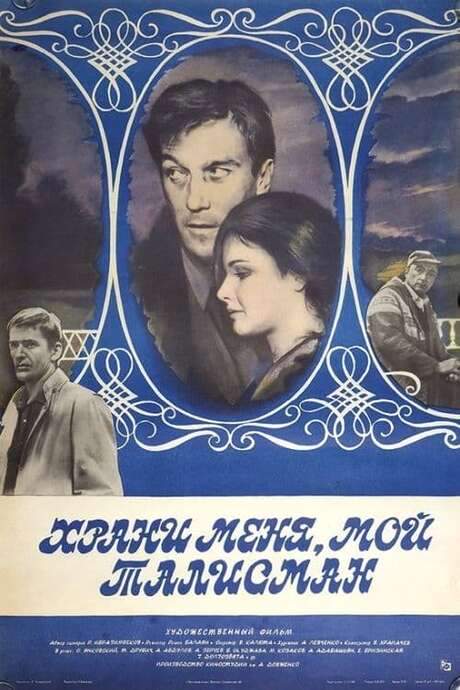
Guard Me, My Talisman is a 1986 romantic drama directed by Roman Balayan, starring Mikhail Kozakov, Bulat Okudzhava and Oleg Yankovskiy. It runs 1 hour 14 minutes.
- Released
- Runtime
- 1h 14m (74 min)
- Director
- Roman Balayan
- Original language
-
 Russian
 - Studio
- Dovzhenko Film Studios
- After the credits
- No No extra scene
What Is Guard Me, My Talisman About?
The premise of Guard Me, My Talisman without spoilers. The whole story is in the plot summary further down.
Set during the Pushkin Poetry Festival in Boldino, the off‑beat drama follows Liosha and his wife Tania as they stroll through the forest when a mysterious stranger, Klimov, appears and quizzes them on an obscure Pushkin point. His intrusion into their private world sparks jealousy and tension. The story unfolds amid festival events, dramatizations of Pushkin’s works, and heated debates among attendees about the poet’s meaning.
Guard Me, My Talisman Themes & Keywords
· 1 tag- stranger
Guard Me, My Talisman Cast & Characters
Mikhail Kozakov leads the cast, with Bulat Okudzhava and Oleg Yankovskiy as Алексей Петрович Дмитриев, журналист. Directed by Roman Balayan; 7 actors are credited in all.
- Director Roman Balayan
- Mikhail Kozakov as themselves
- Bulat Okudzhava as themselves
-
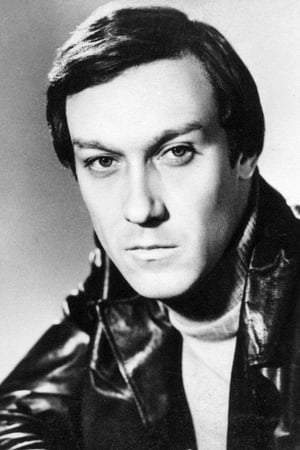 Oleg Yankovskiy as Алексей Петрович Дмитриев, журналист
 - Aleksandr Abdulov as Анатолий Евгеньевич Климов
Also Starring in Guard Me, My Talisman
· 3 more- Alexander Adabashyan французский турист
- Aleksandr Zbruev Дмитрий
- Tatyana Drubich Таня, жена Алексея
Guard Me, My Talisman Plot Summary
What happens in Guard Me, My Talisman from start to finish, spoilers included, with a timeline of 12 key events. The opening is below; the full summary is a 3-minute read.
Spoilers ahead
During Boldino’s annual Pushkin celebrations, Alexei Dmitriev and his wife Tatyana arrive to chronicle the event for their audiences. They stay with their friend Dmitry, the museum director, and as the couple moves through the festival, Alexei conducts interviews with a broad array of guests—artists, scholars, and curious attendees—trying to capture not just the facts of the celebrations but the mood, the conversations, and the unspoken tensions that the gathering stirs. The atmosphere is a blend of reverence for Pushkin’s legacy and the lively, imperfect humanity of those who admire him, a texture that the film threads through every scene.
Full summary
The whole story of Guard Me, My Talisman, scene by scene
How Well Do You Know Guard Me, My Talisman?
10 questions about the story, each with a hint if you get stuck. Pick an answer to see whether you were right.
Question 1 of 10
- Question 1: not answered
- Question 2: not answered
- Question 3: not answered
- Question 4: not answered
- Question 5: not answered
- Question 6: not answered
- Question 7: not answered
- Question 8: not answered
- Question 9: not answered
- Question 10: not answered
Whose legacy is honored during the annual celebrations in Boldino where the story begins?
Guard Me, My Talisman Also Known As
3 alternative titles, including “Khrani Menya” and “Moy Talisman”.
- Also known as
-
- Khrani Menya
- Moy Talisman
- Keep Me Safe
Seen Guard Me, My Talisman?
Movies Like Guard Me, My Talisman
Films with a similar story, tone or audience, including The Poet and the Tsar, The Luzhin Defence and My Tender and Affectionate Beast.
-
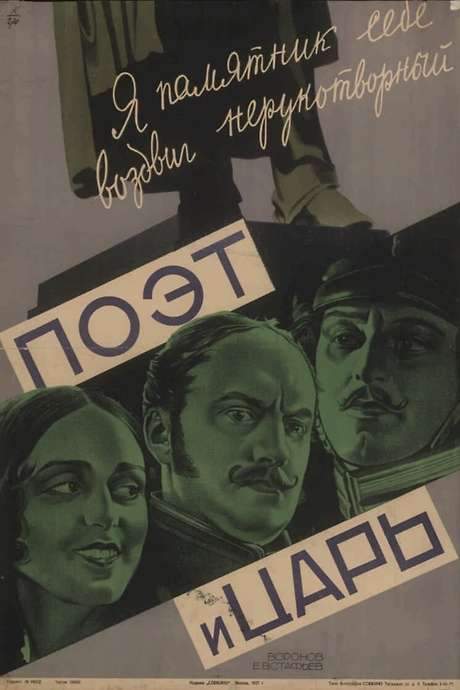 The Poet and the Tsar 1927
 -
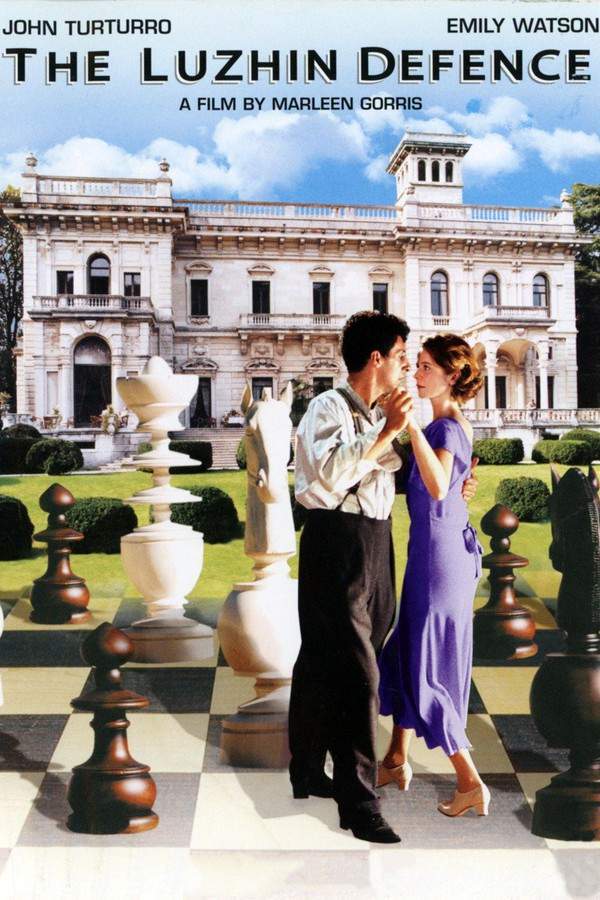 The Luzhin Defence 2001
 -
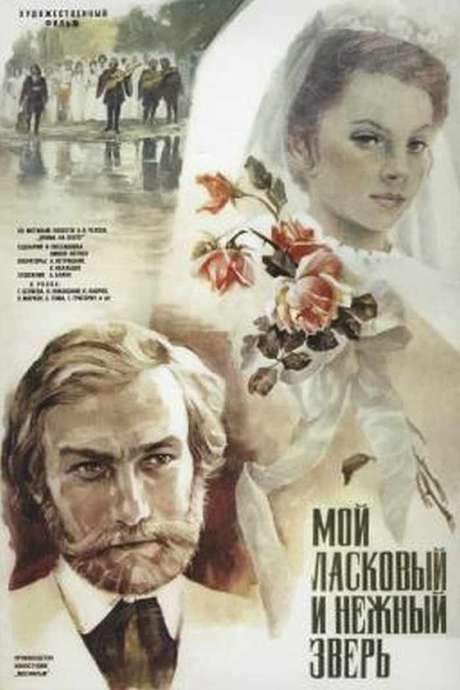 My Tender and Affectionate Beast 1978
 -
 The Oath 1992
 -
 Guard! Alert! 1937
 -
 Tesnota (Closeness) 2020
 -
 A Gentleman in Moscow 2024
 -
 The Master and Margarita 1972
 -
 Tale of the Siberian Land 1947
 -
 Brief Encounters 1967
 -
 The Man Who Surprised Everyone 2018
 -
 Guard No. 47 2008
Guard Me, My Talisman FAQ: Cast, Runtime & Release Date
Runtime, release date, director, cast, post-credit scenes and language of Guard Me, My Talisman, each answered in a sentence.
How long is Guard Me, My Talisman?
Guard Me, My Talisman runs 1 hour 14 minutes (74 minutes).
When was Guard Me, My Talisman released?
Guard Me, My Talisman was released on August 31, 1986.
Who directed Guard Me, My Talisman?
Guard Me, My Talisman was directed by Roman Balayan.
More films by Roman Balayan Who is in the cast of Guard Me, My Talisman?
Guard Me, My Talisman stars Mikhail Kozakov, Bulat Okudzhava and Oleg Yankovskiy as Алексей Петрович Дмитриев, журналист, among 7 credited actors.
Does Guard Me, My Talisman have a post-credit scene?
No. Guard Me, My Talisman has no extra scene during or after the credits.
What language is Guard Me, My Talisman in?
The original language of Guard Me, My Talisman is Russian.
Coming soon to your phone
The Plot Explained Movie Summary App
From blockbusters to hidden gems: plot summaries, endings explained and timelines on your phone. Save your favorites and never miss a twist again.
Be the first to know when it launches. Your email stays private, always. Learn more about the app
