Galapagos 3D with David Attenborough 2013


Explore the Enchanted Islands. Be Amazed. David Attenborough uses pioneering 3D-techniques and technology to explore the unique environments and species of the Galapagos.


Does Galapagos 3D with David Attenborough have end credit scenes?
No!
Galapagos 3D with David Attenborough does not have end credit scenes. You can leave when the credits roll.
Meet the Full Cast and Actors of Galapagos 3D with David Attenborough
Explore the complete cast of Galapagos 3D with David Attenborough, including both lead and supporting actors. Learn who plays each character, discover their past roles and achievements, and find out what makes this ensemble cast stand out in the world of film and television.
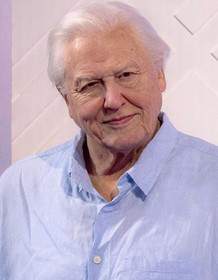
External Links and Streaming Options
Discover where to watch Galapagos 3D with David Attenborough online, including streaming platforms, rental options, and official sources. Compare reviews, ratings, and in-depth movie information across sites like IMDb, TMDb or Letterboxd.



Take the Ultimate Galapagos 3D with David Attenborough Movie Quiz
Challenge your knowledge of Galapagos 3D with David Attenborough with this fun and interactive movie quiz. Test yourself on key plot points, iconic characters, hidden details, and memorable moments to see how well you really know the film.
Galapagos 3D with David Attenborough Quiz: Test your knowledge of the 2013 documentary *Galapagos 3D with David Attenborough*, covering its narration, filming techniques, featured wildlife, and production details.
In which year was the documentary "Galapagos 3D with David Attenborough" released?
Full Plot Summary and Ending Explained for Galapagos 3D with David Attenborough
Read the complete plot summary of Galapagos 3D with David Attenborough, including all major events, twists, and the full ending explained in detail. Explore key characters, themes, hidden meanings, and everything you need to understand the story from beginning to end.
An ambitious nature documentary brings together a star-studded ensemble of narrators, led by David Attenborough, as they guide viewers on a journey to the Galápagos Islands. The film features a blend of living subjects and geological elements, including animals in their daily cycles and igneous rocks that hint at the islands’ fiery origins. This framing invites viewers to observe a familiar landscape through a cinematic lens that aims to reveal both the wonder of life and the forces that shape rocky shores and isolated ecosystems.
The visual approach emphasizes dramatic storytelling through carefully crafted images. Viewers encounter slow-motion sequences that accentuate ordinary behaviors, creating a sense of gravitas around everyday actions. Time-lapse footage carves out a sense of epic scale, letting the audience witness the passage of days and seasons in a single glance. Drone cinematography dominates the aerial passages, gliding over coastlines and swaths of the archipelago to emphasize vastness and interconnectedness. The result is a sweeping, immersive experience designed to convey scale and continuity across the islands’ landscapes.
Meanwhile, the program foregrounds biodiversity by presenting familiar creatures in recognizable moments: birds, spiders, turtles, and iguanas engaging in routines that reveal instincts, adaptations, and interspecies dynamics. Against this backdrop, viewers are invited to notice how life persists and thrives within the constraints of a volcanic archipelago ringed by ocean. The documentary also touches on geology—highlighting how lava formations and volcanic rock interact with water and wind to create the distinctive islands that define the Galápagos.
Beyond the visuals, the series includes segments that discuss the filmmaking process itself. A portion of the runtime reflects on the use of technology—some debates arise about the value and impact of certain gear and techniques—while a broader thread considers the human footprint on the planet. The narrative occasionally nods to concerns about conservation and stewardship, inviting viewers to weigh their own relationship with nature alongside the spectacle on screen.
Among the featured imagery is a notably elderly tortoise whose name has sparked conversation and critique. The segment uses the animal to provoke reflection on how fundraising narratives and public sentiment intersect with environmental storytelling, prompting viewers to think critically about the messages carried by popular nature programming.
The production is designed for immersive viewing experiences, including jaw‑dropping 3D for large-format venues. The film’s presentation aligns well with natural history museums and educational settings, offering a visually rich entry point into island life, evolutionary patterns, and the rhythms of remote ecosystems. Its use of 3D and expansive cinematography makes it suited for special screenings and school programs, while still aiming to attract general audiences with its dramatic pace and vivid imagery.
Structurally, the series balances its interests across three interwoven aims. About half of the programs focus on biodiversity, showcasing how species behave, interact, and endure in the Galápagos environment. A quarter of the episodes is devoted to clarifying what constitutes an island and how geographic isolation shapes life. The remaining quarter centers on recording scenes over water with aerial and other camera techniques, illustrating the ways technology can capture nature from above.
In sum, the documentary invites viewers to marvel at the islands’ living tapestry while reflecting on the tools, narratives, and responsibilities that accompany nature filmmaking. It seeks to engage audiences of diverse ages and backgrounds—appealing to curious museum-goers, classroom watchers, and nature enthusiasts alike—without losing sight of the essential awe that makes the Galápagos a touchstone of natural history. It is a film that aims to be both informative and contemplative, offering beauty, context, and questions in equal measure.

Coming soon on iOS and Android
The Plot Explained Mobile App
From blockbusters to hidden gems — dive into movie stories anytime, anywhere. Save your favorites, discover plots faster, and never miss a twist again.
Sign up to be the first to know when we launch. Your email stays private — always.
Explore the mobile appDiscover Film Music Concerts Near You – Live Orchestras Performing Iconic Movie Soundtracks
Immerse yourself in the magic of cinema with live orchestral performances of your favorite film scores. From sweeping Hollywood blockbusters and animated classics to epic fantasy soundtracks, our curated listings connect you to upcoming film music events worldwide.
Explore concert film screenings paired with full orchestra concerts, read detailed event information, and secure your tickets for unforgettable evenings celebrating legendary composers like John Williams, Hans Zimmer, and more.


Galapagos 3D with David Attenborough Other Names and Titles
Explore the various alternative titles, translations, and other names used for Galapagos 3D with David Attenborough across different regions and languages. Understand how the film is marketed and recognized worldwide.
Quick Links: Summary, Cast, Ratings, More

What's After the Movie?
Not sure whether to stay after the credits? Find out!
Check out our other apps:

SAT Sphere
Build confidence for the Digital SAT.

Mori Atlas
Discover wild places worth protecting.

Luntero
Search smarter for a home in Amsterdam.

Plot Explained
Unravel movie endings and hidden clues.

Pokechamp
Dive into Pokémon data and battle logic.

Driving Theory
Get ready for your European theory test.

Movie Dust
Plan your next cinema trip with ease.

Musemap
Find art and culture as you travel.

Selkobase
Compare credentials before committing.

Local Manual
Turn an unfamiliar country into practical next steps.

Lernavi
Compare school systems before your next move.

GymRoam
Find a workout stop wherever your plans take you.
Explore Our Movie Platform
New Movie Releases (2026)
Famous Movie Actors
Top Film Production Studios
Movie Plot Summaries & Endings
Major Movie Awards & Winners
Best Concert Films & Music Documentaries
Movie Collections and Curated Lists
© 2026 What's After the Movie. All rights reserved.
Privacy Policy