Follow the Sun 1951


The Story of Valerie and Ben Hogan A biographical film of Ben Hogan, from his start as a golf caddy to being considered one of golf’s greatest players.


Does Follow the Sun have end credit scenes?
No!
Follow the Sun does not have end credit scenes. You can leave when the credits roll.
Meet the Full Cast and Actors of Follow the Sun
Explore the complete cast of Follow the Sun, including both lead and supporting actors. Learn who plays each character, discover their past roles and achievements, and find out what makes this ensemble cast stand out in the world of film and television.
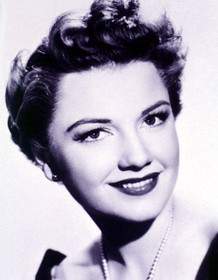
Anne Baxter
Valerie Hogan
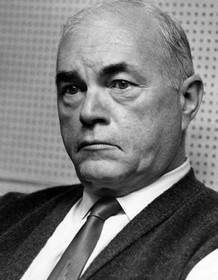
James Flavin
Henry Gibbs
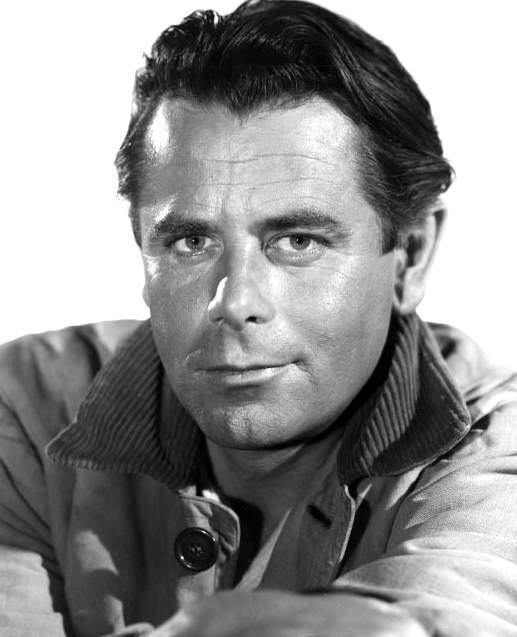
Glenn Ford
Ben Hogan

Roland Winters
Dr. Graham
Larry Keating
Jay Dexter
Dennis O'Keefe
Chuck Williams
June Havoc
Norma
Robert Foulk
Patrolman Jennings
Nana Bryant
Sister Beatrice
Bill Walker
Lee
Wanda Perry
Wife (uncredited)
Harry Antrim
Dr. John Everett
External Links and Streaming Options
Discover where to watch Follow the Sun online, including streaming platforms, rental options, and official sources. Compare reviews, ratings, and in-depth movie information across sites like IMDb, TMDb, Wikipedia or Letterboxd.




Take the Ultimate Follow the Sun Movie Quiz
Challenge your knowledge of Follow the Sun with this fun and interactive movie quiz. Test yourself on key plot points, iconic characters, hidden details, and memorable moments to see how well you really know the film.
Follow the Sun (1951) Quiz: Test your knowledge of the 1951 biographical film about golfer Ben Hogan, covering characters, events, and key moments from the story.
Who provides the narration for the film?
Full Plot Summary and Ending Explained for Follow the Sun
Read the complete plot summary of Follow the Sun, including all major events, twists, and the full ending explained in detail. Explore key characters, themes, hidden meanings, and everything you need to understand the story from beginning to end.
Valerie Hogan, Anne Baxter, narrates the saga of her husband Ben Hogan, tracing a life that begins in Fort Worth, Texas, with a boy who caddies to help feed his family and secretly dreams of professional glory. The film follows his ascent from those early days to a career that would reshape golf, painting a portrait of a determined athlete who learns to balance talent, focus, and a carefully guarded privacy.
As a young man, Hogan’s drive leads him onto the professional tour, where he soon finds a pivotal ally in Chuck Williams. The two form a strong bond as they travel from town to town, chasing the next tournament and the next paycheck. Yet success is not without friction: a tense first meeting with noted writer Jay Dexter fumbles Hogan’s nerves and cements a reputation for aloof reserve. The moment of doubt is real, and Valerie—always at his side—speaks softly to him, urging him to persevere and not let fear steal his chances. The couple moves through a caravan of venues, chasing sun-drenched greens and the promise of a lifetime in the sport.
One of Hogan’s early tests comes at the Oakland Open, where the couple’s finances run thin and their meals consist of oranges. Hogan fights to stay in the game, finally tying for sixth and bringing home a modest $285. Valerie’s faith in him is vindicated, even as the world begins to whisper about his stoic demeanor; he becomes known as someone who commands concentration at all costs, even if that intensity shrouds his warmth for the gallery.
World War II interrupts the rising story, and Hogan serves in the Air Force, returning to the course a changed man. The postwar years reclaim his place among golf’s elite, but the public image bills him as a relentless, robotic competitor—“The Texas Iceberg”—and he longs for the ease of connection with fans that Williams once embodied. The sense of rivalry intensifies as he wins big and earns the status of one of the sport’s most lucrative figures, all while wrestling with the pressure to perform for spectators who want to see personality as well as prowess.
The narrative heightens at the Bing Crosby Tournament in Pebble Beach, where Hogan triumphs over Williams in a high-stakes match. Afterward, a veteran officer from his past offers a quiet reminder of the cost of perfection; Hogan admits he’s torn between playing for the gallery and staying within the discipline that has carried him to this point. He chastises himself for not balancing golf’s artistry with audience engagement, understanding that fame also demands a human touch.
Hogan’s ascent continues as he becomes the tour’s biggest money winner, and a fictional showcase dubbed “The Big One” in Los Angeles pits him against Williams in a dramatic clash. Hogan prevails, but Williams and his wife—Norma June Havoc—simply drift away afterward, their marriage reshaped by the pressures of fame and drink. The triumph marks Hogan’s dominance, yet the price of relentless focus begins to weigh on him emotionally and physically.
In 1949, tragedy narrows the path home. En route to Fort Worth, a fogbound road claims Hogan’s car in a head-on collision; Hogan sacrifices himself to shield Valerie as their vehicle veers into danger. The crash leaves him with crush injuries to his pelvis, legs, and shoulder, and doctors fear complications from clots. The medical crisis swiftly moves to New Orleans for specialized care, and Dr. Graham and his team begin a grueling, methodical process of recovery, urging Hogan to take one hurdle at a time. The hospital becomes a place of outpouring affection from fans, flowers and letters flooding the room as Hogan contemplates the ache of a sport he longs to play again.
I should have taken my eye off the ball and taken a good look at people.
Valerie’s visitations, along with encouragement from Hogan’s golfing peers, help spark a renewed sense of purpose. Chuck and Norma Williams—now together again—arrive with golf legends and encouragement, urging Hogan to accept a leadership role for the Ryder Cup if his health allows. Through a regimen of careful rehabilitation and unwavering determination, he inches back toward the course. He even tests his limits with a taxi ride to a driving range, where a ballboy’s instruction—pivot and weight transfer—sparks a fall that underscores the doctors’ warnings about lingering clots. Valerie’s fear gives way to cautious optimism as she witnesses his stubborn resolve.
The sport has not forgotten him. News headlines herald him as the “Iron Man” who will compete in the 1950 Los Angeles Open, the season’s opener. The tournament unfolds with appearances by leading figures such as Dr. Cary Middlecoff and Jimmy Demaret, and the crowd roars as Hogan fights through rain and fatigue to finish strong with a final round of 69. A playoff with Sam Snead follows, a moment of shared reverence rather than simple victory or defeat. Though Hogan does not win the playoff, the response from fans and peers is a tribute to his enduring spirit. The film closes with a reverent nod to Hogan’s legacy—a Time magazine cover-style tribute to his landmark 1950 U.S. Open win—and an acknowledgement that the golfer’s greatest achievements, in the eyes of history, are still to come.
In the end, the film presents a portrait of a man whose life on and off the course defined an era. Hogan’s record speaks for itself, but the portrait emphasizes the complexity behind the legend: a competitor who could be chilly in public yet patient and protective with those he loved; a man whose discipline and focus carried him through fear, injury, and the relentless glare of the gallery. As the credits roll, the film reminds us that Hogan’s story is not merely about a string of victories, but about a relentless pursuit of excellence that would change golf forever. The closing note acknowledges that, in real life, Hogan’s greatest accomplishments lay ahead, cementing his status as one of the sport’s all-time greats.

Coming soon on iOS and Android
The Plot Explained Mobile App
From blockbusters to hidden gems — dive into movie stories anytime, anywhere. Save your favorites, discover plots faster, and never miss a twist again.
Sign up to be the first to know when we launch. Your email stays private — always.
Explore the mobile appDiscover Film Music Concerts Near You – Live Orchestras Performing Iconic Movie Soundtracks
Immerse yourself in the magic of cinema with live orchestral performances of your favorite film scores. From sweeping Hollywood blockbusters and animated classics to epic fantasy soundtracks, our curated listings connect you to upcoming film music events worldwide.
Explore concert film screenings paired with full orchestra concerts, read detailed event information, and secure your tickets for unforgettable evenings celebrating legendary composers like John Williams, Hans Zimmer, and more.


Follow the Sun Themes and Keywords
Discover the central themes, ideas, and keywords that define the movie’s story, tone, and message. Analyze the film’s deeper meanings, genre influences, and recurring concepts.

Unlock the World of Movies with Our Comprehensive Wiki
Dive into our Movie Wiki for in-depth film encyclopedia entries, including cast biographies, production trivia, plot synopses, behind-the-scenes facts, and thematic analyses. Whether you’re researching iconic directors, exploring genre histories, or discovering hidden easter eggs, our expertly curated movie database has everything you need to fuel your cinematic passion.
Similar Movies To Follow the Sun You Should Know About
Browse a curated list of movies similar in genre, tone, characters, or story structure. Discover new titles like the one you're watching, perfect for fans of related plots, vibes, or cinematic styles.





Quick Links: Summary, Cast, Ratings, More

What's After the Movie?
Not sure whether to stay after the credits? Find out!
Check out our other apps:

SAT Sphere
Build confidence for the Digital SAT.

Mori Atlas
Discover wild places worth protecting.

Luntero
Search smarter for a home in Amsterdam.

Plot Explained
Unravel movie endings and hidden clues.

Pokechamp
Dive into Pokémon data and battle logic.

Driving Theory
Get ready for your European theory test.

Movie Dust
Plan your next cinema trip with ease.

Musemap
Find art and culture as you travel.

Selkobase
Compare credentials before committing.

Local Manual
Turn an unfamiliar country into practical next steps.

Lernavi
Compare school systems before your next move.

GymRoam
Find a workout stop wherever your plans take you.
Explore Our Movie Platform
New Movie Releases (2026)
Famous Movie Actors
Top Film Production Studios
Movie Plot Summaries & Endings
Major Movie Awards & Winners
Best Concert Films & Music Documentaries
Movie Collections and Curated Lists
© 2026 What's After the Movie. All rights reserved.
Privacy Policy