Eroica 2003


Simon Cellan Jones directs the BBC drama Eroica, starring Ian Hart as Ludwig van Beethoven. Shot on digital video, it dramatizes the June 9 1804 premiere of Beethoven’s Third Symphony in Vienna, where Prince Lobkowitz (Jack Davenport) gathers aristocratic guests—including Count Dietrichstein, Countess Brunsvik and composer Josef Haydn—to hear the composer conduct. The music is performed by the Orchestre Révolutionnaire et Romantique under John Eliot Gardiner.


Does Eroica have end credit scenes?
No!
Eroica does not have end credit scenes. You can leave when the credits roll.
Meet the Full Cast and Actors of Eroica
Explore the complete cast of Eroica, including both lead and supporting actors. Learn who plays each character, discover their past roles and achievements, and find out what makes this ensemble cast stand out in the world of film and television.

Frank Finlay
Josef Haydn

Ian Hart
Ludwig van Beethoven

Leo Bill
Reis
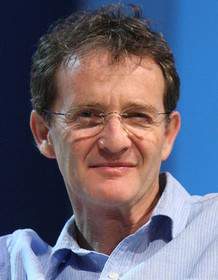
Anton Lesser
Sukowaty

Jack Davenport
Prince Lobkowitz

Fenella Woolgar
Princess Marie Lobkowitz

Jonathan Aris
Paul Dorfmueller
Robert Glenister
Gerhardt
Claire Skinner
Josephine Deym
Joseph Morgan
Matthias
Tim Pigott-Smith
Count Dietrichstein
Lucy Akhurst
Therese Brunsvik
Trevor Cooper
Otto Fisher
Ian Thompson
Albrecht Dorfmeuller
Peter Hanson
Wranitzky
Victoria Shalet
Kirsten
Celina Liesegang
Stella
Jacob Engelberg
Franz
Sarah Ford
Frau Fisher
External Links and Streaming Options
Discover where to watch Eroica online, including streaming platforms, rental options, and official sources. Compare reviews, ratings, and in-depth movie information across sites like IMDb, TMDb, Wikipedia or Rotten Tomatoes.





Full Plot Summary and Ending Explained for Eroica
Read the complete plot summary of Eroica, including all major events, twists, and the full ending explained in detail. Explore key characters, themes, hidden meanings, and everything you need to understand the story from beginning to end.
Vienna, 9 June 1804 marks the private premiere of Beethoven’s groundbreaking third symphony, the Eroica, staged at the opulent palace of Prince Lobkowitz Jack Davenport. The film centers on the intense musical moment as Beethoven Ian Hart leads the ensemble through the long, revelatory work, the room filled with anticipation, power, and the weight of a composer redefining his art.
In a personal thread that runs alongside the music, Beethoven attempts to secure a future with his lover, the widow Josephine von Deym Claire Skinner. She is bound by noble status and strict custody laws—paradoxically loving him yet unable to marry a commoner without risking custody of her children. The scene unfolds with a quiet ache, highlighting the tension between personal desire and social constraints that shadows Beethoven’s public triumph.
Midway through the performance, the arrival of the aging composer Josef Haydn Frank Finlay brings a ripple of memory and credibility. He arrives just in time to hear the last movement, his presence underscoring the passage of generations and the weight of tradition as the new work pushes at the edges of convention.
The narrative then shifts to a dinner with Beethoven’s pupil Ferdinand Ries Leo Bill. There, Ries delivers the stark news that Napoleon has proclaimed himself Emperor of France, a revelation that cinematically reframes Beethoven’s ambitions and the political meaning of the music he so fiercely crafted. The moment sharpens the film’s sense of betrayal and disillusion, as Beethoven’s earlier idealism collides with the harsh reality of power and ambition.
Earlier drafts of the symphony bore a different intent, and the film notes how Beethoven’s title page was ultimately altered in response to Napoleon’s ascent; the work’s identity shifts in the viewer’s mind from a republican ideal to a symbol of upheaval and change. In one of the film’s most remembered exchanges, Haydn offers a restrained verdict on the piece, calling it “quite new,” and the moment also carries the prophecy that would reverberate through music: >From this day forward, everything in music is changed.
As the curtain falls on the Eroica, the camera lingers on Beethoven’s face as the triumph and turmoil collide. He leaves the hall with a foreboding stillness, and, in a final, haunting image, looks out at the audience and seems briefly unable to hear any natural sounds—an ominous prelude to the deafness that would increasingly shape his life.
The film’s endurance lies in its patient, evocative portrayal of a genius poised between transformative art and personal hardship. It crafts a portrait of a man who channels upheaval into music, inviting viewers to feel the weight of every decision, every refusal, and every unspoken consent that shaped a landmark in classical music.

Coming soon on iOS and Android
The Plot Explained Mobile App
From blockbusters to hidden gems — dive into movie stories anytime, anywhere. Save your favorites, discover plots faster, and never miss a twist again.
Sign up to be the first to know when we launch. Your email stays private — always.
Explore the mobile appDiscover Film Music Concerts Near You – Live Orchestras Performing Iconic Movie Soundtracks
Immerse yourself in the magic of cinema with live orchestral performances of your favorite film scores. From sweeping Hollywood blockbusters and animated classics to epic fantasy soundtracks, our curated listings connect you to upcoming film music events worldwide.
Explore concert film screenings paired with full orchestra concerts, read detailed event information, and secure your tickets for unforgettable evenings celebrating legendary composers like John Williams, Hans Zimmer, and more.


Eroica Other Names and Titles
Explore the various alternative titles, translations, and other names used for Eroica across different regions and languages. Understand how the film is marketed and recognized worldwide.
Quick Links: Summary, Cast, Ratings, More

What's After the Movie?
Not sure whether to stay after the credits? Find out!
Check out our other apps:

SAT Sphere
Build confidence for the Digital SAT.

Mori Atlas
Discover wild places worth protecting.

Luntero
Search smarter for a home in Amsterdam.

Plot Explained
Unravel movie endings and hidden clues.

Pokechamp
Dive into Pokémon data and battle logic.

Driving Theory
Get ready for your European theory test.

Movie Dust
Plan your next cinema trip with ease.

Musemap
Find art and culture as you travel.

Selkobase
Compare credentials before committing.

Local Manual
Turn an unfamiliar country into practical next steps.

Lernavi
Compare school systems before your next move.

GymRoam
Find a workout stop wherever your plans take you.
Explore Our Movie Platform
New Movie Releases (2026)
Famous Movie Actors
Top Film Production Studios
Movie Plot Summaries & Endings
Major Movie Awards & Winners
Best Concert Films & Music Documentaries
Movie Collections and Curated Lists
© 2026 What's After the Movie. All rights reserved.
Privacy Policy