Drool 2009

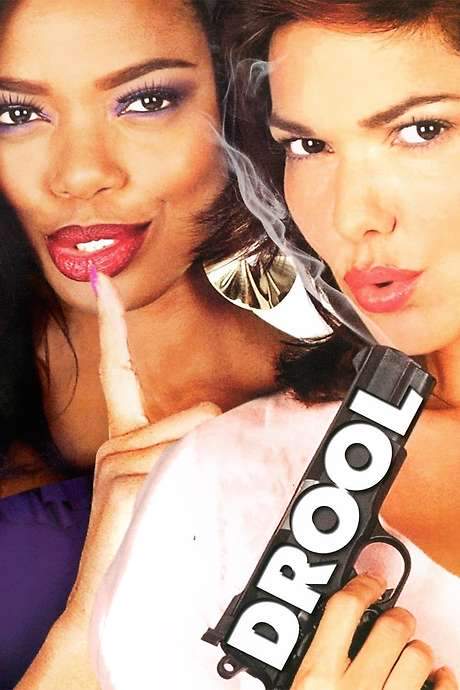
An abused wife plots to flee her violent husband, but the escape goes terribly wrong when she unintentionally kills him. She then hits the road with her loyal best friend, dragging his dead body behind them, embarking on a chaotic cross‑country getaway.


Does Drool have end credit scenes?
No!
Drool does not have end credit scenes. You can leave when the credits roll.
Where to Watch Drool
See current US streaming, rental, and purchase options for Drool (2009) via JustWatch.






Meet the Full Cast and Actors of Drool
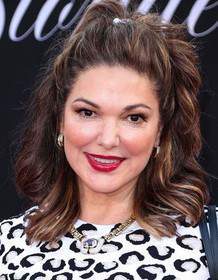
Explore the complete cast of Drool, including both lead and supporting actors. Learn who plays each character, discover their past roles and achievements, and find out what makes this ensemble cast stand out in the world of film and television.


External Links and Streaming Options
Discover where to watch Drool online, including streaming platforms, rental options, and official sources. Compare reviews, ratings, and in-depth movie information across sites like IMDb, TMDb, Wikipedia or Rotten Tomatoes.








Take the Ultimate Drool Movie Quiz
Challenge your knowledge of Drool with this fun and interactive movie quiz. Test yourself on key plot points, iconic characters, hidden details, and memorable moments to see how well you really know the film.
Drool (2009) Quiz: Test your knowledge of the 2009 film Drool with these ten mixed‑difficulty questions covering characters, plot events, and themes.
Which actress portrays the mother, Anora Fleece?
Full Plot Summary and Ending Explained for Drool
Read the complete plot summary of Drool, including all major events, twists, and the full ending explained in detail. Explore key characters, themes, hidden meanings, and everything you need to understand the story from beginning to end.
Anora Fleece once dreamed of a fairy-tale marriage with Cheb, but reality proved harsher and she clung to daydreams as a quiet refuge. Cheb grows sullen, abusive, and controlling, casting a shadow over the home where their two children, Tabby and Little Pete, start to mirror his mood and aggression. The tension inside the house tightens like a knot, and even the warmth of family meals can feel brittle and precarious.
When Anora meets her new neighbor, Imogene Cochran, a bright and bubbly presence, a door opens to a different outlook on life. Yet the encounter quickly sours on the surface as Little Pete reacts with hostility, and Anora must confront a painful truth: he uses a racist slur to judge Imogene’s presence in their home. The moment explodes into a confrontation at supper, and Cheb’s temper erupts into violence when a beer bottle shatters and a dangerous threat hangs in the air. Anora is torn between backing away from Imogene and daring to pursue a connection that feels real and hopeful.
As the two women grow closer, Tabby’s life takes on its own turbulent arc. She forms a troubling, intimate bond with a teenager named Denny, and she is swept up in a collision of affection, rebellion, and social judgment. Tabby’s blossoming interest in Denny collides with her best friend Princess’s warnings and the broader judgments of those around her, driving her toward a reckless, angry stance. The strain of secrets and betrayals gnaws at the family, and Pete—who skews toward fantasy and danger in his own way—begins to drift as well, clashing with Tabby’s choices on school and loyalty.
At work and at home, Cheb’s grip tightens. A bleak routine at a factory is punctuated by subtle pressures that hint he may be expected to perform fearsome favors to keep his position, a detail that underscores the power imbalance in the household. When Cheb discovers Anora and Imogene kissing, the tension erupts in a violent encounter that culminates in a gun being drawn. In the ensuing struggle, Little Pete is fatally shot, a moment that shatters what little stability remains. Anora, driven by fear and desperation, shoots Cheb multiple times, ending his reign of fear as Imogene and Tabby watch in horror and disbelief.
The aftermath propels the family into a new, desperate road trip. They leave town with Cheb’s body in the trunk, seeking anonymity and space to figure out what comes next. Tabby’s defiance grows sharper, and she clings to her father’s memory in ways that complicate her relationship with her mother and with Imogene. A stop at a park and a later encounter at Kathy K’s place—a neighbor with a yard full of graves and an unsettling hospitality—pulls the family into a surreal, almost macabre, social circle. Tabby and Pete observe disturbing scenes and must face complex questions about love, loyalty, and the limits of family acceptance.
Kathy K’s house becomes a chaotic crossroads where truths surface and old wounds reopen. Tabby and Pete are confronted with troubling glimpses of adult life—two of Kathy K’s workers kissing, the sight of Cheb’s corpse, and the shadow of judgment that lingers over every interaction. Anora and Imogene explore a tentative, deeply felt connection, but their moment together is interrupted by Tabby and Pete, who bring their own turmoil into the room. Tabby voices a fierce mix of anger and fear, calling the situation “totally fucked up,” while a harsh moment reveals the depth of her feelings about Imogene’s presence in their lives.
The film continues to peel back layers of abuse, responsibility, and survival. Tabby discovers painful memories of an occasion when Cheb’s rough behavior exposed her to danger in front of him, and he laughed off the moment rather than protecting her. The three of them—Anora, Tabby, and Pete—begin to articulate what they’ve endured and what they want for the future, even as their paths diverge in painful ways.
A seaside escape becomes a reluctant moment of beauty and connection. The group returns to Kathy K’s home to rejoice in a shared moment of play and innocence as Tabby and Pete laugh, swim, and reclaim some sense of peace. The adults, watching from the water’s edge, silently acknowledge the fragile happiness that remains. They come to terms, in their own imperfect ways, with the idea that life can offer tenderness even after trauma.
In the closing scenes, the bond between Anora and Imogene strengthens into something more fully realized, a quiet affirmation of love that stands in contrast to the earlier violence and chaos. Tabby, meanwhile, keeps a diary—a ledger of memories, missteps, and small, stubborn hopes for what the future might hold. In a final, intimate moment, she writes a message to Gully (a symbol within her diary), confessing that a life once constrained by fear has begun to loosen its grip. Her closing words echo a bittersweet truth: without Cheb’s presence, the family could still find a way to live, even if the path is imperfect and fraught with pain and resilience.
Throughout, the film balances stark, uncomfortable truths with moments of warmth and resilience. It presents a portrait of a family trying to survive a cascade of harm and misunderstanding, seeking redemption, belonging, and the possibility of a future where love can heal old wounds—where Anora and Imogene can finally be together, and where Tabby and Pete grapple with the consequences of their experiences while holding onto a glimmer of hope for a healthier, more honest life ahead.

Coming soon on iOS and Android
The Plot Explained Mobile App
From blockbusters to hidden gems — dive into movie stories anytime, anywhere. Save your favorites, discover plots faster, and never miss a twist again.
Sign up to be the first to know when we launch. Your email stays private — always.
Explore the mobile appWatch Trailers, Clips & Behind-the-Scenes for Drool
Watch official trailers, exclusive clips, cast interviews, and behind-the-scenes footage from Drool. Dive deeper into the making of the film, its standout moments, and key production insights.
Cars Featured in Drool
Explore all cars featured in Drool, including their makes, models, scenes they appear in, and their significance to the plot. A must-read for car enthusiasts and movie buffs alike.
Drool Themes and Keywords
Discover the central themes, ideas, and keywords that define the movie’s story, tone, and message. Analyze the film’s deeper meanings, genre influences, and recurring concepts.

Unlock the World of Movies with Our Comprehensive Wiki
Dive into our Movie Wiki for in-depth film encyclopedia entries, including cast biographies, production trivia, plot synopses, behind-the-scenes facts, and thematic analyses. Whether you’re researching iconic directors, exploring genre histories, or discovering hidden easter eggs, our expertly curated movie database has everything you need to fuel your cinematic passion.

Quick Links: Summary, Cast, Ratings, More

What's After the Movie?
Not sure whether to stay after the credits? Find out!
Check out our other apps:

SAT Sphere
Build confidence for the Digital SAT.

Mori Atlas
Discover wild places worth protecting.

Luntero
Search smarter for a home in Amsterdam.

Plot Explained
Unravel movie endings and hidden clues.

Pokechamp
Dive into Pokémon data and battle logic.

Driving Theory
Get ready for your European theory test.

Movie Dust
Plan your next cinema trip with ease.

Musemap
Find art and culture as you travel.

Selkobase
Compare credentials before committing.

Local Manual
Turn an unfamiliar country into practical next steps.

Lernavi
Compare school systems before your next move.

GymRoam
Find a workout stop wherever your plans take you.
Explore Our Movie Platform
New Movie Releases (2026)
Famous Movie Actors
Top Film Production Studios
Movie Plot Summaries & Endings
Major Movie Awards & Winners
Best Concert Films & Music Documentaries
Movie Collections and Curated Lists
© 2026 What's After the Movie. All rights reserved.
Privacy Policy