Double Take 2010

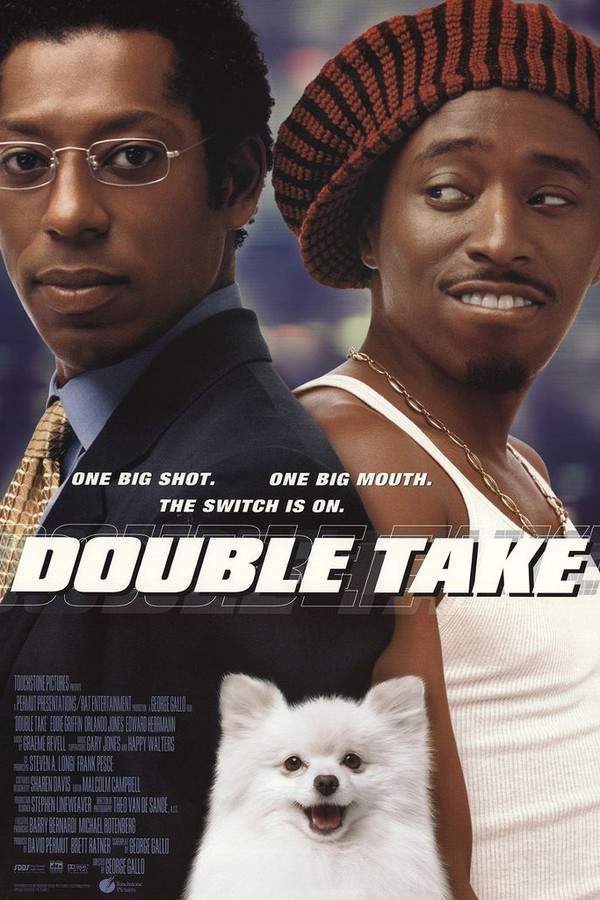
This documentary/fiction hybrid explores Alfred Hitchcock’s films from the 1950s and 1960s through the lens of Cold War anxieties. Filmmaker Johan Grimonprez combines archival footage with a narrative imagining Hitchcock meeting his doppelgänger during filming. The film investigates how fear became a commodity in modern history, examining the influence of mass media, advertising, and the Hollywood studio system.


Does Double Take have end credit scenes?
No!
Double Take does not have end credit scenes. You can leave when the credits roll.
Where to Watch Double Take
See current US streaming, rental, and purchase options for Double Take (2010) via JustWatch.


Streaming availability powered by 
Meet the Full Cast and Actors of Double Take
Explore the complete cast of Double Take, including both lead and supporting actors. Learn who plays each character, discover their past roles and achievements, and find out what makes this ensemble cast stand out in the world of film and television.
No actors found
External Links and Streaming Options
Discover where to watch Double Take online, including streaming platforms, rental options, and official sources. Compare reviews, ratings, and in-depth movie information across sites like IMDb, TMDb, Wikipedia or Rotten Tomatoes.







Ratings and Reviews for Double Take
See how Double Take is rated across major platforms like IMDb, Metacritic, and TMDb. Compare audience scores and critic reviews to understand where Double Take stands among top-rated movies in its genre.

66
Metascore
tbd
User Score
58
%
User Score
Full Plot Summary and Ending Explained for Double Take
Read the complete plot summary of Double Take, including all major events, twists, and the full ending explained in detail. Explore key characters, themes, hidden meanings, and everything you need to understand the story from beginning to end.
Double Take reimagines a striking and unsettling encounter, drawing its core premise from Jorge Luis Borges’ tale in 25th August, 1983. Set against the backdrop of a famous director’s daily grind, the narrative unfolds on the set of Alfred Hitchcock’s 1962 film The Birds. During a brief twelve‑minute break, Hitchcock steps away to take a phone call inside a Universal Studios building, where a sequence of eerie, almost ritual-like moments begins to unfold.
The story leans into a claustrophobic tension as Hitchcock slips into a room that echoes the intimate tearooms of legendary hotels alike—the Chasen’s tearoom in Los Angeles and the Claridge’s in London. It is here that the director encounters a doppelgänger: an older version of himself who seems both familiar and menacing. The two versions of Hitchcock engage in a conversation that is at once intimate and troubling, a dialogue marked by deep-seated paranoia and mutual distrust. The younger Hitchcock looks at the older one with fear, as if facing an inevitable fate he cannot control.
As the meeting alternates with returns to the same room, the mood darkens and the stakes rise. The narrative threads back and forth, tracing a path that leans toward death rather than reconciliation. The two Hitchcocks regard one another with revulsion and confusion, a tension intensified by the looming question of destiny: what happens when you meet your double? The story nods to the old aphorism that to meet one’s double is to invite a deadly outcome, and the exchange between the two versions of the filmmaker asks whether either can survive such a confrontation.
Throughout the dialogue, a distinct atmosphere of Cold War era anxiety intrudes. Intermittent glimpses of Folgers coffee advertisements punctuate the narration, serving as a peculiarly domestic counterpoint to the larger fears that seep into their exchange. The advertisements become almost a metronome for time and fate, underscoring how ordinary, everyday rituals can coexist with extraordinary existential dread.
The older Hitchcock presses his younger self with questions that probe mortality, ambition, and the precarious line between creator and creation. And while the younger Hitchcock’s fear grows, the older version remains a steady, ominous presence—until the moment of revelation takes shape through the doppelgänger’s actions. The tale makes manifest the director’s dawning realization that his life is headed toward a fatal conclusion, one that will be brought about by the very self he questions and fears.
So, tell me, how would you like to die?
In weaving together themes of identity, power, and the fragility of selfhood, the story keeps its center on a chilling psychological duel rather than on sensational spectacle. The room becomes a stage for a quiet, inexorable conflict where memory, myth, and the filmmaking impulse collide. By the end, the younger, television‑era version of Hitchcock is revealed to be the instrument of the older’s demise, turning a famous filmmaker’s middle‑aged introspection into a fatal encounter with his own future self. The result is a meditation on how the act of creation can edge ever closer to destruction, and how the art of cinema can mirror the most personal of confrontations.

Coming soon on iOS and Android
The Plot Explained Mobile App
From blockbusters to hidden gems — dive into movie stories anytime, anywhere. Save your favorites, discover plots faster, and never miss a twist again.
Sign up to be the first to know when we launch. Your email stays private — always.
Explore the mobile appWatch Trailers, Clips & Behind-the-Scenes for Double Take
Watch official trailers, exclusive clips, cast interviews, and behind-the-scenes footage from Double Take. Dive deeper into the making of the film, its standout moments, and key production insights.

Unlock the World of Movies with Our Comprehensive Wiki
Dive into our Movie Wiki for in-depth film encyclopedia entries, including cast biographies, production trivia, plot synopses, behind-the-scenes facts, and thematic analyses. Whether you’re researching iconic directors, exploring genre histories, or discovering hidden easter eggs, our expertly curated movie database has everything you need to fuel your cinematic passion.

Quick Links: Summary, Cast, Ratings, More

What's After the Movie?
Not sure whether to stay after the credits? Find out!
Check out our other apps:

SAT Sphere
Build confidence for the Digital SAT.

Mori Atlas
Discover wild places worth protecting.

Luntero
Search smarter for a home in Amsterdam.

Plot Explained
Unravel movie endings and hidden clues.

Pokechamp
Dive into Pokémon data and battle logic.

Driving Theory
Get ready for your European theory test.

Movie Dust
Plan your next cinema trip with ease.

Musemap
Find art and culture as you travel.

Selkobase
Compare credentials before committing.

Local Manual
Turn an unfamiliar country into practical next steps.

Lernavi
Compare school systems before your next move.

GymRoam
Find a workout stop wherever your plans take you.
Explore Our Movie Platform
New Movie Releases (2026)
Famous Movie Actors
Top Film Production Studios
Movie Plot Summaries & Endings
Major Movie Awards & Winners
Best Concert Films & Music Documentaries
Movie Collections and Curated Lists
© 2026 What's After the Movie. All rights reserved.
Privacy Policy