Divine Words 1987


Set in early‑20th‑century Galicia, this Valle‑Inclán drama follows the sacristan’s wife, who, desperate to lift her family from poverty, exploits a hydrocephalic child as a sideshow attraction. Her ruthless scheme provokes a fierce clash with her sister‑in‑law, exposing the harsh social realities of the time.


Does Divine Words have end credit scenes?
No!
Divine Words does not have end credit scenes. You can leave when the credits roll.
Meet the Full Cast and Actors of Divine Words
Explore the complete cast of Divine Words, including both lead and supporting actors. Learn who plays each character, discover their past roles and achievements, and find out what makes this ensemble cast stand out in the world of film and television.

Luis Ciges
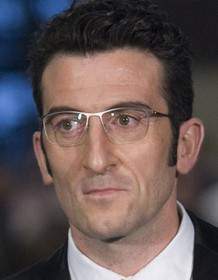
Luis Zahera
Juan Echanove
Miguelín
Ana Belén
Mari Gaila
María Elena Flores
Antonio Gamero
Imanol Arias
Séptimo Miau
Francisco Merino
María Jesús Hoyos
Pedro Reyes
Ambrosio
Dorotea Bárcena
Aurora Bautista
Marica del Reino
Tacho González
Monti Castiñeiras
Urbino
Conchita Goyanes
Rosa Álvarez
María Teresa Castro
Ernesto Chao
Cristina Castaño
Abel Vitón
Francisco Rabal
Pedro Gailo
Xosé Luís Bernal
Esperanza Roy
Rosa la Tatula
Tito García
Nicolás Dueñas
Conde Polaco
Ofelia Angélica
Manuel Huete
Rebeca Tébar
Simoniña
Víctor Rubio
Eduardo Puceiro
Clara Heyman
Antonio Passy
Marisa Soto
Alberto Tomé
Ánxela García
Manuel Santamaría
Luisa Veira
Diego Varela
María Barcala
César Somoza
Jorge Ricoy
Susana Dans
Xepe Casanova
Severino Carballal
Juan Manuel Abreu
Nacho Castaño
Montserrat Amigo
Quico Cadaval
Xavier R. Lourido
Abelardo Estévez
Mariví Muela
External Links and Streaming Options
Discover where to watch Divine Words online, including streaming platforms, rental options, and official sources. Compare reviews, ratings, and in-depth movie information across sites like IMDb, TMDb, Wikipedia or Letterboxd.




Take the Ultimate Divine Words Movie Quiz
Challenge your knowledge of Divine Words with this fun and interactive movie quiz. Test yourself on key plot points, iconic characters, hidden details, and memorable moments to see how well you really know the film.
Divine Words (1987) Quiz: Test your knowledge of the 1987 Spanish drama *Divine Words*, its characters, setting, and key plot moments.
In which Spanish region is the village of San Clemente located?
Full Plot Summary and Ending Explained for Divine Words
Read the complete plot summary of Divine Words, including all major events, twists, and the full ending explained in detail. Explore key characters, themes, hidden meanings, and everything you need to understand the story from beginning to end.
In the province of Galicia, circa 1920, the film unfolds in the impoverished village of San Clemente, where religious authority has collapsed into the hands of the sacristan Pedro Gailo, and his young wife Mari Gaila, Ana Belén, endures a brittle, money-fueled marriage. With a hydrocephalus-stricken child under their care, the couple turns the child into a source of income, a bedrock on which Mari Gaila builds a hustler’s life. The power dynamic is stark: Pedro’s outward piety masks a sharp hunger for wealth, while Mari Gaila dances on the edge of moral collapse, her gaze fixed on escape from the village and a life far removed from the prying eyes of San Clemente.
Mari Gaila’s leverage is strengthened by the joint guardianship she shares with her sister-in-law, Marica, Aurora Bautista. The pair navigate a world that rewards audacity, even as it shames vulnerability. Into this precarious ecosystem wanders another beggar, a woman nicknamed “la Tatula,” whose presence signals the arrival of outsiders who can haze the borders between poverty and performance. The figure of Rosa la Tatula, portrayed by Esperanza Roy, embodies the carnival-like blur between need and spectacle that the village culture treats as entertainment.
Driven by a mix of longing and calculation, Mari Gaila ventures toward the nearest city, stepping into a landscape filled with music, markets, and people who move with a confidence she has never known. The city offers her a taste of a wider world—one that jingles with possibility and danger in equal measure. Among the flourishing fairs and the bustling roads, she becomes a magnet for other nomadic beggars and unscrupulous players who are drawn to her new wealth. One such figure is Septimo Miau, Imanol Arias, a handsome outlaw whose presence unsettles the delicate balance Mari has constructed.
A brief, charged flirtation with Septimo Miau pulls Mari Gaila deeper into a life that seems to promise freedom but veers toward risk. She returns to her village not empty-handed but transformed, the town suddenly aware of her wealth and the broader horizons she now claims. The relationship with Septimo rekindles, and the two lovers rekindle their plan to run away together, using the hydrocephalus child as a bizarre, movable exhibit to extract sympathy—and money—from sympathetic crowds. Yet the joy is short-lived. While the lovers compose themselves in a forest, locals feed the child alcohol at a tavern, and the child dies in a tragedy that exposes the fragile seam between charity and exploitation.
Septimo Miau deserts Mari Gaila, leaving her diminished and ill, a shadow of the audacious woman who left San Clemente with stars in her eyes. The sacristan Pedro Gailo, never one to let a tragedy go unutilized for personal gain, seizes on the body of his nephew and stages a grotesque display—the corpse becomes a vehicle for shock and profit, a chilling tableau that underscores the village’s hunger and depravity. The rescue of the lovers comes later, as Rosa la Tatula reappears as a broker of loyalties, and the two lovers meet again in a forest, their passion reignited but now entangled with fear and vengeance.
Caught in the crosscurrents of gossip, judgment, and desperation, Mari Gaila is finally stripped of dignity—naked, spat upon, derided, and stoned by a crowd whose brutal instinct seems to reflect their own losses and resentments. The crowd’s “justice” is interrupted by a chilling liturgy of mercy as Pedro Gailo speaks the Latin phrase, “Let him who is free of sin cast the first stone,” and the crowd disperses, momentarily stupefied by the irony of its own actions. In that moment, the film probes the contradiction at the heart of a community that monologues about virtue while devouring its weakest members.
What follows is a meditation on moral complexity, poverty, and the claustrophobic pressures that drive people to make, and unmake, themselves in a world that rewards cunning over compassion. The story revels in its own ambivalence: Pedro remains, at least outwardly, a saintly figure, offering forgiveness and maintaining a pose of pious authority, while Mari Gaila, burned by accusation and spectacle, emerges as someone too lucid and too fragile to be easily categorized as merely virtuous or immoral. The film closes on a note of sober reflection: a village that has learned too late the cost of its own hypocrisy, a community of downtrodden people who dream of escape but find themselves trapped in a cycle of gossip, hunger, and small, stubborn resentments.
Let him who is free of sin cast the first stone
In this environmental canvas, the characters move through a social ecosystem that is at once intimate and sprawling, a place where every gesture—whether a beggar’s plea, a sacristan’s ledger, or a love affair—carries a weight of consequence. The film is a study in contrasts: the austere, ritualized world of San Clemente versus the riotous, unpredictable pulse of the outside world; a marriage defined by economic necessity, and a romance attempted at the price of public scorn. As the crowd disperses, the narrative lingers on the ambiguous moral weather of the village: the honest and the corrupt, the hurt and the cunning, all caught in a liminal space where the line between virtue and vice is both blurred and perpetually renegotiated. The final image is less a revelation than a question—of how a society chooses to remember its faults, and whether forgiveness can survive the harsh glare of a community that has learned to profit from its own vulnerabilities.

Coming soon on iOS and Android
The Plot Explained Mobile App
From blockbusters to hidden gems — dive into movie stories anytime, anywhere. Save your favorites, discover plots faster, and never miss a twist again.
Sign up to be the first to know when we launch. Your email stays private — always.
Explore the mobile appDiscover Film Music Concerts Near You – Live Orchestras Performing Iconic Movie Soundtracks
Immerse yourself in the magic of cinema with live orchestral performances of your favorite film scores. From sweeping Hollywood blockbusters and animated classics to epic fantasy soundtracks, our curated listings connect you to upcoming film music events worldwide.
Explore concert film screenings paired with full orchestra concerts, read detailed event information, and secure your tickets for unforgettable evenings celebrating legendary composers like John Williams, Hans Zimmer, and more.


Divine Words Themes and Keywords
Discover the central themes, ideas, and keywords that define the movie’s story, tone, and message. Analyze the film’s deeper meanings, genre influences, and recurring concepts.
Divine Words Other Names and Titles
Explore the various alternative titles, translations, and other names used for Divine Words across different regions and languages. Understand how the film is marketed and recognized worldwide.
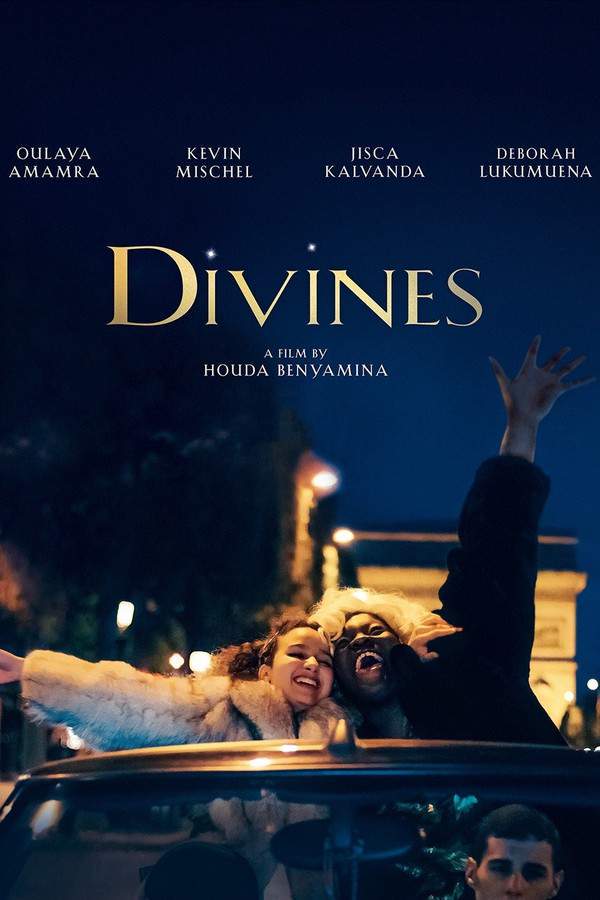
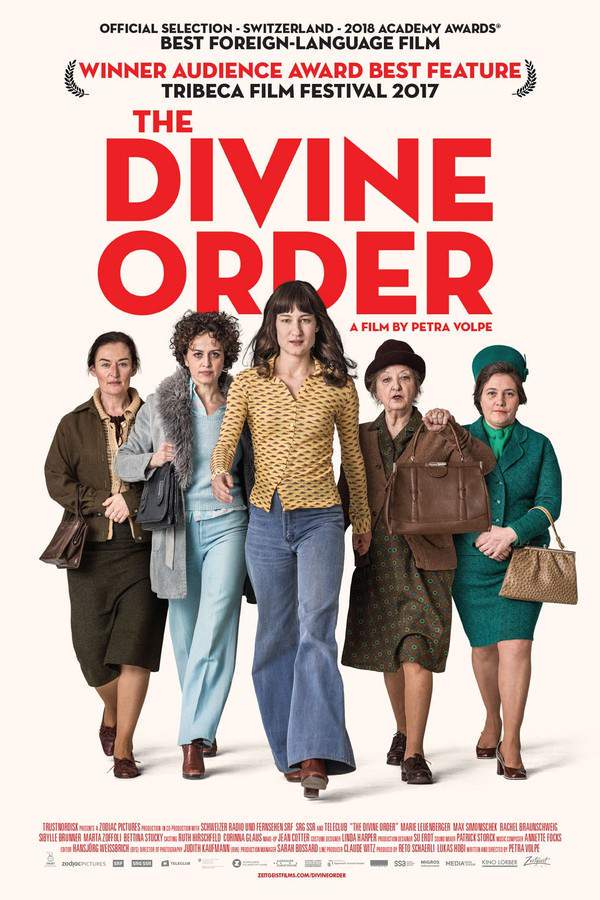
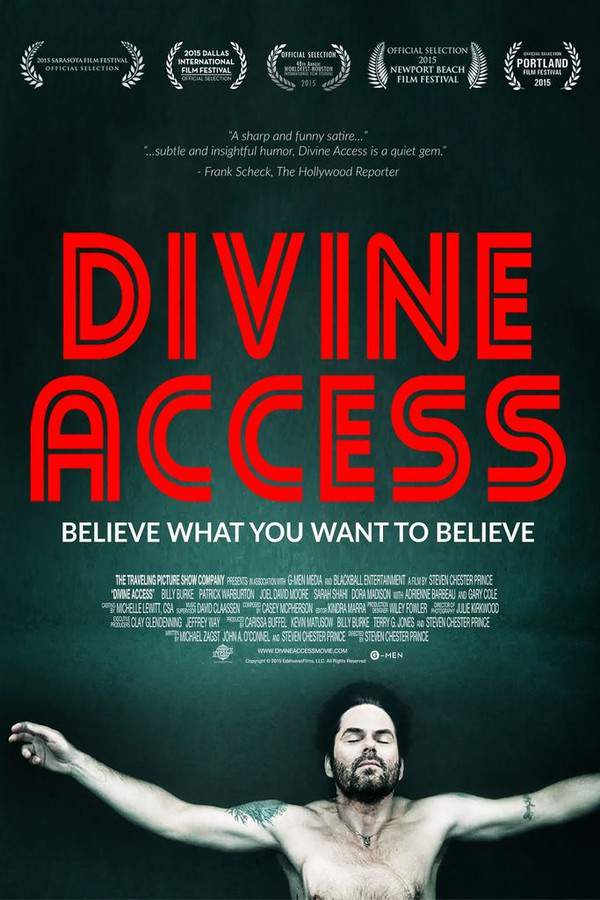
Similar Movies To Divine Words You Should Know About
Browse a curated list of movies similar in genre, tone, characters, or story structure. Discover new titles like the one you're watching, perfect for fans of related plots, vibes, or cinematic styles.




-gv2b_HtyqJrUgw.jpg)

Quick Links: Summary, Cast, Ratings, More

What's After the Movie?
Not sure whether to stay after the credits? Find out!
Check out our other apps:

SAT Sphere
Build confidence for the Digital SAT.

Mori Atlas
Discover wild places worth protecting.

Luntero
Search smarter for a home in Amsterdam.

Plot Explained
Unravel movie endings and hidden clues.

Pokechamp
Dive into Pokémon data and battle logic.

Driving Theory
Get ready for your European theory test.

Movie Dust
Plan your next cinema trip with ease.

Musemap
Find art and culture as you travel.

Selkobase
Compare credentials before committing.

Local Manual
Turn an unfamiliar country into practical next steps.

Lernavi
Compare school systems before your next move.

GymRoam
Find a workout stop wherever your plans take you.
Explore Our Movie Platform
New Movie Releases (2026)
Famous Movie Actors
Top Film Production Studios
Movie Plot Summaries & Endings
Major Movie Awards & Winners
Best Concert Films & Music Documentaries
Movie Collections and Curated Lists
© 2026 What's After the Movie. All rights reserved.
Privacy Policy