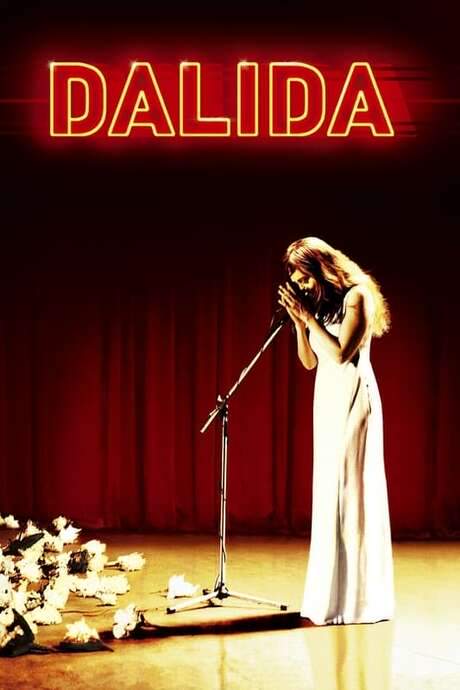
Dalida 2017

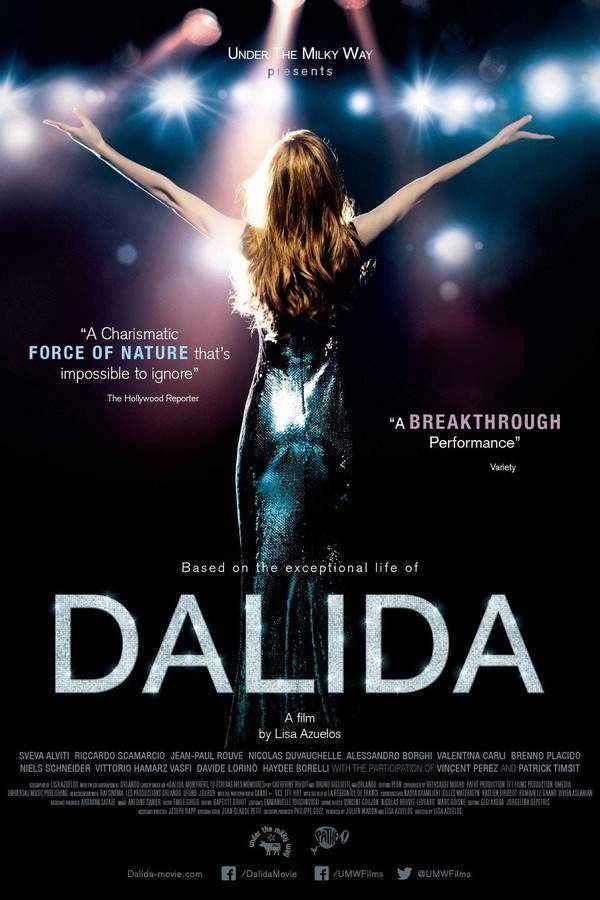
This poignant biography explores the remarkable life and career of Dalida, a singer who rose from war-torn Egypt to achieve international fame. The film portrays her journey from a difficult childhood to a celebrated 30-year reign filled with iconic hits and sold-out performances. Dalida faced personal tragedies, including the loss of three lovers, which deeply impacted her life and career, ultimately shaping her enduring legacy as a beloved and influential artist.


Does Dalida have end credit scenes?
No!
Dalida does not have end credit scenes. You can leave when the credits roll.
Where to Watch Dalida
See current US streaming, rental, and purchase options for Dalida (2017) via JustWatch.









Meet the Full Cast and Actors of Dalida
Explore the complete cast of Dalida, including both lead and supporting actors. Learn who plays each character, discover their past roles and achievements, and find out what makes this ensemble cast stand out in the world of film and television.








External Links and Streaming Options
Discover where to watch Dalida online, including streaming platforms, rental options, and official sources. Compare reviews, ratings, and in-depth movie information across sites like IMDb, TMDb, Wikipedia or Rotten Tomatoes.









Ratings and Reviews for Dalida
See how Dalida is rated across major platforms like IMDb, Metacritic, and TMDb. Compare audience scores and critic reviews to understand where Dalida stands among top-rated movies in its genre.

The Movie Echo Score
Dalida presents a mixed reception, with praise for its lead performance and musical integration but criticism for its narrative focus and coherence. Viewers commend Sveva Alviti’s portrayal and the evocative use of Dalida’s own voice, while critics point to abrupt pacing and reliance on romantic episodes. The film’s strengths lie in its engaging biopic style and authentic period details, but its uneven structure and occasional shallow character exploration temper its overall impact. Ultimately, it offers intriguing moments within an imperfect biographical framework.
The Movie Echo Score Breakdown for Dalida

Art & Craft
In terms of direction and visual construction, Dalida displays polished production design and authentic shooting locations that evoke the singer’s world. The film benefits from careful framing and period-appropriate set pieces, yet its editing choices—particularly the frequent flashback structure—can feel disorienting and disrupt narrative clarity. The cinematography captures both intimate performance moments and broader social milieus effectively. Overall, the art direction maintains a high level of authenticity despite episodic pacing interruptions.

Character & Emotion
In terms of character depth and emotional resonance, Sveva Alviti’s performance anchors the film with a committed embodiment of Dalida’s persona. Many viewers appreciate her physical resemblance and nuanced gestures, lending credibility to both onstage and private scenes. Supporting actors also contribute meaningful chemistry, though some critics note limited exploration of Dalida’s inner motivations beyond romantic turmoil. Taken together, the character portrayal is strong in individual moments yet falls short of fully illuminating her complex identity.

Story & Flow
In terms of story and pacing, the biopic seeks to cover Dalida’s extensive life but sometimes relies too heavily on montages and romantic vignettes. Reviews highlight meticulous chronological detail from her breakout in Europe to personal tragedies, yet others criticize a superficial focus on relationships at the expense of career milestones. The film’s rapid transitions and script organization produce uneven engagement, reducing potential depth. Overall, the narrative is informative but uneven in coherence and flow.

Sensory Experience
When it comes to the sensory experience, Dalida excels through its rich musical integration and a soundtrack that features the artist’s own voice. Audiences praise the emotional power of song sequences and the authentic period sound design, which immerses viewers in the era. Visually, the film employs a cohesive palette and soundscapes that reinforce its biographical intent. Although the prevalence of musical numbers occasionally overshadows dramatic scenes, the sensory elements remain a primary asset.

Rewatch Factor
In terms of rewatch value, Dalida offers moments that reward repeat viewings, especially the detailed musical performances and key scenes of emotional intensity. Fans of the singer may revisit specific sequences to appreciate song timing and on-set authenticity. However, due to its uneven narrative pacing and limited exploration of certain life phases, casual viewers might find fewer reasons to return. Overall, the film holds appeal for dedicated fans but less so for a broader rewatch audience.


40%
TOMATOMETER

83%
User Score

6.9 /10
IMDb Rating

67
%
User Score

3.4
From 33 fan ratings
Take the Ultimate Dalida Movie Quiz
Challenge your knowledge of Dalida with this fun and interactive movie quiz. Test yourself on key plot points, iconic characters, hidden details, and memorable moments to see how well you really know the film.
Dalida (2017) Quiz: Test your knowledge of the 2017 biographical film about the French-Italian singer Dalida.
Who discovered Dalida in Paris and later became her husband?
Full Plot Summary and Ending Explained for Dalida
Read the complete plot summary of Dalida, including all major events, twists, and the full ending explained in detail. Explore key characters, themes, hidden meanings, and everything you need to understand the story from beginning to end.
In 1967, Dalida makes a desperate hotel exit that ends in suicide attempts, and the people closest to her rush in to piece together the many facets of her life. Standing with her are three men who each see a different side of who she is: her ex-husband Lucien Morisse, her former lover Jean Sobieski, and her brother Orlando (Bruno). Together, they lay out a story of a woman whose inner world was shaped by love, fame, insecurity, and a fierce drive to create.
Dalida grew up with a passionate love for music, inspired by a father who was a violinist in Cairo, yet she carried the ache of feeling unattractive because of the large glasses she wore. Her talents would carry her to Paris, where Lucien Morisse, a radio programmer, discovered her and fell for her, even leaving his wife for a chance at something lasting. She married him, but his focus on building her career and delaying marriage sometimes left her feeling unsettled. Soon after, she began an affair with artist Jean Sobieski, a relationship that would again complicate her sense of self. The pattern continued when she left Sobieski to pursue a romance with the temperamental musician Luigi Tenco.
Tenco’s volatile presence culminates in tragedy when he has a breakdown and walks off stage at the 1967 Sanremo Music Festival, later taking his own life. Dalida discovers his body, and many friends and family believe this moment helps precipitate the deepening storm in her mental health. The shock reverberates through her life, but it is not the end of her story. With the support of her brother, she begins to rebuild, returning to the recording studio and finding new audiences as she travels to perform in Italy.
As a new chapter unfolds, she meets a young 22-year-old student with whom she starts a love affair. When she learns she is pregnant, she makes the difficult choice to terminate the pregnancy, believing the timing wouldn’t allow for a responsible upbringing and recognizing the strain of parenthood in a life still intertwined with romance. The relationship ends, but her career and resilience begin to reassert themselves.
Orlando steps into a more active role, managing her career and guiding a period of renewed public success. In the meantime, Morisse’s shadow grows heavier, and he ultimately dies in their old apartment, leaving a complex void in the narrative of her life.
Dalida then enters a relationship with media personality Richard Chanfray. For the first time, she feels a sense of safety and stability, yet the relationship soon sours. He becomes entangled in a violent incident, accidentally shooting the boyfriend of her housekeeper, and Dalida is left to navigate a messy settlement to keep him out of legal trouble. Jealousy and tension arise as Richard’s interference with her career grows, and Dalida even records an album with him, despite his lack of singing talent. A second pregnancy looms in her mind, but another abortion devastates her body—she discovers the procedure has destroyed her uterus, ending any chance of carrying a child herself. A New Year’s Eve party becomes a breaking point: after Richard’s public taunts about her struggle with an eating disorder, she ejects him from her life. He would not survive the night.
With the personal turmoil gradually contained, Dalida returns to work and achieves critical and popular success, notably starring in Le Sixième Jour, a performance that earns her high praise and helps her regain a national welcome, even as she travels back to Egypt to be celebrated by her fans there. Yet the triumph is haunted by the emotional toll of years of heartbreak, creative pressure, and the relentless spotlight. The isolation deepens, and the bulimia grows more severe, pushing her toward a painful conclusion. In the end, Dalida’s life closes in the face of unbearable sorrow, leaving behind a note that speaks to life’s overwhelming difficulty and the quiet necessity of rest.
This portrait threads together music, romance, fame, and pain, tracing how a woman who began with a violinist’s dream and glasses that made her feel unseen moved through a world that kept asking for more—until the weight became too heavy to bear.

Coming soon on iOS and Android
The Plot Explained Mobile App
From blockbusters to hidden gems — dive into movie stories anytime, anywhere. Save your favorites, discover plots faster, and never miss a twist again.
Sign up to be the first to know when we launch. Your email stays private — always.
Explore the mobile appWatch Trailers, Clips & Behind-the-Scenes for Dalida
Watch official trailers, exclusive clips, cast interviews, and behind-the-scenes footage from Dalida. Dive deeper into the making of the film, its standout moments, and key production insights.
Cars Featured in Dalida
Explore all cars featured in Dalida, including their makes, models, scenes they appear in, and their significance to the plot. A must-read for car enthusiasts and movie buffs alike.
Dalida Themes and Keywords
Discover the central themes, ideas, and keywords that define the movie’s story, tone, and message. Analyze the film’s deeper meanings, genre influences, and recurring concepts.
Dalida Other Names and Titles
Explore the various alternative titles, translations, and other names used for Dalida across different regions and languages. Understand how the film is marketed and recognized worldwide.
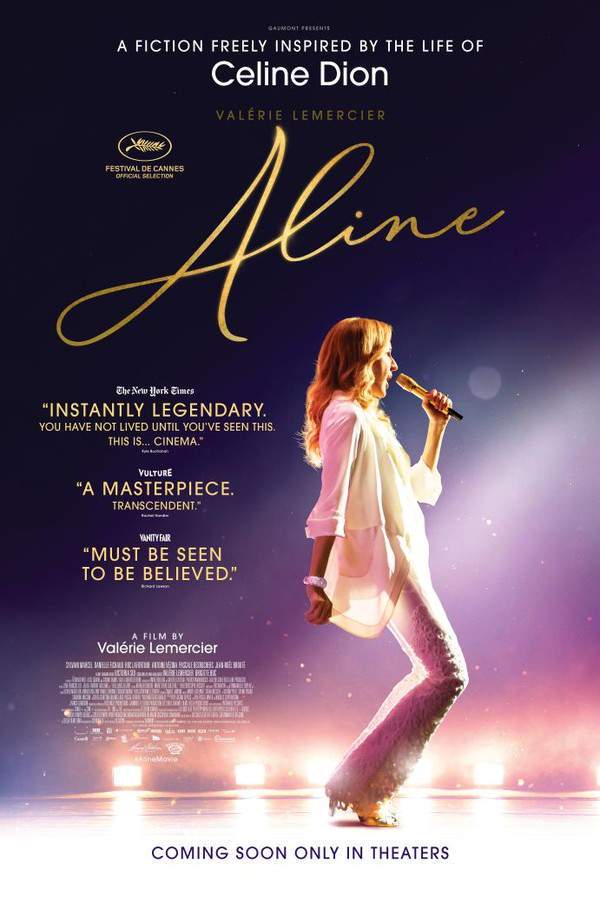
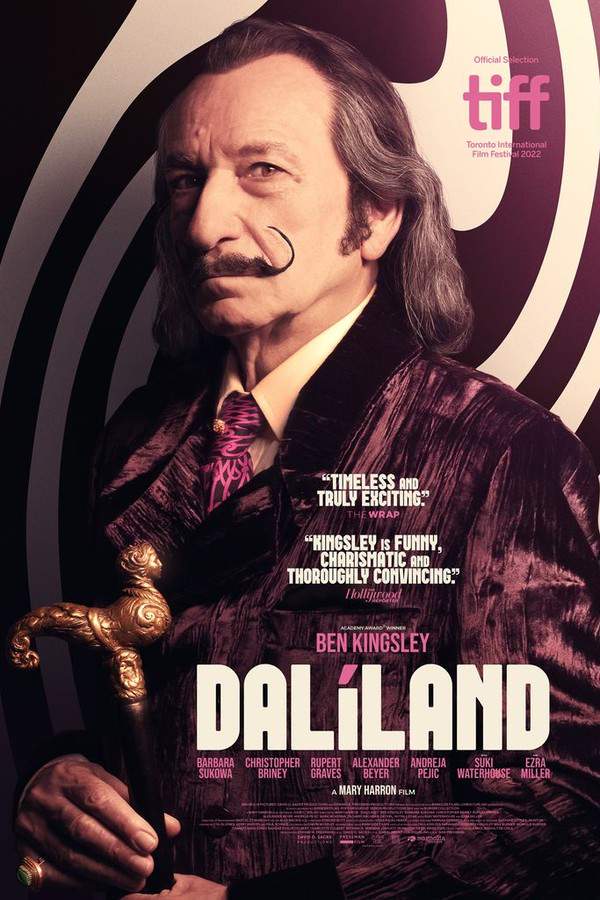
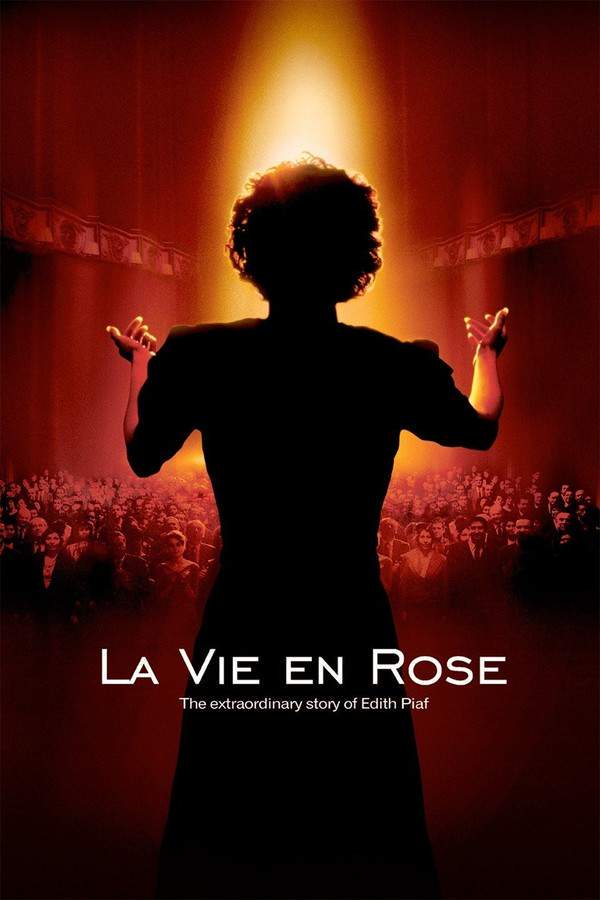
Similar Movies To Dalida You Should Know About
Browse a curated list of movies similar in genre, tone, characters, or story structure. Discover new titles like the one you're watching, perfect for fans of related plots, vibes, or cinematic styles.


Quick Links: Summary, Cast, Ratings, More

What's After the Movie?
Not sure whether to stay after the credits? Find out!
Check out our other apps:

SAT Sphere
Build confidence for the Digital SAT.

Mori Atlas
Discover wild places worth protecting.

Luntero
Search smarter for a home in Amsterdam.

Plot Explained
Unravel movie endings and hidden clues.

Pokechamp
Dive into Pokémon data and battle logic.

Driving Theory
Get ready for your European theory test.

Movie Dust
Plan your next cinema trip with ease.

Musemap
Find art and culture as you travel.

Selkobase
Compare credentials before committing.

Local Manual
Turn an unfamiliar country into practical next steps.

Lernavi
Compare school systems before your next move.

GymRoam
Find a workout stop wherever your plans take you.
Explore Our Movie Platform
New Movie Releases (2026)
Famous Movie Actors
Top Film Production Studios
Movie Plot Summaries & Endings
Major Movie Awards & Winners
Best Concert Films & Music Documentaries
Movie Collections and Curated Lists
© 2026 What's After the Movie. All rights reserved.
Privacy Policy