Christmas Carol: The Movie 2001


An animated adaptation of Charles Dickens’s classic tale follows Ebenezer Scrooge, a greedy businessman. After his partner Jacob Marley’s ghost warns him of punishment, the Spirits of Christmas Past, Present and Future appear, revealing the choices that shaped his life and showing the bleak future that awaits unless he reforms.


Does Christmas Carol: The Movie have end credit scenes?
No!
Christmas Carol: The Movie does not have end credit scenes. You can leave when the credits roll.
Meet the Full Cast and Actors of Christmas Carol: The Movie
Explore the complete cast of Christmas Carol: The Movie, including both lead and supporting actors. Learn who plays each character, discover their past roles and achievements, and find out what makes this ensemble cast stand out in the world of film and television.
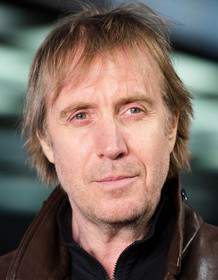
Rhys Ifans
Bob Cratchit (voice)

Kate Winslet
Belle (voice)
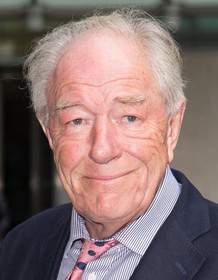
Michael Gambon
Ghost of Christmas Present (voice)
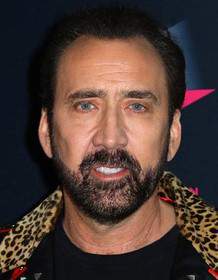
Nicolas Cage
Jacob Marley (voice)
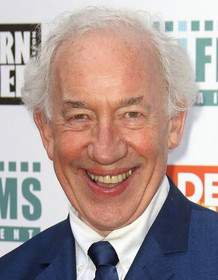
Simon Callow
Charles Dickens / Ebenezer Scrooge (voice)

Juliet Stevenson
Mrs. Cratchit / Mother Gimlet (voice)
Jane Horrocks
Ghost of Christmas Past (voice)
Colin McFarlane
Fezziwig (voice)
Keith Wickham
Mr. Leach/Undertaker (voice)
Robert Llewellyn
Old Joe (voice)
Beth Winslet
Fan (voice)
Sarah Kayte Foster
Mouse (voice)
Iain Jones
Fred (voice)
Arthur Cox
Dr. Lambert (voice)
Joss Sanglier
Choir Master (voice)
Rosalie MacCraig
Mouse (voice)
External Links and Streaming Options
Discover where to watch Christmas Carol: The Movie online, including streaming platforms, rental options, and official sources. Compare reviews, ratings, and in-depth movie information across sites like IMDb, TMDb, Wikipedia or Rotten Tomatoes.






Take the Ultimate Christmas Carol: The Movie Movie Quiz
Challenge your knowledge of Christmas Carol: The Movie with this fun and interactive movie quiz. Test yourself on key plot points, iconic characters, hidden details, and memorable moments to see how well you really know the film.
Christmas Carol: The Movie (2001) Quiz: Test your knowledge of the 2001 animated adaptation of Charles Dickens' classic tale, featuring the voices of Simon Callow and Kate Winslet.
What is the name of Ebenezer Scrooge's cheerful nephew who invites him to Christmas dinner?
Full Plot Summary and Ending Explained for Christmas Carol: The Movie
Read the complete plot summary of Christmas Carol: The Movie, including all major events, twists, and the full ending explained in detail. Explore key characters, themes, hidden meanings, and everything you need to understand the story from beginning to end.
In 1867, an audience gathers in a theater in Boston to hear Charles Dickens tell the story of “A Christmas Carol,” a tale brought to life with wit, warmth, and a quiet moral pull. The stage unfolds a familiar urban night where wealth, obligation, and humanity collide, animated by a cast of vivid voices and a narrator who gently guides us through a crisis of conscience.
Ebenezer Scrooge, Simon Callow (voice), is a rich moneylender whose business acumen has made him cold to the joys of the season and to the plight of those around him. In the harsh light of his office, he orders Old Joe to trap his debt-ridden clients in a debtors’ prison and co-signs the transfer of a hospital’s debts into his own control. The bell of Christmas joy rings hollow for him, and even when a nurse named Belle, portrayed with quiet ache by Kate Winslet, sends a letter pleading for forgiveness, Scrooge remains unmoved. He dismisses an invitation to Christmas dinner from his cheerful nephew Fred and chills the hopeful carolers who pass by, a sting that even Tiny Tim, Bob Cratchit’s youngest son, cannot escape, as the boy’s illness takes hold and pneumonia tightens its grip.
The night amplifies Scrooge’s loneliness when the Ghost of his former partner, Jacob Marley, appears as a warning wrapped in chains. Marley’s message is clear: if Scrooge does not change, the punishment of his own selfishness will follow him into an afterlife that is nothing more than a heavy chain of regrets. Marley foreshadows that Scrooge will be visited by three spirits, and his warning lands with a mixture of fear and curiosity. Yet Scrooge remains stubborn in his refusal to open his heart to charity, even as he mutters that the poor might be better off dead to “decrease the surplus population.”
That same night, the Ghost of Christmas Past arrives to show Scrooge scenes that are at once tender and painful. Scrooge relives a life where warmth and affection once flickered brightly: a sister, Fan, who offered familial love; Belle, who dreamed of a future with him before wealth overtook their bond; and a youthful apprenticeship with Fezziwig, where generosity and community stood in stark contrast to the later greed that would define his adult choices. The apprentice’s years reveal a transformation: the inheritance left by Scrooge’s father hardened his heart, and the memory of Belle’s departure marks his single most regrettable decision—choosing gold over love. This sequence makes the past feel intimate, personal, and almost unavoidable in its sense of loss.
Next comes the Ghost of Christmas Present, who peels back the curtain on how others keep the holiday. We see Fred’s festive spirit and the Cratchit household’s fragile joy, even as Tiny Tim’s illness casts a shadow across the merriment. The spirit’s humor is sharp, using Scrooge’s own earlier harsh remarks about the “surplus population” to remind him of the consequences of his indifference. The picture is simultaneously bittersweet and hopeful, for the Cratchits’ resilience and the family’s love begin to pull at Scrooge’s defenses, suggesting that generosity may still be possible.
The final guide, the Ghost of Christmas Yet to Come, offers a stark glimpse of possible futures. Scrooge witnesses two grave possibilities: the quiet, unregarded death of Tiny Tim and a lonely, unlamented death for himself, followed by a sense of public relief in a city that seems to rejoice at his passing. The vision is stark, and it unsettles Scrooge so completely that the earlier-hinted mercy of Marley returns, and he is transported back to the present moment.
Awakening from what feels like a vivid dream, Scrooge confronts the consequences of his actions with a new clarity. The hospital’s doors remain shut and its patients are at risk, but Belle reappears to remind him that forgiveness is possible and that change can begin now. With a heart finally open, Scrooge takes decisive steps: he dismisses Old Joe from the property and ensures Dr. Lambert’s release from prison, signaling a reversal of the cruel leverage that once dictated others’ fates. He also makes Bob his business partner, a gesture that binds his wealth to the well-being of the Cratchit family. Most crucially, Tiny Tim’s health begins to improve, a small but powerful sign that generosity can heal as surely as medicine.
The transformation feels earned, and the narrative treats it with a steady, human tone rather than melodrama. The story’s emotional core rests on the repair of relationships that Scrooge had long neglected. It isn’t merely a change of fortune; it’s a change in memory, in priorities, and in how one lives within a community. Through the voices of its performers—each character’s humanity comes through in the pauses, the smiles, and the quiet discomfort that punctuates the Christmas threshold—the tale invites audiences to consider what it means to share, to care, and to give.
In the end, the legacy of that night’s audience in Boston is not simply a retelling of a familiar tale, but a reminder that even the hardest, most solitary heart can be softened by compassion and courage. The tale closes on a note of renewed possibility: a man who once treated generosity as a burden now embraces it as a duty, and a family that weathered hardship finds its strength once again in one another. The season’s light returns, not as mere spectacle, but as a lived invitation to become better, one choice at a time.
“decrease the surplus population.”

Coming soon on iOS and Android
The Plot Explained Mobile App
From blockbusters to hidden gems — dive into movie stories anytime, anywhere. Save your favorites, discover plots faster, and never miss a twist again.
Sign up to be the first to know when we launch. Your email stays private — always.
Explore the mobile appWatch Trailers, Clips & Behind-the-Scenes for Christmas Carol: The Movie
Watch official trailers, exclusive clips, cast interviews, and behind-the-scenes footage from Christmas Carol: The Movie. Dive deeper into the making of the film, its standout moments, and key production insights.
Christmas Carol: The Movie Themes and Keywords
Discover the central themes, ideas, and keywords that define the movie’s story, tone, and message. Analyze the film’s deeper meanings, genre influences, and recurring concepts.
Christmas Carol: The Movie Other Names and Titles
Explore the various alternative titles, translations, and other names used for Christmas Carol: The Movie across different regions and languages. Understand how the film is marketed and recognized worldwide.
Similar Movies To Christmas Carol: The Movie You Should Know About
Browse a curated list of movies similar in genre, tone, characters, or story structure. Discover new titles like the one you're watching, perfect for fans of related plots, vibes, or cinematic styles.



Quick Links: Summary, Cast, Ratings, More

What's After the Movie?
Not sure whether to stay after the credits? Find out!
Check out our other apps:

SAT Sphere
Build confidence for the Digital SAT.

Mori Atlas
Discover wild places worth protecting.

Luntero
Search smarter for a home in Amsterdam.

Plot Explained
Unravel movie endings and hidden clues.

Pokechamp
Dive into Pokémon data and battle logic.

Driving Theory
Get ready for your European theory test.

Movie Dust
Plan your next cinema trip with ease.

Musemap
Find art and culture as you travel.

Selkobase
Compare credentials before committing.

Local Manual
Turn an unfamiliar country into practical next steps.

Lernavi
Compare school systems before your next move.

GymRoam
Find a workout stop wherever your plans take you.
Explore Our Movie Platform
New Movie Releases (2026)
Famous Movie Actors
Top Film Production Studios
Movie Plot Summaries & Endings
Major Movie Awards & Winners
Best Concert Films & Music Documentaries
Movie Collections and Curated Lists
© 2026 What's After the Movie. All rights reserved.
Privacy Policy