Champagne Charlie 1944


Michael Balcon’s lively tribute to classic music‑hall entertainment follows a rustic newcomer who bursts onto the London stage as ‘Champagne Charlie.’ His rapid rise makes him the city’s hottest act, sparking a fierce rivalry with an established performer as both vie for the audience’s applause.


Does Champagne Charlie have end credit scenes?
No!
Champagne Charlie does not have end credit scenes. You can leave when the credits roll.
Meet the Full Cast and Actors of Champagne Charlie
Explore the complete cast of Champagne Charlie, including both lead and supporting actors. Learn who plays each character, discover their past roles and achievements, and find out what makes this ensemble cast stand out in the world of film and television.
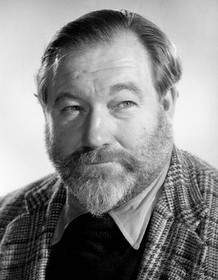
James Robertson Justice
Patron (uncredited)
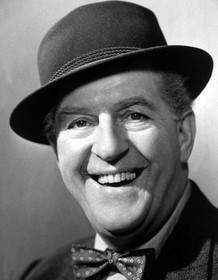
Stanley Holloway
The Great Vance

Paul Bonifas
Targetino
Hazel Court
Tipsy Champagne Drinker (uncredited)
Bill Shine
Mogador Stage Manager
Gibb McLaughlin
Doctor at Duel (uncredited)
Richard Harrison
(uncredited)
Harry Fowler
'Orace
Jean Kent
Dolly Bellwood
Austin Trevor
The Duke
Eliot Makeham
Vance's Songwriter (uncredited)
Andreas Malandrinos
Gatti
Aubrey Mallalieu
Butler (uncredited)
Norman Pierce
Landlord of Elephant & Castle
Eddie Phillips
Tom Sayers
Vida Hope
Rosie the Barmaid (uncredited)
Guy Middleton
Tipsy Swell
Frederick Piper
Learoyd
Tommy Trinder
Champagne Charlie
Joey Carr
Bit Part (uncredited)
Monti DeLyle
Bit Part (uncredited)
Kay Kendall
Bit Part (uncredited)
Joan Carol
Cora (Mogador Barmaid)
Betty Warren
Bessie Bellwood
Eric Boon
Clinker
Phyllis Morris
Bit Part (uncredited)
Robert Wyndham
Duckworth (Chairman of the Mogador)
Drusilla Wills
Bessie's Dresser
Vernon Greeves
Bit Part (uncredited)
George Hirste
Bit Part (uncredited)
Peter De Greeff
Lord Petersfield
Leslie Clarke
Fred Saunders (Leybourne's Brother)
External Links and Streaming Options
Discover where to watch Champagne Charlie online, including streaming platforms, rental options, and official sources. Compare reviews, ratings, and in-depth movie information across sites like IMDb, TMDb, Wikipedia or Letterboxd.




Take the Ultimate Champagne Charlie Movie Quiz
Challenge your knowledge of Champagne Charlie with this fun and interactive movie quiz. Test yourself on key plot points, iconic characters, hidden details, and memorable moments to see how well you really know the film.
Champagne Charlie (1944) Quiz: Test your knowledge of the 1944 film "Champagne Charlie" with these ten questions covering characters, plot points, and key events.
What is the real name of the performer who adopts the stage name George Leybourne?
Full Plot Summary and Ending Explained for Champagne Charlie
Read the complete plot summary of Champagne Charlie, including all major events, twists, and the full ending explained in detail. Explore key characters, themes, hidden meanings, and everything you need to understand the story from beginning to end.
Joe Saunders and his brother Fred arrive in London from Leybourne in Kent, heading straight to the Elephant and Castle pub, a bustling crossroads for boxing and music-hall life. The room hums with energy as the local boxing star Tom Sayers holds court, Eddie Phillips bringing the part to life on screen. When Fred signs up for a trial bout, Joe is asked to sing to entertain the customers. At first hesitant, he lets his voice rise and fall with the room’s pulse, and the patrons respond with cheers and smiles. The keen-eyed landlord sees more than a momentary talent and offers Joe a regular engagement for £1 a week plus two free beers a night, a modest but real foothold in a world that mixes sport, song, and streetwise charm.
A month passes, and Joe becomes a genuine crowd-pleaser, his name drawing larger and livelier crowds. An invitation follows to sing at the Mogador, a local music hall that marks a step up from the pub stage. The Mogador’s owner, Bessie Bellwood [Betty Warren], is not shy about expressing a blunt verdict when Joe tries a slower, melancholic number—she calls it “horrible.” Undeterred, Joe walks away but quietly hums a different tune to himself, a moment that makes Bellwood reconsider and, with a practical eye, offer him a chance under a new banner and a new name: George Leybourne.
Leybourne’s ascent is swift and magnetic. He becomes a regular headliner at the Mogador, his voice filling the room and the streets beyond. A visitor’s comparison to The Great Vance spurs Bellwood to arrange a proper introduction to the era’s top star, [Stanley Holloway]. The encounter fuels Leybourne’s resolve, and a new song, “Ale, Old Ale,” quickly catches on with audiences. In response, Vance counter-sings with his own drinking ballad, a playful clash that intensifies the rivalry between the two men. The duel of wits becomes a duel of tunes, and Leybourne’s signature hit, “Champagne Charlie,” pushes him into the vanguard of music-hall fame.
The rivalry heats up to a point where it touches the very law of the stage. Vance issues a pistols-at-dawn challenge, expecting an apology, but Leybourne accepts with the good-natured mischief that underpins the music-hall world. The duel is farcical rather than fatal, a scene that lands with a wink rather than a wound, and the two adversaries carry on, each refining work that keeps audiences packing the houses. Yet the threat to music halls grows as the government tightens its grip, aided by theatre owners who fear losing their own audiences to the vitality of the music-hall circuit.
Amid the turbulence, a softer current threads through the story: Dolly Bellwood [Jean Kent], Bessie’s daughter, finds a romance with Lord Petersfield [Peter De Greeff], the Duke’s affable son. The class gap between Dolly and Petersfield looms large, colored by the memory of a much earlier union between Bessie and the Duke, who had been poised to marry long before social lines became as rigid as law. The Duke, embodied by [Austin Trevor], is pulled into a political fight of his own as he leads the committee considering a clampdown on music halls, threatening the livelihoods of countless performers. Bessie presses him to recognize the real human cost of such closures and to consider the happiness of Dolly’s future with Petersfield.
A dramatic riot erupts during Leybourne’s latest hit, funded in part by theatre owners who hope to crush the Mogador’s momentum. Police sirens swell as order seems to slip away, and the performers—and their staff—rally to protect their venues. Vance, taking command of the moment, leads his team to help quell the chaos, and the riot is defused just as the law closes in. The immediate danger passes, and the Mogador continues to stand as a beacon of a vibrant, living tradition in the face of looming restrictions.
When the committee finally gathers to hear all sides, the atmosphere becomes tense with the weight of consequence. Leybourne and Vance step forward to testify, and the Mogador’s fate—and that of the wider music-hall world—hung in the balance. The Duke himself arrives, and the panel rules in favor of the music halls, preserving a future for entertainers and audiences to share in shared songs and spectacles. The crowd erupts in celebration, champagne flowing as the audience belts out “Champagne Charlie,” sealing Leybourne’s rise and the era’s enduring resilience.
In the end, the story threads together ambition, romance, rivalry, and communal resilience. The music halls survive, not merely as venues but as cultural gatherings that bring people together across class lines, with performances that keep evolving yet staying true to that essential impulse: to entertain, connect, and celebrate life, one song at a time.

Coming soon on iOS and Android
The Plot Explained Mobile App
From blockbusters to hidden gems — dive into movie stories anytime, anywhere. Save your favorites, discover plots faster, and never miss a twist again.
Sign up to be the first to know when we launch. Your email stays private — always.
Explore the mobile appDiscover Film Music Concerts Near You – Live Orchestras Performing Iconic Movie Soundtracks
Immerse yourself in the magic of cinema with live orchestral performances of your favorite film scores. From sweeping Hollywood blockbusters and animated classics to epic fantasy soundtracks, our curated listings connect you to upcoming film music events worldwide.
Explore concert film screenings paired with full orchestra concerts, read detailed event information, and secure your tickets for unforgettable evenings celebrating legendary composers like John Williams, Hans Zimmer, and more.


Champagne Charlie Themes and Keywords
Discover the central themes, ideas, and keywords that define the movie’s story, tone, and message. Analyze the film’s deeper meanings, genre influences, and recurring concepts.

Unlock the World of Movies with Our Comprehensive Wiki
Dive into our Movie Wiki for in-depth film encyclopedia entries, including cast biographies, production trivia, plot synopses, behind-the-scenes facts, and thematic analyses. Whether you’re researching iconic directors, exploring genre histories, or discovering hidden easter eggs, our expertly curated movie database has everything you need to fuel your cinematic passion.
Similar Movies To Champagne Charlie You Should Know About
Browse a curated list of movies similar in genre, tone, characters, or story structure. Discover new titles like the one you're watching, perfect for fans of related plots, vibes, or cinematic styles.


Quick Links: Summary, Cast, Ratings, More

What's After the Movie?
Not sure whether to stay after the credits? Find out!
Check out our other apps:

SAT Sphere
Build confidence for the Digital SAT.

Mori Atlas
Discover wild places worth protecting.

Luntero
Search smarter for a home in Amsterdam.

Plot Explained
Unravel movie endings and hidden clues.

Pokechamp
Dive into Pokémon data and battle logic.

Driving Theory
Get ready for your European theory test.

Movie Dust
Plan your next cinema trip with ease.

Musemap
Find art and culture as you travel.

Selkobase
Compare credentials before committing.

Local Manual
Turn an unfamiliar country into practical next steps.

Lernavi
Compare school systems before your next move.

GymRoam
Find a workout stop wherever your plans take you.
Explore Our Movie Platform
New Movie Releases (2026)
Famous Movie Actors
Top Film Production Studios
Movie Plot Summaries & Endings
Major Movie Awards & Winners
Best Concert Films & Music Documentaries
Movie Collections and Curated Lists
© 2026 What's After the Movie. All rights reserved.
Privacy Policy