Carlos 2010


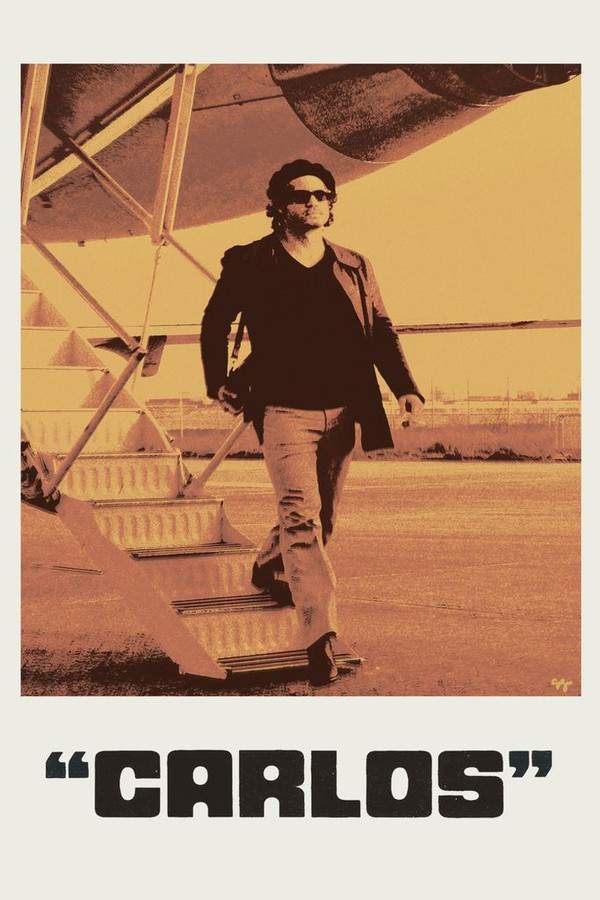
The story follows the transformation of Venezuelan Marxist Ilich Ramirez Sanchez into the infamous "Carlos the Jackal." He becomes a notorious operative, orchestrating daring operations across Europe, including the brazen kidnapping of OPEC oil ministers. As his reputation as a ruthless mercenary grows, he serves as a hired gun for various nations and organizations, leaving a trail of violence and intrigue on the world stage. His actions spark international attention and a global manhunt.

Does Carlos have end credit scenes?
No!
Carlos does not have end credit scenes. You can leave when the credits roll.
Where to Watch Carlos
See current US streaming, rental, and purchase options for Carlos (2010) via JustWatch.

Streaming availability powered by 
Meet the Full Cast and Actors of Carlos
Explore the complete cast of Carlos, including both lead and supporting actors. Learn who plays each character, discover their past roles and achievements, and find out what makes this ensemble cast stand out in the world of film and television.
No actors found
External Links and Streaming Options
Discover where to watch Carlos online, including streaming platforms, rental options, and official sources. Compare reviews, ratings, and in-depth movie information across sites like IMDb, TMDb, Wikipedia or Rotten Tomatoes.









Ratings and Reviews for Carlos
See how Carlos is rated across major platforms like IMDb, Metacritic, and TMDb. Compare audience scores and critic reviews to understand where Carlos stands among top-rated movies in its genre.

94
Metascore
7.9
User Score


93%
TOMATOMETER

85%
User Score

7.6 /10
IMDb Rating

70
%
User Score
Take the Ultimate Carlos Movie Quiz
Challenge your knowledge of Carlos with this fun and interactive movie quiz. Test yourself on key plot points, iconic characters, hidden details, and memorable moments to see how well you really know the film.
Carlos: The Godfather of Terrorism Quiz: Test your knowledge about the life and exploits of Carlos, the infamous revolutionary and terrorist.
What alias does Ilich Ramírez Sánchez adopt during his career?
Full Plot Summary and Ending Explained for Carlos
Read the complete plot summary of Carlos, including all major events, twists, and the full ending explained in detail. Explore key characters, themes, hidden meanings, and everything you need to understand the story from beginning to end.
Part one of the mini-series unfolds the story of Ilich Ramírez Sánchez, a Venezuelan exile who has allied himself with the Palestinians in Jordan. In 1973, he orchestrates a series of attacks in London before relocating to Paris, where he is appointed to head the European branch of the Popular Front for the Liberation of Palestine (PFLP) under the direction of Michel Moukharbal, known by his alias, André. It is in this pivotal meeting that Ilich adopts the notorious nom de guerre, “Carlos.” As he takes charge, he meticulously plans various operations, highlighted by a dramatic hostage-taking at the French Embassy in The Hague orchestrated by Japanese Red Army militants. However, when André is arrested, the French domestic intelligence service, the DST, grows increasingly suspicious of Ilich’s movements. To evade capture, Carlos makes a drastic decision, shooting André along with three police officers, which leads him to join Wadie Haddad, the head of PFLP, in southern Yemen. His new mission is audacious: to take hostage the oil ministers attending the upcoming OPEC conference in Vienna.
The second episode of the mini-series focuses extensively on the intricate details of Carlos’s operation, which stands out as one of the most spectacular acts of terrorism in that era. On December 21, 1975, Carlos leads a group consisting of six militants from the German Revolutionary Cells and Palestinian fighters, including Anis Naccache, to seize control of the OPEC headquarters. They take ministers and delegates hostage, leading to violent confrontations that result in several casualties among the building’s guards. At this moment, Carlos achieves unprecedented notoriety in the media. Despite his success, he faces hurdles when seeking asylum in Algeria, Tunisia, and Libya, and ultimately cannot board a plane to Iraq due to the limitations of their aircraft. In a bid to fulfill his mission, he eventually releases the hostages at Algiers airport in exchange for a substantial ransom; however, he ultimately fails to deliver on Haddad’s expectations, ending their partnership. Consequently, Carlos resorts to becoming a mercenary, seeking the highest bidder for his services, and subsequently turning his focus towards operations behind the Iron Curtain, shuttling between Budapest and East Berlin with the backing of the East German Stasi. He collaborates with remnants of the Revolutionary Cells, notably Johannes Weinrich and his wife Magdalena Kopp, who soon departs from Weinrich to align with Carlos. Carlos also engages in arms trafficking across Europe, aiming to establish a network of terrorist cells for future endeavors.
Part three chronicles Carlos’s ventures based in Budapest, bolstered by support from Syria, as he cultivates relationships with various clients, including Ceausescu’s Romania and Libya. His activities—characterized by armament trafficking, handling large sums of cash, and embodying the persona of the “Godfather of European terrorism”—are ultimately curtailed by shifts in global dynamics. Following the fall of the Berlin Wall in November 1989, Carlos experiences a stark decline, losing key patrons, being expelled from Syria, and witnessing a reduction in his operational scope. In a poignant twist, he discovers that many countries that once sought him for prosecution are now indifferent to his existence, and even the CIA ranks him low on their wanted list. Faced with these drastic changes, he gathers Magdalena and their young daughter and departs Syria for Libya, only to be met with unwelcome news from Qaddafi’s security chief that his presence in Libya is “undesirable.” Returning to Syria, he faces further strain as Magdalena announces her intent to leave him—a move prompted by his mother’s offer of a home in Venezuela for her and their child. Moreover, Magdalena feels disheartened, recognizing Carlos’s ongoing infidelities.
Eventually, the last refuge available for Carlos is in Sudan. Now retired, he adopts a new alias while remaining a target for multiple intelligence agencies. As he finds himself abandoned by former allies and distanced from the center of global conflicts, Carlos watches the evolution of geopolitical power from afar. Finally, with the assistance of the Sudanese authorities and struggling with a debilitating condition, he is captured on August 14, 1994. He is then extradited back to Paris to face trial for his past crimes, which continue to resonate deeply within France.

Coming soon on iOS and Android
The Plot Explained Mobile App
From blockbusters to hidden gems — dive into movie stories anytime, anywhere. Save your favorites, discover plots faster, and never miss a twist again.
Sign up to be the first to know when we launch. Your email stays private — always.
Explore the mobile appWatch Trailers, Clips & Behind-the-Scenes for Carlos
Watch official trailers, exclusive clips, cast interviews, and behind-the-scenes footage from Carlos. Dive deeper into the making of the film, its standout moments, and key production insights.
Carlos Themes and Keywords
Discover the central themes, ideas, and keywords that define the movie’s story, tone, and message. Analyze the film’s deeper meanings, genre influences, and recurring concepts.
Carlos Other Names and Titles
Explore the various alternative titles, translations, and other names used for Carlos across different regions and languages. Understand how the film is marketed and recognized worldwide.
Similar Movies To Carlos You Should Know About
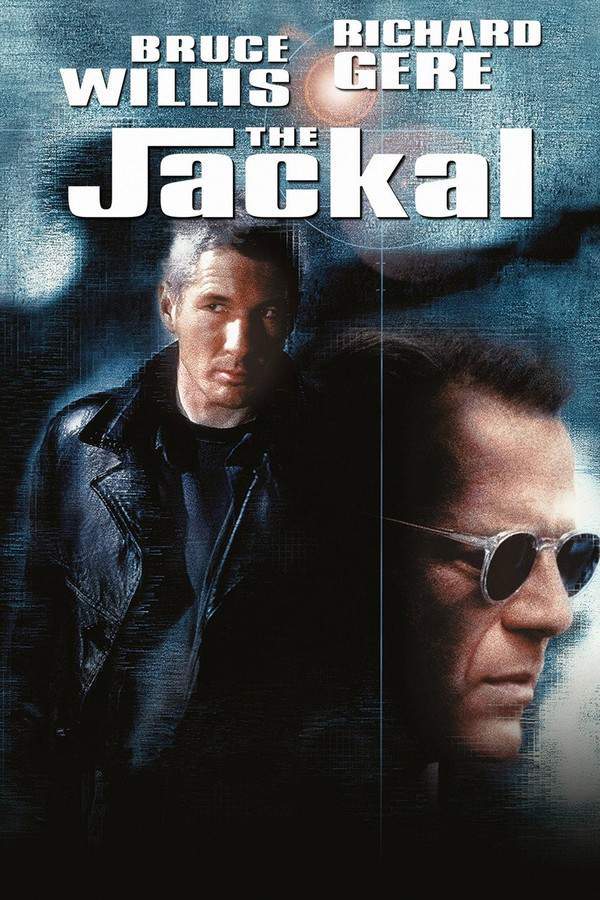
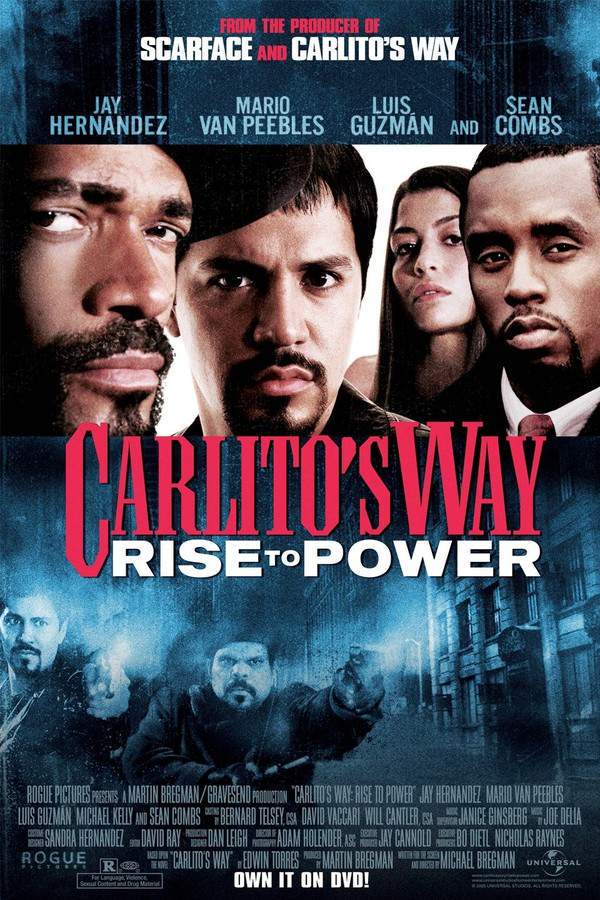
Browse a curated list of movies similar in genre, tone, characters, or story structure. Discover new titles like the one you're watching, perfect for fans of related plots, vibes, or cinematic styles.








Quick Links: Summary, Cast, Ratings, More

What's After the Movie?
Not sure whether to stay after the credits? Find out!
Check out our other apps:

SAT Sphere
Build confidence for the Digital SAT.

Mori Atlas
Discover wild places worth protecting.

Luntero
Search smarter for a home in Amsterdam.

Plot Explained
Unravel movie endings and hidden clues.

Pokechamp
Dive into Pokémon data and battle logic.

Driving Theory
Get ready for your European theory test.

Movie Dust
Plan your next cinema trip with ease.

Musemap
Find art and culture as you travel.

Selkobase
Compare credentials before committing.

Local Manual
Turn an unfamiliar country into practical next steps.

Lernavi
Compare school systems before your next move.

GymRoam
Find a workout stop wherever your plans take you.
Explore Our Movie Platform
New Movie Releases (2026)
Famous Movie Actors
Top Film Production Studios
Movie Plot Summaries & Endings
Major Movie Awards & Winners
Best Concert Films & Music Documentaries
Movie Collections and Curated Lists
© 2026 What's After the Movie. All rights reserved.
Privacy Policy